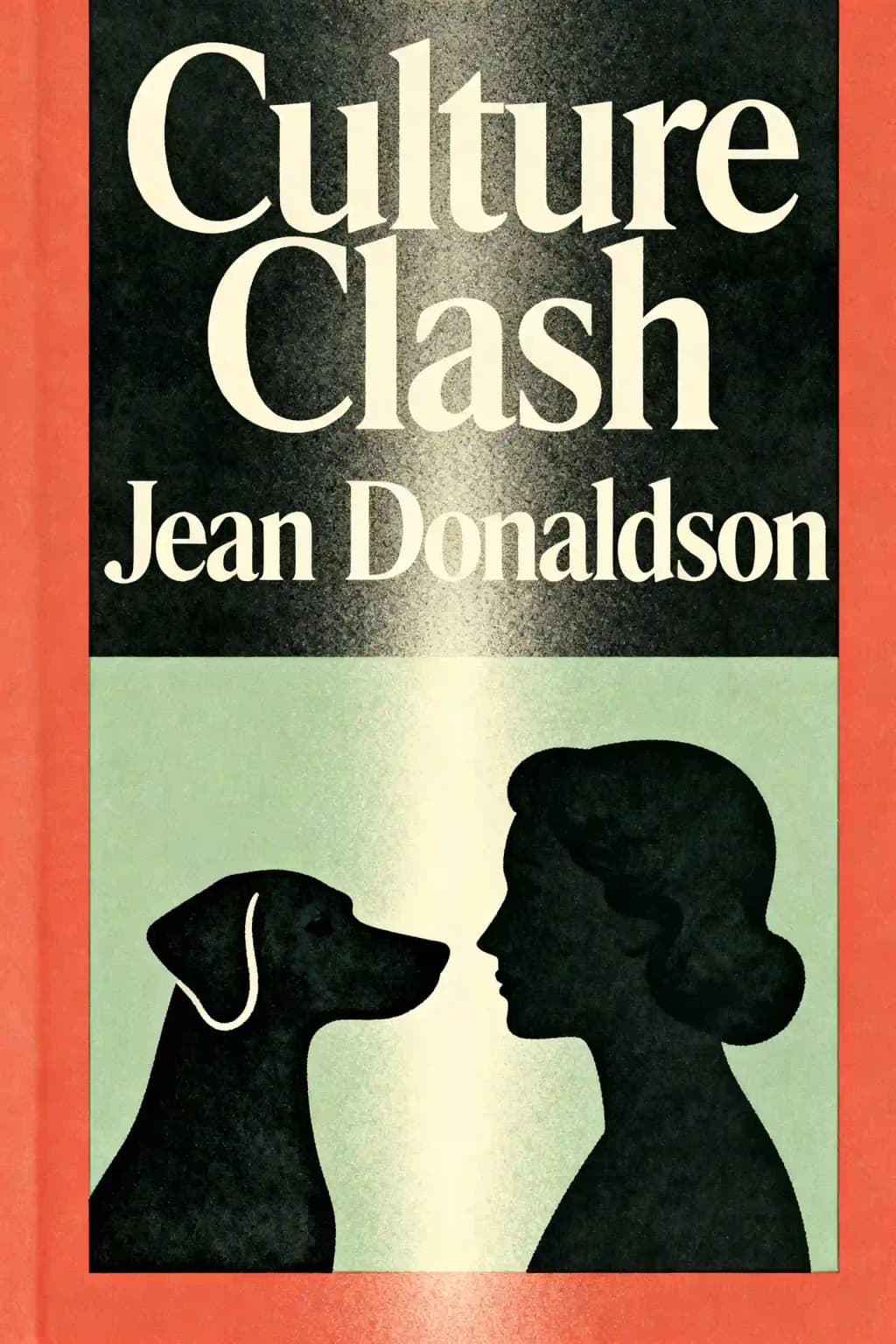
"Culture Clash" revolutionized dog training by debunking wolf-pack myths and championing positive reinforcement. Winner of the Maxwell Award, Jean Donaldson's game-changing manifesto sparked controversy while inspiring an entire generation of trainers. What if understanding your dog requires seeing the world through their eyes?
저자의 목소리로 책을 느껴보세요
지식을 흥미롭고 예시가 풍부한 인사이트로 전환
핵심 아이디어를 빠르게 캡처하여 신속하게 학습
재미있고 매력적인 방식으로 책을 즐기세요
Picture your dog's face after destroying your favorite shoes-head lowered, eyes averted, body crouched. Guilt, right? Actually, no. That "guilty look" is simply your dog reading your angry body language and offering appeasement signals. Dogs don't understand morality. They can't feel guilty about chewing shoes any more than a toddler feels guilty about gravity when they drop a glass. This misunderstanding-believing dogs think like small, furry humans-creates most of the friction in our relationships with them. We tell ourselves comforting stories about dogs. They want to please us. They feel remorse. They understand when they've been "bad." These beliefs feel good, but they're profoundly wrong-and that wrongness has real consequences for dog welfare. Consider the "desire to please" myth. When your dog watches you intently during training, you might think it's devotion. In reality, your dog is calculating probabilities: "When the human makes that sound and does that gesture, food appears." Dogs aren't interested in our internal emotional states except for how they predict outcomes relevant to survival and comfort. The dominance myth causes even more damage. Behaviors like pulling on leash or rushing through doorways get labeled "dominance problems," justifying harsh corrections. But a dog who bolts through the door isn't staging a coup-they're excited about what's outside and haven't been taught to wait. When a dog doesn't come when called, it's not defiance; competing motivations simply outrank your recall cue at that moment. Entire training philosophies built on "establishing dominance" miss the point entirely: dogs learn through consequences and associations, not power struggles. Understanding this distinction transforms how we approach training-from a battle of wills to a partnership based on clear communication.
Culture Clash의 핵심 아이디어를 이해하기 쉬운 포인트로 분해하여 혁신적인 팀이 어떻게 창조하고, 협력하고, 성장하는지 이해합니다.
Culture Clash을 빠른 기억 단서로 압축하여 솔직함, 팀워크, 창의적 회복력의 핵심 원칙을 강조합니다.

생생한 스토리텔링을 통해 Culture Clash을 경험하고, 혁신 교훈을 기억에 남고 적용할 수 있는 순간으로 바꿉니다.
무엇이든 물어보고, 목소리를 선택하고, 진정으로 공감되는 인사이트를 함께 만들어보세요.

샌프란시스코에서 컬럼비아 대학교 동문들이 만들었습니다
"Instead of endless scrolling, I just hit play on BeFreed. It saves me so much time."
"I never knew where to start with nonfiction—BeFreed’s book lists turned into podcasts gave me a clear path."
"Perfect balance between learning and entertainment. Finished ‘Thinking, Fast and Slow’ on my commute this week."
"Crazy how much I learned while walking the dog. BeFreed = small habits → big gains."
"Reading used to feel like a chore. Now it’s just part of my lifestyle."
"Feels effortless compared to reading. I’ve finished 6 books this month already."
"BeFreed turned my guilty doomscrolling into something that feels productive and inspiring."
"BeFreed turned my commute into learning time. 20-min podcasts are perfect for finishing books I never had time for."
"BeFreed replaced my podcast queue. Imagine Spotify for books — that’s it. 🙌"
"It is great for me to learn something from the book without reading it."
"The themed book list podcasts help me connect ideas across authors—like a guided audio journey."
"Makes me feel smarter every time before going to work"
샌프란시스코에서 컬럼비아 대학교 동문들이 만들었습니다

Culture Clash 요약을 무료 PDF 또는 EPUB으로 받으세요. 인쇄하거나 오프라인에서 언제든 읽을 수 있습니다.