1장
The Dawn of a Genetic Revolution
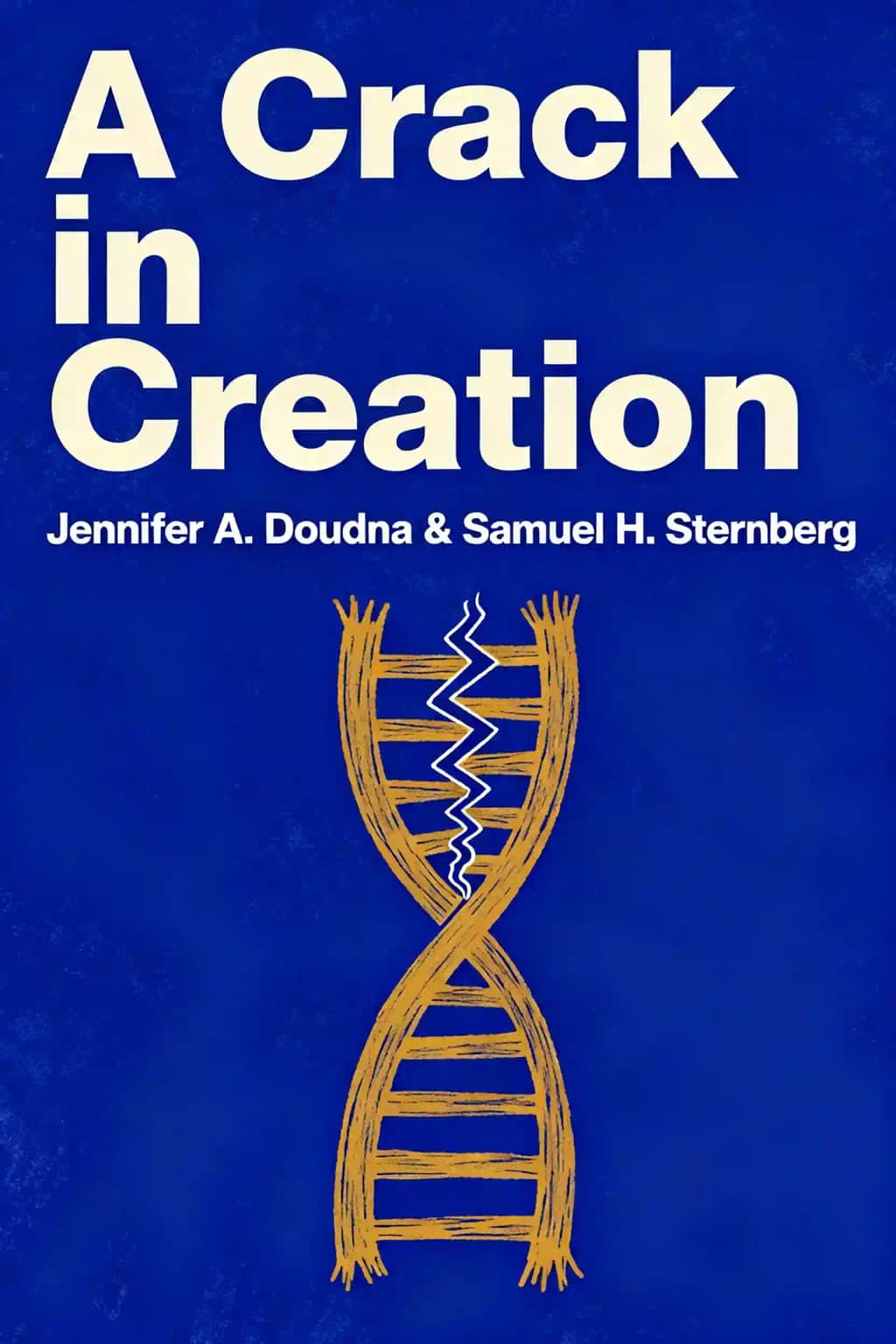
Have you ever wondered what it would be like to rewrite the code of life itself? In the summer of 2015, biochemist Jennifer Doudna found herself at the center of a scientific tsunami she helped create-a revolutionary technology called CRISPR-Cas9 that allows scientists to edit the genetic code of virtually any species with unprecedented precision. This wasn't just another laboratory breakthrough; it was the beginning of humanity's newfound power to direct our own evolution. CRISPR has already enabled remarkable achievements: super-muscular dogs, disease-resistant crops, and potential treatments for devastating genetic conditions like cystic fibrosis and muscular dystrophy. Yet with this awesome power comes profound questions about how far we should go. Doudna's book "A Crack in Creation" has been hailed by Bill Gates as essential reading for anyone interested in science, and has influenced policymakers worldwide as they grapple with regulating a technology that could permanently alter the human species. Through her personal journey from curious scientist to reluctant prophet, Doudna takes us into the heart of perhaps the most significant biological revolution in human history.
2장
The Quest for a Genetic Cure
In 2013, NIH scientists encountered a remarkable case that would perfectly illustrate the potential of gene editing. A patient known as "Kim" had been diagnosed with WHIM syndrome-a rare immunodeficiency disease caused by a single DNA letter mutation. Remarkably, at age 58, she had been symptom-free for over twenty years without treatment. The scientists discovered something extraordinary: through a rare phenomenon called chromothripsis, a single hematopoietic stem cell had spontaneously deleted the disease-causing gene, and this lucky cell had repopulated Kim's entire immune system with healthy cells.
Such natural genetic miracles are exceedingly rare. Most patients with genetic diseases will never experience these fortunate accidents. But what if doctors could deliberately edit genes to fix harmful mutations instead of relying on chance?
The human genome-our complete set of genetic instructions-is constructed from just four different nucleotides (A, G, C, and T) arranged in specific sequences across 23 pairs of chromosomes. This elegant structure, with its famous double-helix formation where A always pairs with T and G with C, encodes all the information needed to build and maintain our bodies. When mutations occur in this code, they can disrupt gene function and cause disease.
Genetic diseases follow different inheritance patterns. Recessive diseases like sickle cell require mutations in both gene copies to manifest symptoms, while dominant conditions like WHIM syndrome need just one mutated copy. Beyond simple letter substitutions, diseases can result from insertions (as in Huntington's disease), deletions (as in cystic fibrosis), or more complex rearrangements.
Early gene therapy pioneers turned to viruses as delivery vehicles for therapeutic genes. Viruses make effective vectors because they've evolved to efficiently infiltrate cells and insert their DNA. Scientists developed methods to remove dangerous viral genes while retaining their ability to deliver therapeutic payloads. Despite advances and promising trials, traditional gene therapy faced serious setbacks, including patient deaths and leukemia cases caused by retroviral activation of oncogenes.
A more precise approach emerged through homologous recombination-a natural cellular process that can integrate foreign DNA in non-random patterns. This technique, initially called "gene targeting" and later "gene editing," offered tremendous potential for treating diseases by precisely replacing mutated genes. The breakthrough came when researchers discovered that DNA double-strand breaks dramatically increased the efficiency of this process. By inducing precise cuts where editing was desired and providing a corrected gene copy, scientists could trick cells into repairing damage using the supplied template.
From the mid-1990s, researchers raced to develop programmable DNA-cutting systems that could recognize specific sequences. Zinc finger nucleases (ZFNs) showed promise but proved difficult to design and program. A more promising technology emerged in 2009 with transcription activator-like effector nucleases (TALENs), which were more easily customized to target specific DNA sequences. But just as TALENs seemed poised to become the dominant gene-editing technology, they were supplanted by something even more revolutionary: CRISPR.
3장
The Bacterial Immune System That Changed Everything
In 2006, Jennifer Doudna received a call from microbiologist Jillian Banfield about something called "CRISPR"-a peculiar pattern in bacterial DNA where identical repeats were separated by random spacer sequences. This unusual arrangement was present in almost half of bacterial genomes and nearly all archaeal genomes, suggesting it served an important function.
Three independent research teams had discovered that many CRISPR spacers matched viral DNA sequences, with an inverse correlation between matches and infection vulnerability. This evidence pointed to CRISPR being part of a bacterial immune system-a molecular vaccination card storing memories of past infections to recognize future viral invasions.
To understand CRISPR's significance, we must appreciate the ancient war between bacteria and bacteriophages-viruses that infect bacteria. These viruses are astonishingly abundant, with approximately 10^31 existing on Earth, outnumbering bacteria ten-to-one. A single teaspoon of seawater contains more phages than people in New York City. They cause trillions of infections every second, killing approximately 40% of ocean bacteria daily.
In this relentless arms race, bacteria have evolved multiple defense systems. CRISPR appeared to be yet another mechanism in this ancient battle, but one with unprecedented sophistication. The system's components included specialized CRISPR-associated (cas) genes that flanked the repeat regions, which seemed to code for enzymes capable of unzipping DNA or slicing RNA and DNA molecules.
In 2007, scientists at Danisco, a Danish food-ingredient company, published groundbreaking research confirming CRISPR as a bacterial immune system. Working with Streptococcus thermophilus, a probiotic bacterium crucial to the dairy industry, they demonstrated that bacteria exposed to phages incorporated snippets of viral DNA into their CRISPR regions, creating an adaptive immunity that was heritable-passed to daughter cells when bacteria reproduced.
This discovery catalyzed further research. Stan Brouns confirmed RNA's role in CRISPR defense, showing how bacteria convert CRISPR DNA into RNA strands that target viral genetic material. Luciano Marraffini and Erik Sontheimer demonstrated that CRISPR RNA could direct the destruction of DNA. Within just a few years, CRISPR research had evolved from loose observations to a unified theory of microbial adaptive immunity-revealing that bacteria possess immune systems as sophisticated as our own in many respects.
What implications this might have for humans, none of the researchers yet knew.
4장
Cracking the CRISPR Code
The CRISPR project exemplified scientific collaboration at its finest-researchers worldwide weaving what would become the vast tapestry of the CRISPR field. Energized by colleagues' work, Doudna's lab focused on fundamental questions: how bacteria pilfer viral DNA segments during infection, how CRISPR RNA molecules are produced, and crucially, how RNA pairs with phage DNA to destroy it.
They shifted to a biochemical approach, isolating component molecules to study their behavior. Their first contribution revealed Cas1's ability to cut DNA, suggesting it helped insert phage DNA snippets into CRISPR arrays during memory formation. They discovered Cas6 functioned as another chemical cleaver, methodically slicing long CRISPR RNA into shorter targeting chunks.
As research progressed, they discovered CRISPR wasn't a single immune system but many variations. Initially identified as nine different types in 2005, by 2011 researchers had consolidated them into three basic types with ten subtypes. The Type II system in Streptococcus was particularly intriguing-it operated with surgical precision compared to the chaotic destruction wrought by Type I systems.
In spring 2011, at an American Society for Microbiology meeting in Puerto Rico, Doudna met Emmanuelle Charpentier, who proposed a collaboration to determine how S. pyogenes' Type II CRISPR system cut viral DNA. Genetic studies implicated a gene called csn1 (later renamed cas9), and Charpentier wanted Doudna's biochemistry expertise to help figure out its function.
Martin Jinek, a talented Czech postdoc in Doudna's lab, took on this project. Working with Krzysztof Chylinski from Charpentier's lab, they made a breakthrough when they included not just CRISPR RNA but also tracrRNA (a second RNA Charpentier's lab had identified) in their experiments. The result was electrifying: DNA bearing a perfect match to twenty letters in the CRISPR RNA was cleanly cut apart.
This simple test tube experiment simulated a bacterial CRISPR immune response with minimal components: just Cas9 protein, two RNA molecules, and DNA mimicking a phage genome. The CRISPR RNA functioned like GPS coordinates, guiding Cas9 to precise spots in DNA based on matching letters.
Martin and Doudna immediately recognized the implications beyond bacterial immunity. They'd discovered a system that could become a far more straightforward gene-editing technology than existing methods. Based on Martin's meticulous experiments, they created a crucial innovation: converting the two RNA molecules into one chimeric "single-guide RNA" that would simplify their programmable DNA-cutting machine.
To test whether Cas9 could truly be programmed to cut any DNA sequence, they targeted the green fluorescent protein (GFP) gene. Martin designed five different twenty-letter single-guide RNAs matching sequences within GFP, then tested them with Cas9 against jellyfish DNA. The results were beautiful-all the GFP DNA had been precisely sliced at the intended sites.
They had done it. In a remarkably short time, they had constructed and validated a technology capable of editing any genome. From a bacterial defense system, they had built the means to rewrite the code of life.
5장
The CRISPR Revolution Begins
Roughly a year after their CRISPR article was published in Science, the scientific community had rapidly exploited their revelations, using CRISPR-Cas9 to engineer DNA in countless organisms and human cells. In what felt like the blink of an eye, Doudna had been transported from bacterial biology to the world of human medicine.
At Harvard, Professor Kiran Musunuru showed how his team was using CRISPR to develop treatments for genetic diseases like sickle cell disease. They had successfully used CRISPR to target and cut the mutated beta-globin gene, replacing the faulty letter A with the correct letter T-demonstrating CRISPR's potential to cure a disease affecting millions worldwide.
The approach could potentially be applied to many genetic diseases, but would require resources beyond what any academic laboratory could provide. In 2013, Doudna joined with George Church, Keith Joung, David Liu, and Feng Zhang to found Editas Medicine with $43 million in financing. Soon after, Emmanuelle Charpentier co-founded CRISPR Therapeutics, and Intellia Therapeutics joined the scene. By the end of 2015, these three companies would raise well over half a billion dollars to develop therapies targeting numerous disorders.
CRISPR quickly disseminated through the global scientific community as word spread that gene editing inside living cells could now be performed easily within days. In the days before CRISPR, gene editing required sophisticated protocols, formidable expertise, and substantial financial resources. Now, even laboratories with no prior gene-editing experience were using the technology.
As 2012 ended, Science magazine named genome editing a runner-up breakthrough of the year but highlighted TALENs rather than the newer CRISPR technology. Yet the first weeks of 2013 saw five additional CRISPR papers published, all demonstrating gene editing in cells as proposed. Papers from Feng Zhang, George Church, Jin-Soo Kim, Luciano Marraffini, and Keith Joung showed CRISPR editing over a dozen different genes in various cell types-from human leukemia cells to bacterial cells and even zebrafish embryos.
The excitement intensified in May 2013 when Rudolf Jaenisch's lab reported creating gene-edited mice using CRISPR. While previous methods required embryonic stem cells, extensive breeding, and many generations of mice-often an entire PhD thesis-Jaenisch's team achieved the same feat in just one month by microinjecting CRISPR components directly into one-cell embryos. Even more remarkably, they demonstrated one-step multiplex gene editing by using multiple RNA guides to edit several DNA sequences simultaneously.
By summer 2013, researchers began tracking all the different organisms whose genomes had been edited using CRISPR. The list grew rapidly-from zebrafish, bacteria, mice, and human cells to yeast, fruit flies, and worms. By late 2013, it included rats, frogs, and silkworms. By 2014, rabbits, pigs, goats, sea squirts, and monkeys had been added. Plant biologists soon demonstrated CRISPR's potential in crops like rice, sorghum, wheat, and later soybeans, tomatoes, oranges, and corn.
CRISPR is better described as a Swiss army knife than scissors, offering diverse functionalities from a single molecular machine. Its simplest use involves cutting a specific gene and allowing the cell to repair the damage by reconnecting the strands-a sloppy, error-prone process that leaves telltale insertions or deletions of DNA. These small changes disrupt the strict three-letter grouping of genetic code, causing the corresponding mRNA to produce wildly mutated proteins or, more commonly, no protein at all. This effectively destroys a gene's ability to function, a process geneticists call a "knockout."
Beyond simple knockouts, CRISPR enables precise genetic correction through homologous recombination. Unlike error-prone repair that merely rejoins broken DNA, this approach uses a repair template that matches the broken ends. This allows researchers to permanently replace harmful mutations with healthy sequences, making it possible to cure genetic diseases rather than merely disrupt genes.
Scientists discovered that deliberately disabling CRISPR's cutting ability creates a powerful tool for gene regulation. This "deactivated" CRISPR can still locate specific DNA sequences but acts as a molecular packhorse, carrying protein payloads that turn genes on or off like a dimmer switch. This approach offers more nuanced control than editing-comparable to fine-tuning instruments in an orchestra rather than replacing them entirely.
CRISPR's explosive popularity stems from its versatility, range, and accessibility. Unlike previous gene-editing tools that were expensive and technically demanding, CRISPR is affordable and user-friendly. The nonprofit organization Addgene has facilitated this democratization by distributing CRISPR plasmids to researchers worldwide for just $65 each, shipping some 60,000 CRISPR-related plasmids to over 80 countries in 2015 alone.
6장
The CRISPR Menagerie: Transforming Agriculture and Animal Life
Gene editing offers unprecedented precision compared to conventional breeding methods. While traditional agriculture has relied on spontaneous mutations and artificial selection for millennia-sometimes accelerated through radiation or chemicals that cause random genetic changes-CRISPR provides single-letter accuracy targeting specific genes. Chinese scientists demonstrated this by altering six copies of the Mlo gene in bread wheat to create powdery mildew resistance.
Beyond disease resistance, CRISPR has been used to protect rice against bacterial blight, develop herbicide-resistant crops, create non-browning mushrooms, and may save sweet oranges and bananas from devastating diseases. Particularly promising are nutritional improvements: Calyxt used gene editing to create healthier soybean oil with reduced trans fats, and modified potatoes to prevent cold-induced sweetening that produces carcinogenic acrylamide during high-heat cooking.
Despite hundreds of millions consuming GMO foods without issues, these products face vociferous criticism and intense public scrutiny. The few studies claiming adverse health effects have been discounted by follow-up research and condemned by the scientific community. GMOs have undergone rigorous regulatory review and received support from the American Medical Association, National Academy of Sciences, and World Health Organization-yet nearly 60% of Americans perceive them as unsafe.
CRISPR complicates the GMO debate by blurring lines between modified and unmodified organisms. Unlike conventional GMOs containing randomly inserted foreign genes, gene-edited organisms contain tiny alterations to existing genes without adding foreign DNA-similar to organisms produced through mutation-inducing chemicals. Scientists have even developed methods that leave no traces of CRISPR in plant genomes once editing is complete.
Beyond crops, CRISPR's application to livestock faces even stronger opposition despite enormous potential. Scientists have created gene-edited cows, pigs, sheep and goats with striking bodybuilder-like physiques through a trait called double-muscling-not a freakish lab invention but inspired by nature. Belgian Blue and Piedmontese cattle naturally exhibit this trait, having 20% more muscle, higher meat-to-bone ratio, less fat, and more desirable cuts.
Gene editing allows scientists to introduce multiple advantageous traits simultaneously in livestock. Chinese researchers have created enhanced Shannbei goats by targeting both the myostatin gene for increased muscle and a growth factor gene controlling hair length, producing animals with improved meat yield and finer cashmere fibers.
Scientists are using CRISPR to create practical improvements across livestock species: chickens that produce only females for egg farms (eliminating male chick culling), sterile farmed fish that can't contaminate wild stocks, and beef cattle that produce only males for more efficient meat production. They're editing cattle genomes to resist sleeping sickness parasites and modifying pigs to fatten with less feed.
Gene editing offers powerful solutions to devastating livestock diseases. University of Missouri researchers tackled PRRSV, a virus costing U.S. pork producers over $500 million annually. By identifying and disabling the CD163 gene that viruses use to hijack pig cells, they created completely immune animals that remained healthy even after exposure to 100,000 viral particles.
Minnesota company Recombinetics used gene editing to create hornless dairy cattle, eliminating the cruel practice of dehorning that causes significant pain and stress to over thirteen million calves annually in the US alone. By identifying the precise genetic difference between naturally hornless beef cattle and horned dairy breeds, scientists precisely replicated this natural variation in dairy bulls without altering their prized milk-producing genetics.
CRISPR may finally make pig-to-human organ transplants viable, addressing the critical shortage of donor organs that adds a new patient to the transplant list every ten minutes and causes approximately 22 deaths daily in the US alone. Scientists are using gene editing to humanize pig organs by removing pig genes that trigger immune rejection and eliminating porcine viruses embedded in the pig genome that could infect human recipients.
The micropig, created at Beijing Genomics Institute by inactivating growth hormone response genes, exemplifies the future of designer pets. Originally developed for research, these thirty-pound miniature swine are now being sold as pets for around $1,500. Chinese scientists have already used CRISPR to create super-muscular beagles named Hercules and Tiangou by knocking out the myostatin gene, suggesting military and police applications.
De-extinction efforts predate CRISPR but may be revolutionized by it. George Church's Harvard team has already used it to convert fourteen elephant genes to their woolly mammoth variants, working toward the 1,668 genes that differ between species. This raises profound questions: Would the resulting creature truly be a mammoth or merely a modified elephant? Is de-extinction our duty to correct human-caused extinctions, or would reintroduced species disrupt modern ecosystems?
Gene drives represent perhaps the most revolutionary and potentially dangerous application of gene editing-an unstoppable, cascading genetic chain reaction that can drive new traits into wild populations at unprecedented speeds. Unlike normal inheritance where genes have a 50% chance of transmission, gene drives ensure 100% inheritance by incorporating CRISPR itself into the genome, creating a self-replicating system.
First theorized by Austin Burt in 2003 but only made practical by CRISPR, gene drives have proven remarkably effective. UC San Diego researchers demonstrated the first successful CRISPR gene drive in fruit flies in 2015, achieving 97% transmission of a pigmentation gene. When applied to mosquitoes, they achieved 99.5% success in spreading malaria resistance genes.
7장
Healing the Sick: CRISPR in Medicine
CRISPR's medical potential has attracted unprecedented support from both public and private sectors. Three CRISPR therapeutics companies have gone public with hundreds of millions in venture capital backing. The University of Pennsylvania is conducting the first U.S. CRISPR clinical trial with funding from Sean Parker, while Mark Zuckerberg and Priscilla Chan have contributed over half a billion dollars to a new biotech institute.
A crucial distinction exists between editing somatic cells (body cells whose DNA isn't inherited) versus germ cells (whose genome passes to future generations). Mouse geneticists prefer germline editing because it's more efficient-correcting a mutation in a single embryonic cell ensures all resulting cells, including future germ cells, carry the repaired DNA. While germline editing raises profound ethical questions about manipulating unborn individuals' genomes and taking control of human evolution, somatic editing presents practical challenges but fewer ethical concerns since changes aren't heritable.
CRISPR offers greatest promise for monogenic diseases-those caused by single gene mutations. Even without editing all cells, targeting affected tissues can be effective since genetic diseases often manifest primarily in specific organs. Two delivery approaches exist: in vivo (editing cells directly inside the body) and ex vivo (removing cells, editing them in the lab, then returning them to the patient).
For diseases affecting tissues that can't be easily removed and replaced, in vivo editing presents greater challenges. Scientists must deliver CRISPR directly to affected tissues without triggering immune responses while maintaining stability of the editing components. Viruses, particularly adeno-associated virus (AAV), have emerged as promising delivery vehicles.
Beyond treating genetic disorders, CRISPR is revolutionizing cancer research and treatment. Rather than directly eliminating cancer-causing mutations, CRISPR serves as a powerful tool advancing our understanding of cancer biology and enhancing immunotherapy. The technology allows researchers to precisely replicate cancer-causing mutations efficiently, helping identify which genetic factors cause cells to grow uncontrollably.
In 2015, one-year-old Layla Richards became the first human whose life was saved by therapeutic gene editing. Suffering from an extremely aggressive acute lymphoblastic leukemia that resisted conventional treatments, Layla received specially engineered T cells edited using TALENs (a CRISPR predecessor). These cells contained a receptor targeting leukemia cells and were edited to prevent immune rejection and remain invisible to cancer treatments. Within weeks of the cell transfer, Layla's leukemia began responding to the treatment.
CRISPR's original bacterial version isn't entirely error-free when targeting and cutting DNA. Early experiments revealed that Cas9 would sometimes cut DNA sequences with slight mismatches to the guide RNA. This off-target activity poses unique risks with gene editing, as unintended edits become permanent and hereditary in cells, potentially causing disease or cancer. Researchers have developed multiple strategies to address this: computational algorithms to identify potential off-target sites, empirical testing to find sequences with minimal off-target effects, engineering higher-fidelity versions of CRISPR, and carefully controlling dosage to minimize unwanted mutations.
Despite CRISPR's potential to treat numerous conditions-from cancer and HIV to genetic disorders like achondroplasia, Alzheimer's, ALS, Tay-Sachs, and more-expectations must be tempered with realism. Many disorders have complex genetic and environmental causes that may limit gene editing's effectiveness. Previous genetic technologies faced similar initial enthusiasm before clinical trials revealed limitations.
8장
The Ethical Reckoning
In spring 2014, barely two years after publishing the landmark Science paper on CRISPR gene editing, the technology had already spread throughout the scientific community and into public awareness. When an entrepreneur approached Sam Sternberg (then a PhD student in Doudna's lab) about creating the first "CRISPR baby"-using the technology to edit human embryos to eliminate genetic diseases-it raised profound concerns about the potential misuse of this powerful technology.
The debate over human germline modification predated CRISPR by decades. In 1967, Nobel laureate Marshall Nirenberg recognized humanity's emerging "power to shape his own biologic destiny" and called for an informed society to guide these decisions. Others like Robert Sinsheimer were more enthusiastic, seeing genetic engineering as humanity's chance to "consciously perfect" evolution's work.
Preimplantation genetic diagnosis (PGD) avoids the ethical challenges of selective abortion by enabling embryo selection before pregnancy begins, though it requires costly in vitro fertilization. Initially used for medical gender selection to avoid X-linked diseases, PGD's use has expanded controversially-it's now legal for non-medical gender selection in the US while banned in many countries including India, China, and restricted in Great Britain.
Mitochondrial replacement therapy, or "three-parent IVF," represents the most advanced reproductive technology available. The procedure transfers the nucleus of one egg cell into another enucleated egg, creating children with DNA from three parents: the nuclear genome mother, the mitochondrial genome mother, and the father. Designed to prevent mitochondrial diseases, this technique permanently alters the human germline in ways that pass to future generations.
As CRISPR applications expanded rapidly to numerous animal species, Doudna grew increasingly concerned about its inevitable application to human eggs, sperm, or embryos. While not categorically opposed to heritable human genome editing, she worried about two specific hazards: reckless experiments without proper oversight, and potential misuse of this powerful technology.
Looking for guidance, she found parallels in nuclear weapons development, where technical achievement preceded ethical consideration. J. Robert Oppenheimer's observation that scientists pursue "technically sweet" innovations before debating their implications haunted her. Unlike nuclear weapons, human gene editing might not cause catastrophic harm, but rushing forward without public discourse could undermine trust in biotechnology.
Recognizing that society should decide how technologies are used-but can't make informed decisions about technologies they don't understand-Doudna felt compelled to initiate public discussion about CRISPR's implications for human germline editing. She organized the IGI Forum on Bioethics at Napa Valley in January 2015, inviting about twenty experts including Paul Berg and David Baltimore who had participated in the original Asilomar meetings on recombinant DNA technology.
Their resulting paper in Science, "A Prudent Path Forward for Genomic Engineering and Germline Gene Modification," recommended creating public information forums, continuing research on CRISPR safety, organizing an international meeting with diverse stakeholders, and scientists refraining from attempting heritable human genome modifications.
9장
The Future of Human Evolution
In April 2015, just one month after the call for restraint, Junjiu Huang's team at Sun Yat-sen University in China published their experiments using CRISPR in human embryos. They had injected CRISPR into eighty-six human embryos targeting the beta-globin gene responsible for beta-thalassemia. The results were mixed at best-only four embryos (5 percent) contained the intended mutations. The method proved sloppy, with off-target edits, unintended mutations, and mosaic embryos containing multiple different edits.
The scientific community's response was swift. Nature and Science had both rejected Huang's manuscript partly on ethical grounds. Professional organizations called for moratoriums on clinical applications. The Obama administration declared that altering the human germline "is a line that should not be crossed at this time," while the NIH refused to fund such research. Most shockingly, U.S. intelligence agencies included genome editing in their Worldwide Threat Assessment as a potential weapon of mass destruction.
With multiple Chinese groups and London's Francis Crick Institute planning their own embryo experiments, researchers quickly organized the first international summit on human gene editing for December in Washington, DC, co-hosted by the U.S. National Academies, Chinese Academy of Sciences, and UK's Royal Society.
Germline editing will eventually be safe enough for clinical use. Microsurgery on eggs and embryos is already routine in fertility clinics, and CRISPR delivery has been optimized in animal embryos. The biggest hurdle-ensuring CRISPR's precision-appears surmountable. When considering accuracy requirements, we must acknowledge that our DNA naturally accumulates mutations constantly-one million mutations throughout the body per second. Each person begins life with 50-100 random mutations that arose in their parents' germ cells.
Beyond safety, germline editing raises profound ethical questions. In rare cases where both parents have the same recessive genetic disorder or one parent has a dominant disorder, every child would inherit the condition, making germline editing potentially justifiable on medical grounds. But most scenarios involve genetic disease as a risk, not a certainty.
Meeting people affected by genetic diseases has deeply moved many researchers. One woman tearfully shared how her sister suffered from a devastating genetic condition that caused tremendous hardship for their entire family, saying she would use germline editing "in a heartbeat" to prevent others from suffering similarly.
Two ethical concerns continue to trouble many scientists. First, once we permit germline editing for disease prevention, we may start down a slippery slope toward genetic enhancements. While complex traits like intelligence or athletic ability involve too many genes to easily manipulate, simpler enhancements could be achieved through CRISPR-genes for exceptional endurance, stronger bones, greater muscle mass, reduced body odor, or less sleep requirement.
The second concern involves equitable access. Wealthy families would likely benefit first from germline editing, with initial therapies potentially costing around a million dollars. While new technologies typically become more affordable over time, a troubling "gene gap" could emerge. Since beneficial genetic modifications would be inherited by all descendants, disparities between socioeconomic classes could become encoded in our genetics, creating a society stratified along both financial and biological lines.
Government regulation of germline editing varies widely internationally. Many regulations use nebulous language, like the European Union's prohibition of gene therapy that modifies "germline genetic identity" without clearly defining these terms. The U.S. Congress has effectively banned CRISPR use in embryos by blocking FDA from reviewing applications rather than enacting actual legislation.
Unlike our ancestors who were subject to slow evolutionary pressures, we now control those forces ourselves. The changes to our species could progress much more rapidly than our planet is accustomed to. While Aldous Huxley's genetic dystopia in Brave New World was set in 2540, genetic inequality from germline editing could set in much sooner.
Yet many potential changes will be unequivocally good-eradicating severe genetic diseases like vaccination ended smallpox, developing cancer treatments, and creating crops that can weather climate change. Few technologies are inherently good or bad; what matters is how we use them. The power to control our genetic future is both awesome and terrifying, possibly the biggest challenge humanity has ever faced.