책
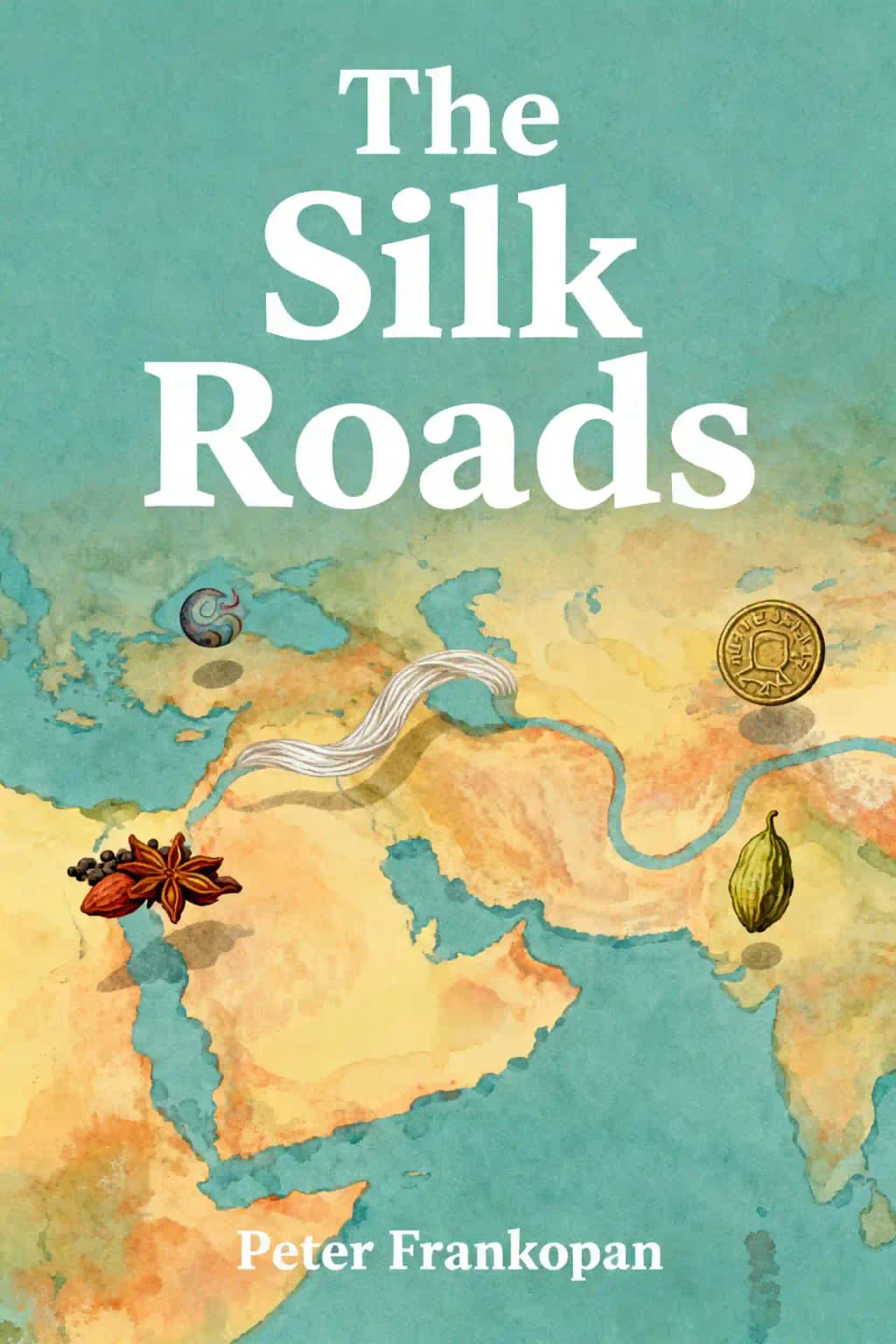
The Silk Roads
Peter Frankopan
A sweeping reinterpretation of world history, shifting focus to Central Asia as the pivotal region shaping global civilization.
Learn what cultural diffusions are, explore 5 real historical and modern examples, and discover why this process shapes globalization today.
At its core, cultural diffusions refer to the process where elements of one culture spread to another, shaping how societies eat, speak, and interact. This happens whenever different communities come into contact through trade, migration, or media. Instead of remaining isolated, societies borrow and adapt new tools, beliefs, and artistic styles from one another. From the spices in your kitchen to the language you speak, almost every aspect of daily life is a product of this historical blending. Understanding this process helps us see how interconnected human history truly is.
BeFreed offers AI-powered book summaries and podcasts that make exploring the rich history of cultural exchange accessible and efficient — so you can understand how civilizations shaped each other without reading a dozen textbooks.
Cultural diffusion is the active spread of cultural elements — such as food, language, technology, religion, and art — from one society to another. It occurs whenever distinct groups interact. Historically, this happened slowly through physical contact, trade routes, and human migration.
Today, digital media allows cultural traits to cross borders instantly. When a society adopts a new idea, they rarely copy it exactly. Instead, they blend it with their existing traditions to create something entirely new.
The main types of cultural diffusion are expansion diffusion and relocation diffusion. Each describes a different way that ideas move across geographic spaces.
Expansion diffusion happens when a trend spreads outward from its original source while still remaining strong there. This category breaks down into three sub-types. Contagious diffusion is rapid and widespread, much like a viral video sweeping the internet. Hierarchical diffusion occurs when an idea spreads from a person or place of power down to the broader public, such as high fashion trends moving from Paris runways to local retail stores. Stimulus diffusion involves an underlying principle spreading, but the specific trait is modified by the receiving culture — like fast-food menus adapting to local dietary laws in different countries.
Relocation diffusion is entirely different. It happens when people physically migrate to a new area and bring their culture with them. An example is the spread of specific culinary traditions as immigrant communities settle in new nations.
The Silk Roads connected civilizations across 4,000+ miles from China to the Mediterranean. These routes were far more than simple trade highways for spices, paper, and gunpowder. They were massive engines for cultural exchange.
In The Silk Roads by Peter Frankopan, we learn how religious ideas flowed freely across these paths, eventually blending Greek gods with Buddhist philosophies. Frankopan notes that the Mongol Empire essentially created the first globalized world simply by controlling these routes.
A sweeping reinterpretation of world history, shifting focus to Central Asia as the pivotal region shaping global civilization.
The numbers we use daily are a prime example of ideas crossing borders. The Hindu-Arabic numeral system originated in India before traveling to the Arab world.
Arab mathematicians adopted and refined the system, which eventually made its way into Europe through trade and conquest. This numerical diffusion completely transformed global science, commerce, and navigation by replacing the cumbersome Roman numeral system.
Coffee reached Europe by the 17th century, but only after spending centuries in Ethiopia and the Arab world. What began as a regional discovery soon became a global commodity.
As detailed in A History of the World in 6 Glasses by Tom Standage, the arrival of coffee in Europe changed society. Standage explains that coffeehouses birthed Enlightenment ideas by replacing alcohol with caffeine-driven clarity, serving as hubs for intellectual exchange.

An innovative journey through world history, exploring how six beverages shaped civilizations from ancient times to today.
English is a linguistic patchwork created by centuries of cultural blending. It began with Germanic roots but was heavily altered by outside forces.
About 45% of modern English vocabulary actually originates from French, largely due to the Norman conquest. Later, British colonialism spread the language globally, and American media dominance cemented it as a modern lingua franca.
Today, digital platforms accelerate cultural exchange at unprecedented speeds. Trends no longer take decades to cross oceans.
The K-pop industry alone generated over $10 billion in exports for South Korea, driven entirely by cultural diffusion via digital media. Similarly, Japanese anime and social media trends now cross international borders instantly, creating shared global subcultures.
Cultural diffusion matters for understanding globalization because it is the actual mechanism by which societies become interconnected. Historical trade patterns laid the groundwork for today's hyper-connected global economy.
This continuous exchange drives innovation by combining different ways of thinking. It creates hybrid cultures where traditions merge. However, it also raises complex questions about how to preserve local identities in a rapidly blending world.

Much of this exchange happens beneath the surface. In Beyond Culture by Edward Hall, the author introduces the Iceberg Model, revealing that 90% of culture is invisible beneath surface behaviors. High-context versus low-context communication styles often dictate how information and ideas are successfully shared across these global divides.
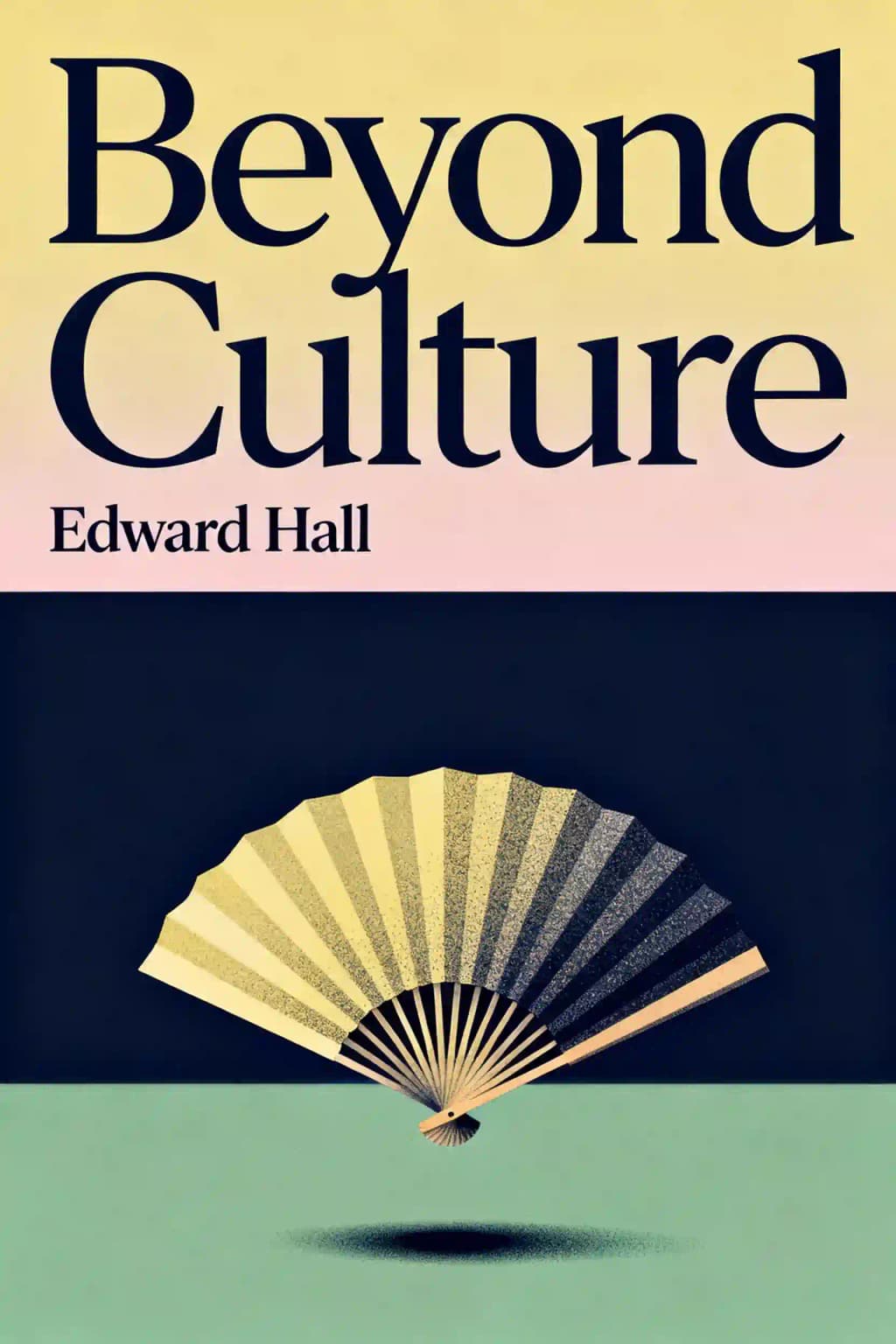
Uncover unconscious cultural biases to foster global understanding and personal growth.
The difference between cultural diffusion and cultural appropriation lies primarily in respect, context, and power dynamics. Cultural diffusion is a natural, often mutual exchange of ideas between societies.
Cultural appropriation occurs when a dominant culture takes elements from a marginalized culture without respect, credit, or understanding of their original meaning. While diffusion builds bridges and hybrid innovations, appropriation often strips sacred or significant practices of their context for commercial gain.
Understanding how societies blend and evolve is a massive undertaking, but BeFreed makes it accessible. Our platform offers AI-powered summaries and podcasts to help you explore world history and globalization efficiently.

You can uncover the recurring patterns of human civilization in Lessons of History by Will Durant & Ariel Durant, which explains how civilizations rise and fall in cycles shaped by competition and resource scarcity. By exploring BeFreed's curated library, you can quickly grasp the historical forces that continue to shape our modern world.

A concise exploration of human history's patterns and lessons, distilling wisdom from millennia of civilization's triumphs and failures.
The spread of ideas, food, and technology has always been the driving force behind human progress. From the ancient trade routes of the Silk Road to the modern digital algorithms pushing K-pop to global audiences, cultures rarely exist in isolation.
By recognizing these patterns of exchange, we gain a deeper appreciation for the diversity of our daily lives. Cultural blending is not just a historical footnote; it is an ongoing process that will continue to shape the future of our global society.

The Sociology of Trends and Subcultures
Understanding how fringe movements transform into mainstream phenomena is essential for marketers, sociologists, and cultural strategists. This plan provides a deep dive into the evolution of social identity and the mechanics of modern cultural influence.

Explore global societal evolution over time
This comprehensive history curriculum is essential for anyone seeking to understand the forces that shaped our modern world and continue to influence contemporary society. It's perfect for curious learners who want context for current events, students building foundational knowledge, professionals in fields like policy or journalism, or anyone interested in humanity's remarkable journey. By examining patterns across millennia, you'll gain invaluable perspective on where we've been and insight into where we might be heading.
Culture, society & power
This learning plan provides a critical lens for understanding the invisible forces that govern our social world and personal beliefs. It is essential for activists, social scientists, and anyone seeking to dismantle systemic inequality and drive meaningful societal change.

The Social Pulse: How Habits Shape History
This learning plan offers a deep dive into the hidden mechanics of cultural evolution and social architecture. It is ideal for sociologists, historians, and leaders interested in how individual behaviors scale into global movements and institutional structures.

History politics and cultur
This learning plan provides a comprehensive framework for understanding the invisible forces that govern our world. It is ideal for curious minds, aspiring policymakers, or anyone seeking to connect historical patterns with contemporary political and cultural shifts.

Capital, Culture, and the Global Pivot
This plan offers a unique historical lens on how specific cultural identities and state-building efforts shaped today's global economy. It is ideal for finance professionals, historians, or policy analysts seeking to understand the deep-rooted origins of modern markets and the rise of economic miracles.

Stardust to Civilization
This learning plan provides a high-level synthesis of Big History, connecting the dots between astrophysics, biology, and human sociology. It is ideal for lifelong learners and students seeking to understand the deep-time context of our current global challenges.

Asian Cinema: From Golden Ages to Global Waves
This learning plan offers a comprehensive look at the cultural and industrial forces that shaped the world's most influential film markets. It is ideal for film enthusiasts, cultural historians, and media students looking to understand how Asian narratives transitioned from local traditions to global dominance.