Why sex education is more than just biology
Young people often lack the facts to navigate relationships safely. Learn how a broader approach to sex ed builds consent and digital safety skills.
Why sex education is more than just biologyのベスト引用
Comprehensive Sexuality Education is not just a school lecture; it’s more like a survival toolkit for life. It’s about moving from fear to empowerment by giving young people the facts, values, and communication skills to navigate relationships with dignity, safety, and joy.
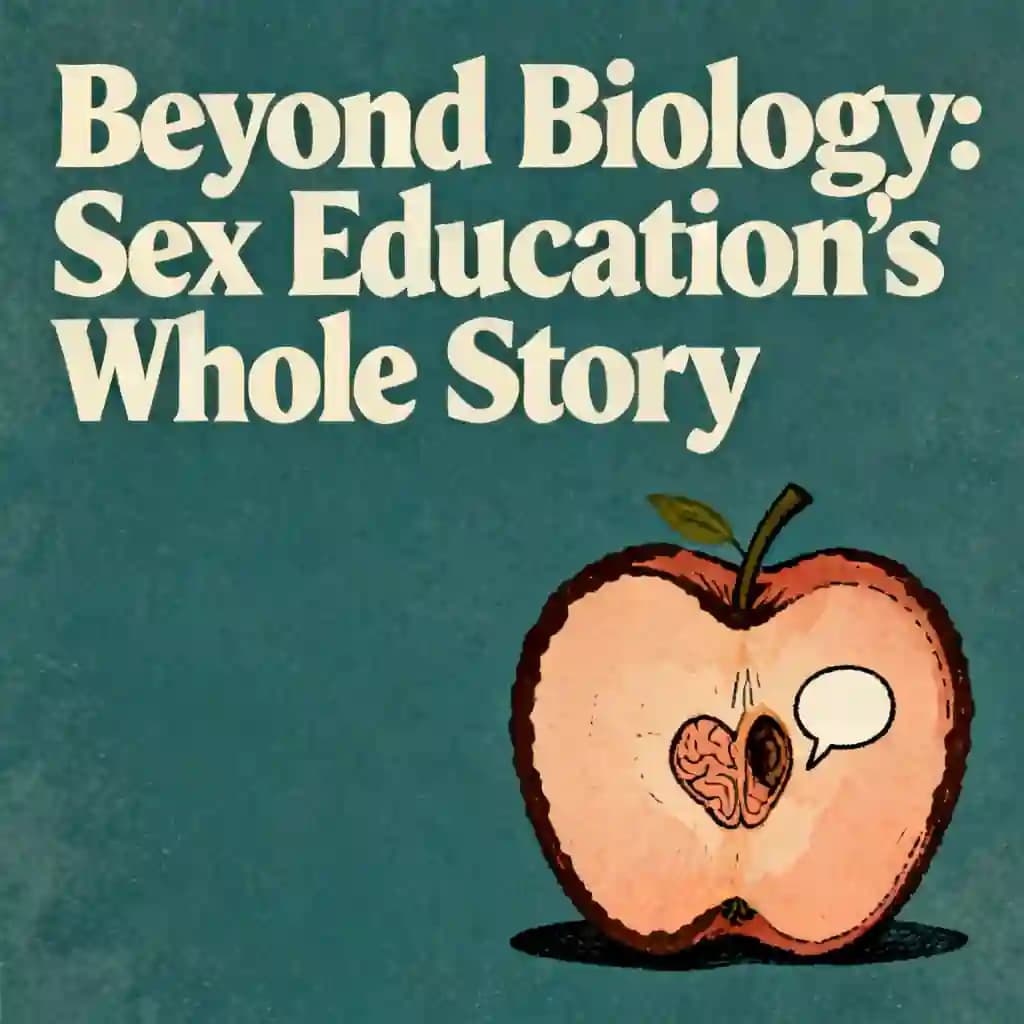
Generated by diachenkobohdan
Sex education



よくある質問
Comprehensive Sexuality Education goes far beyond basic biology or the "condom-on-a-banana" talk. It is a learner-centered process that addresses the cognitive, emotional, physical, and social aspects of sexuality. While traditional programs often focus strictly on anatomy or disease prevention, CSE provides a "survival toolkit" that emphasizes values like dignity, reciprocity, and empathy. It helps young people understand how their choices affect their own well-being and the well-being of others, providing a roadmap for building respectful relationships.
Research shows that sexuality education is five times more likely to succeed in preventing unintended pregnancies and STIs when it pays explicit attention to gender and power. By discussing who makes decisions in a relationship and who has the right to say no, CSE empowers students to navigate real-world risks. Furthermore, including sexual orientation and gender identity (SOGI) is a public health imperative; for 2SLGBTQIA+ youth, seeing themselves reflected in the curriculum is linked to a significant drop in suicidal ideation and creates a safer, more respectful environment for all students.
With over 70% of youth looking for sexuality information online, the internet has become a powerful but dangerous "third teacher." It is often a source of medical misinformation—such as influencer-led trends against birth control—and unrealistic expectations driven by pornography. CSE now includes "digital literacy" to help students navigate these spaces. This involves teaching them how to spot fake health information, understanding the "digital footprint" they leave behind, and recognizing that digital consent (such as not sharing intimate photos without permission) is just as vital as physical consent.
Experts suggest a "layered" approach where education starts early with age-appropriate concepts. For younger children, this means focusing on kindness, respect, and family structures, then gradually introducing complex topics like consent and HIV prevention as they grow. While a "team effort" between parents and teachers is ideal, studies show that both parents and adolescents often prefer having external specialists deliver the information. This creates a less formal, "shame-free" atmosphere where students feel more comfortable asking sensitive questions without the awkwardness of an existing power dynamic with a regular teacher.
コロンビア大学卒業生がサンフランシスコで開発
"Instead of endless scrolling, I just hit play on BeFreed. It saves me so much time."


"I never knew where to start with nonfiction—BeFreed’s book lists turned into podcasts gave me a clear path."


"Perfect balance between learning and entertainment. Finished ‘Thinking, Fast and Slow’ on my commute this week."
"Crazy how much I learned while walking the dog. BeFreed = small habits → big gains."
"Reading used to feel like a chore. Now it’s just part of my lifestyle."

"Feels effortless compared to reading. I’ve finished 6 books this month already."
"BeFreed turned my guilty doomscrolling into something that feels productive and inspiring."

"BeFreed turned my commute into learning time. 20-min podcasts are perfect for finishing books I never had time for."
"BeFreed replaced my podcast queue. Imagine Spotify for books — that’s it. 🙌"

"It is great for me to learn something from the book without reading it."
"The themed book list podcasts help me connect ideas across authors—like a guided audio journey."
"Makes me feel smarter every time before going to work"
 Ask ChatGPT
 Ask Claude
コロンビア大学卒業生がサンフランシスコで開発
"Instead of endless scrolling, I just hit play on BeFreed. It saves me so much time."
"I never knew where to start with nonfiction—BeFreed’s book lists turned into podcasts gave me a clear path."
"Perfect balance between learning and entertainment. Finished ‘Thinking, Fast and Slow’ on my commute this week."
"Crazy how much I learned while walking the dog. BeFreed = small habits → big gains."
"Reading used to feel like a chore. Now it’s just part of my lifestyle."
"Feels effortless compared to reading. I’ve finished 6 books this month already."
"BeFreed turned my guilty doomscrolling into something that feels productive and inspiring."
"BeFreed turned my commute into learning time. 20-min podcasts are perfect for finishing books I never had time for."
"BeFreed replaced my podcast queue. Imagine Spotify for books — that’s it. 🙌"
"It is great for me to learn something from the book without reading it."
"The themed book list podcasts help me connect ideas across authors—like a guided audio journey."
"Makes me feel smarter every time before going to work"
"Instead of endless scrolling, I just hit play on BeFreed. It saves me so much time."
"I never knew where to start with nonfiction—BeFreed’s book lists turned into podcasts gave me a clear path."
"Perfect balance between learning and entertainment. Finished ‘Thinking, Fast and Slow’ on my commute this week."
"Crazy how much I learned while walking the dog. BeFreed = small habits → big gains."
"Reading used to feel like a chore. Now it’s just part of my lifestyle."
"Feels effortless compared to reading. I’ve finished 6 books this month already."
"BeFreed turned my guilty doomscrolling into something that feels productive and inspiring."
"BeFreed turned my commute into learning time. 20-min podcasts are perfect for finishing books I never had time for."
"BeFreed replaced my podcast queue. Imagine Spotify for books — that’s it. 🙌"
"It is great for me to learn something from the book without reading it."
"The themed book list podcasts help me connect ideas across authors—like a guided audio journey."
"Makes me feel smarter every time before going to work"
"Instead of endless scrolling, I just hit play on BeFreed. It saves me so much time."
"I never knew where to start with nonfiction—BeFreed’s book lists turned into podcasts gave me a clear path."
"Perfect balance between learning and entertainment. Finished ‘Thinking, Fast and Slow’ on my commute this week."
"Crazy how much I learned while walking the dog. BeFreed = small habits → big gains."
"Reading used to feel like a chore. Now it’s just part of my lifestyle."
"Feels effortless compared to reading. I’ve finished 6 books this month already."
"BeFreed turned my guilty doomscrolling into something that feels productive and inspiring."
"BeFreed turned my commute into learning time. 20-min podcasts are perfect for finishing books I never had time for."
"BeFreed replaced my podcast queue. Imagine Spotify for books — that’s it. 🙌"
"It is great for me to learn something from the book without reading it."
"The themed book list podcasts help me connect ideas across authors—like a guided audio journey."
"Makes me feel smarter every time before going to work"