Weaving Life: The Rise of Smart Biomaterials
Explore the frontier of material engineering where synthetic fibers mimic human nerves to sense, heal, and regrow the body from the inside out.

Weaving Life: The Rise of Smart Biomaterialsのベスト引用
We’re moving toward a future where 'material' is a verb, not a noun. It’s something that does, not just something that is.
Generated by Kira
Material engineering, applications in biology and bionics

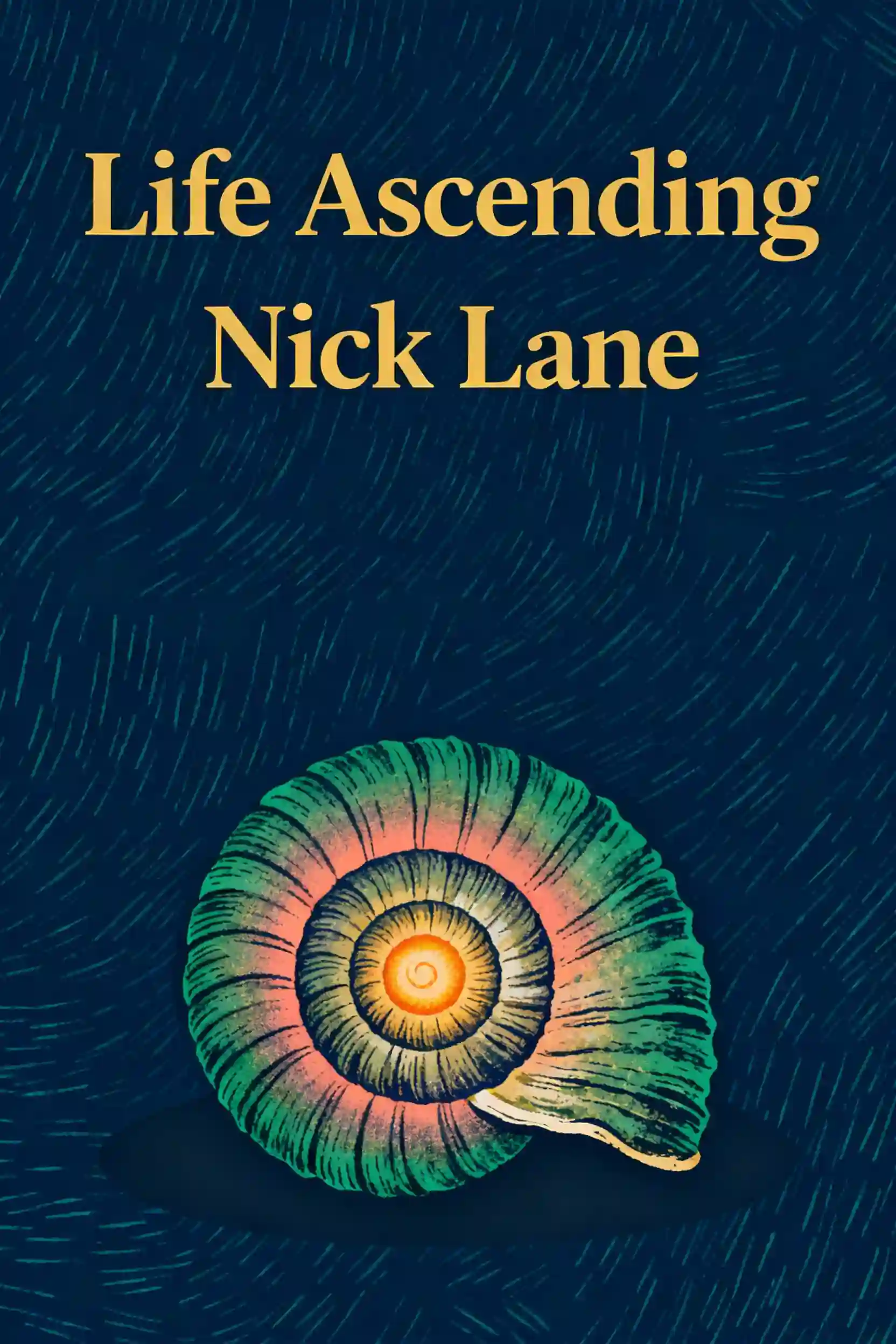
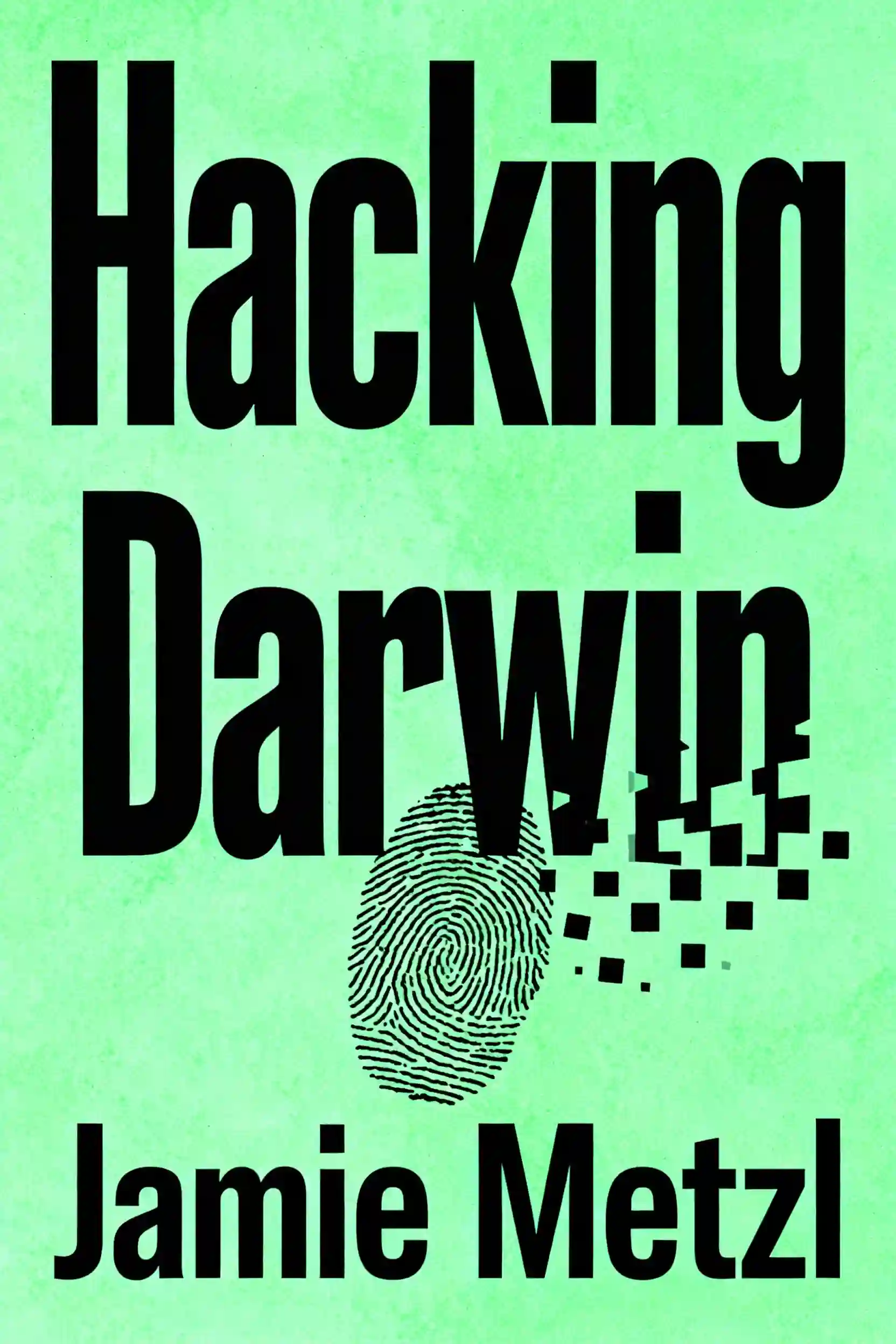
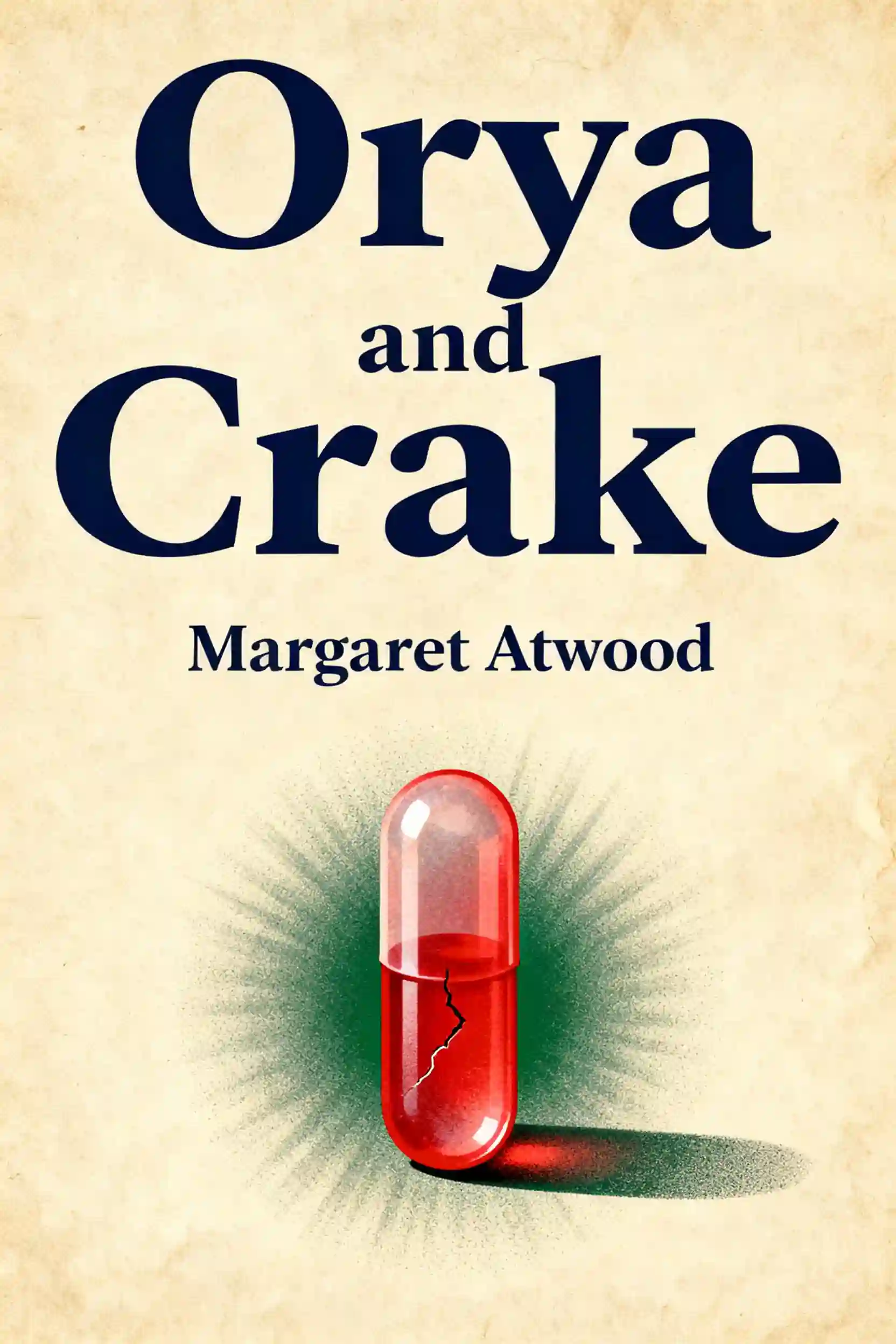
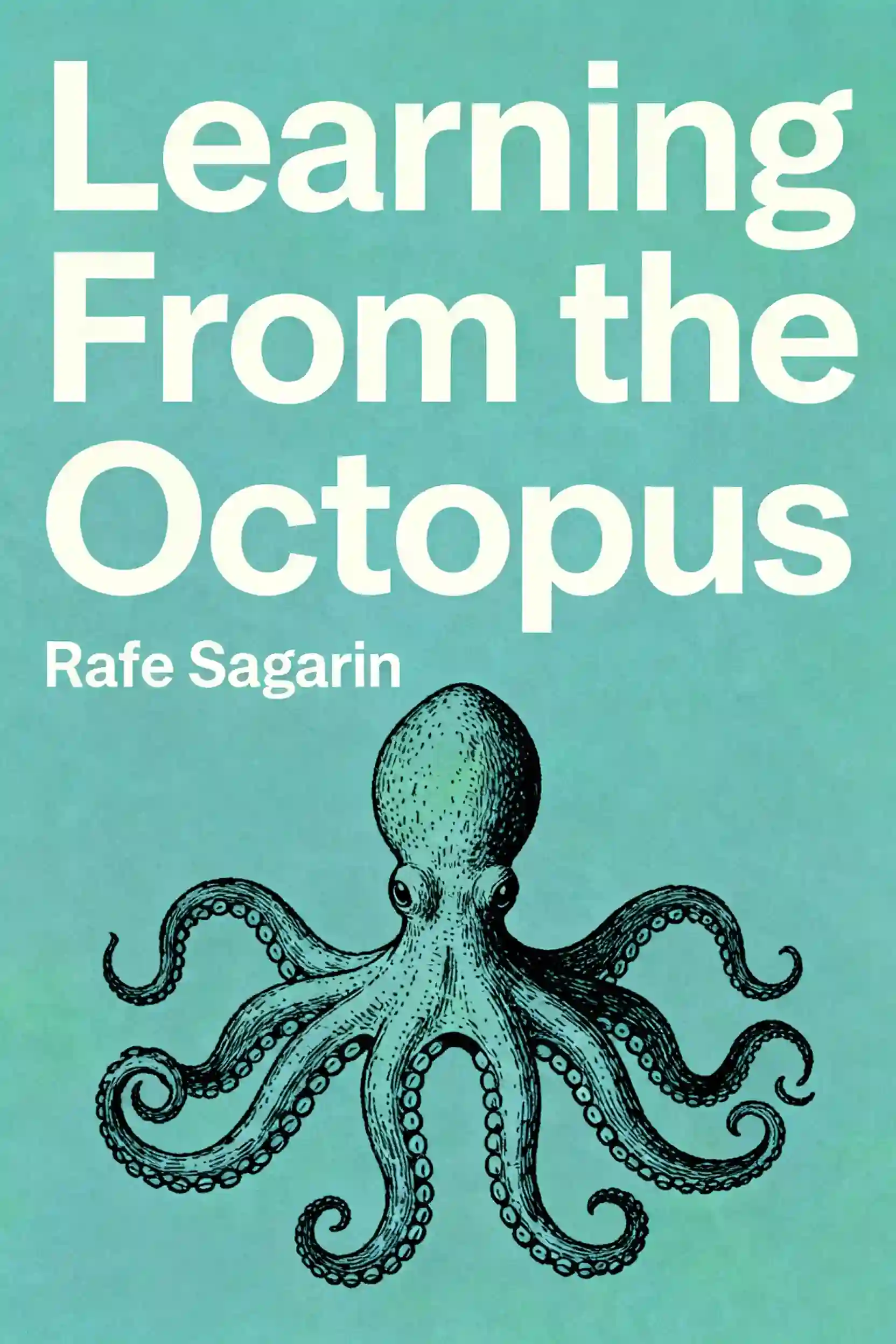
よくある質問
Janus materials are engineered with two distinct "faces" to handle different biological requirements simultaneously. In the context of tendon repair, one side of the material is designed to be highly adhesive using chemical bonds to grip the damaged tissue and distribute mechanical stress. The opposite side is engineered to be "superhydrophobic" or slippery, mimicking a lotus leaf to prevent cells from sticking to it. This dual functionality allows the tendon to heal securely on one side while gliding smoothly against surrounding tissues on the other, preventing the internal scarring known as tissue adhesion.
These fibers are designed as one-dimensional structures that mimic the compactness and data-carrying capacity of biological nerves. Using a high-tech "thermal drawing process," researchers can shrink complex blueprints of metals, insulators, and semiconductors into a single fiber thinner than a human hair. These fibers can simultaneously detect different types of input—such as "strain" (proprioception) and "pressure" (touch)—without the signals interfering with one another. This allows a prosthetic limb or robot to perceive its position and its environment through a single, integrated pathway rather than a messy bundle of individual sensors.
Mechano-immunotherapy refers to materials that use mechanical properties and chemical signaling to actively manage the body's immune response. For example, some hydrogels use a positive surface charge to physically trap and kill bacteria like MRSA without relying solely on antibiotics. Simultaneously, these materials can release "exosomes" (messenger bubbles from stem cells) that communicate with the immune system's macrophages. These signals "reprogram" the macrophages from a pro-inflammatory state that causes scarring into a pro-healing state that promotes the growth of new blood vessels and tissue regeneration.
AI, specifically convolutional neural networks, is used to decode the massive amounts of data generated by "smart" synthetic skins and fibers. Instead of a user having to manually control every movement of a prosthetic, the AI learns to recognize specific electrical muscle patterns associated with gestures like "rock, paper, scissors" or an "OK" sign. Furthermore, by using "neuromorphic" perception, the system mimics the human brain by only transmitting "spikes" of data when a change is detected. This makes the interface between the human mind and the machine feel more intuitive and energy-efficient.
"Instead of endless scrolling, I just hit play on BeFreed. It saves me so much time."


"I never knew where to start with nonfiction—BeFreed’s book lists turned into podcasts gave me a clear path."


"Perfect balance between learning and entertainment. Finished ‘Thinking, Fast and Slow’ on my commute this week."
"Crazy how much I learned while walking the dog. BeFreed = small habits → big gains."
"Reading used to feel like a chore. Now it’s just part of my lifestyle."

"Feels effortless compared to reading. I’ve finished 6 books this month already."
"BeFreed turned my guilty doomscrolling into something that feels productive and inspiring."

"BeFreed turned my commute into learning time. 20-min podcasts are perfect for finishing books I never had time for."
"BeFreed replaced my podcast queue. Imagine Spotify for books — that’s it. 🙌"

"It is great for me to learn something from the book without reading it."
"The themed book list podcasts help me connect ideas across authors—like a guided audio journey."
"Makes me feel smarter every time before going to work"
"Instead of endless scrolling, I just hit play on BeFreed. It saves me so much time."
"I never knew where to start with nonfiction—BeFreed’s book lists turned into podcasts gave me a clear path."
"Perfect balance between learning and entertainment. Finished ‘Thinking, Fast and Slow’ on my commute this week."
"Crazy how much I learned while walking the dog. BeFreed = small habits → big gains."
"Reading used to feel like a chore. Now it’s just part of my lifestyle."
"Feels effortless compared to reading. I’ve finished 6 books this month already."
"BeFreed turned my guilty doomscrolling into something that feels productive and inspiring."
"BeFreed turned my commute into learning time. 20-min podcasts are perfect for finishing books I never had time for."
"BeFreed replaced my podcast queue. Imagine Spotify for books — that’s it. 🙌"
"It is great for me to learn something from the book without reading it."
"The themed book list podcasts help me connect ideas across authors—like a guided audio journey."
"Makes me feel smarter every time before going to work"
"Instead of endless scrolling, I just hit play on BeFreed. It saves me so much time."
"I never knew where to start with nonfiction—BeFreed’s book lists turned into podcasts gave me a clear path."
"Perfect balance between learning and entertainment. Finished ‘Thinking, Fast and Slow’ on my commute this week."
"Crazy how much I learned while walking the dog. BeFreed = small habits → big gains."
"Reading used to feel like a chore. Now it’s just part of my lifestyle."
"Feels effortless compared to reading. I’ve finished 6 books this month already."
"BeFreed turned my guilty doomscrolling into something that feels productive and inspiring."
"BeFreed turned my commute into learning time. 20-min podcasts are perfect for finishing books I never had time for."
"BeFreed replaced my podcast queue. Imagine Spotify for books — that’s it. 🙌"
"It is great for me to learn something from the book without reading it."
"The themed book list podcasts help me connect ideas across authors—like a guided audio journey."
"Makes me feel smarter every time before going to work"
"Instead of endless scrolling, I just hit play on BeFreed. It saves me so much time."
"I never knew where to start with nonfiction—BeFreed’s book lists turned into podcasts gave me a clear path."
"Perfect balance between learning and entertainment. Finished ‘Thinking, Fast and Slow’ on my commute this week."
"Crazy how much I learned while walking the dog. BeFreed = small habits → big gains."
"Reading used to feel like a chore. Now it’s just part of my lifestyle."
"Feels effortless compared to reading. I’ve finished 6 books this month already."
"BeFreed turned my guilty doomscrolling into something that feels productive and inspiring."
"BeFreed turned my commute into learning time. 20-min podcasts are perfect for finishing books I never had time for."
"BeFreed replaced my podcast queue. Imagine Spotify for books — that’s it. 🙌"
"It is great for me to learn something from the book without reading it."
"The themed book list podcasts help me connect ideas across authors—like a guided audio journey."
"Makes me feel smarter every time before going to work"


![[382331c9-d31a-42fc-b6fc-e61aff504967:c0000] There's a really deep and interesting thing about plenari… p1-1](/_next/image?url=https%3A%2F%2Fd1y2du6z1jfm9e.cloudfront.net%2Fassets%2Fpodcast%2Fgreen.png&w=1024&q=50)
![[382331c9-d31a-42fc-b6fc-e61aff504967:c0002] There's a really deep and interesting thing about plenari… p1-1](/_next/image?url=https%3A%2F%2Fd1y2du6z1jfm9e.cloudfront.net%2Fassets%2Fpodcast%2Fpurple.png&w=1024&q=50)