正直、まだアプリを使いこなせていませんが、この数日使っただけで本当に感動しました… BeFreed は、今まで使ったどの学習アプリともレベルが違います。夢中になれるうえに集中力も実際に上がるので、スマホをだらだら見てしまう人にぴったりです!
@ladyInfinity
Traditional prosthetics feel rigid because the leg does the thinking. Learn how new neural interfaces let the brain take control for natural movement.

The prosthetic stops being a tool and starts being an organ. When the sensory feedback matches the motor intent, the brain stops seeing the prosthetic as an 'other' and starts seeing it as 'self.'
Neuroscience and bionics

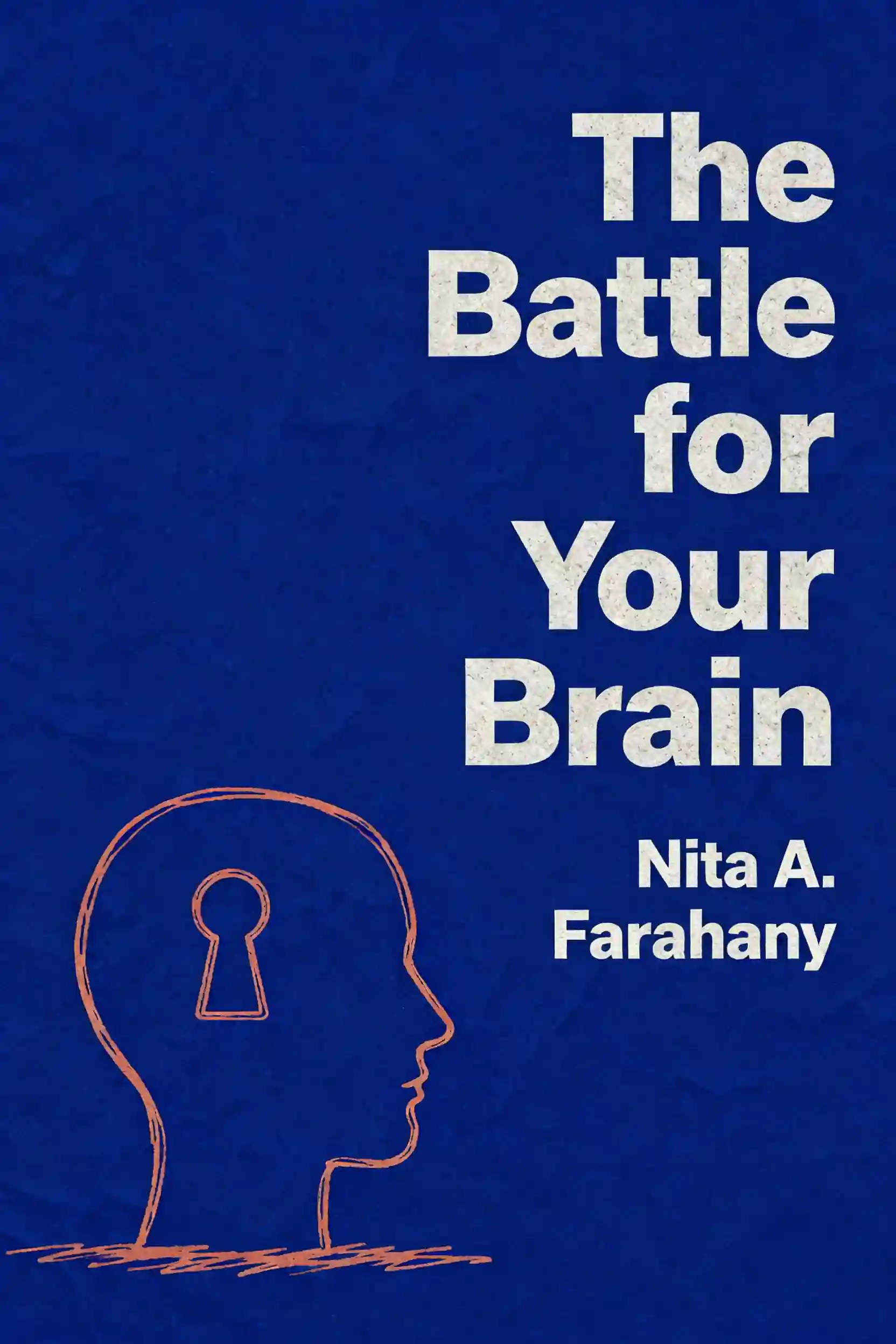
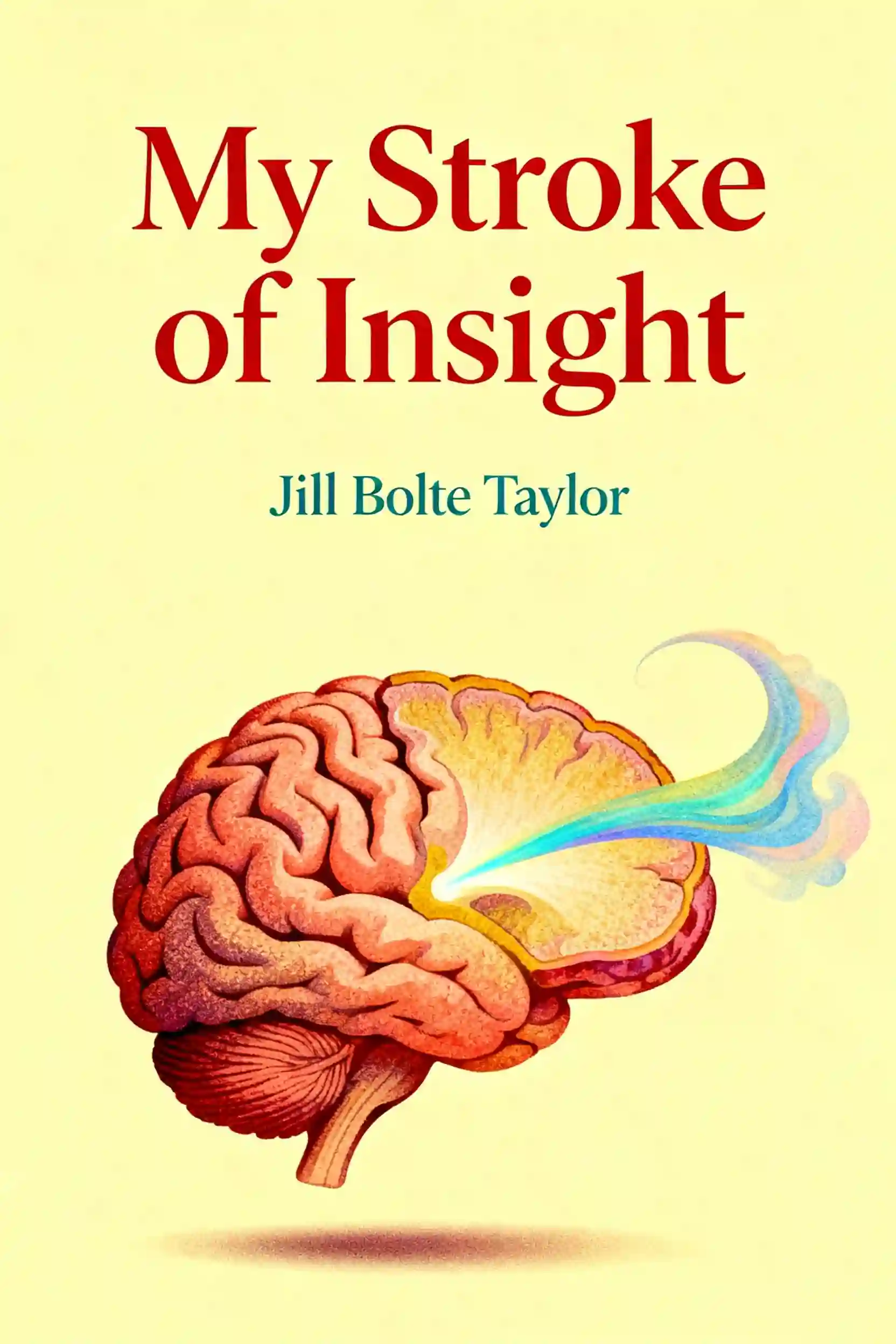
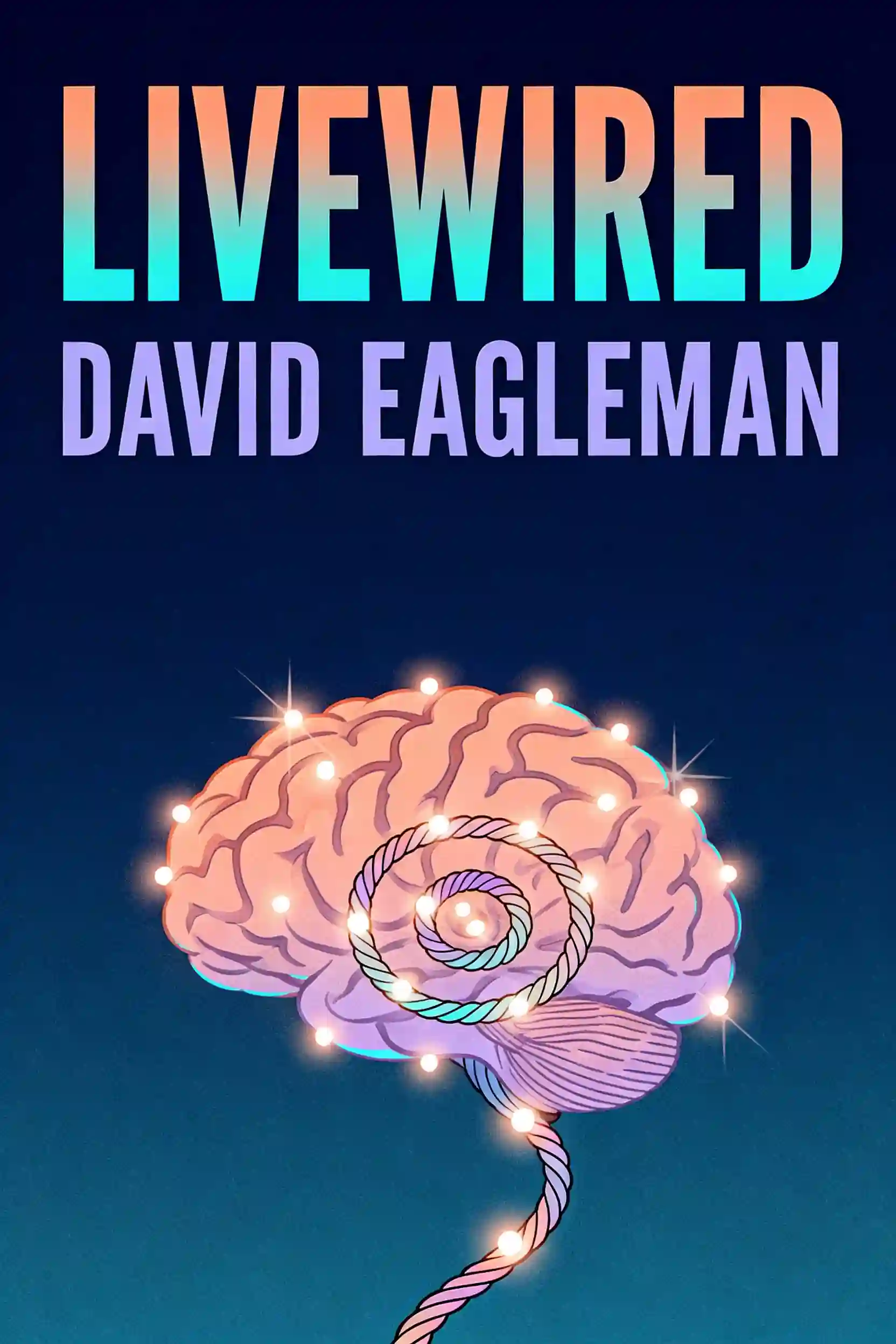
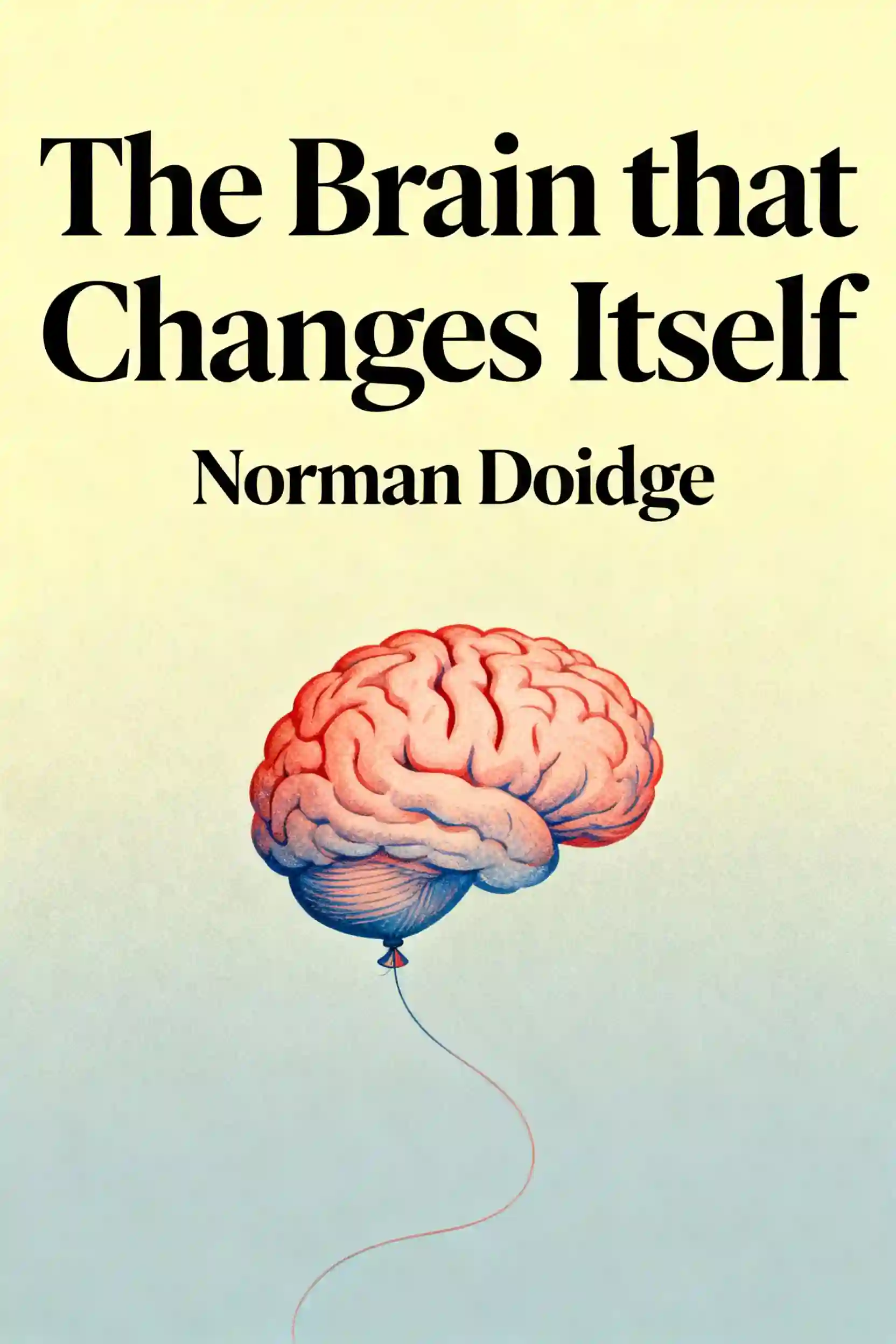
Most traditional robotic prosthetics rely on intrinsic control, where the sensors and processors within the leg "do the thinking" by reacting to physical changes like ground contact. This often results in a lag and makes it difficult for users to perform fluid movements like stepping over curbs. In contrast, the MIT breakthrough in continuous neural control uses the Agonist-Antagonist Myoneural Interface (AMI) to create a sensory loop. This allows the person’s brain to drive the movement directly, resulting in walking speeds 41% faster than traditional prosthetics and matching biological levels.
AMI surgery, or Agonist-Antagonist Myoneural Interface, works by surgically linking muscle pairs in the residual limb so that when one muscle contracts, the other stretches. In a biological limb, this stretch sends a signal to the brain called proprioception, which is the internal sense of where a limb is in space. By restoring this natural feedback loop, the brain receives an 18% boost in sensory feedback, allowing the user to know where their prosthetic is without having to look down at it.
Recent research into "perilesional" neuromodulation is challenging the idea that a complete injury is the end of recovery. By using Epidural Electrical Stimulation (EES) both above and below the site of the injury, researchers have been able to "bridge" the damaged section of the spinal cord. This technique wakes up dormant neural pathways, allowing participants to not only feel the position of their legs but also achieve intentional motor control during tasks like treadmill walking.
This is achieved through a Brain-Machine Interface (BCI) that uses a Recurrent Neural Network (RNN) to decode brain activity. Instead of looking for a simple "move" command, the RNN analyzes the complex patterns of electrical noise in the motor cortex associated with ten-finger typing. By layering a "5-gram language model" (similar to advanced auto-correct) over the neural data, the system can predict intended keystrokes with 98.4% accuracy, even if the user's physical connection to their fingers is broken.
The "Illusion of the Smooth Glide" refers to a phenomenon where discrete electrical pulses sent to the somatosensory cortex are perceived by the brain as continuous motion. By stimulating electrodes that are close together in a specific sequence, researchers can trick the brain into feeling a sensation sliding across a palm or fingertip. This allows users of bionic hands to feel nuance, such as a steering wheel beginning to slip through their grip, allowing them to react instinctively rather than relying on visual cues.
コロンビア大学卒業生が開発 | サンフランシスコ発
平均評価
7,840件以上のアプリ評価
BeFreedコミュニティ
正直、まだアプリを使いこなせていませんが、この数日使っただけで本当に感動しました… BeFreed は、今まで使ったどの学習アプリともレベルが違います。夢中になれるうえに集中力も実際に上がるので、スマホをだらだら見てしまう人にぴったりです!
@ladyInfinity
ちょうど 23 日前に BeFreed を購入して、それから毎日欠かさず使っています。仕事の流れと学習習慣に完全に溶け込みました。
@jayallen
正直なところ、このアプリは期待をすべて超えてきました。どんなテーマでも音声を生成してもらえて、その結果には驚かされます。私の専門は心理療法で、多分野にまたがる領域ですが、それでも回答はとても正確です。
@Raguipa
何よりありがたいのは、スマホをだらだら見る時間が減ったことです。探す時間が減って、吸収する時間が増えました。オーディオブック、ポッドキャスト、学習プランの組み合わせが素晴らしいです。
@colonyofcreatorsNGO
私は 24 年間、PhotoReading 加速学習のインストラクターをしています… 本と読書と学びが私の専門ですが、BeFreed は情報を消化しやすい形で届ける革新的なアプローチを見事に実現しています。
@BeFreed user
ただの本の要約アプリではありません。「ファン」スタイルを使ってみたら、従来のやり方よりずっと良い要約で、アイデアもつかみやすいです。これだけでも十分元が取れます。
@austinakon
このアプリが大好きです。数日使っただけで、聞くのが止まらなくなりました。始め方として最高です。
@jcrules328
本当に気に入っています。約 1 か月試していますが、まさに掘り出し物だと感じます。BeFreed で自分だけのテーマを作れるのが便利で、声も素晴らしく、ナレーションの選択肢は無限です。
@DanielCZ
役立つ情報やアイデアを 8〜15 分のポッドキャスト風音声にぎゅっとまとめて聞けるのが最高です。ポッドキャストは余計な話が多くて苦手でしたが、これは無駄を全部そぎ落としてくれます。
@BeFreed user
博士課程の仕上げの段階で、なじみのない資料を大量に読む必要があります… BeFreed ならプロンプトを入力するだけで、アプリが資料を探して音声ポッドキャストを作ってくれます。BeFreed のほうが NotebookLM よりも流れがスムーズだと感じます。
@Brad
朝食を作りながら、散歩しながら、通勤しながら聞くものを YouTube でよく探していましたが、BeFreed は広告も余計な話もなしで、もっと的を絞った聞き方をさせてくれます!
@BeFreed user
このプラットフォームの一番の魅力は、その万能さです。扱えないテーマは文字どおりひとつもありません。何を投げても応えてくれます… 制限がまったくないのに約束をきちんと果たしてくれる学習ツールには、なかなか出会えません。
@jayallen
BeFreed は素晴らしいです。使いやすいデザインのおかげで、操作に迷う時間が減り、学ぶ時間が増えました。オーディオブック、ポッドキャスト、学習プランの組み合わせは天才的で、毎日の習慣がすっかり変わりました。
@BeFreed user
最初はイタリア語でポッドキャストを作る方法を理解するのに少し時間がかかりましたが、わかった瞬間、最高でした!どんなテーマでも説明してもらえて、しかもとても賢く、うまく話してくれます!
@matteo77
BeFreed は毎日使うオーディオブックアプリになりました… 一番気に入っているのは、自分のテキストを入れると、外出先でも聞ける音声にしてくれるところです。
@kotanzu1




As neurotechnology moves from clinical settings to consumer markets, the legal and ethical landscape is shifting rapidly. This guide is essential for product designers, engineers, and policy experts who need to navigate new privacy laws and build trustworthy neural interfaces.

This program bridges the gap between cognitive science and practical problem-solving for professionals in creative and strategic roles. It is ideal for designers, engineers, and leaders looking to harness the brain's physical adaptability to foster a culture of breakthrough thinking.

This learning plan bridges the gap between biological architecture and complex human behavior. It is designed for students, researchers, or healthcare professionals seeking a comprehensive understanding of how modern technology and clinical case studies inform our knowledge of the mind.

This learning plan bridges the gap between neuroscience and physical training to optimize muscle recruitment and growth. It is essential for strength coaches, physical therapists, and advanced athletes looking to refine their programming through a deeper understanding of neuromuscular physiology.

This plan is essential for high-performers struggling with digital distraction and professional stagnation. It is designed for individuals looking to reclaim their cognitive sovereignty and transform their self-concept through evidence-based neurobiology.

As we approach the threshold of artificial superintelligence, understanding the structural logic of our reality becomes essential for future-proofing our ethics. This plan is designed for technologists, philosophers, and futurists who want to explore the profound implications of living in a world defined by bits rather than biology.

This learning plan is essential for individuals dealing with persistent pain or sensory sensitivity that lingers beyond physical injury. It is designed for those seeking to understand the mind-body connection and use neuroplasticity to reclaim their quality of life.

This learning plan bridges the gap between philosophy of mind and cutting-edge technology, addressing the most profound questions of the digital age. It is ideal for tech enthusiasts, philosophy students, and anyone curious about the future of human and machine intelligence.