BeFreed
    Categories>Leadership & Corp Culture>The Leadership Question You're Asking Wrong

    The Leadership Question You're Asking Wrong

    43分
    |
    |
    2026年2月19日
    Leadership & Corp CultureCareer & Business

    Discover why decades of research shows we've been thinking about leadership backwards—and the specific, learnable skills that actually create effective leaders.

    The Leadership Question You're Asking Wrong
    聴き方を選ぶ

    1つのエピソード。いろいろな聴き方。

    The Leadership Question You're Asking Wrongの同じアイデアを、あなたに合う声・深さ・ペースで。いつでも切り替えられます。

    文字起こしとチャプター

    チャプター 1

    The Leadership Question We're Asking Wrong

    Lena: Hey Miles, I've been thinking about something that's been bugging me. Everyone talks about wanting to be a "better leader," but what if we're asking the wrong question entirely?

    Miles: Oh, that's interesting. What do you mean by the wrong question?

    Lena: Well, here's what got me thinking. The Center for Creative Leadership has been studying this for decades, and they found something that completely flips our usual thinking. Most people assume leadership is about one strong, charismatic person calling the shots, right?

    Miles: Right, that's definitely the classic image we have.

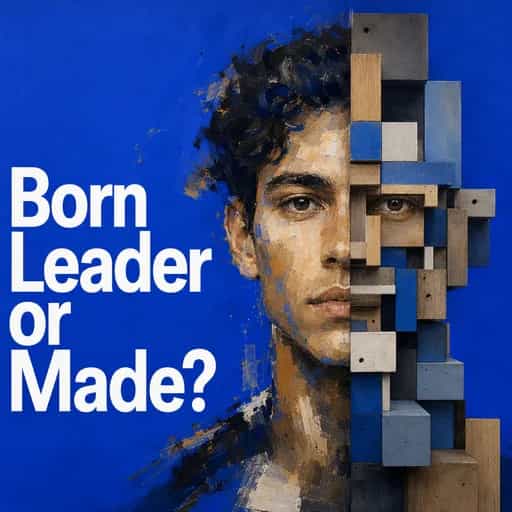
    Lena: But their research shows leadership is actually a social process—it's about groups of people working together to achieve results. And here's the kicker: they found that leaders are made, not born. Which means everything we think we know about "natural-born leaders" might be completely backwards.

    Miles: That's fascinating! So instead of asking "How do I become more commanding," we should be asking "How do I help my team succeed together?"

    Lena: Exactly! And it turns out there are some specific, learnable qualities that make this happen. So let's dive into what real leadership actually looks like in practice.

    チャプター 2

    The Evidence Behind Leadership Myths

    Miles: You know, this idea that leadership is learnable rather than innate—it really challenges some deep assumptions we have. But what does the actual research tell us about this?

    Lena: That's where it gets really interesting. The CIPD did this massive evidence review looking at what makes people managers actually effective, and the findings are pretty eye-opening. They found that people managers—whether you call them line managers or middle managers—have this huge impact on organizational outcomes that most companies completely underestimate.

    Miles: What kind of impact are we talking about?

    Lena: We're talking about everything from employee wellbeing and engagement to actual performance metrics, innovation rates, even how successfully organizations implement major changes. The research shows that capable, well-supported people managers directly influence HR outcomes like commitment, absenteeism, turnover—all the stuff that hits the bottom line.

    Miles: So these aren't just the flashy CEO-type leaders we read about in business magazines. We're talking about the everyday managers who actually run teams.

    Lena: Exactly! And here's what's really striking—the research found that these managers are often seen as this "resistant layer of permafrost" that senior leaders struggle to break through. You know, like they're just bureaucratic obstacles. But the academic research paints a completely different picture. These people managers are actually the lifeblood of most organizations.

    Miles: That's such a disconnect, isn't it? Between how we perceive middle management and what they actually contribute.

    Lena: Absolutely. And it gets even more interesting when you look at what makes them effective. The research identified several key factors, and they're not what you might expect. Leadership style matters, sure—transformational leadership increases work engagement, supportive leadership builds commitment. But the real game-changers are things like having good people skills, adequate time to actually manage, and organizational support.

    Miles: Wait, adequate time? That seems so basic.

    Lena: Right? But here's the thing—the research shows that when managers spend more than 30% of their time on non-managerial work, their team's performance suffers. Think about that. If a manager is constantly pulled into doing the work their team should be doing, they can't actually lead effectively.

    Miles: That makes total sense. You can't coach someone if you're too busy doing their job for them.

    Lena: Exactly. And this connects to another crucial finding about span of control. There's no magic number for how many people someone should manage, but there is a clear principle: managers need enough time to spend with each team member to be effective. When that gets stretched too thin, leadership effectiveness drops off.

    Miles: So it's not just about having the right personality or charisma. It's about having the right conditions to actually do the leadership work.

    Lena: That's exactly right. And this is where the research gets really practical. The CIPD study found that the most effective people managers have strong communication skills, can build trust and psychological safety within their teams, and are skilled at mentoring, coaching, and conflict resolution. These are all learnable skills.

    Miles: Which brings us back to that fundamental point—leadership really is developable. But I'm curious about something else. We keep talking about these research findings, but how do we know they actually translate into better leadership in practice?

    Lena: Great question. And that's where some fascinating meta-analysis research comes in. There have been systematic reviews looking at leadership training programs, and the results are pretty compelling. Leadership training can have positive impacts on communication skills, goal-setting ability, motivation techniques, change management—all the practical stuff leaders need to do every day.

    Miles: But I imagine not all leadership training is created equal, right?

    Lena: Oh, absolutely not. Here's where it gets really interesting. The research shows that leadership training effects are subject to diminishing returns. Managers who already use good leadership techniques don't gain as much from additional training as those who don't. Which suggests we should be targeting development especially at less capable or less experienced leaders, not just throwing more training at people who are already performing well.

    Miles: That's counterintuitive. We often want to invest in our top performers.

    Lena: Right, but think about it this way—if someone's already effective, the incremental improvement from more training might be small. But if someone's struggling or new to leadership, the potential for improvement is huge. And that improvement can have ripple effects throughout their entire team.

    Miles: So we're not just talking about individual development. We're talking about systemic impact across the organization.

    Lena: Exactly. And that leads us to another crucial insight from the research. The most effective leadership development isn't just about the individual programs. It's about creating what some researchers call an "optimizing system"—basically, all the factors that support leadership development before, during, and after formal training.

    このエピソードで学びを深める

    このエピソードのアイデアを、BeFreedのガイド付き学習体験でさらに深めましょう。

    チャプター 3

    The Transfer Problem That Kills Leadership Development

    Lena: Miles, here's something that really caught my attention in the research. Even when leadership development programs are well-designed and people love them, there's this massive problem that most organizations completely ignore.

    Miles: What's that?

    Lena: It's called the "transfer problem." Basically, the research shows that as few as five percent of participants in leadership development programs successfully apply what they learn back at work. Five percent! Can you imagine investing all that time and money and getting such dismal results?

    Miles: That's shocking. What's going wrong?

    Lena: Well, it turns out the issue isn't usually with the training itself. It's what happens—or doesn't happen—when people return to their regular work environment. The research shows that the workplace can "untrain" people far more efficiently than even the best training department can train them.

    Miles: So it's an organizational culture issue, not a curriculum issue.

    Lena: Exactly. And this is where some really important research comes in. Studies show that participants' organizational cultures have to be conducive to change, or even outstanding development programs based on gold-standard evidence will underperform or fail. The research suggests that application strategies before and after programs are actually more impactful on outcomes than the program content itself.

    Miles: That's a pretty radical idea. So we're spending all this energy perfecting the training, when we should be focusing on what happens outside the training room?

    Lena: That's exactly what the evidence suggests. And it gets more specific. The research identifies several key barriers that prevent leadership learning from transferring to actual practice. Things like conflicting internal priorities, inflexible processes that inhibit change, lack of senior leadership support, insufficient resources, or simply not having adequate time to implement changes.

    Miles: Those sound like pretty common organizational realities, unfortunately.

    Lena: They are! And that's why the research emphasizes the importance of what's called a "barriers and enablers assessment" before leadership development even begins. Organizations need to identify what might inhibit achieving desired outcomes and what they can leverage to maximize results.

    Miles: So it's like doing an environmental scan before you plant seeds.

    Lena: That's a perfect analogy. And the research shows some specific strategies that help overcome these barriers. For instance, having participants share their program goals and progress with what's called an "accountability team"—their supervisors, colleagues, even fellow participants. This creates social pressure to actually apply what they're learning.

    Miles: Interesting. So it's not just individual motivation, it's social accountability.

    Lena: Right. And there's another fascinating finding about timing. The research shows that leadership development is most effective when it includes opportunities for participants to apply their learning during the program, not just after it's over. When people can test new concepts in real situations and then discuss what happened with peers and facilitators, the learning sticks much better.

    Miles: That makes sense. You get immediate feedback on whether something actually works in your context.

    Lena: Exactly. And this connects to another key insight about program design. The most effective leadership development combines multiple learning methods—structured lessons, tutorials, reflective learning—and uses various instruction methods like lectures, group work, and action learning projects. But here's the crucial part: it has to include opportunities for practice linked to real-world situations.

    Miles: So we're talking about experiential learning, not just classroom learning.

    Lena: Yes, but with a twist. The research emphasizes that for practice exercises to be effective, learners need to feel psychologically safe. They need to be able to experiment with new behaviors without fear of being punished or humiliated if they don't get it right immediately.

    Miles: That psychological safety piece keeps coming up in leadership research, doesn't it?

    Lena: It does, and for good reason. The research shows that organizations need to create what's called a "safe learning climate" where people feel accepted, respected, and supported to develop and apply their learning in day-to-day work. This includes providing recognition, feedback, mentorship, and support—all things that motivate people to actually use what they've learned.

    Miles: So it's not enough to just send someone to leadership training and hope for the best.

    Lena: Not at all. The research suggests that organizations need to communicate that good leadership is valuable throughout the organization and that developing it is an ongoing priority, not a one-shot event. These principles need to be embedded into organizational processes and culture.

    Miles: This is starting to paint a picture of leadership development as a much more comprehensive organizational commitment than most companies probably realize.

    Lena: That's exactly right. And it raises some important questions about how we typically approach leadership development. Are we setting people up for success, or are we essentially setting them up to fail by not addressing these environmental factors?

    チャプター 4

    What Gold-Standard Programs Actually Do Differently

    Miles: Okay, so we've established that most leadership development fails because of transfer problems, not because of bad content. But what about the programs that actually work? What are they doing differently?

    Lena: That's where some really rigorous research comes in. There have been systematic literature reviews that identified what they call "gold-standard" elements of leadership development programs—basically, the components that are linked to the best outcomes based on high-quality evidence.

    Miles: What did they find?

    Lena: Well, first off, they found that effective programs start way before anyone enters a training room. Gold-standard programs begin with a comprehensive needs and gaps analysis involving key stakeholders. They're not using off-the-shelf solutions—they're customizing everything based on actual organizational needs and priorities.

    Miles: So they're solving real problems, not theoretical ones.

    Lena: Exactly. And they use what's called an "outcomes-based design approach." Instead of starting with "What should we teach?" they start with "What specific outcomes do we need to achieve?" Then they work backwards to design everything—content, activities, evaluation—around achieving those outcomes.

    Miles: That seems so obvious, but I bet most programs don't work that way.

    Lena: You're right, they don't. And here's another key difference: gold-standard programs have explicit, customized goals that are aligned with the organization's strategic priorities. They're not vague about what they're trying to accomplish.

    Miles: What about the actual content and delivery? What makes those different?

    Lena: The research found some fascinating patterns. For faculty and speakers, the most effective programs use mixed teams—both internal and external people, and both subject matter experts and practitioners. Having internal faculty demonstrates organizational commitment and makes the content more relevant to the shared professional context. But external faculty brings fresh perspectives and professional facilitation skills.

    Miles: So it's not either-or, it's both-and.

    Lena: Exactly. And when it comes to developmental activities, gold-standard programs offer a variety of approaches. The research identified five main categories: individual components like assessments and goal-setting, educational components like lectures and case studies, experiential activities like simulations and projects, relational learning like coaching and mentoring, and supporting resources.

    Miles: That's pretty comprehensive. But how do they decide which activities to use?

    Lena: Here's what's really smart about gold-standard programs—they select activities specifically based on their utility to achieve the program goals. It's not random. And they embed these activities in what are called "reflective" or "experiential learning cycles."

    Miles: What does that mean?

    Lena: Basically, it means they don't just throw people into an activity and hope for the best. There's a structured sequence: participants set goals for the activity, experience it, get performance feedback, discuss what happened, reflect on lessons learned, and then potentially repeat the cycle with adjustments. This accelerates learning and helps people progress toward actual mastery.

    Miles: So there's intentional scaffolding around each learning experience.

    Lena: Right. And here's another crucial element—gold-standard programs embed application and transfer explicitly throughout the program, not just at the end. Participants are applying what they're learning in real work situations while the program is happening, then bringing those experiences back to discuss with peers and facilitators.

    Miles: That's that real-time feedback loop we talked about earlier.

    Lena: Exactly. And the evaluation approach is completely different too. Instead of just measuring participant satisfaction—which is what most programs do—gold-standard programs evaluate both the program itself and participant outcomes using multiple types of data from multiple sources over time.

    Miles: What kind of data are we talking about?

    Lena: They collect both quantitative and qualitative data, both subjective perceptions and objective measures, from participants themselves, their peers, program faculty, and workplace supervisors. And they don't just measure immediately after the program—they follow up six to nine months later to see if changes have been sustained.

    Miles: That's a much more rigorous approach than most organizations probably take.

    Lena: It is. And here's something really interesting—some gold-standard programs even identify control groups of similar individuals who don't participate in the program, so they can actually measure the causal impact of the leadership development.

    Miles: Wow, that's getting into serious research territory.

    Lena: It is, but think about the investment most organizations are making in leadership development. Globally, we're talking about an estimated $60 billion annually. With that kind of money involved, shouldn't we be more rigorous about what actually works?

    Miles: Absolutely. And I imagine this research approach also helps organizations calculate return on investment more accurately.

    Lena: That's exactly right. The research shows that gold-standard programs actually calculate ROI by comparing program costs—including the opportunity cost of participants being away from work—to the measurable benefits and financial outcomes achieved. Some studies found ROI ranging from significant positive benefits to actual losses, depending on how well the program was designed and implemented.

    Miles: So the difference between a good program and a bad program isn't just effectiveness—it's literally the difference between making money and losing money.

    Lena: Exactly. And that brings us to another crucial insight about what makes programs work. It's not just about the design—it's about organizational support and culture.

    このエピソードで学びを深める

    このエピソードのアイデアを、BeFreedのガイド付き学習体験でさらに深めましょう。

    チャプター 5

    The Leadership Skills That Actually Matter

    Miles: Lena, we've been talking about program design and organizational support, but I'm curious about the actual skills themselves. What does the research tell us about which leadership capabilities matter most?

    Lena: That's such an important question, and the research findings are pretty specific. The CIPD evidence review found that for people managers to fulfill their varied roles and positively impact organizational outcomes, they need what they call "good people skills." But it gets more granular than that.

    Miles: What kind of people skills are we talking about?

    Lena: Communication, mentoring and coaching, resolving conflict, and building trust, psychological safety, and cohesion within teams. These aren't soft, fluffy concepts—these are measurable capabilities that directly impact team performance.

    Miles: And I assume these are all learnable skills, not personality traits.

    Lena: That's exactly right. The research on leadership training shows that certain skills transfer better to actual leader behavior than others. General management skills like goal-setting, performance appraisal, and time management have the highest transfer rates to real workplace application.

    Miles: Interesting. So the more concrete, procedural skills stick better than the abstract ones?

    Lena: Yes, and there's probably a good reason for that. The research also shows that training on interpersonal skills—listening, questioning, negotiating, mentoring—is effective, but to a lesser extent. The researchers suggest this might be because interpersonal skills are inherently harder to develop, not because they're less important to train.

    Miles: That makes sense. It's easier to learn a goal-setting framework than to become genuinely skilled at reading people and managing relationships.

    Lena: Exactly. And this connects to some fascinating research about leadership styles and their impacts. The evidence shows that transformational leadership contributes to employees' work engagement, supportive leadership increases organizational commitment and conscientiousness, and ethical leadership leads to more ethical behavior among employees.

    Miles: So different leadership approaches create different outcomes.

    Lena: Right, but here's what's interesting—the research suggests there's no one "correct" leadership style. What matters is ensuring people managers possess qualities that align with what the organization is trying to achieve and the context they're working in.

    Miles: That's that contextual piece again. Leadership isn't one-size-fits-all.

    Lena: Exactly. And the research reveals another crucial factor that most organizations overlook—bandwidth and support. There's this concept called "span of control," which refers to how many employees report to a people manager. When that span gets too large, managers don't have enough time to spend with each team member, and their effectiveness drops.

    Miles: What's considered too large?

    Lena: Here's the thing—there's no magic number. The research found that average spans of control varied across studies from nine employees to as many as 77, depending on the nature of the work and how much supervision is needed.

    Miles: That's a huge range.

    Lena: It is, which is why the researchers suggest focusing on time rather than numbers. The key finding is that when managers spend more than 30% of their time on non-managerial work—basically doing work that should be carried out by their team—their team's performance suffers.

    Miles: So it's not just about how many people you manage, it's about whether you have time to actually manage them.

    Lena: Exactly. And this connects to another crucial finding about organizational climate. The research shows that a supportive organizational climate is a necessary condition for people managers to effectively support their teams. When managers feel supported by top management, they're more likely to act as connectors and advocates for their team members.

    Miles: So leadership effectiveness isn't just about individual skills—it's about the system they're operating within.

    Lena: That's right. And here's where the research gets really practical. The evidence suggests that organizations should recruit people managers based on their people skills and then provide training to enhance those capabilities. But they also need to protect the time managers have to carry out their management responsibilities and cultivate a supportive organizational climate.

    Miles: It sounds like we're talking about leadership as a capability that needs to be systematically developed and supported, not just something we hope people figure out on their own.

    Lena: That's exactly what the research suggests. And it raises some important questions about how most organizations currently approach leadership development. Are they focusing on the right skills? Are they creating the right conditions for those skills to be applied effectively?

    Miles: And I imagine this connects back to that transfer problem we discussed earlier. You could develop all the right skills, but if the organizational environment doesn't support using them...

    Lena: Exactly. The skills and the system have to work together. Which brings us to another important aspect of effective leadership development—how do you actually design programs that develop these capabilities in ways that stick?

    チャプター 6

    The Science of Leadership Learning

    Miles: So we know which skills matter and we know that organizational support is crucial. But how do people actually learn leadership effectively? What does the science tell us about how leadership capabilities develop?

    Lena: This is where some really interesting research on adult learning and leadership development comes together. The evidence shows that leadership learning isn't like learning facts or procedures—it's much more complex because leadership happens in dynamic, interpersonal situations.

    Miles: Right, you can't just memorize leadership the way you might memorize accounting principles.

    Lena: Exactly. The research draws heavily on adult learning principles, particularly the work of Malcolm Knowles on andragogy—that's the science of how adults learn. Adults need to be motivated to learn, they bring their own experience as a resource, they want content that's practical and relevant to their context, and they prefer outcomes-based learning.

    Miles: So effective leadership development has to honor how adults naturally learn.

    Lena: Right. And the research shows that the most effective programs incorporate what's called "experiential learning cycles." This comes from David Kolb's work on how people learn from experience. The basic idea is that you experience something, reflect on what happened, form concepts about what you learned, then test those concepts in new situations.

    Miles: So it's not just "do something and hope you learn from it." There's intentional reflection and conceptualization built in.

    Lena: Exactly. And here's where it gets really practical. The research shows that leadership development is most effective when it includes multiple learning methods—lectures, group work, action learning projects—and when it provides opportunities for people to practice new behaviors in safe environments.

    Miles: What makes an environment "safe" for leadership practice?

    Lena: Great question. The research emphasizes psychological safety—people need to feel they can experiment with new behaviors without fear of being punished or humiliated if they don't get it right immediately. This includes having clear expectations, getting constructive feedback, and knowing that mistakes are part of the learning process.

    Miles: And I imagine this is where that organizational culture piece becomes really important.

    Lena: Absolutely. The research shows that for experiential learning to work, organizations need to create what's called a "safe learning climate" where people feel accepted, respected, and supported to develop and apply their learning in their day-to-day work.

    Miles: What about the timing and structure of leadership development? Does the research tell us anything about how to sequence learning effectively?

    Lena: Yes, and some of the findings are pretty specific. The evidence shows that leadership programs should be of reasonable length—at least three days—and repeated periodically. But they don't have to be long and complex to be effective. Training is more effective when it's delivered over a period of time rather than as a one-off event.

    Miles: So spacing out the learning is better than cramming it all into one intensive experience.

    Lena: Right. And this connects to some fascinating research about what's called "spaced repetition" and "interleaving." When people have time between learning sessions to apply what they've learned and reflect on the experience, the learning sticks much better.

    Miles: That makes intuitive sense. You need time to process and integrate new concepts.

    Lena: Exactly. And here's another key finding—the research shows that leadership development is most effective when it includes opportunities for people to get performance feedback from multiple sources during the program, not just at the end.

    Miles: So it's not just about learning new concepts, it's about getting real-time feedback on how well you're applying them.

    Lena: That's right. And the most effective feedback comes from multiple perspectives—peers, facilitators, workplace colleagues, even the people you're leading. This helps people develop self-awareness about their leadership impact, which is crucial for continued development.

    Miles: I imagine this multi-source feedback also helps people understand how their intentions as leaders might be different from their actual impact.

    Lena: That's a really important insight. The research shows that one of the biggest challenges in leadership development is helping people understand the gap between their intentions and their impact on others. Getting feedback from multiple sources helps bridge that gap.

    Miles: And presumably this kind of feedback is most effective when it's specific and actionable, not just general impressions.

    Lena: Absolutely. The research emphasizes that feedback should be timely, constructive, and actionable. It should be based on specific behaviors and linked to clear criteria for effective leadership, not just subjective opinions.

    Miles: This is painting a picture of leadership development as a much more systematic and evidence-based process than I think most people realize.

    Lena: That's exactly right. And it raises an important question about the current state of leadership development in most organizations. How many are actually applying these evidence-based principles?

    このエピソードで学びを深める

    このエピソードのアイデアを、BeFreedのガイド付き学習体験でさらに深めましょう。

    チャプター 7

    The Leadership Development Paradox

    Lena: Miles, here's something that really strikes me about all this research. We have pretty solid evidence about what makes leadership development effective, but most programs described in academic studies don't actually use these evidence-based strategies. There's this huge gap between what we know works and what organizations actually do.

    Miles: That's fascinating and frustrating at the same time. Why do you think that disconnect exists?

    Lena: The research suggests several reasons. Some organizations may lack the expertise or capacity to research optimal strategies. Others may question whether these approaches are worth the time and cost of implementing them. And some may want to avoid what researchers call "evaluation fatigue"—they don't want to burden staff with analyzing feedback, especially if past evaluations didn't result in demonstrable changes.

    Miles: So there's a vicious cycle where poor evaluation leads to avoiding evaluation, which leads to poor programs.

    Lena: Exactly. And there's another factor—some organizations may neglect rigorous evaluation because they're worried about political risk. If the results are negative, it might lead to budget cuts or criticism of the people who designed or advocated for the programs.

    Miles: That's a really human element to this. Nobody wants to be the person who championed a program that didn't work.

    Lena: Right. But here's the paradox—by avoiding rigorous evaluation and evidence-based design, organizations are actually increasing the likelihood that their programs will fail. The research shows that when you implement these strategies properly, you get much better outcomes.

    Miles: So the fear of failure is actually causing the failure.

    Lena: In many cases, yes. And this connects to another important insight from the research. The most effective leadership development isn't just about individual programs—it's about creating what researchers call "A Leadership Organization" where leadership is embedded in the culture and expected of all staff.

    Miles: What does that look like in practice?

    Lena: The research describes organizations where leadership development is fully integrated into talent management, embedded in the organizational culture, and is an accountability expectation for all staff to develop and support the development of others. In these organizations, leadership and development goals are included in job descriptions, performance reviews, and promotion criteria.

    Miles: So leadership development becomes part of how the organization operates, not just something that happens in training rooms.

    Lena: Exactly. And the research shows that when this happens, participants in leadership programs are surrounded by colleagues who are also regularly engaged in development and expect application and experimentation. This creates natural support for people to use what they're learning.

    Miles: That addresses that transfer problem we talked about earlier—if everyone expects leadership behavior and development, it becomes easier to practice new skills.

    Lena: Right. And this leads to another important finding. The research shows that the impact of leadership development is maximized when it's viewed as an ongoing strategic investment in individual and organizational capacity, rather than as one-off events.

    Miles: So we're talking about a fundamental shift in how organizations think about leadership development.

    Lena: Yes, and it requires what the research calls "paradigm shifts." Instead of focusing on single development interventions for positional leaders that target individual-level outcomes, organizations need to view leadership as a comprehensive, interconnected component of talent management that can facilitate outcomes at multiple levels.

    Miles: That sounds like a pretty significant organizational change. How do organizations actually make that transition?

    Lena: The research suggests it starts with what's called a "Leadership Integration Blueprint"—basically a comprehensive framework that includes all aspects of leadership development and talent management, showing how they connect to each other and to career pathways for all people in the organization.

    Miles: So it's about creating a systematic approach rather than ad hoc programs.

    Lena: Exactly. And the research emphasizes that this blueprint should be explicitly directed toward the organization's core purpose, values, vision, mission, and strategy. Leadership development can't be separate from what the organization is trying to achieve.

    Miles: This makes me think about measurement again. How do you know if this comprehensive approach is actually working?

    Lena: Great question. The research shows that effective leadership development requires robust evaluation at multiple levels—not just participant satisfaction, but behavioral change, team impact, organizational outcomes, and even broader community impact. And it needs to include both subjective measures and objective data.

    Miles: So we're back to that rigorous, evidence-based approach, but applied at an organizational level rather than just a program level.

    Lena: That's right. And the research suggests that organizations should be calculating return on investment by comparing program costs to measurable benefits and financial outcomes. Some studies found ROI ranging from significant positive benefits to actual losses, depending on implementation quality.

    Miles: So the stakes are real. This isn't just about making people feel good about leadership—it's about organizational performance and financial results.

    チャプター 8

    Your Leadership Development Action Plan

    Miles: Okay Lena, we've covered a lot of ground here. For our listeners who are thinking, "This all makes sense, but where do I actually start?"—what would you say are the most practical takeaways from all this research?

    Lena: That's such an important question because I think people can feel overwhelmed by all this evidence. But the research actually provides some pretty clear guidance for getting started, whether you're designing leadership development for your organization or thinking about your own development.

    Miles: Let's start with individual leaders. If someone's listening and thinking about their own leadership growth, what should they focus on first?

    Lena: The research suggests starting with self-awareness. Before you can develop as a leader, you need to understand your current leadership impact—not just your intentions, but how others actually experience your leadership. This means seeking feedback from multiple sources: your team, your peers, your supervisor, even your customers or stakeholders.

    Miles: And that feedback needs to be specific and actionable, not just general impressions.

    Lena: Exactly. The research shows that the most effective feedback is tied to specific behaviors and linked to clear criteria for effective leadership. So instead of asking "How am I doing as a leader?" you might ask "When I'm trying to motivate the team, what specific behaviors do you see that are helpful or unhelpful?"

    Miles: That's much more concrete. What about skill development? Where should people focus their learning efforts?

    Lena: The evidence is pretty clear here. Focus first on general management skills—goal-setting, performance management, time management, communication. These transfer to actual leadership behavior better than more abstract concepts. Then work on interpersonal skills like listening, questioning, conflict resolution, and coaching.

    Miles: And presumably this learning needs to include opportunities for practice and feedback, not just reading books or attending lectures.

    Lena: Absolutely. The research emphasizes experiential learning with built-in reflection cycles. So you learn a concept, try it in a real situation, get feedback on how it went, reflect on what you learned, then adjust your approach and try again.

    Miles: What about for organizations? If someone's responsible for leadership development in their company, where should they start?

    Lena: The research suggests starting with what's called a needs and gaps analysis. Before you design any programs, you need to understand what leadership capabilities your organization actually needs, what gaps exist, and what barriers might prevent people from applying new skills.

    Miles: So you're solving real problems, not theoretical ones.

    Lena: Right. And this analysis should involve multiple stakeholders—senior leaders, the people who would participate in development, their supervisors, even customers or community members who are affected by leadership decisions.

    Miles: What about program design? What are the most important elements to get right?

    Lena: The research shows that effective programs use what's called an outcomes-based design approach. You start with explicit goals aligned to organizational strategy, identify specific desired outcomes at multiple levels, then work backwards to design content, activities, and evaluation around achieving those outcomes.

    Miles: And the research suggests using mixed approaches—both internal and external faculty, multiple learning methods, both individual and group activities.

    Lena: Exactly. And here's something crucial—you need to embed application and transfer strategies throughout the program, not just at the end. People should be practicing new skills in real work situations while the program is happening, then bringing those experiences back to discuss with peers and facilitators.

    Miles: What about evaluation? How should organizations measure whether their leadership development is actually working?

    Lena: The research is very specific about this. You need to collect multiple types of data—quantitative and qualitative, subjective and objective—from multiple sources over time. Don't just measure participant satisfaction immediately after the program. Follow up six to nine months later to see if behavioral changes have been sustained.

    Miles: And calculate actual return on investment, not just feel-good metrics.

    Lena: Right. Compare program costs, including opportunity costs, to measurable benefits and financial outcomes. The research shows this is totally doable, and it helps justify continued investment in leadership development.

    Miles: What about organizational culture? How do you create those conditions that support leadership development?

    Lena: The research emphasizes creating what's called a "safe learning climate" where people feel supported to experiment with new behaviors. This includes clear expectations, constructive feedback, recognition for growth efforts, and psychological safety to make mistakes while learning.

    Miles: And leadership development needs to be embedded in organizational systems—job descriptions, performance reviews, promotion criteria—not just separate training programs.

    Lena: Exactly. The most effective organizations treat leadership development as an ongoing strategic investment, not one-off events. They create comprehensive ecosystems of formal and informal development opportunities aligned to career pathways for all staff.

    Miles: This sounds like it requires significant organizational commitment. How do you get leadership buy-in for this kind of comprehensive approach?

    Lena: The research shows that executive support is absolutely crucial. Senior leaders need to understand that effective people managers have substantial impact on organizational outcomes—employee wellbeing, performance, innovation, change implementation. When executives see leadership development as a key strategic enabler rather than a nice-to-have, they provide the resources and support needed for success.

    Miles: So it's about making the business case, not just the feel-good case.

    Lena: Right. And the research provides plenty of ammunition for that business case. We're talking about direct impacts on engagement, retention, performance, innovation—all things that hit the bottom line.

    このエピソードで学びを深める

    このエピソードのアイデアを、BeFreedのガイド付き学習体験でさらに深めましょう。

    チャプター 9

    The Future of Leadership That Works

    Miles: Lena, as we wrap up our conversation, I'm struck by how this research-based approach to leadership development seems to point toward some bigger shifts in how we think about leadership itself. Where do you see this heading?

    Lena: That's such a thoughtful question, Miles. I think what's really exciting about this research is that it's moving us away from the myth of the heroic individual leader toward a much more sophisticated understanding of leadership as a social process and organizational capability.

    Miles: Right, we started this conversation talking about how leadership is made, not born, and how it's really about groups of people working together effectively.

    Lena: Exactly. And the research suggests we're moving toward what some scholars call "distributed leadership"—where leadership capabilities are developed throughout the organization, not just at the top. This creates much more resilient and adaptive organizations.

    Miles: That makes sense, especially in today's complex, fast-changing environment. You can't have all the leadership capability concentrated in just a few people.

    Lena: Right. And the research on leadership development supports this shift. When organizations create comprehensive ecosystems of development opportunities aligned to career pathways for all staff, when they embed leadership expectations in organizational culture, when they treat development as an ongoing strategic investment—they're essentially building leadership capacity at every level.

    Miles: Which probably makes them more innovative and responsive to change.

    Lena: The research certainly suggests that. Studies show that effective people managers directly influence innovation rates, change implementation success, and organizational adaptability. So building leadership capability broadly creates competitive advantage.

    Miles: I'm also thinking about how this research-based approach might change the leadership development industry itself. If organizations start demanding evidence-based programs and rigorous evaluation...

    Lena: That's a really important point. The research shows there's currently a huge gap between what we know works and what's actually being offered in the market. As organizations become more sophisticated about leadership development, I think we'll see providers who can't demonstrate evidence-based approaches struggle to compete.

    Miles: And hopefully that drives up the overall quality of leadership development.

    Lena: Exactly. When organizations start calculating actual ROI and demanding measurable outcomes, it forces everyone to get more rigorous about program design and delivery.

    Miles: What about the role of technology in all this? The research mentions AI and digital platforms as emerging tools for leadership development.

    Lena: That's an interesting area where the research is still evolving. There's some evidence that technology-based learning can be effective, but the principles of good design seem to matter more than the specific delivery medium. The key is still creating opportunities for practice, feedback, and reflection, whether that happens face-to-face or through digital platforms.

    Miles: So technology might change how we deliver leadership development, but the fundamental learning principles stay the same.

    Lena: That seems to be what the research suggests. And I think that's actually reassuring—it means we don't have to completely reinvent leadership development every time a new technology comes along. We just need to apply proven learning principles through whatever medium makes sense.

    Miles: Looking ahead, what do you think are the biggest opportunities for improving leadership development?

    Lena: I think the biggest opportunity is helping organizations understand that leadership development isn't just about training programs—it's about creating organizational cultures and systems that continuously develop leadership capability. The research shows that's where the real impact happens.

    Miles: And presumably that requires a much more strategic, long-term approach than most organizations currently take.

    Lena: Right. Instead of thinking about leadership development as an event, organizations need to think about it as an ongoing organizational capability. The research suggests this requires paradigm shifts at multiple levels—individual, team, organizational, even community.

    Miles: That's pretty ambitious. But I suppose if leadership really does have the kind of impact on organizational outcomes that the research suggests, then it's worth the investment.

    Lena: Absolutely. And here's what I find most encouraging about this research—it's not telling us that leadership development is hopeless or that only certain people can be leaders. It's showing us exactly what works and giving us practical guidance for implementing it.

    Miles: So for our listeners, whether they're individual leaders working on their own development or organizational leaders designing programs, the message is optimistic—leadership can be developed effectively if you apply evidence-based approaches.

    Lena: That's exactly right. The research gives us a roadmap for creating leadership development that actually works. We just need the commitment to follow it.

    Miles: Well, this has been a fascinating deep dive into what the research actually tells us about effective leadership development. For everyone listening, we'd love to hear about your experiences with leadership development—what's worked, what hasn't, and what questions this conversation has raised for you.

    Lena: Absolutely. Leadership development is too important to leave to chance or conventional wisdom. Let's use the evidence we have to create leaders who can actually make a difference.

    Miles: Thanks for joining us for this exploration of evidence-based leadership development. Keep learning, keep questioning, and keep leading with purpose.

    ★★★★★

    The Leadership Question You're Asking Wrongを最後まで学びました

    “23日間、毎日使い続けています。今では日課の一部です。”

    jayallen

    The Leadership Question You're Asking Wrongのベスト引用

    “

    Leadership is actually a social process—it's about groups of people working together to achieve results. Research shows that leaders are made, not born, which means everything we think we know about 'natural-born leaders' might be completely backwards.

    ”
    Z

    Generated by Zemei Shi

    質問を入力

    i want to be a better leader

    ホストの声
    Lenaplay
    Milesplay
    知識ソース
    Primal Leadership
    Everyone Deserves a Great Manager
    Fyi for Your Improvement
    The Way of the Shepherd
    Leader Lab
    Trusted Advisor Fieldbook

    コロンビア大学卒業生が開発 | サンフランシスコ発

    BeFreedは好奇心旺盛な仲間が集うグローバルコミュニティ

    4.7

    平均評価

    7,840件以上のアプリ評価

    BeFreedコミュニティ

    正直、まだアプリを使いこなせていませんが、この数日使っただけで本当に感動しました… BeFreed は、今まで使ったどの学習アプリともレベルが違います。夢中になれるうえに集中力も実際に上がるので、スマホをだらだら見てしまう人にぴったりです!

    @ladyInfinity

    ちょうど 23 日前に BeFreed を購入して、それから毎日欠かさず使っています。仕事の流れと学習習慣に完全に溶け込みました。

    @jayallen

    正直なところ、このアプリは期待をすべて超えてきました。どんなテーマでも音声を生成してもらえて、その結果には驚かされます。私の専門は心理療法で、多分野にまたがる領域ですが、それでも回答はとても正確です。

    @Raguipa

    何よりありがたいのは、スマホをだらだら見る時間が減ったことです。探す時間が減って、吸収する時間が増えました。オーディオブック、ポッドキャスト、学習プランの組み合わせが素晴らしいです。

    @colonyofcreatorsNGO

    私は 24 年間、PhotoReading 加速学習のインストラクターをしています… 本と読書と学びが私の専門ですが、BeFreed は情報を消化しやすい形で届ける革新的なアプローチを見事に実現しています。

    @BeFreed user

    ただの本の要約アプリではありません。「ファン」スタイルを使ってみたら、従来のやり方よりずっと良い要約で、アイデアもつかみやすいです。これだけでも十分元が取れます。

    @austinakon

    このアプリが大好きです。数日使っただけで、聞くのが止まらなくなりました。始め方として最高です。

    @jcrules328

    本当に気に入っています。約 1 か月試していますが、まさに掘り出し物だと感じます。BeFreed で自分だけのテーマを作れるのが便利で、声も素晴らしく、ナレーションの選択肢は無限です。

    @DanielCZ

    正直、まだアプリを使いこなせていませんが、この数日使っただけで本当に感動しました… BeFreed は、今まで使ったどの学習アプリともレベルが違います。夢中になれるうえに集中力も実際に上がるので、スマホをだらだら見てしまう人にぴったりです!

    @ladyInfinity

    ちょうど 23 日前に BeFreed を購入して、それから毎日欠かさず使っています。仕事の流れと学習習慣に完全に溶け込みました。

    @jayallen

    正直なところ、このアプリは期待をすべて超えてきました。どんなテーマでも音声を生成してもらえて、その結果には驚かされます。私の専門は心理療法で、多分野にまたがる領域ですが、それでも回答はとても正確です。

    @Raguipa

    何よりありがたいのは、スマホをだらだら見る時間が減ったことです。探す時間が減って、吸収する時間が増えました。オーディオブック、ポッドキャスト、学習プランの組み合わせが素晴らしいです。

    @colonyofcreatorsNGO

    私は 24 年間、PhotoReading 加速学習のインストラクターをしています… 本と読書と学びが私の専門ですが、BeFreed は情報を消化しやすい形で届ける革新的なアプローチを見事に実現しています。

    @BeFreed user

    ただの本の要約アプリではありません。「ファン」スタイルを使ってみたら、従来のやり方よりずっと良い要約で、アイデアもつかみやすいです。これだけでも十分元が取れます。

    @austinakon

    このアプリが大好きです。数日使っただけで、聞くのが止まらなくなりました。始め方として最高です。

    @jcrules328

    本当に気に入っています。約 1 か月試していますが、まさに掘り出し物だと感じます。BeFreed で自分だけのテーマを作れるのが便利で、声も素晴らしく、ナレーションの選択肢は無限です。

    @DanielCZ

    役立つ情報やアイデアを 8〜15 分のポッドキャスト風音声にぎゅっとまとめて聞けるのが最高です。ポッドキャストは余計な話が多くて苦手でしたが、これは無駄を全部そぎ落としてくれます。

    @BeFreed user

    博士課程の仕上げの段階で、なじみのない資料を大量に読む必要があります… BeFreed ならプロンプトを入力するだけで、アプリが資料を探して音声ポッドキャストを作ってくれます。BeFreed のほうが NotebookLM よりも流れがスムーズだと感じます。

    @Brad

    朝食を作りながら、散歩しながら、通勤しながら聞くものを YouTube でよく探していましたが、BeFreed は広告も余計な話もなしで、もっと的を絞った聞き方をさせてくれます!

    @BeFreed user

    このプラットフォームの一番の魅力は、その万能さです。扱えないテーマは文字どおりひとつもありません。何を投げても応えてくれます… 制限がまったくないのに約束をきちんと果たしてくれる学習ツールには、なかなか出会えません。

    @jayallen

    BeFreed は素晴らしいです。使いやすいデザインのおかげで、操作に迷う時間が減り、学ぶ時間が増えました。オーディオブック、ポッドキャスト、学習プランの組み合わせは天才的で、毎日の習慣がすっかり変わりました。

    @BeFreed user

    最初はイタリア語でポッドキャストを作る方法を理解するのに少し時間がかかりましたが、わかった瞬間、最高でした!どんなテーマでも説明してもらえて、しかもとても賢く、うまく話してくれます!

    @matteo77

    BeFreed は毎日使うオーディオブックアプリになりました… 一番気に入っているのは、自分のテキストを入れると、外出先でも聞ける音声にしてくれるところです。

    @kotanzu1

    役立つ情報やアイデアを 8〜15 分のポッドキャスト風音声にぎゅっとまとめて聞けるのが最高です。ポッドキャストは余計な話が多くて苦手でしたが、これは無駄を全部そぎ落としてくれます。

    @BeFreed user

    博士課程の仕上げの段階で、なじみのない資料を大量に読む必要があります… BeFreed ならプロンプトを入力するだけで、アプリが資料を探して音声ポッドキャストを作ってくれます。BeFreed のほうが NotebookLM よりも流れがスムーズだと感じます。

    @Brad

    朝食を作りながら、散歩しながら、通勤しながら聞くものを YouTube でよく探していましたが、BeFreed は広告も余計な話もなしで、もっと的を絞った聞き方をさせてくれます!

    @BeFreed user

    このプラットフォームの一番の魅力は、その万能さです。扱えないテーマは文字どおりひとつもありません。何を投げても応えてくれます… 制限がまったくないのに約束をきちんと果たしてくれる学習ツールには、なかなか出会えません。

    @jayallen

    BeFreed は素晴らしいです。使いやすいデザインのおかげで、操作に迷う時間が減り、学ぶ時間が増えました。オーディオブック、ポッドキャスト、学習プランの組み合わせは天才的で、毎日の習慣がすっかり変わりました。

    @BeFreed user

    最初はイタリア語でポッドキャストを作る方法を理解するのに少し時間がかかりましたが、わかった瞬間、最高でした!どんなテーマでも説明してもらえて、しかもとても賢く、うまく話してくれます!

    @matteo77

    BeFreed は毎日使うオーディオブックアプリになりました… 一番気に入っているのは、自分のテキストを入れると、外出先でも聞ける音声にしてくれるところです。

    @kotanzu1

    BeFreedがウェブ上でどのように話題になっているかをもっと見る
    129.7K19.5K
    55.2K19.2K
    154.2K10827355
    48.1K2.5K
    81.2K6.6K
    82.3K1.8K
    今すぐ学習の旅を始めよう
    BeFreedアプリ
    BeFreed

    なんでも、あなた向けに学ぶ

    DiscordLinkedIn
    注目の書籍要約
    Crucial ConversationsThe Perfect MarriageInto the WildNever Split the DifferenceAttachedGood to GreatSay Nothing
    人気のカテゴリ
    Self HelpCommunication SkillRelationshipMindfulnessPhilosophyInspirationProductivity
    著名人の読書リスト
    Elon MuskCharlie KirkBill GatesSteve JobsAndrew HubermanJoe RoganJordan Peterson
    受賞作品コレクション
    Pulitzer PrizeNational Book AwardGoodreads Choice AwardsNobel Prize in LiteratureNew York TimesCaldecott MedalNebula Award
    注目のトピック
    ManagementAmerican HistoryWarTradingStoicismAnxietySex
    年別ベストブック
    2025 Best Non Fiction Books2024 Best Non Fiction Books2023 Best Non Fiction Books
    注目の著者
    Chimamanda Ngozi AdichieGeorge OrwellO. J. SimpsonBarbara O'NeillWinston ChurchillCharlie Kirk
    BeFreed vs 他のアプリ
    BeFreed vs. Other Book Summary AppsBeFreed vs. ElevenReaderBeFreed vs. ReadwiseBeFreed vs. Anki
    学習ツール
    Knowledge VisualizerAI Podcast Generator
    情報
    会社概要arrow
    料金arrow
    よくある質問arrow
    ブログarrow
    採用情報arrow
    パートナーシップarrow
    アンバサダープログラムarrow
    ディレクトリarrow
    BeFreed
    Try now
    © 2026 BeFreed
    利用規約プライバシーポリシー
    BeFreed

    なんでも、あなた向けに学ぶ

    DiscordLinkedIn
    注目の書籍要約
    Crucial ConversationsThe Perfect MarriageInto the WildNever Split the DifferenceAttachedGood to GreatSay Nothing
    人気のカテゴリ
    Self HelpCommunication SkillRelationshipMindfulnessPhilosophyInspirationProductivity
    著名人の読書リスト
    Elon MuskCharlie KirkBill GatesSteve JobsAndrew HubermanJoe RoganJordan Peterson
    受賞作品コレクション
    Pulitzer PrizeNational Book AwardGoodreads Choice AwardsNobel Prize in LiteratureNew York TimesCaldecott MedalNebula Award
    注目のトピック
    ManagementAmerican HistoryWarTradingStoicismAnxietySex
    年別ベストブック
    2025 Best Non Fiction Books2024 Best Non Fiction Books2023 Best Non Fiction Books
    学習ツール
    Knowledge VisualizerAI Podcast Generator
    注目の著者
    Chimamanda Ngozi AdichieGeorge OrwellO. J. SimpsonBarbara O'NeillWinston ChurchillCharlie Kirk
    BeFreed vs 他のアプリ
    BeFreed vs. Other Book Summary AppsBeFreed vs. ElevenReaderBeFreed vs. ReadwiseBeFreed vs. Anki
    情報
    会社概要arrow
    料金arrow
    よくある質問arrow
    ブログarrow
    採用情報arrow
    パートナーシップarrow
    アンバサダープログラムarrow
    ディレクトリarrow
    BeFreed
    Try now
    © 2026 BeFreed
    利用規約プライバシーポリシー

    関連コンテンツ

    You're Already Leading Without Knowing It の書籍表紙
    Developing the Leader Within YouThe 21 Irrefutable Laws of LeadershipThe Way of the ShepherdEveryone Deserves a Great Manager
    30 sources
    You're Already Leading Without Knowing It
    Discover why the most effective leaders aren't creative geniuses but supportive problem-solvers who develop others. Learn the science-backed behaviors that create real leadership impact.
    37 min
    Essential Leadership Skills That Actually Work の書籍表紙
    Everyone Deserves a Great ManagerThe Essential DruckerThe Wall Street Journal Essential Guide to ManagementThe Way of the Shepherd
    28 sources
    Essential Leadership Skills That Actually Work
    Discover research-backed leadership strategies that transform teams and drive results. Learn practical skills for building trust, motivating diverse teams, and leading through any challenge.
    50 min
    Leadership and coaching: Why giving advice is a trap の書籍表紙
    Unlocking PotentialCoaching for Performance2026 CEO Coaching: Orchestrating the Human-AI Ecosystem7 Leadership Lessons From the Coach Who Mentored Steve Jobs, Eric Schmidt, and Jeff Bezos | Leaderonomics
    7 sources
    Leadership and coaching: Why giving advice is a trap
    Leaders often feel pressured to have all the answers, but solving every problem disempowers your team. Learn how to use better questions to build capacity.
    31 min
    Leadership: Skills Over Magic の書籍表紙
    The Power of Presence: Mastering Your Leadership VoiceThe Way of the ShepherdThe Leadership PipelineEveryone Deserves a Great Manager
    23 sources
    Leadership: Skills Over Magic
    Discover how effective leadership isn't an innate talent but a set of learnable skills. This episode unpacks eight essential leadership capabilities that drive engagement, productivity, and organizational success.
    50 min
    Leadership: Born or Built? の書籍表紙
    [85c94be0-f60e-4b85-8238-5ca1548041da:c0000] Can Leadership Be Learned or Are You Born With It? | Psychology Today p1-1
    1 source
    Leadership: Born or Built?
    Transitioning from top performer to manager is a jarring shift. Learn why leadership is a craft you can master through self-reflection and training.
    701 min
    Inspiring leadership is a skill you can learn の書籍表紙
    Meaning RevolutionLeadership Is LanguageThe Heart of ChangeWhy Motivating People Doesn't Work ... and What Does
    28 sources
    Inspiring leadership is a skill you can learn
    Think you need charisma to lead? Research shows that doubling down on your natural strengths can inspire 90% of your team and drive real alignment.
    21 min
    Bridge the Leadership Knowing-Doing Gap の書籍表紙
    All InEveryone Deserves a Great ManagerThe Essential DruckerStaring Down the Wolf
    30 sources
    Bridge the Leadership Knowing-Doing Gap
    Discover why most leaders struggle to apply what they know and learn science-backed strategies to transform leadership knowledge into consistent daily practice.
    14 min
    Leadership Skills Anyone Can Master の書籍表紙
    Primal LeadershipEveryone Deserves a Great ManagerFYIThe Way of the Shepherd
    17 sources
    Leadership Skills Anyone Can Master
    Discover the four research-backed behaviors that make leaders truly inspirational—and why leadership effectiveness is a learnable skill, not an inborn trait.
    30 min

    Recommended Learning Plans

    Lead Without the Title
    学習プラン

    Lead Without the Title

    This learning plan is essential for emerging leaders and high-potential individual contributors who must drive results through others without formal authority. It provides the tactical social skills needed to bridge the gap between junior roles and senior influence.

    2 h 3 m•4 セクション
    Lead Better: Manager Skills
    学習プラン

    Lead Better: Manager Skills

    This learning plan provides a complete leadership development journey for managers at all levels, from those making their first transition into management to executives scaling organizations. It addresses the most critical leadership challenges—building credibility, developing people, driving change, and multiplying impact—with practical frameworks that deliver immediate results while building long-term strategic capabilities.

    4 h 23 m•4 セクション
    The Lateral Leadership Playbook
    学習プラン

    The Lateral Leadership Playbook

    In an era of rapid disruption, traditional top-down authority is no longer enough to drive innovation. This playbook is designed for mid-to-senior leaders who need to influence without formal power by mastering observation, connection, and risk management.

    2 h•4 セクション
    Lead Up and Sideways
    学習プラン

    Lead Up and Sideways

    This learning plan is designed for mid-to-senior leaders who must drive results beyond their immediate authority. It provides the essential toolkit for influencing executives and collaborating with peers to navigate complex organizational dynamics effectively.

    1 h 36 m•4 セクション
    Leadership skills for business success
    学習プラン

    Leadership skills for business success

    Effective leadership is the cornerstone of organizational success, directly impacting team performance, employee engagement, and business outcomes. This learning plan is ideal for emerging leaders, mid-level managers, and executives seeking to enhance their leadership capabilities and drive meaningful results in today's dynamic business environment.

    5 h 27 m•4 セクション
    Beyond Blame: Correcting the Fundamental Attribution Error
    学習プラン

    Beyond Blame: Correcting the Fundamental Attribution Error

    In an increasingly polarized world, understanding why we judge others unfairly is a critical leadership and social skill. This plan is ideal for managers, educators, and anyone looking to improve their emotional intelligence by mastering the psychological roots of human behavior.

    1 h 15 m•3 セクション
    Leadership
    学習プラン

    Leadership

    This comprehensive learning plan is designed for aspiring and established leaders who want to bridge the gap between management and visionary leadership. It provides a structured path from mastering core foundations to achieving executive-level mastery and organizational transformation.

    4 h 59 m•5 セクション
    Speak Less, Lead More
    学習プラン

    Speak Less, Lead More

    This learning plan is essential for high-potential leaders who struggle with over-explaining and want to command more authority in the boardroom. It benefits managers and executives looking to shift from information sharing to decisive, high-impact leadership.

    1 h 36 m•4 セクション