The Invisible Map: Healing Childhood Wounds
Explore how early developmental imprints shape your adult nervous system and emotional triggers. Learn to identify the survival scripts of your past to find a path toward regulation and healing.

The Invisible Map: Healing Childhood Woundsのベスト引用
Our reactions are often just echoes—ancient strategies that helped us get through the day when we were six or seven. We aren't broken; we are simply navigating an internal emotional map that was drawn under very difficult circumstances.
Generated by Shahd
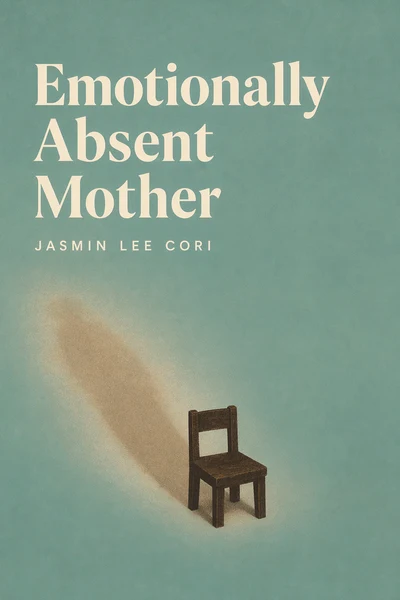
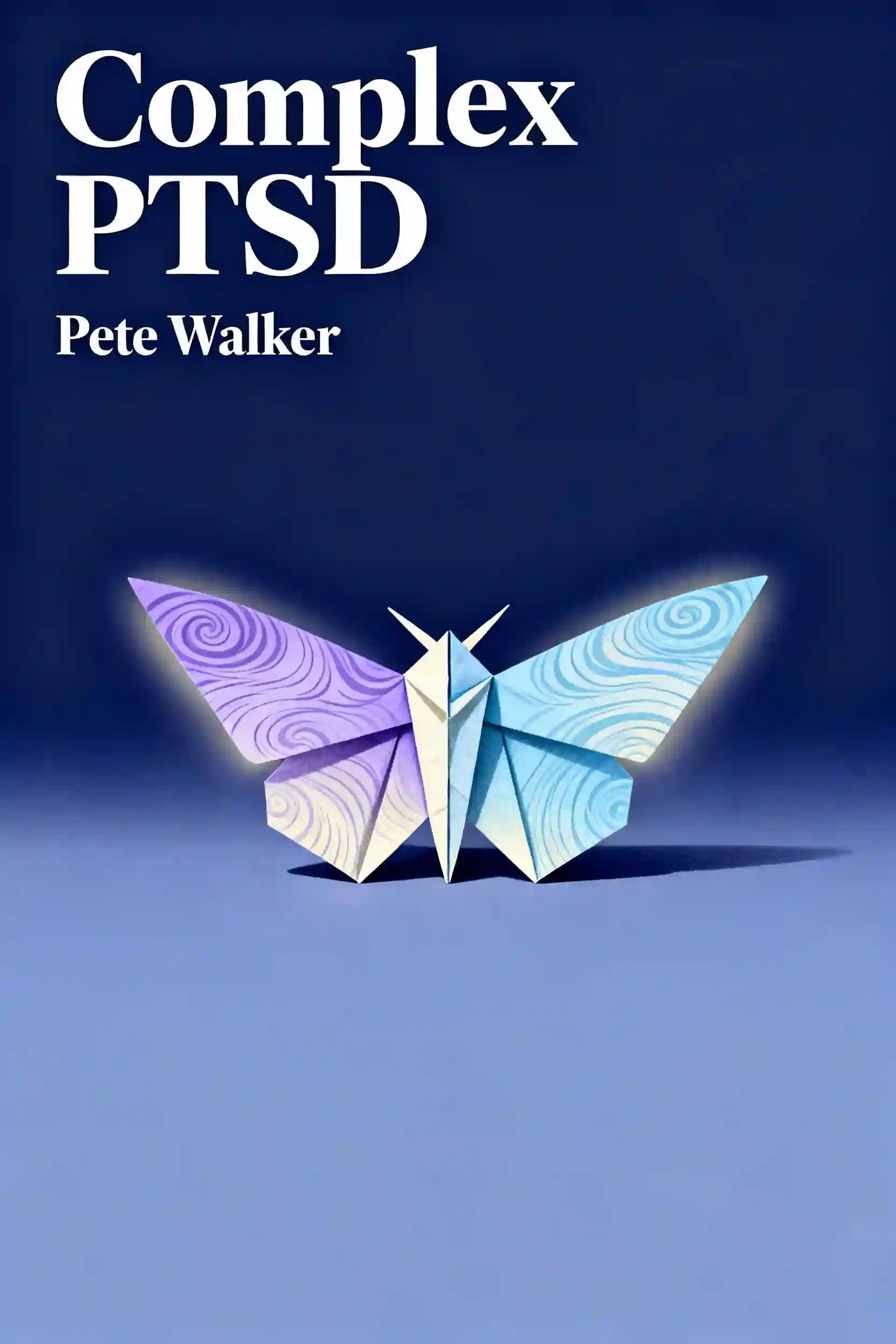
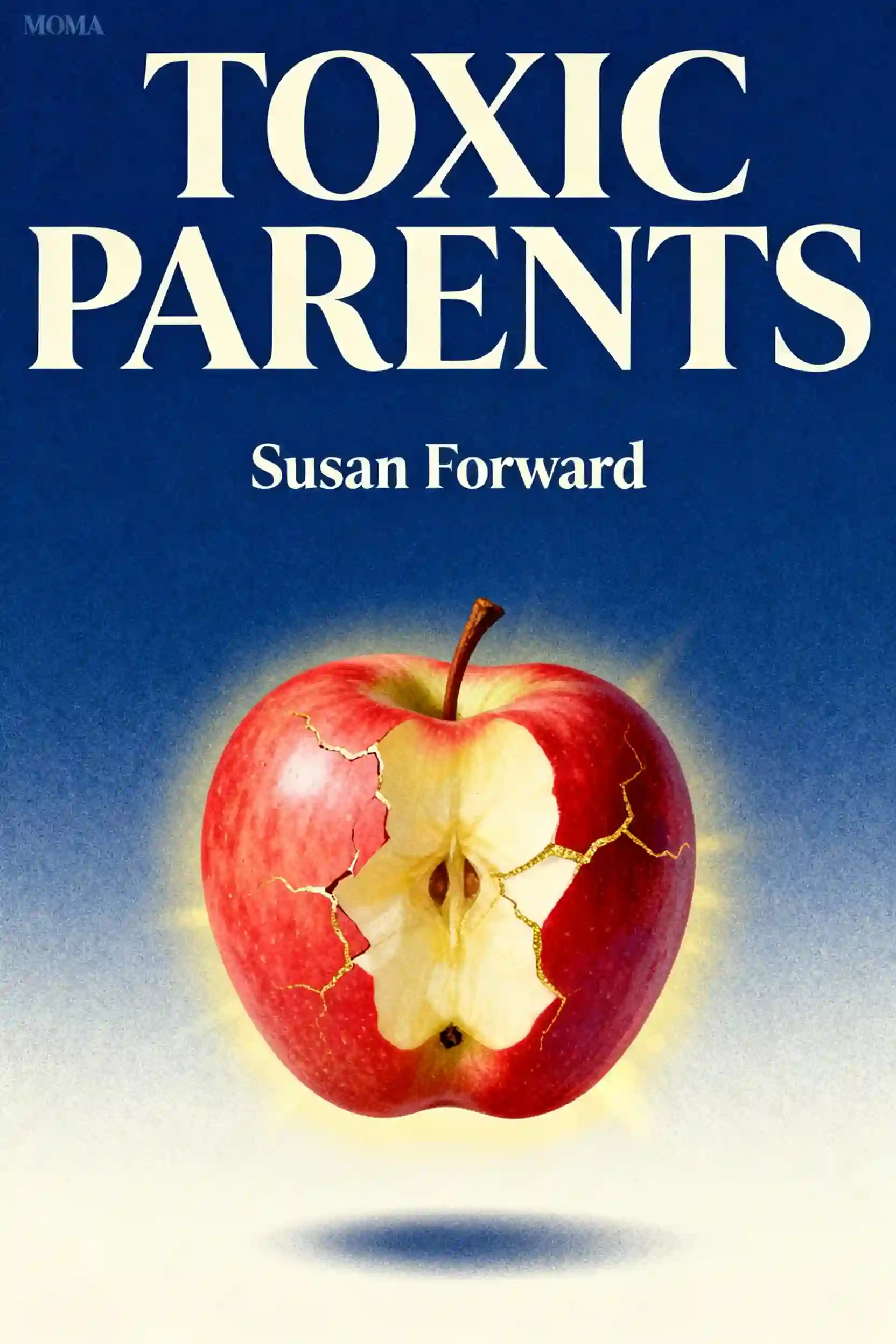
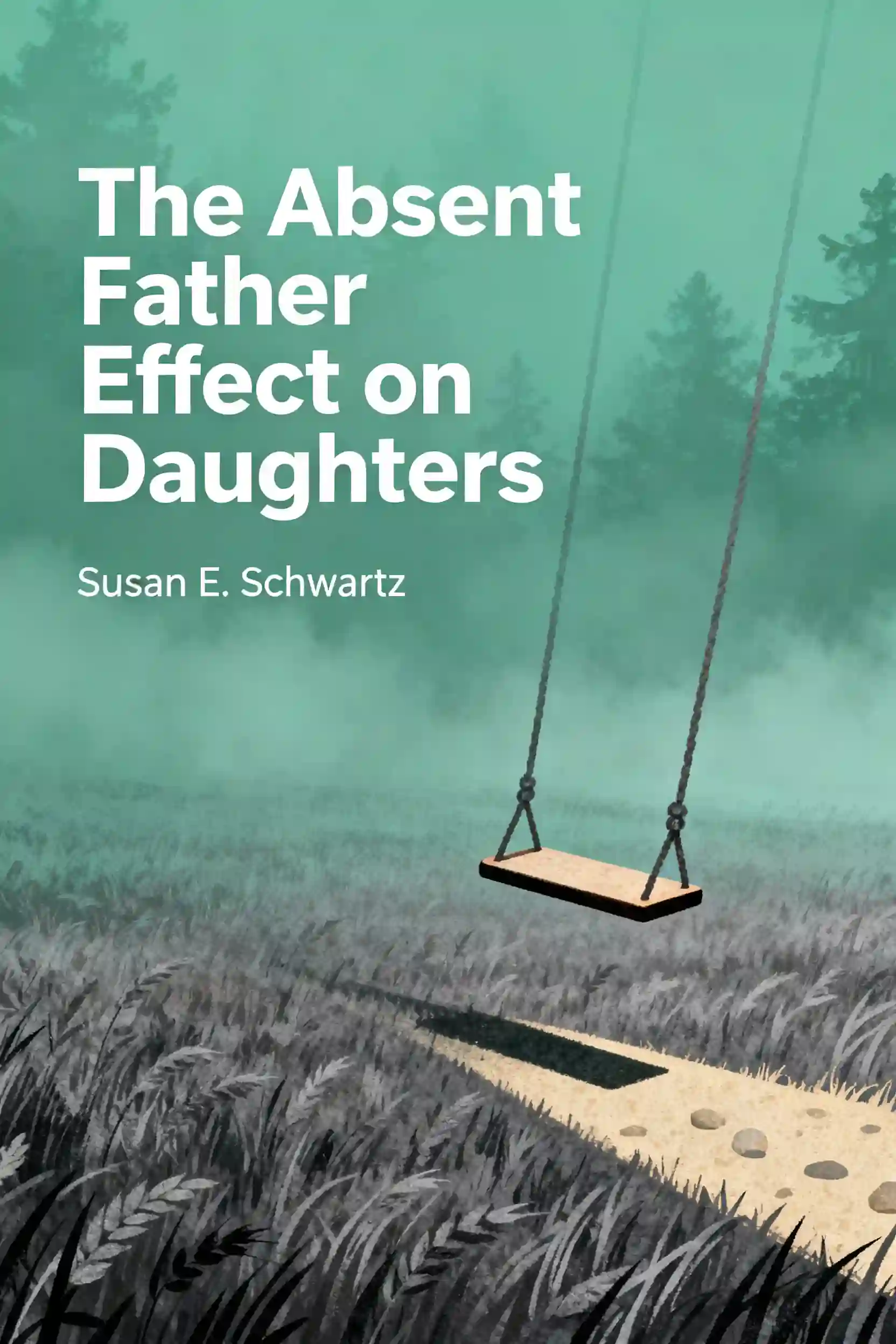
Childhood wounds

よくある質問
While classic PTSD is typically associated with a single, life-threatening event like a car accident, Developmental Trauma (DT) results from prolonged and repeated exposure to adverse experiences such as neglect or emotional abuse during sensitive periods of brain development. Unlike a sudden "storm" of a single event, DT is described as a "permanently harsh climate" that re-routes a child's biological, social, and spiritual development. This leads to a literal change in how the brain is wired to handle the world, often causing the individual to prioritize survival over all other functions.
Early trauma can lead to "toxic stress," which is the prolonged activation of the stress response system without the presence of a supportive adult to provide calm. This often results in a hyperactive amygdala—the brain's "smoke detector"—making a person hyper-vigilant to perceived threats. Simultaneously, the prefrontal cortex, which handles logic and calm decision-making, may see a reduction in volume. This leaves the individual with a nervous system that is easily triggered into "fight-or-flight" or "freeze" responses, often described as having a sensitive gas pedal but no brakes.
Emotional neglect is frequently referred to as an "invisible web" because it is defined by what did not happen, such as a lack of mirroring, validation, or physical affection. Because there is no specific "dramatic event" to point to, many adults dismiss their feelings of emptiness or unworthiness, believing they are simply "difficult" or "broken" by nature. Research suggests that 50% to 60% of adults have some history of neglect that impacts their functioning, yet these adaptations are often mislabeled as "personality traits" rather than traumatic responses.
Mentalizing is the capacity to understand that other people have their own unique thoughts, needs, and worldviews. When a person is stuck in a "survival mode" due to childhood wounds, their brain lacks the bandwidth to wonder what someone else is thinking because it is too busy scanning for threats. This can lead to "impaired reflective functioning," where a person might misinterpret a partner's silence as anger or abandonment rather than considering they might just be tired. These "fear memories" can override the ability to process new social information accurately.
The ARC model stands for Attachment, Regulation, and Competency. Recovery begins with "Attachment," which involves building a "corrective emotional experience" with a therapist or safe partner to learn that others can be reliable. "Regulation" focuses on building awareness of emotions and using tools to stay within a tolerable "window of engagement" rather than flipping between panic and numbness. Finally, "Competency" involves rebuilding a sense of self-agency by identifying personal strengths and talents that were previously overshadowed by the struggle to survive.
"Instead of endless scrolling, I just hit play on BeFreed. It saves me so much time."


"I never knew where to start with nonfiction—BeFreed’s book lists turned into podcasts gave me a clear path."


"Perfect balance between learning and entertainment. Finished ‘Thinking, Fast and Slow’ on my commute this week."
"Crazy how much I learned while walking the dog. BeFreed = small habits → big gains."
"Reading used to feel like a chore. Now it’s just part of my lifestyle."

"Feels effortless compared to reading. I’ve finished 6 books this month already."
"BeFreed turned my guilty doomscrolling into something that feels productive and inspiring."

"BeFreed turned my commute into learning time. 20-min podcasts are perfect for finishing books I never had time for."
"BeFreed replaced my podcast queue. Imagine Spotify for books — that’s it. 🙌"

"It is great for me to learn something from the book without reading it."
"The themed book list podcasts help me connect ideas across authors—like a guided audio journey."
"Makes me feel smarter every time before going to work"
"Instead of endless scrolling, I just hit play on BeFreed. It saves me so much time."
"I never knew where to start with nonfiction—BeFreed’s book lists turned into podcasts gave me a clear path."
"Perfect balance between learning and entertainment. Finished ‘Thinking, Fast and Slow’ on my commute this week."
"Crazy how much I learned while walking the dog. BeFreed = small habits → big gains."
"Reading used to feel like a chore. Now it’s just part of my lifestyle."
"Feels effortless compared to reading. I’ve finished 6 books this month already."
"BeFreed turned my guilty doomscrolling into something that feels productive and inspiring."
"BeFreed turned my commute into learning time. 20-min podcasts are perfect for finishing books I never had time for."
"BeFreed replaced my podcast queue. Imagine Spotify for books — that’s it. 🙌"
"It is great for me to learn something from the book without reading it."
"The themed book list podcasts help me connect ideas across authors—like a guided audio journey."
"Makes me feel smarter every time before going to work"
"Instead of endless scrolling, I just hit play on BeFreed. It saves me so much time."
"I never knew where to start with nonfiction—BeFreed’s book lists turned into podcasts gave me a clear path."
"Perfect balance between learning and entertainment. Finished ‘Thinking, Fast and Slow’ on my commute this week."
"Crazy how much I learned while walking the dog. BeFreed = small habits → big gains."
"Reading used to feel like a chore. Now it’s just part of my lifestyle."
"Feels effortless compared to reading. I’ve finished 6 books this month already."
"BeFreed turned my guilty doomscrolling into something that feels productive and inspiring."
"BeFreed turned my commute into learning time. 20-min podcasts are perfect for finishing books I never had time for."
"BeFreed replaced my podcast queue. Imagine Spotify for books — that’s it. 🙌"
"It is great for me to learn something from the book without reading it."
"The themed book list podcasts help me connect ideas across authors—like a guided audio journey."
"Makes me feel smarter every time before going to work"
"Instead of endless scrolling, I just hit play on BeFreed. It saves me so much time."
"I never knew where to start with nonfiction—BeFreed’s book lists turned into podcasts gave me a clear path."
"Perfect balance between learning and entertainment. Finished ‘Thinking, Fast and Slow’ on my commute this week."
"Crazy how much I learned while walking the dog. BeFreed = small habits → big gains."
"Reading used to feel like a chore. Now it’s just part of my lifestyle."
"Feels effortless compared to reading. I’ve finished 6 books this month already."
"BeFreed turned my guilty doomscrolling into something that feels productive and inspiring."
"BeFreed turned my commute into learning time. 20-min podcasts are perfect for finishing books I never had time for."
"BeFreed replaced my podcast queue. Imagine Spotify for books — that’s it. 🙌"
"It is great for me to learn something from the book without reading it."
"The themed book list podcasts help me connect ideas across authors—like a guided audio journey."
"Makes me feel smarter every time before going to work"