The Inherent Worth You Never Lost
Discover the vital distinction between what you do and who you are. This episode offers a practical playbook for silencing your inner critic and rebuilding self-worth through self-compassion and small acts of integrity.

The Inherent Worth You Never Lostのベスト引用
Self-confidence is about what you can do, but self-worth is about who you are—and it is never something you have to earn. We often think worth is a prize for productivity, but it’s actually the soil everything else grows from.
Generated by Reiss
Self-worth and confidence in myself that I’m worthy.

よくある質問
Self-confidence is typically based on external factors and performance, such as how well you lead a meeting or play a sport. In contrast, self-worth is the internal, unconditional belief that your value is inherent and constant, regardless of your productivity or achievements. While confidence is about what you can do, worth is about who you are, and it is not something that has to be earned or proven.
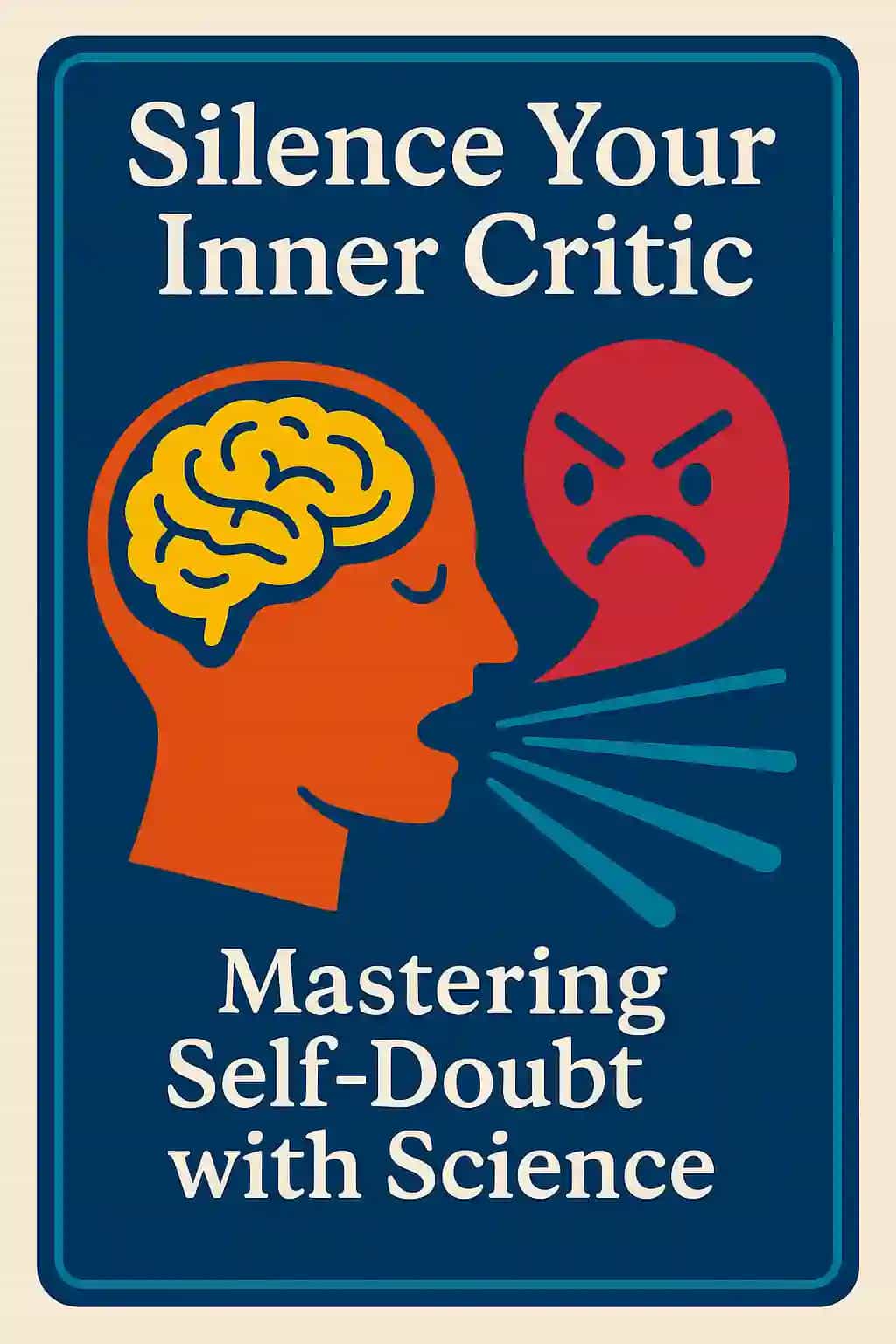
The inner critic often develops as a way to protect us from external rejection by criticizing us before anyone else can. Psychologically, this creates a state of chronic threat in the nervous system, where the brain processes self-attack similarly to an external physical threat. This mindset often leads to "mental filtering," where we focus exclusively on negative details while ignoring positive evidence, or "all-or-nothing thinking," where we believe we are failures if we aren't perfect.
Cognitive defusion is a technique from Acceptance and Commitment Therapy (ACT) that involves seeing thoughts as mere mental events rather than absolute truths. Instead of saying "I am a failure," which is being fused with the thought, you say, "I am noticing the thought that I am a failure." This small linguistic shift creates psychological distance, allowing you to observe your thoughts like clouds moving across a sky without being swept away by the emotional storm.
Contrary to the belief that being hard on ourselves keeps us motivated, research shows that self-criticism triggers a "fight or flight" response that shuts down the brain's learning centers, often leading to procrastination. Self-compassion activates the body's "care-giving" system and releases oxytocin, which makes us feel safe enough to take risks, learn from mistakes, and get back to work without the paralyzing weight of shame.
Self-trust is built through "lived evidence" of reliability. By making and keeping tiny, "bite-sized" promises to yourself—such as taking a ten-minute walk or leaving your desk for lunch—you send a signal to your nervous system that your needs matter and that you are a person of your word. Over time, these small wins accumulate into a "portfolio of integrity" that reinforces your value through action rather than just positive thinking.
"Instead of endless scrolling, I just hit play on BeFreed. It saves me so much time."


"I never knew where to start with nonfiction—BeFreed’s book lists turned into podcasts gave me a clear path."


"Perfect balance between learning and entertainment. Finished ‘Thinking, Fast and Slow’ on my commute this week."
"Crazy how much I learned while walking the dog. BeFreed = small habits → big gains."
"Reading used to feel like a chore. Now it’s just part of my lifestyle."

"Feels effortless compared to reading. I’ve finished 6 books this month already."
"BeFreed turned my guilty doomscrolling into something that feels productive and inspiring."

"BeFreed turned my commute into learning time. 20-min podcasts are perfect for finishing books I never had time for."
"BeFreed replaced my podcast queue. Imagine Spotify for books — that’s it. 🙌"

"It is great for me to learn something from the book without reading it."
"The themed book list podcasts help me connect ideas across authors—like a guided audio journey."
"Makes me feel smarter every time before going to work"
"Instead of endless scrolling, I just hit play on BeFreed. It saves me so much time."
"I never knew where to start with nonfiction—BeFreed’s book lists turned into podcasts gave me a clear path."
"Perfect balance between learning and entertainment. Finished ‘Thinking, Fast and Slow’ on my commute this week."
"Crazy how much I learned while walking the dog. BeFreed = small habits → big gains."
"Reading used to feel like a chore. Now it’s just part of my lifestyle."
"Feels effortless compared to reading. I’ve finished 6 books this month already."
"BeFreed turned my guilty doomscrolling into something that feels productive and inspiring."
"BeFreed turned my commute into learning time. 20-min podcasts are perfect for finishing books I never had time for."
"BeFreed replaced my podcast queue. Imagine Spotify for books — that’s it. 🙌"
"It is great for me to learn something from the book without reading it."
"The themed book list podcasts help me connect ideas across authors—like a guided audio journey."
"Makes me feel smarter every time before going to work"
"Instead of endless scrolling, I just hit play on BeFreed. It saves me so much time."
"I never knew where to start with nonfiction—BeFreed’s book lists turned into podcasts gave me a clear path."
"Perfect balance between learning and entertainment. Finished ‘Thinking, Fast and Slow’ on my commute this week."
"Crazy how much I learned while walking the dog. BeFreed = small habits → big gains."
"Reading used to feel like a chore. Now it’s just part of my lifestyle."
"Feels effortless compared to reading. I’ve finished 6 books this month already."
"BeFreed turned my guilty doomscrolling into something that feels productive and inspiring."
"BeFreed turned my commute into learning time. 20-min podcasts are perfect for finishing books I never had time for."
"BeFreed replaced my podcast queue. Imagine Spotify for books — that’s it. 🙌"
"It is great for me to learn something from the book without reading it."
"The themed book list podcasts help me connect ideas across authors—like a guided audio journey."
"Makes me feel smarter every time before going to work"
"Instead of endless scrolling, I just hit play on BeFreed. It saves me so much time."
"I never knew where to start with nonfiction—BeFreed’s book lists turned into podcasts gave me a clear path."
"Perfect balance between learning and entertainment. Finished ‘Thinking, Fast and Slow’ on my commute this week."
"Crazy how much I learned while walking the dog. BeFreed = small habits → big gains."
"Reading used to feel like a chore. Now it’s just part of my lifestyle."
"Feels effortless compared to reading. I’ve finished 6 books this month already."
"BeFreed turned my guilty doomscrolling into something that feels productive and inspiring."
"BeFreed turned my commute into learning time. 20-min podcasts are perfect for finishing books I never had time for."
"BeFreed replaced my podcast queue. Imagine Spotify for books — that’s it. 🙌"
"It is great for me to learn something from the book without reading it."
"The themed book list podcasts help me connect ideas across authors—like a guided audio journey."
"Makes me feel smarter every time before going to work"