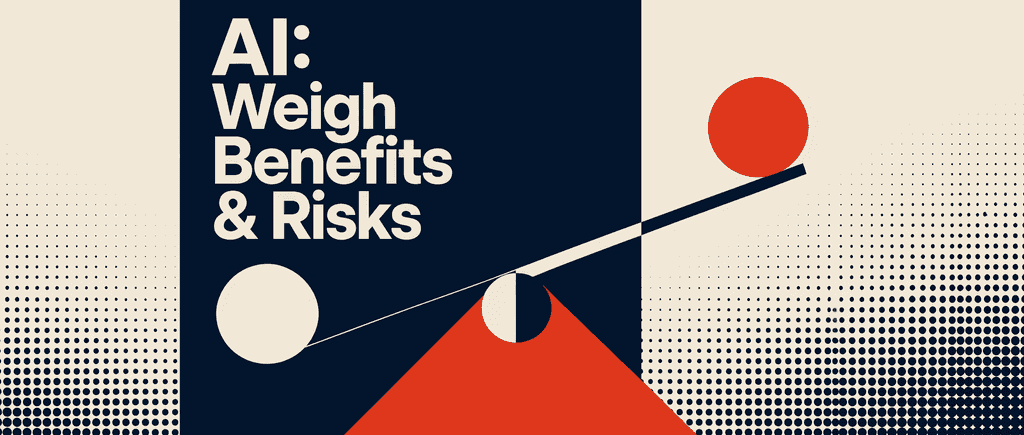
Responsible AI: Principles, Ethics, and Implementation Guide
Learn the core principles of Responsible AI. Explore AI ethics, governance, and safety strategies to ensure trustworthy and ethical artificial intelligence development.

Responsible AI: Principles, Ethics, and Implementation Guideのベスト引用
Responsible AI isn't a policy thing; it’s a practice. It’s about building useful tools while actively managing risk across the entire lifecycle, from the first line of code to post-launch monitoring.
Generated by Urska
I want to learn about reponaible ai

よくある質問
Responsible AI is a framework designed to ensure that artificial intelligence systems are developed and deployed in a manner that is ethical, transparent, and safe. It is crucial because it addresses potential biases, protects user privacy, and builds public trust in automated technologies. By following these principles, organizations can mitigate risks associated with AI safety and ensure their innovations benefit society while adhering to legal and ethical standards.
AI ethics serve as a guiding set of values that developers and engineers use to make decisions throughout the software lifecycle. This involves prioritizing fairness, accountability, and transparency to prevent discriminatory outcomes. Ethical AI development requires constant monitoring and testing to ensure that algorithms remain unbiased and that the data used for training is representative and handled with the highest level of integrity and security.
Artificial Intelligence Governance provides the structural oversight and policies necessary to manage an organization's AI initiatives effectively. It establishes clear lines of accountability and defines the standards for compliance and risk management. Through robust governance, companies can ensure that their AI systems are reliable and align with both internal values and external regulations, ultimately fostering a culture of trustworthy AI across the entire enterprise.
Trustworthy AI is built upon several key pillars, including safety, security, privacy, and explainability. For an AI system to be considered trustworthy, it must perform reliably under various conditions and its decision-making process should be understandable to human users. Implementing these pillars helps organizations reduce technical vulnerabilities and ensures that the AI operates within defined safety parameters, protecting both the users and the reputation of the developers.
"Instead of endless scrolling, I just hit play on BeFreed. It saves me so much time."


"I never knew where to start with nonfiction—BeFreed’s book lists turned into podcasts gave me a clear path."


"Perfect balance between learning and entertainment. Finished ‘Thinking, Fast and Slow’ on my commute this week."
"Crazy how much I learned while walking the dog. BeFreed = small habits → big gains."
"Reading used to feel like a chore. Now it’s just part of my lifestyle."

"Feels effortless compared to reading. I’ve finished 6 books this month already."
"BeFreed turned my guilty doomscrolling into something that feels productive and inspiring."

"BeFreed turned my commute into learning time. 20-min podcasts are perfect for finishing books I never had time for."
"BeFreed replaced my podcast queue. Imagine Spotify for books — that’s it. 🙌"

"It is great for me to learn something from the book without reading it."
"The themed book list podcasts help me connect ideas across authors—like a guided audio journey."
"Makes me feel smarter every time before going to work"
"Instead of endless scrolling, I just hit play on BeFreed. It saves me so much time."
"I never knew where to start with nonfiction—BeFreed’s book lists turned into podcasts gave me a clear path."
"Perfect balance between learning and entertainment. Finished ‘Thinking, Fast and Slow’ on my commute this week."
"Crazy how much I learned while walking the dog. BeFreed = small habits → big gains."
"Reading used to feel like a chore. Now it’s just part of my lifestyle."
"Feels effortless compared to reading. I’ve finished 6 books this month already."
"BeFreed turned my guilty doomscrolling into something that feels productive and inspiring."
"BeFreed turned my commute into learning time. 20-min podcasts are perfect for finishing books I never had time for."
"BeFreed replaced my podcast queue. Imagine Spotify for books — that’s it. 🙌"
"It is great for me to learn something from the book without reading it."
"The themed book list podcasts help me connect ideas across authors—like a guided audio journey."
"Makes me feel smarter every time before going to work"
"Instead of endless scrolling, I just hit play on BeFreed. It saves me so much time."
"I never knew where to start with nonfiction—BeFreed’s book lists turned into podcasts gave me a clear path."
"Perfect balance between learning and entertainment. Finished ‘Thinking, Fast and Slow’ on my commute this week."
"Crazy how much I learned while walking the dog. BeFreed = small habits → big gains."
"Reading used to feel like a chore. Now it’s just part of my lifestyle."
"Feels effortless compared to reading. I’ve finished 6 books this month already."
"BeFreed turned my guilty doomscrolling into something that feels productive and inspiring."
"BeFreed turned my commute into learning time. 20-min podcasts are perfect for finishing books I never had time for."
"BeFreed replaced my podcast queue. Imagine Spotify for books — that’s it. 🙌"
"It is great for me to learn something from the book without reading it."
"The themed book list podcasts help me connect ideas across authors—like a guided audio journey."
"Makes me feel smarter every time before going to work"
"Instead of endless scrolling, I just hit play on BeFreed. It saves me so much time."
"I never knew where to start with nonfiction—BeFreed’s book lists turned into podcasts gave me a clear path."
"Perfect balance between learning and entertainment. Finished ‘Thinking, Fast and Slow’ on my commute this week."
"Crazy how much I learned while walking the dog. BeFreed = small habits → big gains."
"Reading used to feel like a chore. Now it’s just part of my lifestyle."
"Feels effortless compared to reading. I’ve finished 6 books this month already."
"BeFreed turned my guilty doomscrolling into something that feels productive and inspiring."
"BeFreed turned my commute into learning time. 20-min podcasts are perfect for finishing books I never had time for."
"BeFreed replaced my podcast queue. Imagine Spotify for books — that’s it. 🙌"
"It is great for me to learn something from the book without reading it."
"The themed book list podcasts help me connect ideas across authors—like a guided audio journey."
"Makes me feel smarter every time before going to work"





![[f5f6a7fa-67cf-4b5b-ae89-13143dd64a3c:c0003] Anthropic's core views on AI safety \ Anthropic p1-1](/_next/image?url=https%3A%2F%2Fd1y2du6z1jfm9e.cloudfront.net%2Fassets%2Fpodcast%2Fblue.png&w=1024&q=50)