正直、まだアプリを使いこなせていませんが、この数日使っただけで本当に感動しました… BeFreed は、今まで使ったどの学習アプリともレベルが違います。夢中になれるうえに集中力も実際に上がるので、スマホをだらだら見てしまう人にぴったりです!
@ladyInfinity
HR teams are adopting AI fast, but many miss the strategic layer. Learn how to move past basic automation to build an ethical, predictive workforce.

The AI is the assistant, not the judge. It handles the heavy lifting of data processing and pattern recognition, but humans must always have the final say on consequential decisions like hiring, promotions, and performance.
AI in HR




According to research from 2026, leadership backing is the single biggest predictor of success because it ensures the digital readiness of the HR team. While budget is important, management must explicitly support the transition to move beyond "tactical wins," like resume screening, toward embedding AI into daily workflows. Without this high-level commitment, advanced tools often sit on the shelf rather than being used to redesign how work creates business value.
Transparency acts as a bridge of trust by explaining the specific criteria an AI uses to make decisions, such as requiring certain certifications or years of experience. When candidates and employees understand the "why" behind a machine's recommendation—a concept known as "explainable AI"—they perceive the process as fair. This sense of procedural fairness leads to a domino effect of positive outcomes, including higher organizational commitment, better job satisfaction, and deeper trust in the employer.
Bias drift occurs when an AI algorithm inadvertently learns to replicate historical human prejudices by treating past patterns as rules for the future. For example, if an AI notices that past top performers all attended the same university, it may begin to unfairly deprioritize qualified candidates from other schools. To combat this, HR leaders must act as data auditors, performing regular audits of fairness frameworks and rebalancing datasets to ensure they represent a diverse workforce.
Recent guidance from the Consumer Financial Protection Bureau (CFPB) suggests that AI-generated "background dossiers" or productivity scores may be regulated under the Fair Credit Reporting Act (FCRA). This means employers may be legally required to obtain worker consent before tracking begins and provide "clear and conspicuous" disclosures. Furthermore, if an adverse action is taken based on AI data, such as denying a promotion, the employer must provide a notice allowing the worker to dispute any inaccuracies in the report.
The human-in-the-loop model is a strategy where AI handles heavy data processing and pattern recognition, but humans retain the final authority on consequential decisions like hiring, promotions, and performance reviews. This model is essential because AI can lack empathy in sensitive situations—such as employee burnout—and may occasionally "hallucinate" or make errors. Maintaining human oversight provides a necessary emotional touch and serves as a legal safety net, as companies remain liable for decisions made by their algorithms.
コロンビア大学卒業生が開発 | サンフランシスコ発
平均評価
7,840件以上のアプリ評価
BeFreedコミュニティ
正直、まだアプリを使いこなせていませんが、この数日使っただけで本当に感動しました… BeFreed は、今まで使ったどの学習アプリともレベルが違います。夢中になれるうえに集中力も実際に上がるので、スマホをだらだら見てしまう人にぴったりです!
@ladyInfinity
ちょうど 23 日前に BeFreed を購入して、それから毎日欠かさず使っています。仕事の流れと学習習慣に完全に溶け込みました。
@jayallen
正直なところ、このアプリは期待をすべて超えてきました。どんなテーマでも音声を生成してもらえて、その結果には驚かされます。私の専門は心理療法で、多分野にまたがる領域ですが、それでも回答はとても正確です。
@Raguipa
何よりありがたいのは、スマホをだらだら見る時間が減ったことです。探す時間が減って、吸収する時間が増えました。オーディオブック、ポッドキャスト、学習プランの組み合わせが素晴らしいです。
@colonyofcreatorsNGO
私は 24 年間、PhotoReading 加速学習のインストラクターをしています… 本と読書と学びが私の専門ですが、BeFreed は情報を消化しやすい形で届ける革新的なアプローチを見事に実現しています。
@BeFreed user
ただの本の要約アプリではありません。「ファン」スタイルを使ってみたら、従来のやり方よりずっと良い要約で、アイデアもつかみやすいです。これだけでも十分元が取れます。
@austinakon
このアプリが大好きです。数日使っただけで、聞くのが止まらなくなりました。始め方として最高です。
@jcrules328
本当に気に入っています。約 1 か月試していますが、まさに掘り出し物だと感じます。BeFreed で自分だけのテーマを作れるのが便利で、声も素晴らしく、ナレーションの選択肢は無限です。
@DanielCZ
役立つ情報やアイデアを 8〜15 分のポッドキャスト風音声にぎゅっとまとめて聞けるのが最高です。ポッドキャストは余計な話が多くて苦手でしたが、これは無駄を全部そぎ落としてくれます。
@BeFreed user
博士課程の仕上げの段階で、なじみのない資料を大量に読む必要があります… BeFreed ならプロンプトを入力するだけで、アプリが資料を探して音声ポッドキャストを作ってくれます。BeFreed のほうが NotebookLM よりも流れがスムーズだと感じます。
@Brad
朝食を作りながら、散歩しながら、通勤しながら聞くものを YouTube でよく探していましたが、BeFreed は広告も余計な話もなしで、もっと的を絞った聞き方をさせてくれます!
@BeFreed user
このプラットフォームの一番の魅力は、その万能さです。扱えないテーマは文字どおりひとつもありません。何を投げても応えてくれます… 制限がまったくないのに約束をきちんと果たしてくれる学習ツールには、なかなか出会えません。
@jayallen
BeFreed は素晴らしいです。使いやすいデザインのおかげで、操作に迷う時間が減り、学ぶ時間が増えました。オーディオブック、ポッドキャスト、学習プランの組み合わせは天才的で、毎日の習慣がすっかり変わりました。
@BeFreed user
最初はイタリア語でポッドキャストを作る方法を理解するのに少し時間がかかりましたが、わかった瞬間、最高でした!どんなテーマでも説明してもらえて、しかもとても賢く、うまく話してくれます!
@matteo77
BeFreed は毎日使うオーディオブックアプリになりました… 一番気に入っているのは、自分のテキストを入れると、外出先でも聞ける音声にしてくれるところです。
@kotanzu1




In an era of rapid automation, the ability to use AI as a high-level collaborator rather than a simple tool is a critical competitive advantage. This plan is designed for leaders and strategists who want to integrate structured consulting frameworks and creative innovation into their daily operational workflows.

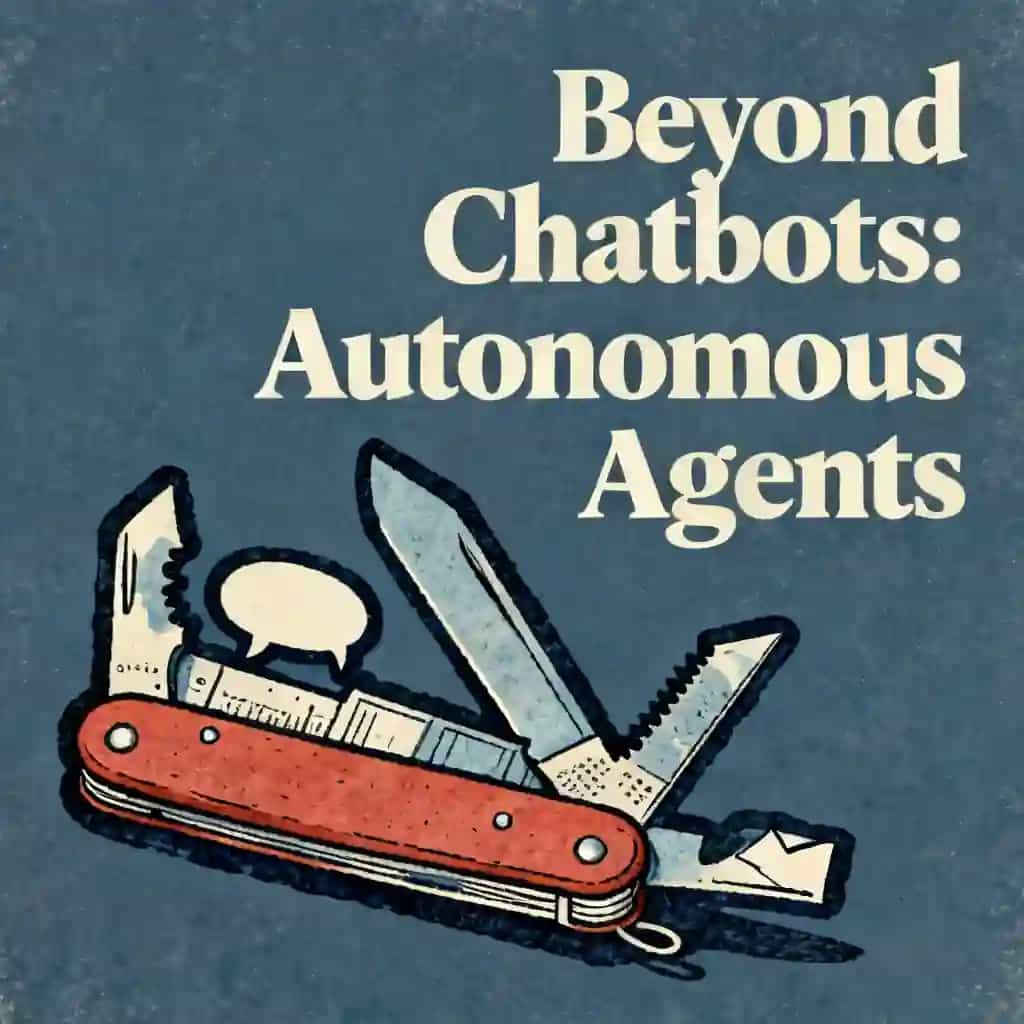
As AI evolves from simple chat interfaces to proactive assistants, professionals must learn to integrate these tools into existing data environments and strategic processes. This plan is ideal for business analysts, managers, and operations leads looking to automate repetitive tasks and scale their strategic output using autonomous agents.

As AI reshapes the global economy, leaders must move beyond basic awareness to strategic execution. This plan is designed for executives and managers who need to bridge the gap between technical potential and organizational reality while ensuring ethical oversight.

This learning plan is essential for professionals looking to stay competitive in an increasingly automated world. It is designed for anyone from beginners to managers who want to move beyond basic chat tools and integrate AI strategically into their daily productivity and decision-making.
As artificial intelligence reshapes every industry, understanding its technical and ethical foundations is no longer optional. This plan is ideal for professionals and students who want to move beyond the buzzwords to build actual systems while navigating the future of human-AI collaboration.

As businesses shift toward automation, the ability to build reliable AI agents is becoming a critical technical skill. This plan is designed for builders and professionals who want to move beyond simple chatbots to create autonomous, safe, and cost-effective AI systems.

As AI transforms workplaces across industries, professionals who can effectively leverage these technologies gain significant competitive advantages. This learning plan equips you with practical AI skills and strategic insights to enhance your productivity, solve complex problems, and position yourself as an AI-savvy leader in your organization.

As AI reshapes the professional world, the ability to blend machine efficiency with human creativity has become a critical competitive advantage. This plan is ideal for professionals and creatives looking to move beyond basic automation toward a sophisticated, collaborative partnership with AI.