Mastering the Past Simple: Beyond the Basics
Stop tripping over irregular verbs and auxiliary rules. Learn the essential mechanics of the past simple to tell your stories with clarity and confidence.

Mastering the Past Simple: Beyond the Basicsのベスト引用
The past simple is the fundamental building block of how we tell our stories, acting as the engine that drives narratives forward by anchoring completed actions in a specific time.

このオーディオレッスンはBeFreedコミュニティメンバーが作成しました
I need to improve the pass simple

よくある質問
The past simple is used for "closed chapters," meaning actions that started and finished at a specific time in the past and have no direct connection to the present. It is the primary tense for storytelling, narrating sequences of events, and describing habits or facts that were true in the past but are no longer true. To make the timing clear, it is often paired with specific time markers like "yesterday," "last week," or "ago."
The pronunciation depends on the final sound of the base verb. If the verb ends in a "t" or "d" sound, you add an extra syllable pronounced as "/id/" (e.g., "wanted"). If the verb ends in a voiceless sound like "p," "k," or "s," the ending sounds like a "/t/" (e.g., "washed"). For all other voiced sounds where your vocal cords vibrate, such as "l," "n," or vowel sounds, the ending is pronounced as a "/d/" (e.g., "played").
English uses irregular verbs for many of its most common actions, such as "go" becoming "went" or "be" becoming "was/were." These do not follow the standard "-ed" rule and must be memorized. Some irregulars follow patterns, such as the "no change" group (e.g., "cut/cut"), the vowel shift group (e.g., "sing/sang"), or the "d" to "t" group (e.g., "send/sent"). Experts suggest learning high-frequency irregulars first because they are essential for basic daily communication.
When using the auxiliary verb "did" or "didn't" to form a question or a negative statement, the "pastness" is transferred to the auxiliary. This means the main verb must return to its base form. For example, you should say "I didn't go" instead of "I didn't went," and "Did you see?" instead of "Did you saw?" The only major exception is the verb "to be," which does not use "did" and instead simply flips its order for questions (e.g., "Were you?").
There are three main spelling quirks to remember. First, if a verb ends in "e," you only add a "d" (e.g., "lived"). Second, if a verb ends in a consonant followed by "y," the "y" changes to "i" before adding "-ed" (e.g., "studied"), though this does not apply if a vowel precedes the "y" (e.g., "played"). Finally, the "1-1-1 rule" states that for one-syllable verbs ending in one vowel and one consonant, you must double the final consonant (e.g., "stopped").
もっと発見

Mastering Italian's Core Verbs
Essere and avere are the most critical building blocks of the Italian language, serving as both standalone verbs and vital tools for past tense construction. This plan is ideal for beginners who want to master the linguistic foundation necessary for everyday communication and future grammatical progress.
Learn Basic Spanish Grammar Step-by-Step
This structured plan is essential for beginners who want to move beyond simple memorization to functional fluency. It is ideal for travelers, students, or professionals seeking a logical progression from basic sounds to advanced grammatical structures.

Master the Slang Wimp Out
Understanding informal idioms is essential for achieving true fluency and navigating social dynamics in English-speaking environments. This plan is ideal for intermediate to advanced learners who want to sound more natural and accurately describe social behaviors involving hesitation or fear.

Master the Art of Small Talk
Small talk is the gateway to professional opportunities, meaningful relationships, and social confidence. This learning plan equips you with practical techniques to transform from awkward exchanges to engaging conversations, benefiting professionals, introverts, and anyone looking to expand their social network.

Master small talk with strangers
Small talk is an essential social skill that opens doors to new relationships, career opportunities, and personal growth. This learning plan helps anyone who feels anxious about talking to strangers or wants to transform superficial exchanges into meaningful connections that leave lasting impressions.

Practice in English
This plan is essential for professionals and students who need to bridge the gap between basic knowledge and high-level fluency. It is designed for those looking to eliminate hesitation and project a more sophisticated, confident image in English-speaking environments.

Master IELTS Speaking and Writing topics
This plan is essential for students aiming for high band scores who need to bridge the gap between basic English and academic proficiency. It is specifically designed for IELTS candidates who want to combine linguistic accuracy with strategic test-day performance.
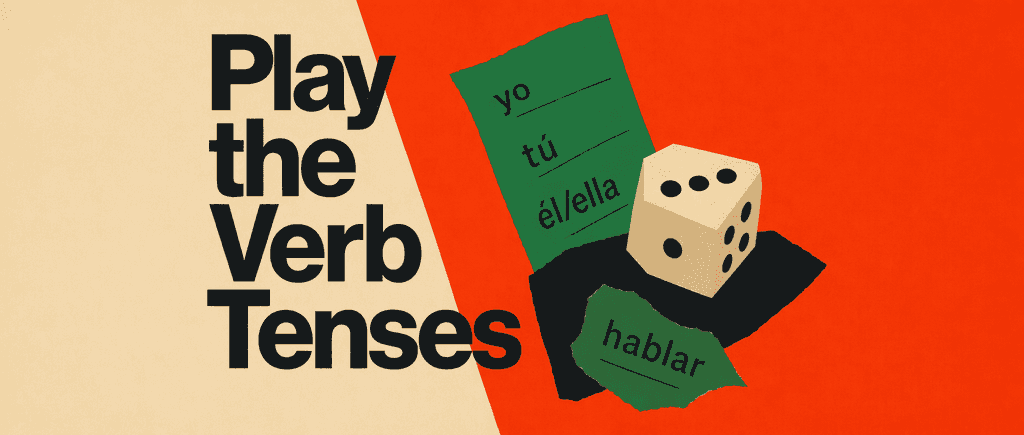
Gamified Spanish Verb Tense Learning Tools
This plan bridges the gap between linguistic mastery and digital engagement, making it essential for educators and developers. It is ideal for those looking to transform dry grammar drills into immersive, high-impact educational games.
"Instead of endless scrolling, I just hit play on BeFreed. It saves me so much time."


"I never knew where to start with nonfiction—BeFreed’s book lists turned into podcasts gave me a clear path."


"Perfect balance between learning and entertainment. Finished ‘Thinking, Fast and Slow’ on my commute this week."
"Crazy how much I learned while walking the dog. BeFreed = small habits → big gains."
"Reading used to feel like a chore. Now it’s just part of my lifestyle."

"Feels effortless compared to reading. I’ve finished 6 books this month already."
"BeFreed turned my guilty doomscrolling into something that feels productive and inspiring."

"BeFreed turned my commute into learning time. 20-min podcasts are perfect for finishing books I never had time for."
"BeFreed replaced my podcast queue. Imagine Spotify for books — that’s it. 🙌"

"It is great for me to learn something from the book without reading it."
"The themed book list podcasts help me connect ideas across authors—like a guided audio journey."
"Makes me feel smarter every time before going to work"
"Instead of endless scrolling, I just hit play on BeFreed. It saves me so much time."
"I never knew where to start with nonfiction—BeFreed’s book lists turned into podcasts gave me a clear path."
"Perfect balance between learning and entertainment. Finished ‘Thinking, Fast and Slow’ on my commute this week."
"Crazy how much I learned while walking the dog. BeFreed = small habits → big gains."
"Reading used to feel like a chore. Now it’s just part of my lifestyle."
"Feels effortless compared to reading. I’ve finished 6 books this month already."
"BeFreed turned my guilty doomscrolling into something that feels productive and inspiring."
"BeFreed turned my commute into learning time. 20-min podcasts are perfect for finishing books I never had time for."
"BeFreed replaced my podcast queue. Imagine Spotify for books — that’s it. 🙌"
"It is great for me to learn something from the book without reading it."
"The themed book list podcasts help me connect ideas across authors—like a guided audio journey."
"Makes me feel smarter every time before going to work"
"Instead of endless scrolling, I just hit play on BeFreed. It saves me so much time."
"I never knew where to start with nonfiction—BeFreed’s book lists turned into podcasts gave me a clear path."
"Perfect balance between learning and entertainment. Finished ‘Thinking, Fast and Slow’ on my commute this week."
"Crazy how much I learned while walking the dog. BeFreed = small habits → big gains."
"Reading used to feel like a chore. Now it’s just part of my lifestyle."
"Feels effortless compared to reading. I’ve finished 6 books this month already."
"BeFreed turned my guilty doomscrolling into something that feels productive and inspiring."
"BeFreed turned my commute into learning time. 20-min podcasts are perfect for finishing books I never had time for."
"BeFreed replaced my podcast queue. Imagine Spotify for books — that’s it. 🙌"
"It is great for me to learn something from the book without reading it."
"The themed book list podcasts help me connect ideas across authors—like a guided audio journey."
"Makes me feel smarter every time before going to work"
"Instead of endless scrolling, I just hit play on BeFreed. It saves me so much time."
"I never knew where to start with nonfiction—BeFreed’s book lists turned into podcasts gave me a clear path."
"Perfect balance between learning and entertainment. Finished ‘Thinking, Fast and Slow’ on my commute this week."
"Crazy how much I learned while walking the dog. BeFreed = small habits → big gains."
"Reading used to feel like a chore. Now it’s just part of my lifestyle."
"Feels effortless compared to reading. I’ve finished 6 books this month already."
"BeFreed turned my guilty doomscrolling into something that feels productive and inspiring."
"BeFreed turned my commute into learning time. 20-min podcasts are perfect for finishing books I never had time for."
"BeFreed replaced my podcast queue. Imagine Spotify for books — that’s it. 🙌"
"It is great for me to learn something from the book without reading it."
"The themed book list podcasts help me connect ideas across authors—like a guided audio journey."
"Makes me feel smarter every time before going to work"