Healing after abuse and a partner's prison release
Rebuilding trust is hard when you're facing stigma or past trauma. Learn how to move from insecurity to calm as you navigate a partner's reentry.

Healing after abuse and a partner's prison releaseのベスト引用
A relationship that requires you to shrink or self-silence isn't a successful one; it's an eroding one. You deserve a relationship where your reality is honored and your reassurance actually reassures.
Generated by Moselle
Not being insecure , understanding men , getting out of an abusive relationship and understanding my bf who got out of prison one month ago


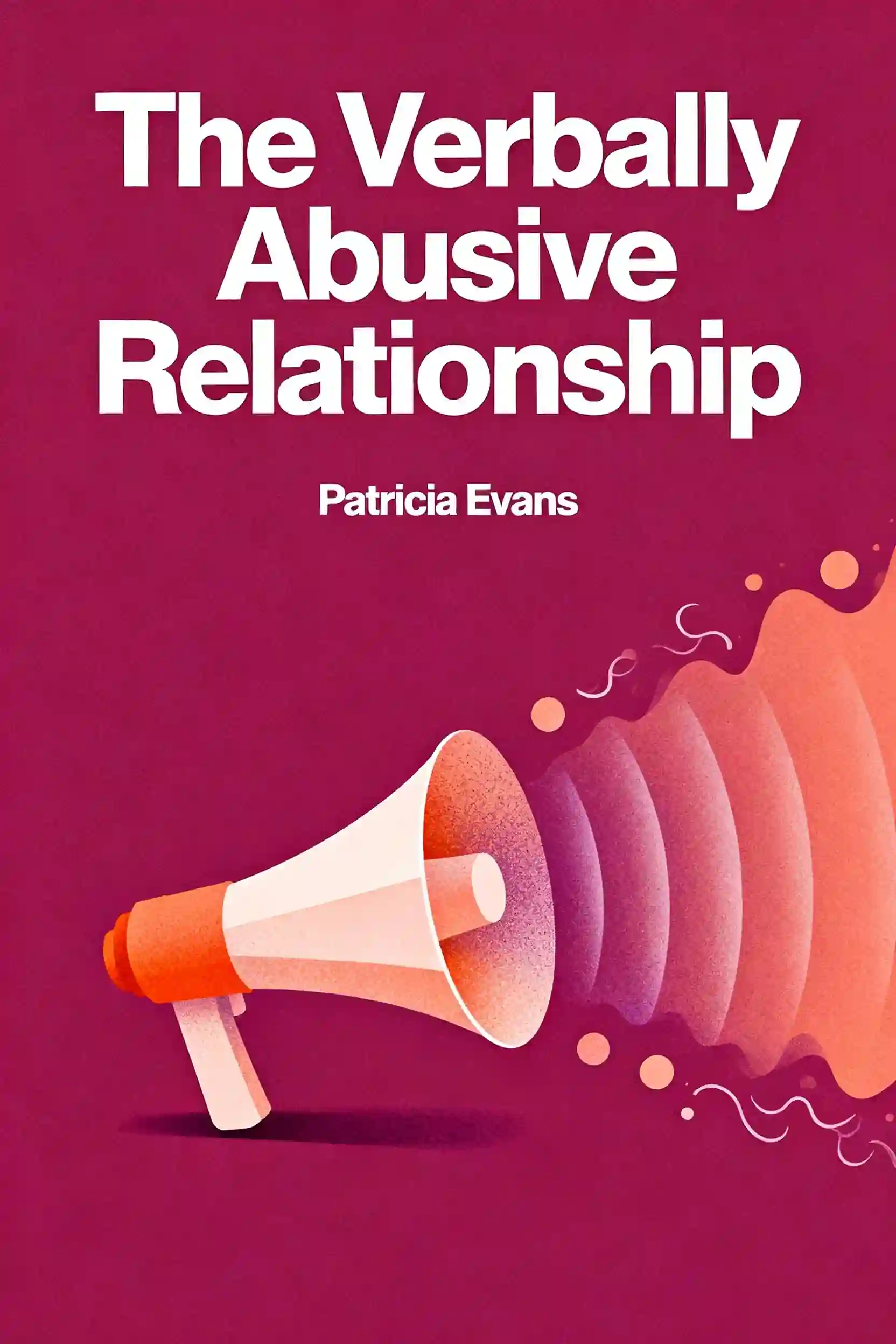
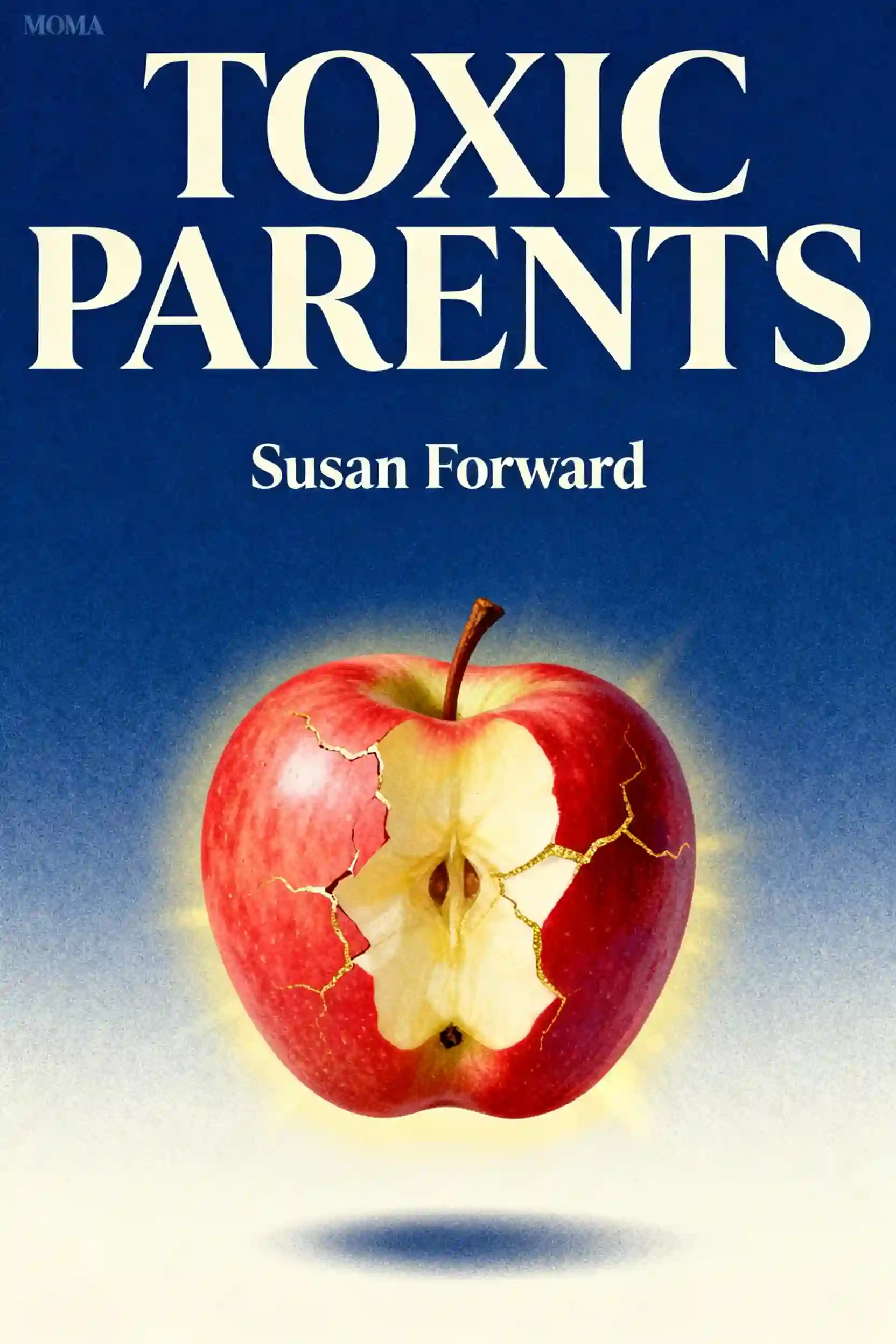

よくある質問
The key difference lies in how the partner responds to reassurance. If a partner is genuinely insecure, providing reassurance or making a requested change will result in visible relief and a sense of calm, and the "goalposts" will stay put. In a manipulative dynamic, the partner uses their vulnerability as a tool for control; no matter how much you accommodate them or change your behavior, a new crisis or demand will emerge the next day to keep you off-balance.
Empathetic people often fall into a "personal project" trap where they believe that providing enough love and stability will fix their partner's controlling behaviors. When a partner has faced the stigma of prison or past trauma, the "protection instinct" kicks into overdrive, leading the person to rationalize red flags or isolate themselves from friends and family who raise concerns. This often results in "unrealistic hopefulness," where you fall in love with a person's potential rather than the reality of their current behavior.
Men often face an intense social stigma that suggests "real men" cannot be victims of abuse, leading to a significant gap in seeking help. Research shows that men are more likely to use avoidant coping strategies, such as withdrawing into work or video games, to escape a chaotic home life. Additionally, male survivors often face a lack of gender-inclusive resources and may stay in toxic situations due to threats that the legal system will not believe them or will label them as the aggressor.
Successful reintegration requires a balance of unwavering love and zero enabling. It is vital to empower the returning partner to handle their own responsibilities, such as job searches and legal obligations, rather than "rescuing" them from every consequence. Maintaining an identity outside the relationship through personal hobbies and a separate support network prevents the relationship from becoming a "hostage situation" for your self-esteem and ensures that both partners are growing as individuals.
A "Secure Ask" is a practical communication script designed to express needs without being reactive or accusatory. Instead of using "why" questions that trigger defensiveness, you state a specific need, explain how it fosters closeness, and set a time-bound trial period. For example, saying, "I feel closer when we have a plan for the week by Wednesday; can we try that for two weeks?" allows you to test the relationship's proportionality based on whether the partner is willing to meet a reasonable request.
コロンビア大学卒業生がサンフランシスコで開発
"Instead of endless scrolling, I just hit play on BeFreed. It saves me so much time."


"I never knew where to start with nonfiction—BeFreed’s book lists turned into podcasts gave me a clear path."


"Perfect balance between learning and entertainment. Finished ‘Thinking, Fast and Slow’ on my commute this week."
"Crazy how much I learned while walking the dog. BeFreed = small habits → big gains."
"Reading used to feel like a chore. Now it’s just part of my lifestyle."

"Feels effortless compared to reading. I’ve finished 6 books this month already."
"BeFreed turned my guilty doomscrolling into something that feels productive and inspiring."

"BeFreed turned my commute into learning time. 20-min podcasts are perfect for finishing books I never had time for."
"BeFreed replaced my podcast queue. Imagine Spotify for books — that’s it. 🙌"

"It is great for me to learn something from the book without reading it."
"The themed book list podcasts help me connect ideas across authors—like a guided audio journey."
"Makes me feel smarter every time before going to work"
 Ask ChatGPT
 Ask Claude
コロンビア大学卒業生がサンフランシスコで開発
"Instead of endless scrolling, I just hit play on BeFreed. It saves me so much time."
"I never knew where to start with nonfiction—BeFreed’s book lists turned into podcasts gave me a clear path."
"Perfect balance between learning and entertainment. Finished ‘Thinking, Fast and Slow’ on my commute this week."
"Crazy how much I learned while walking the dog. BeFreed = small habits → big gains."
"Reading used to feel like a chore. Now it’s just part of my lifestyle."
"Feels effortless compared to reading. I’ve finished 6 books this month already."
"BeFreed turned my guilty doomscrolling into something that feels productive and inspiring."
"BeFreed turned my commute into learning time. 20-min podcasts are perfect for finishing books I never had time for."
"BeFreed replaced my podcast queue. Imagine Spotify for books — that’s it. 🙌"
"It is great for me to learn something from the book without reading it."
"The themed book list podcasts help me connect ideas across authors—like a guided audio journey."
"Makes me feel smarter every time before going to work"
"Instead of endless scrolling, I just hit play on BeFreed. It saves me so much time."
"I never knew where to start with nonfiction—BeFreed’s book lists turned into podcasts gave me a clear path."
"Perfect balance between learning and entertainment. Finished ‘Thinking, Fast and Slow’ on my commute this week."
"Crazy how much I learned while walking the dog. BeFreed = small habits → big gains."
"Reading used to feel like a chore. Now it’s just part of my lifestyle."
"Feels effortless compared to reading. I’ve finished 6 books this month already."
"BeFreed turned my guilty doomscrolling into something that feels productive and inspiring."
"BeFreed turned my commute into learning time. 20-min podcasts are perfect for finishing books I never had time for."
"BeFreed replaced my podcast queue. Imagine Spotify for books — that’s it. 🙌"
"It is great for me to learn something from the book without reading it."
"The themed book list podcasts help me connect ideas across authors—like a guided audio journey."
"Makes me feel smarter every time before going to work"
"Instead of endless scrolling, I just hit play on BeFreed. It saves me so much time."
"I never knew where to start with nonfiction—BeFreed’s book lists turned into podcasts gave me a clear path."
"Perfect balance between learning and entertainment. Finished ‘Thinking, Fast and Slow’ on my commute this week."
"Crazy how much I learned while walking the dog. BeFreed = small habits → big gains."
"Reading used to feel like a chore. Now it’s just part of my lifestyle."
"Feels effortless compared to reading. I’ve finished 6 books this month already."
"BeFreed turned my guilty doomscrolling into something that feels productive and inspiring."
"BeFreed turned my commute into learning time. 20-min podcasts are perfect for finishing books I never had time for."
"BeFreed replaced my podcast queue. Imagine Spotify for books — that’s it. 🙌"
"It is great for me to learn something from the book without reading it."
"The themed book list podcasts help me connect ideas across authors—like a guided audio journey."
"Makes me feel smarter every time before going to work"