Distress tolerance and how to survive a crisis
When stress spikes, trying to fix the problem often makes it worse. Learn how TIPP skills and impulse control can reset your body and calm your mind.

Distress tolerance and how to survive a crisisのベスト引用
Distress tolerance is not about solving the problem; it’s about surviving the moment without making it worse. It’s like an emotional first-aid kit that uses biology to force a system reboot when your brain feels like it’s short-circuiting.

このオーディオレッスンはBeFreedコミュニティメンバーが作成しました
Distress tolerance and impulse control

よくある質問
TIPP is a set of distress tolerance skills designed to change your body chemistry and lower your heart rate in seconds during an emotional crisis. The acronym stands for Temperature, Intense Exercise, Paced Breathing, and Paired Muscle Relaxation. By using physical interventions—such as splashing ice-cold water on your face to trigger the mammalian dive reflex or using paced breathing to activate the parasympathetic nervous system—you can force a biological "system reboot" that brings your rational brain back online.
The STOP skill is a four-step emergency brake used to create space between a stressful stimulus and your reaction. It involves physically stopping what you are doing, taking a step back (mentally or physically), observing the situation and your internal state without judgment, and then proceeding mindfully. This sequence helps derail impulsive "auto-pilot" reactions, allowing you to choose actions that align with your long-term goals rather than your immediate emotional urges.
Radical Acceptance is the practice of acknowledging reality as it is without trying to fight it or wishing it were different. It does not mean you approve of or like the situation; rather, it is the realization that fighting against an unchangeable fact only adds suffering to the existing pain. By accepting the "You Are Here" dot on your mental map, you stop wasting energy on the internal struggle and become better equipped to make effective choices about how to move forward.
In the context of Dialectical Behavior Therapy, self-soothing with the five senses is about mindful grounding rather than escaping or numbing out. While emotional eating involves mindlessly consuming food to avoid feelings, self-soothing with taste involves mindfully savoring a single item, like a piece of dark chocolate, by focusing entirely on its texture, flavor, and temperature. This intentional focus anchors you in the present moment and helps lower the intensity of distress.
Yes, these skills leverage neuroplasticity to rewire the brain over time. When you consistently choose a distress tolerance skill instead of an impulsive reaction, you strengthen the neural pathways in the prefrontal cortex responsible for self-regulation while weakening the pathways in the amygdala associated with impulsivity. Research indicates that even a few weeks of consistent practice can lead to measurable structural changes in the brain, making emotional regulation feel more natural and automatic.
もっと発見

Stop worrying
Stop worrying
In an era of constant uncertainty, mastering your internal response to stress is a vital survival skill. This plan is designed for anyone feeling overwhelmed by persistent thoughts who wants to regain control using proven psychological techniques.

Manage irritability cycles before panic hits
Manage irritability cycles before panic hits
This plan is essential for individuals who experience sudden emotional escalations and want to regain control before reaching a point of crisis. It is ideal for those seeking practical, somatic-based strategies to stabilize their nervous system and stop the cycle of irritability.

Become a calm in stres situations
Become a calm in stres situations
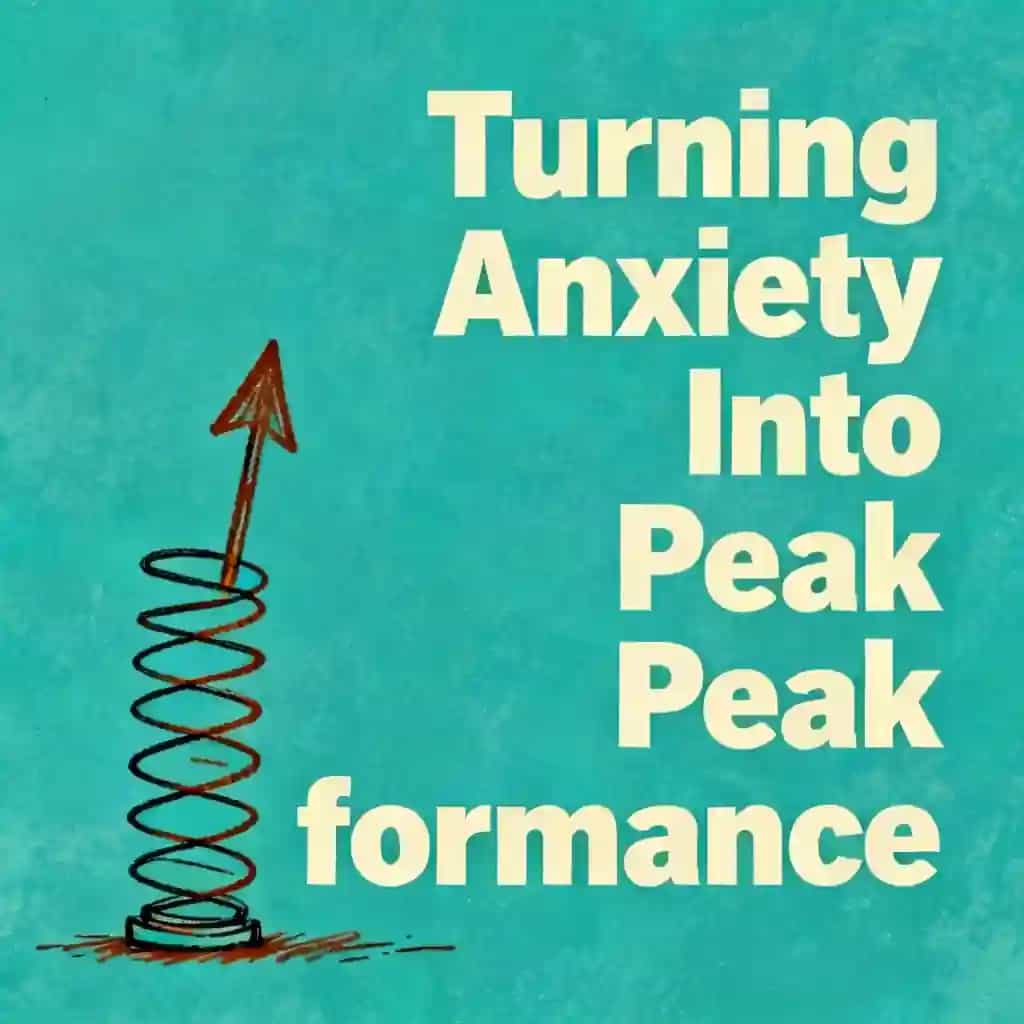
In today's fast-paced world, the ability to remain composed under pressure is a critical competitive advantage. This plan is designed for professionals and individuals in high-stress environments who want to master their physiological responses and transform anxiety into peak performance.

I want to learn how to overcome fears and how to act normally under pressure, how to take action and decisions under pressure and stress. How to overcome stress
I want to learn how to overcome fears and how to act normally under pressure, how to take action and decisions under pressure and stress. How to overcome stress
In our high-pressure world, the ability to perform under stress is increasingly essential for success in both professional and personal contexts. This learning plan provides practical tools for anyone who finds themselves freezing up, avoiding challenges, or making poor decisions when facing pressure situations.
Emotional control
Emotional control
In a world of constant stressors and triggers, emotional control is essential for personal effectiveness and wellbeing. This learning plan equips anyone struggling with emotional reactivity with science-backed techniques to understand, regulate, and ultimately master their emotional responses.

Find stress relief resources
Find stress relief resources
Chronic stress affects millions, leading to burnout, anxiety, and health issues. This learning plan equips anyone feeling overwhelmed—whether from work pressure, life transitions, or daily demands—with science-backed strategies to find immediate relief and build lasting resilience.
How to not go blank under pressure
How to not go blank under pressure
This plan is designed for professionals and performers who struggle with cognitive freezing during high-stakes moments. It provides a science-backed framework to transform stress into a competitive advantage by mastering mental clarity and flow.
Reset out of survival mode
Reset out of survival mode
Modern life often leaves individuals trapped in a cycle of chronic stress and hypervigilance that mimics a survival state. This plan is essential for anyone feeling burnt out or stuck in reactive patterns, providing the biological insight and regulation tools needed to reclaim a sense of safety.
"Instead of endless scrolling, I just hit play on BeFreed. It saves me so much time."


"I never knew where to start with nonfiction—BeFreed’s book lists turned into podcasts gave me a clear path."


"Perfect balance between learning and entertainment. Finished ‘Thinking, Fast and Slow’ on my commute this week."
"Crazy how much I learned while walking the dog. BeFreed = small habits → big gains."
"Reading used to feel like a chore. Now it’s just part of my lifestyle."

"Feels effortless compared to reading. I’ve finished 6 books this month already."
"BeFreed turned my guilty doomscrolling into something that feels productive and inspiring."

"BeFreed turned my commute into learning time. 20-min podcasts are perfect for finishing books I never had time for."
"BeFreed replaced my podcast queue. Imagine Spotify for books — that’s it. 🙌"

"It is great for me to learn something from the book without reading it."
"The themed book list podcasts help me connect ideas across authors—like a guided audio journey."
"Makes me feel smarter every time before going to work"
"Instead of endless scrolling, I just hit play on BeFreed. It saves me so much time."
"I never knew where to start with nonfiction—BeFreed’s book lists turned into podcasts gave me a clear path."
"Perfect balance between learning and entertainment. Finished ‘Thinking, Fast and Slow’ on my commute this week."
"Crazy how much I learned while walking the dog. BeFreed = small habits → big gains."
"Reading used to feel like a chore. Now it’s just part of my lifestyle."
"Feels effortless compared to reading. I’ve finished 6 books this month already."
"BeFreed turned my guilty doomscrolling into something that feels productive and inspiring."
"BeFreed turned my commute into learning time. 20-min podcasts are perfect for finishing books I never had time for."
"BeFreed replaced my podcast queue. Imagine Spotify for books — that’s it. 🙌"
"It is great for me to learn something from the book without reading it."
"The themed book list podcasts help me connect ideas across authors—like a guided audio journey."
"Makes me feel smarter every time before going to work"
"Instead of endless scrolling, I just hit play on BeFreed. It saves me so much time."
"I never knew where to start with nonfiction—BeFreed’s book lists turned into podcasts gave me a clear path."
"Perfect balance between learning and entertainment. Finished ‘Thinking, Fast and Slow’ on my commute this week."
"Crazy how much I learned while walking the dog. BeFreed = small habits → big gains."
"Reading used to feel like a chore. Now it’s just part of my lifestyle."
"Feels effortless compared to reading. I’ve finished 6 books this month already."
"BeFreed turned my guilty doomscrolling into something that feels productive and inspiring."
"BeFreed turned my commute into learning time. 20-min podcasts are perfect for finishing books I never had time for."
"BeFreed replaced my podcast queue. Imagine Spotify for books — that’s it. 🙌"
"It is great for me to learn something from the book without reading it."
"The themed book list podcasts help me connect ideas across authors—like a guided audio journey."
"Makes me feel smarter every time before going to work"
"Instead of endless scrolling, I just hit play on BeFreed. It saves me so much time."
"I never knew where to start with nonfiction—BeFreed’s book lists turned into podcasts gave me a clear path."
"Perfect balance between learning and entertainment. Finished ‘Thinking, Fast and Slow’ on my commute this week."
"Crazy how much I learned while walking the dog. BeFreed = small habits → big gains."
"Reading used to feel like a chore. Now it’s just part of my lifestyle."
"Feels effortless compared to reading. I’ve finished 6 books this month already."
"BeFreed turned my guilty doomscrolling into something that feels productive and inspiring."
"BeFreed turned my commute into learning time. 20-min podcasts are perfect for finishing books I never had time for."
"BeFreed replaced my podcast queue. Imagine Spotify for books — that’s it. 🙌"
"It is great for me to learn something from the book without reading it."
"The themed book list podcasts help me connect ideas across authors—like a guided audio journey."
"Makes me feel smarter every time before going to work"