What is Decision Making? Process, Alternatives, and Best Options
Learn what decision making is and how to identify and choose the best alternatives. Explore the process of effective problem solving and strategic selection.

What is Decision Making? Process, Alternatives, and Best Optionsのベスト引用
We like to think of ourselves as rational beings who weigh every option, but most of the time, we are just telling ourselves a story after the fact to justify an intuitive leap that was made in milliseconds.

このオーディオレッスンはBeFreedコミュニティメンバーが作成しました
What is Decision Making? Decision making is the process of identifying and choosing among alternatives. It involves selecting the best option based on

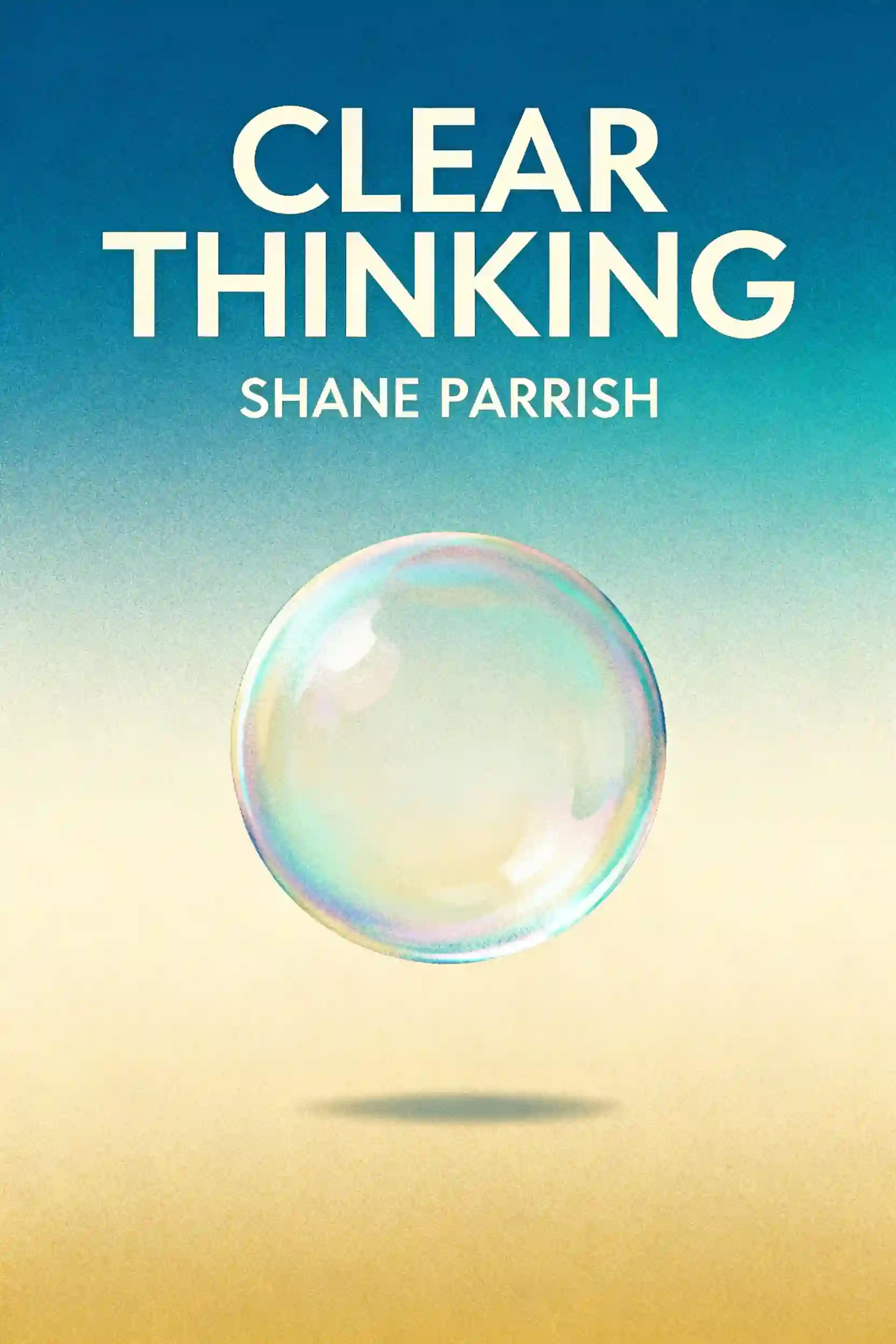
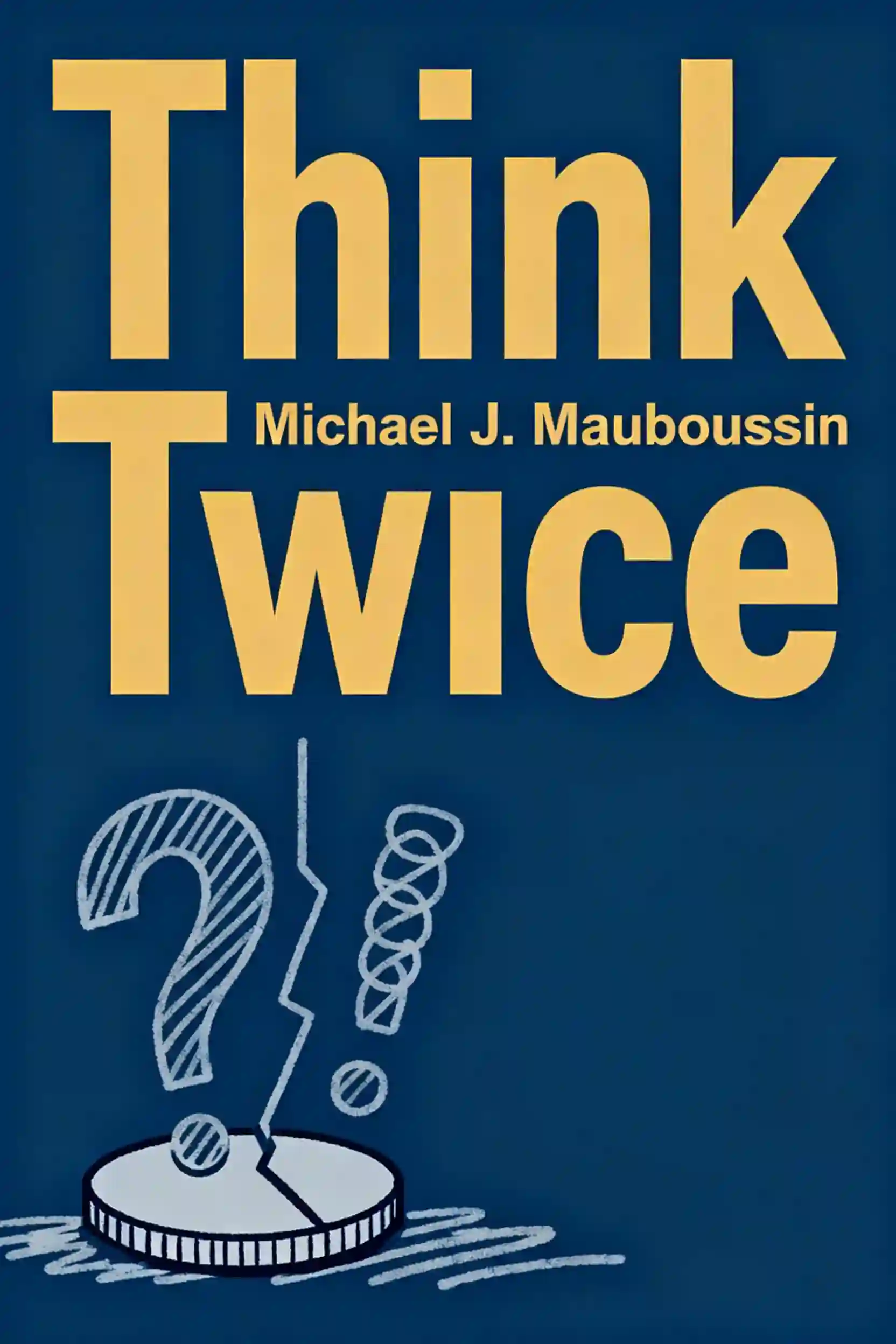
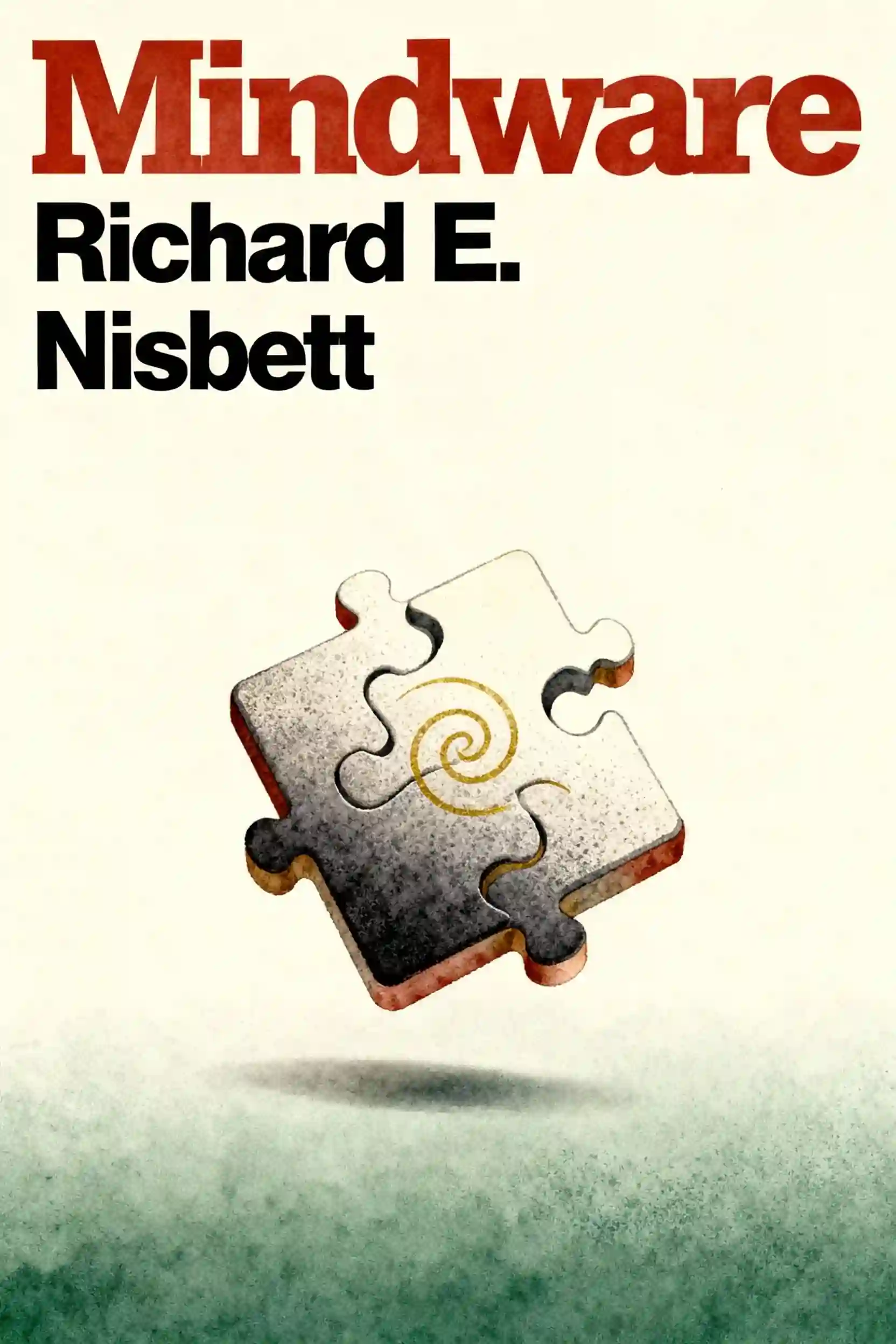
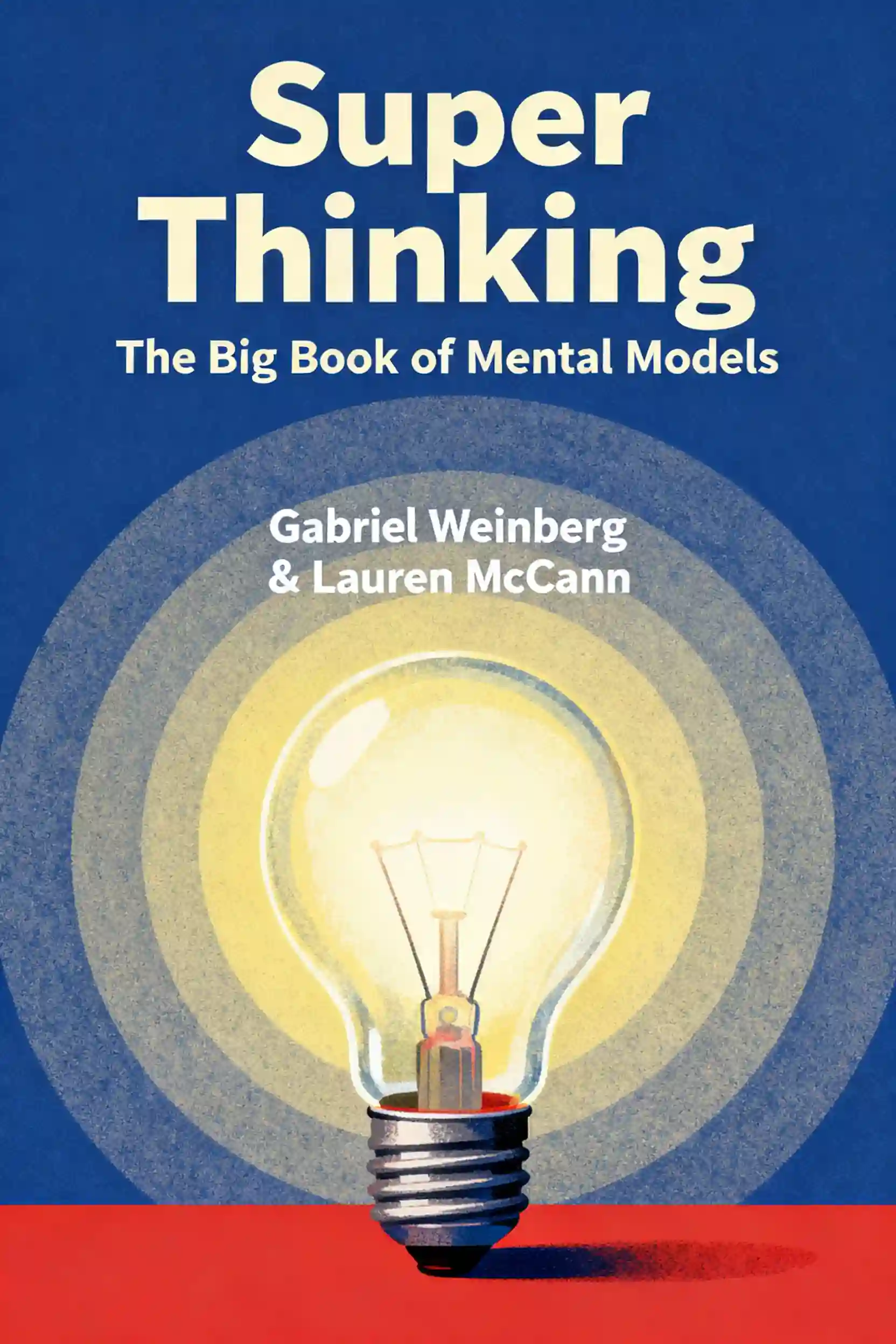
よくある質問
Decision making is the fundamental process of identifying various alternatives and choosing the most suitable option among them. It serves as a critical component of problem solving, where an individual or organization evaluates different paths to achieve a specific goal. By focusing on strategic decision making, you can ensure that the final selection is based on logical criteria and the best available information to reach a successful outcome.
The decision making process involves a systematic approach to selecting the best option from a set of alternatives. It begins with recognizing a need or problem, followed by gathering information and identifying potential solutions. Effective decision making requires analyzing these alternatives to understand their potential impact. By following this structured method, you can improve your ability to make informed, strategic choices that align with your long-term objectives.
Choosing alternatives is the heart of the decision making process because it allows for a comparative analysis of different strategies. Without exploring multiple options, you may miss the most effective solution to a problem. Strategic decision making emphasizes the importance of weighing the pros and cons of each alternative to ensure the final choice is the most beneficial. This careful selection process is what leads to more successful and reliable results in any situation.
もっと発見

Decide and Commit with Confidence
In an era of choice overload, the ability to filter noise and act decisively is a competitive advantage. This plan is designed for professionals and leaders who struggle with overthinking and want to replace decision fatigue with confident execution.

Stop Overthinking and Take Action
Overthinking traps millions in endless loops of analysis that prevent meaningful progress and cause unnecessary stress. This learning plan equips anyone struggling with decision paralysis or procrastination with practical tools to break free from mental gridlock and take consistent, purposeful action.

The Science of Better Choices
This learning plan is essential for anyone looking to bridge the gap between impulsive reactions and deliberate, rational decision-making. It is particularly beneficial for leaders and professionals who must navigate complex social environments and manage cognitive biases to achieve better outcomes.

The Grit of Decision Science
This plan bridges the gap between behavioral theory and practical application for professionals facing high-pressure choices. It is ideal for leaders and strategists who want to master the psychological friction between intuition and logic.

Decisive Action Under Uncertainty
In fast-paced environments, the inability to choose often leads to missed opportunities. This plan is designed for leaders and professionals who need to overcome analysis paralysis and lead with confidence despite incomplete data.

Build Unshakable Decision Confidence
This plan is designed for leaders and high-performers who feel drained by decision fatigue and constant second-guessing. By merging neural debugging with structured systems, it provides a practical framework to turn intuition into a reliable, high-speed asset.

Decision Strategy Under Extreme Pressure
This learning plan is essential for leaders and professionals operating in high-stakes environments where cognitive fatigue can lead to catastrophic errors. It provides a scientific approach to mastering the biological and psychological factors that influence judgment when the stakes are highest.

Build me a plan to stop my overthinking
Chronic overthinking can paralyze decision-making and drain your mental energy. This plan is designed for anyone feeling overwhelmed by their thoughts, providing science-backed techniques to regain control and foster a calmer mind.
"Instead of endless scrolling, I just hit play on BeFreed. It saves me so much time."


"I never knew where to start with nonfiction—BeFreed’s book lists turned into podcasts gave me a clear path."


"Perfect balance between learning and entertainment. Finished ‘Thinking, Fast and Slow’ on my commute this week."
"Crazy how much I learned while walking the dog. BeFreed = small habits → big gains."
"Reading used to feel like a chore. Now it’s just part of my lifestyle."

"Feels effortless compared to reading. I’ve finished 6 books this month already."
"BeFreed turned my guilty doomscrolling into something that feels productive and inspiring."

"BeFreed turned my commute into learning time. 20-min podcasts are perfect for finishing books I never had time for."
"BeFreed replaced my podcast queue. Imagine Spotify for books — that’s it. 🙌"

"It is great for me to learn something from the book without reading it."
"The themed book list podcasts help me connect ideas across authors—like a guided audio journey."
"Makes me feel smarter every time before going to work"
"Instead of endless scrolling, I just hit play on BeFreed. It saves me so much time."
"I never knew where to start with nonfiction—BeFreed’s book lists turned into podcasts gave me a clear path."
"Perfect balance between learning and entertainment. Finished ‘Thinking, Fast and Slow’ on my commute this week."
"Crazy how much I learned while walking the dog. BeFreed = small habits → big gains."
"Reading used to feel like a chore. Now it’s just part of my lifestyle."
"Feels effortless compared to reading. I’ve finished 6 books this month already."
"BeFreed turned my guilty doomscrolling into something that feels productive and inspiring."
"BeFreed turned my commute into learning time. 20-min podcasts are perfect for finishing books I never had time for."
"BeFreed replaced my podcast queue. Imagine Spotify for books — that’s it. 🙌"
"It is great for me to learn something from the book without reading it."
"The themed book list podcasts help me connect ideas across authors—like a guided audio journey."
"Makes me feel smarter every time before going to work"
"Instead of endless scrolling, I just hit play on BeFreed. It saves me so much time."
"I never knew where to start with nonfiction—BeFreed’s book lists turned into podcasts gave me a clear path."
"Perfect balance between learning and entertainment. Finished ‘Thinking, Fast and Slow’ on my commute this week."
"Crazy how much I learned while walking the dog. BeFreed = small habits → big gains."
"Reading used to feel like a chore. Now it’s just part of my lifestyle."
"Feels effortless compared to reading. I’ve finished 6 books this month already."
"BeFreed turned my guilty doomscrolling into something that feels productive and inspiring."
"BeFreed turned my commute into learning time. 20-min podcasts are perfect for finishing books I never had time for."
"BeFreed replaced my podcast queue. Imagine Spotify for books — that’s it. 🙌"
"It is great for me to learn something from the book without reading it."
"The themed book list podcasts help me connect ideas across authors—like a guided audio journey."
"Makes me feel smarter every time before going to work"
"Instead of endless scrolling, I just hit play on BeFreed. It saves me so much time."
"I never knew where to start with nonfiction—BeFreed’s book lists turned into podcasts gave me a clear path."
"Perfect balance between learning and entertainment. Finished ‘Thinking, Fast and Slow’ on my commute this week."
"Crazy how much I learned while walking the dog. BeFreed = small habits → big gains."
"Reading used to feel like a chore. Now it’s just part of my lifestyle."
"Feels effortless compared to reading. I’ve finished 6 books this month already."
"BeFreed turned my guilty doomscrolling into something that feels productive and inspiring."
"BeFreed turned my commute into learning time. 20-min podcasts are perfect for finishing books I never had time for."
"BeFreed replaced my podcast queue. Imagine Spotify for books — that’s it. 🙌"
"It is great for me to learn something from the book without reading it."
"The themed book list podcasts help me connect ideas across authors—like a guided audio journey."
"Makes me feel smarter every time before going to work"