Dear Darya: Healing from Betrayal and Reclaiming Your Worth
Explore the biological and emotional architecture of heartbreak as we guide Darya through the fog of abandonment. Learn to break trauma bonds, process the physicality of grief, and rebuild your narrative after being left behind.

Dear Darya: Healing from Betrayal and Reclaiming Your Worthのベスト引用
The betrayal says everything about the person who left, and nothing about your worthiness of being loved. It is a part of your history, but it is not the definition of your identity.
Generated by Freedee_C1767590
I'm feeling really broken because someone left me alone when I needed her the most make it name it dear darya

よくある質問
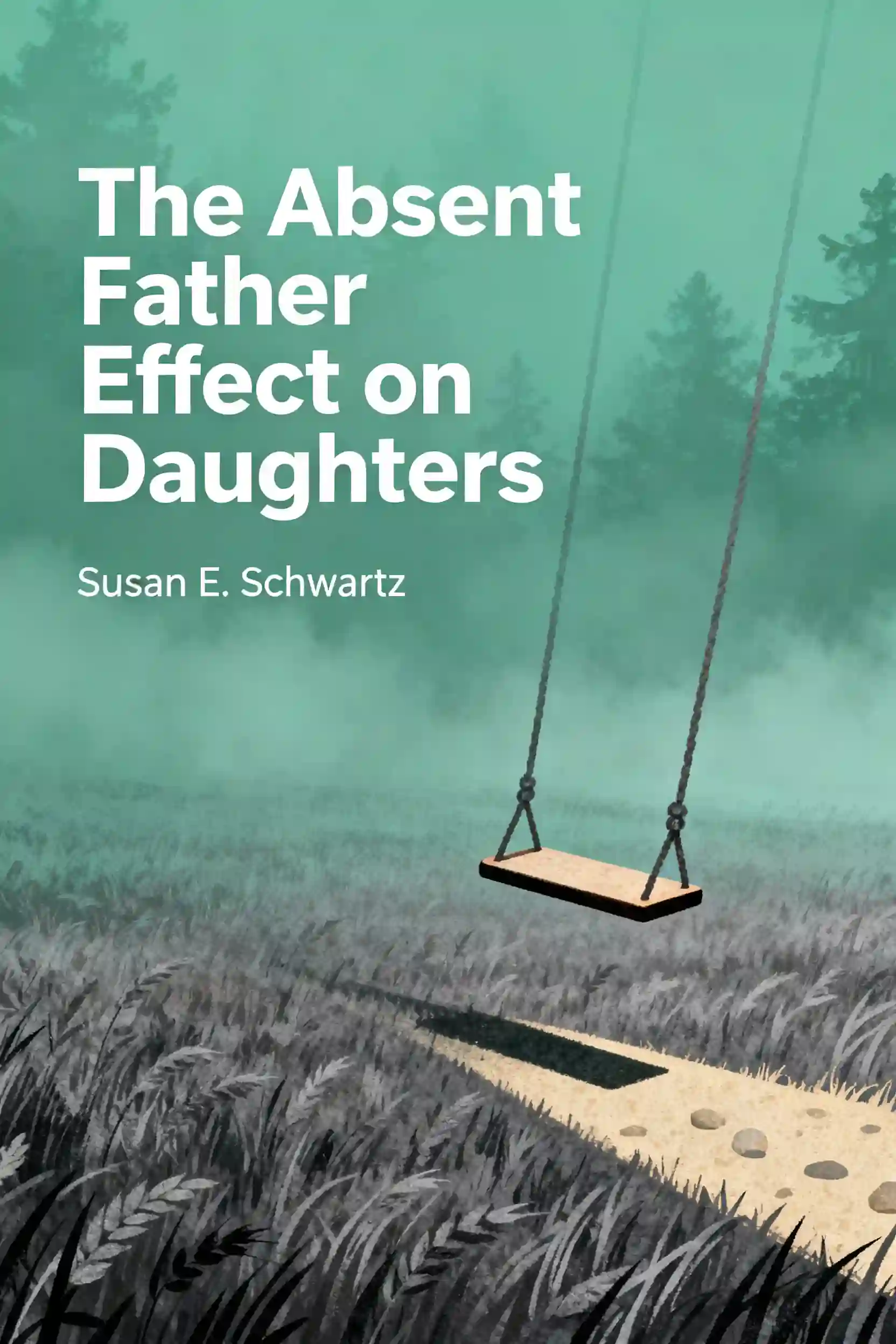
Betrayal trauma is more than just an emotional experience; it is a physiological event that hijacks the nervous system. When someone you rely on for safety violates your trust, your brain enters a "Code Red" survival mode, activating the amygdala and the body's fight-or-flight response. This creates a "double bind" where your attachment system seeks connection while your threat system screams for distance, resulting in physical symptoms like chest tightness, headaches, nausea, and exhaustion.
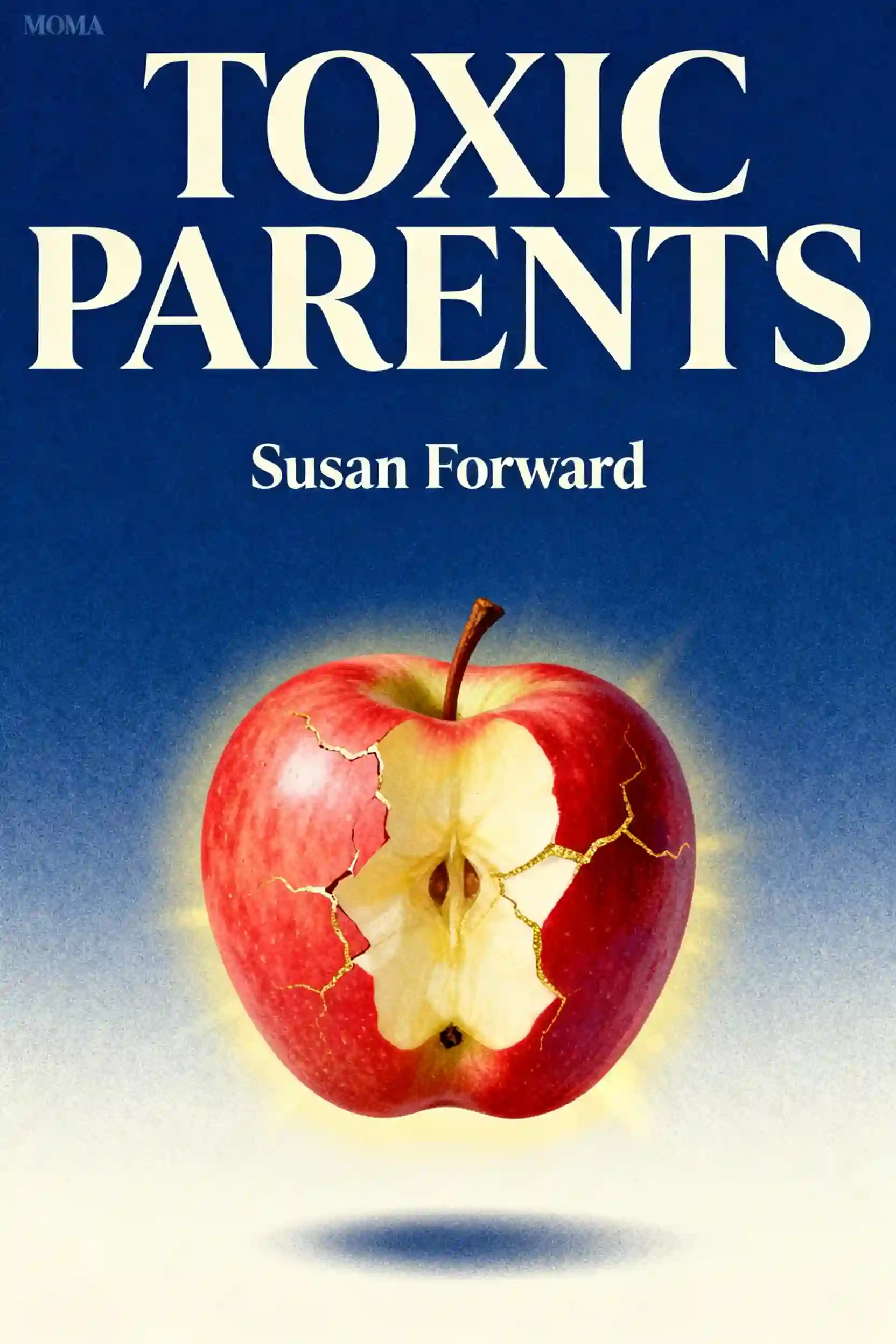
A trauma bond is a physiological survival mechanism where the brain clings to positive memories—the "sunshiney days"—to avoid the overwhelming pain of the "difficult stuff." This can lead to cognitive dissonance, where you struggle to reconcile the person who provided warmth with the person who caused harm. Additionally, the brain can experience "dissociative amnesia," where it blocks out the worst parts of a relationship to maintain an attachment bond, making the person feel missed even if the dynamic was unhealthy.
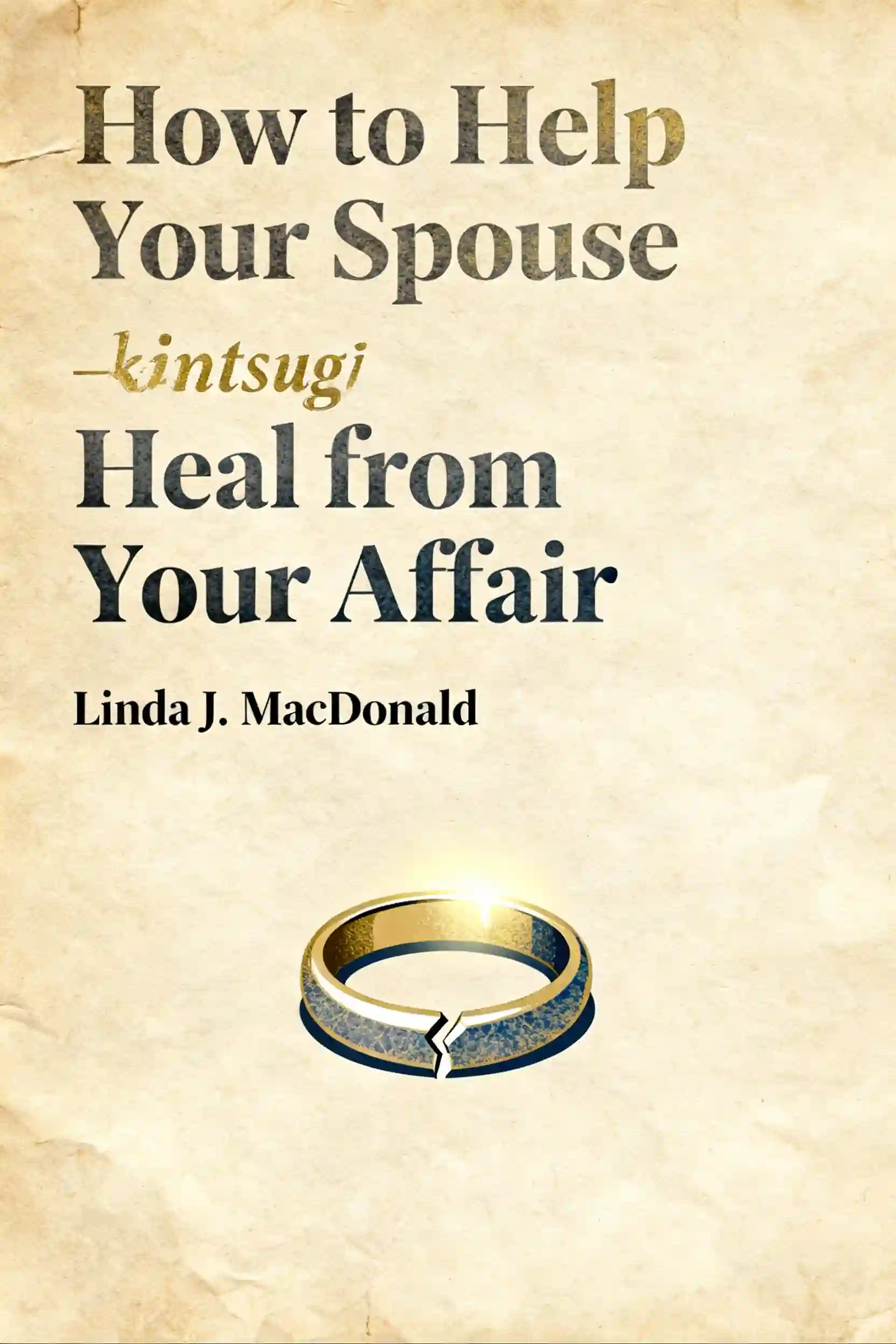
Rebuilding self-trust begins with returning to the body and honoring small, internal signals. Because betrayal often leads to "hindsight clarity" and self-blame, it is important to recognize that you made the best decisions you could with the information you had at the time. You can start restoring your internal compass by acknowledging and acting on basic needs—such as eating when you are hungry or resting when you are tired—and by keeping small, simple promises to yourself to prove you are reliable.
Replaying the event is the brain's attempt to solve a puzzle and prevent future harm. Because the amygdala handles fear, it can keep a traumatic memory "live," making it feel like it is happening in the present rather than the past. These "emotional flashbacks" can be triggered by tiny details, such as a specific phrase or look, causing a physical reaction. Healing involves "stabilization" through grounding techniques and routines to signal to the brain that the threat is no longer active.
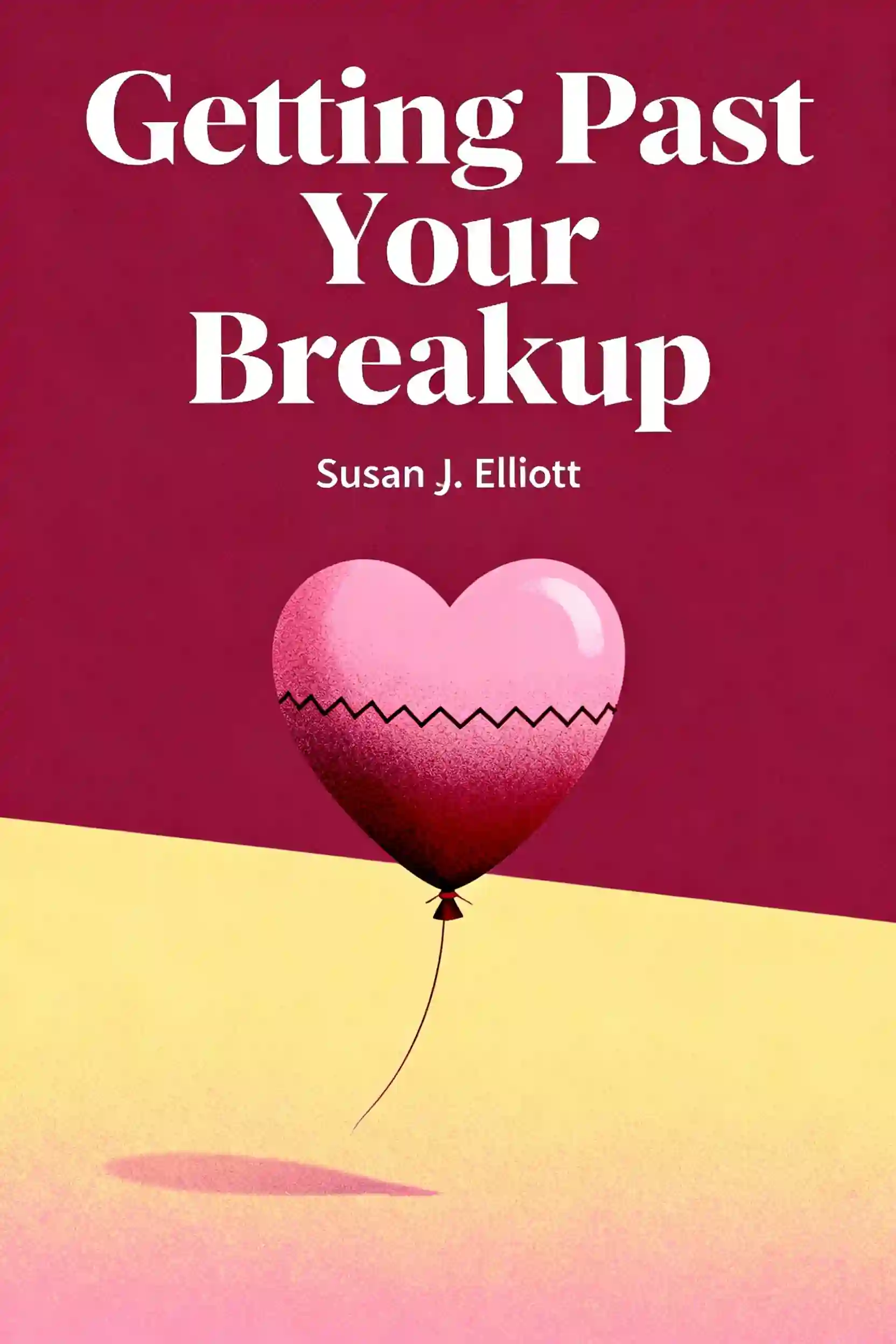
The "no contact" rule is a form of emotional first aid rather than a petty gesture. Breaking up causes a biological withdrawal from chemicals like dopamine and oxytocin that were present in the relationship. Every time you check a former partner's social media or read old texts, you re-trigger the brain's fear center and pour gasoline on the emotional fire. Distance provides the necessary space for the nervous system to settle and for the "withdrawal" symptoms to eventually fade.
"Instead of endless scrolling, I just hit play on BeFreed. It saves me so much time."


"I never knew where to start with nonfiction—BeFreed’s book lists turned into podcasts gave me a clear path."


"Perfect balance between learning and entertainment. Finished ‘Thinking, Fast and Slow’ on my commute this week."
"Crazy how much I learned while walking the dog. BeFreed = small habits → big gains."
"Reading used to feel like a chore. Now it’s just part of my lifestyle."

"Feels effortless compared to reading. I’ve finished 6 books this month already."
"BeFreed turned my guilty doomscrolling into something that feels productive and inspiring."

"BeFreed turned my commute into learning time. 20-min podcasts are perfect for finishing books I never had time for."
"BeFreed replaced my podcast queue. Imagine Spotify for books — that’s it. 🙌"

"It is great for me to learn something from the book without reading it."
"The themed book list podcasts help me connect ideas across authors—like a guided audio journey."
"Makes me feel smarter every time before going to work"
"Instead of endless scrolling, I just hit play on BeFreed. It saves me so much time."
"I never knew where to start with nonfiction—BeFreed’s book lists turned into podcasts gave me a clear path."
"Perfect balance between learning and entertainment. Finished ‘Thinking, Fast and Slow’ on my commute this week."
"Crazy how much I learned while walking the dog. BeFreed = small habits → big gains."
"Reading used to feel like a chore. Now it’s just part of my lifestyle."
"Feels effortless compared to reading. I’ve finished 6 books this month already."
"BeFreed turned my guilty doomscrolling into something that feels productive and inspiring."
"BeFreed turned my commute into learning time. 20-min podcasts are perfect for finishing books I never had time for."
"BeFreed replaced my podcast queue. Imagine Spotify for books — that’s it. 🙌"
"It is great for me to learn something from the book without reading it."
"The themed book list podcasts help me connect ideas across authors—like a guided audio journey."
"Makes me feel smarter every time before going to work"
"Instead of endless scrolling, I just hit play on BeFreed. It saves me so much time."
"I never knew where to start with nonfiction—BeFreed’s book lists turned into podcasts gave me a clear path."
"Perfect balance between learning and entertainment. Finished ‘Thinking, Fast and Slow’ on my commute this week."
"Crazy how much I learned while walking the dog. BeFreed = small habits → big gains."
"Reading used to feel like a chore. Now it’s just part of my lifestyle."
"Feels effortless compared to reading. I’ve finished 6 books this month already."
"BeFreed turned my guilty doomscrolling into something that feels productive and inspiring."
"BeFreed turned my commute into learning time. 20-min podcasts are perfect for finishing books I never had time for."
"BeFreed replaced my podcast queue. Imagine Spotify for books — that’s it. 🙌"
"It is great for me to learn something from the book without reading it."
"The themed book list podcasts help me connect ideas across authors—like a guided audio journey."
"Makes me feel smarter every time before going to work"
"Instead of endless scrolling, I just hit play on BeFreed. It saves me so much time."
"I never knew where to start with nonfiction—BeFreed’s book lists turned into podcasts gave me a clear path."
"Perfect balance between learning and entertainment. Finished ‘Thinking, Fast and Slow’ on my commute this week."
"Crazy how much I learned while walking the dog. BeFreed = small habits → big gains."
"Reading used to feel like a chore. Now it’s just part of my lifestyle."
"Feels effortless compared to reading. I’ve finished 6 books this month already."
"BeFreed turned my guilty doomscrolling into something that feels productive and inspiring."
"BeFreed turned my commute into learning time. 20-min podcasts are perfect for finishing books I never had time for."
"BeFreed replaced my podcast queue. Imagine Spotify for books — that’s it. 🙌"
"It is great for me to learn something from the book without reading it."
"The themed book list podcasts help me connect ideas across authors—like a guided audio journey."
"Makes me feel smarter every time before going to work"