BeFreed
    Categories>Leadership & Corp Culture>Coaching vs Mentorship: Key Differences and Benefits Explained

    Coaching vs Mentorship: Key Differences and Benefits Explained

    31分
    |
    |
    2026年4月14日
    Leadership & Corp CultureSelf-GrowthCareer & Business

    Explore the key differences between coaching vs mentorship. Learn how executive coaching and mentoring drive professional development and career growth.

    Coaching vs Mentorship: Key Differences and Benefits Explained
    聴き方を選ぶ

    1つのエピソード。いろいろな聴き方。

    Coaching vs Mentorship: Key Differences and Benefits Explainedの同じアイデアを、あなたに合う声・深さ・ペースで。いつでも切り替えられます。

    文字起こしとチャプター

    チャプター 1

    The Coaching and Mentoring Confusion

    Lena: You know, I was talking to a friend recently who just got promoted, and she was venting about how she’s "getting coached" by her boss. But the more she described it—her boss just sharing old war stories and telling her exactly who to talk to in Finance—the more I realized, that’s not actually coaching at all.

    Miles: Right! That is such a classic mistake. Organizations often call it coaching when it’s really mentoring. It’s a huge distinction because if you need to change a deep-seated behavior, like micromanaging, a mentor saying "I used to do that too" usually isn't enough to fix it.

    Lena: Exactly. It’s interesting how we treat them as interchangeable when they serve totally different purposes. One is about the "how to think" and the other is "what to do."

    Miles: Spot on. A coach asks better questions than they give answers, while a mentor is there to give you the playbook they’ve already written. So, let’s dive into the core boundaries between these two roles and how to tell which one you actually need.

    チャプター 2

    The Expert Dynamic and the Source of Wisdom

    Lena: You know, Miles, that "how to think" versus "what to do" distinction really hits home. But I want to dig into the power dynamic there. If I’m in a session, who’s actually supposed to be the "expert" in the room? Because I think that’s where the wires get crossed.

    Miles: That is the million-dollar question. In a traditional mentoring relationship, the mentor is clearly the expert. They’ve walked the path, they’ve got the gray hair—or the metaphorical gray hair—and they’re sharing that domain-specific wisdom. But in coaching? It’s a total flip. The underlying assumption in professional coaching—especially if you look at how the International Coaching Federation, or the ICF, defines it—is that the client is the expert on their own life.

    Lena: Wait, so if I’m the expert on my own life, what am I paying the coach for?

    Miles: You’re paying for the process. Think of it this way—the coach is an expert in facilitating discovery. They aren't there to give you the answers; they're there to help you unlock the ones you already have but can't see because you’re too close to the problem. The source of expertise isn't the coach’s resume; it’s their ability to ask the right questions, challenge your assumptions, and provide that structured accountability.

    Lena: So, it’s like the difference between a navigator who’s been to the island before and a mirror that shows you the Spinach in your teeth?

    Miles: Exactly! A mentor says, "Turn left at the big rock; that’s where I hit a reef in ‘98." A coach says, "What’s your current heading, and how does that align with where you said you wanted to go?" It’s interesting—if you look at some of the research, like that 2026 paper by Murphy, he argues that we actually over-manage performance and under-support it. He suggests that we should move away from this top-down "control" model and shift toward a support model.

    Lena: That makes sense. I saw a statistic from the 2025 ICF Global Coaching Study that really blew my mind. The coaching industry has exploded—it’s now a 5.34 billion dollar global industry with over 122,000 practitioners. People are clearly hungry for this, but if they go in expecting a mentor and get a coach—or vice versa—they’re going to be frustrated.

    Miles: Right, and that frustration usually comes from a "direction gap" versus a "skill gap." If you know what you need to do but you just can't seem to make yourself do it—like having that tough conversation with a direct report—you need a coach to help you figure out what’s blocking you. But if you’re staring at a complex organizational chart and you have no idea how to get a budget approved, you need a mentor who knows where the "unwritten rules" are buried.

    Lena: I love that—the unwritten rules. Mentors are like the keepers of the tribal knowledge. They tell you things that aren't in the handbook, like "Don't pitch to the VP before you get buy-in from the Finance Director."

    Miles: Precisely. And because mentoring is usually informal and often free, the relationship is built on rapport and chemistry. Coaching, on the other hand, is a formal, professional contract. You’re paying for a specific outcome over a specific timeframe—usually three to twelve months. It’s structured, it’s goal-oriented, and it’s time-bounded.

    Lena: So if I’m a manager, I shouldn't try to be a "coach" to my own team? Because I’ve heard that "manager-as-coach" phrase thrown around a lot lately.

    Miles: It’s a bit of a tightrope. A manager can use coaching skills—like active listening and powerful questioning—but you can never be a true "coach" to your direct report because you lack the one thing coaching requires: total confidentiality. You’re also the person who decides their bonus and their promotion. That power dynamic makes it impossible for the employee to be 100% vulnerable. You can be a mentor, sure. You can share your experience. But for deep behavior change? That often needs an outside professional.

    Lena: That’s a really important boundary. It’s like trying to be a therapist for your spouse—it might come from a good place, but the roles are just too tangled up to work effectively.

    Miles: Spot on. And that brings us to therapy, which is the other part of this "helping profession" triangle that people constantly confuse. We need to look at where the past, the present, and the future actually sit in these conversations.

    このエピソードで学びを深める

    このエピソードのアイデアを、BeFreedのガイド付き学習体験でさらに深めましょう。

    チャプター 3

    The Timeline of Transformation

    Lena: Okay, Miles, let’s talk about time. I’ve heard people say coaching is about the future and therapy is about the past. Is it really that simple?

    Miles: It’s a helpful shorthand, but it’s a bit more nuanced. Therapy is a clinical healthcare profession. It’s designed to diagnose and treat mental health conditions—think depression, anxiety, PTSD. It often looks at the past to understand how those patterns were formed so you can heal. Coaching is definitely forward-focused and action-oriented. The ICF defines it as a partnership to "maximize personal and professional potential." It’s about where you are now and where you want to be.

    Lena: So, if I’m struggling with a pattern of self-sabotage, is that a "past" problem for a therapist or a "future" problem for a coach?

    Miles: It depends on the root. If that self-sabotage is tied to clinical trauma or an anxiety disorder, that is 100% the domain of a licensed therapist. In fact, a major legal and ethical boundary for coaches is that they must not cross into diagnostic or therapeutic territory. CPH Insurance actually notes that coaches have to avoid using clinical language to stay on the right side of licensing laws. But if your "sabotage" is just a lack of accountability or a need for better time-management systems, a coach is the perfect fit.

    Lena: I see. And then mentoring is kind of like the "long-haul" relationship on this timeline, right?

    Miles: Exactly. Mentoring often spans years, sometimes even an entire career. It’s not necessarily about a three-month "sprint" to hit a goal. It’s about ongoing wisdom transfer. One source, the UK Life Coach Training Centre, explains it beautifully: mentoring is about knowledge transfer from the outside in, while coaching is about growth from the inside out.

    Lena: That’s such a clear way to put it. Mentoring is "I’m giving you my tools," and coaching is "I’m helping you sharpen yours."

    Miles: Right! And the cost reflects that difference too. Therapy is often covered by insurance because it’s a medical necessity. Coaching almost never is. You’re looking at anywhere from 75 to 300 dollars per session for a life coach, and executive coaches can charge 200 to 500 dollars an hour. Mentoring, though? Usually free. It’s often an organic, volunteer-based thing.

    Lena: So, if I’m on a budget, a mentor is the way to go?

    Miles: Not necessarily. If you have a specific performance issue—like you’re a great coder but you’re a terrible communicator and it’s stalling your career—a mentor might tell you "just be more clear," but a coach will actually put you through the drills to make you clear. That’s an investment. There’s a story in the sources about a mentee named Marcus who was stuck at a junior level. His mentor identified the gap—visibility and communication—and then coached him through stakeholder management. He got his senior promotion in 14 months, which was half the usual time.

    Lena: So he actually used a blend! His mentor used coaching techniques to get him over the hump.

    Miles: Yes! And that’s a huge trend for 2026—the "blended" approach. But you have to know which "hat" you’re wearing. If you’re a mentor trying to coach, you might accidentally give advice when the person actually needs to find their own answer to truly "own" the change. And if you’re a coach trying to mentor, you might be withholding vital industry knowledge just to stick to your "no advice" rule.

    Lena: It’s like a specialized toolkit. You wouldn't use a screwdriver to hammer a nail, even if they’re both "tools."

    Miles: Exactly. And speaking of toolkits, the coaching world has some very specific "blueprints" or models they follow to keep these conversations from just turning into a "coffee chat" where nothing actually changes.

    Lena: Oh, I love a good framework. Let’s talk about those models—the GROWs and the OSKARs of the world.

    チャプター 4

    The Architecture of a Coaching Conversation

    Miles: If you’ve ever been in a coaching session that felt incredibly productive—like you did more thinking in 45 minutes than you did all week—chances are your coach was using a structured model. The most famous one is the GROW model, developed by Sir John Whitmore back in the 90s.

    Lena: GROW. I’m guessing that’s an acronym?

    Miles: You got it. Goal, Reality, Options, and Will. It’s deceptively simple. You start by defining exactly what you want to achieve—the Goal. Then you look at the Reality—where are you right now? What have you tried? Then you brainstorm Options—what could you do? And finally, Will—what will you do?

    Lena: It sounds almost too simple. Why does it work so well?

    Miles: Because it forces you to slow down. Most of us jump from "Goal" straight to "Action" without actually assessing the Reality or exploring all the Options. A coach using GROW keeps you in that "Options" phase longer than you’d stay there on your own. They’ll ask, "What else?" and "If you had a magic wand, what would you do?" It pulls out those creative solutions you usually ignore because they seem "impractical" at first glance.

    Lena: I read that using these structured models can increase goal attainment by up to 70 percent compared to just having an unstructured talk. That’s a massive difference.

    Miles: It really is. And there are other models for different situations. Like the OSKAR model—Outcome, Scaling, Know-how, Affirm, and Review. This one is great when you’re feeling stuck or discouraged because it focuses on what’s already working. It uses "scaling questions," like "On a scale of 1 to 10, how close are you to your goal?" If you say "4," the coach doesn't ask why you aren't at a 10. They ask, "What makes it a 4 and not a 2?"

    Lena: Oh, I see! It forces you to acknowledge the progress you’ve already made. That’s such a psychological win.

    Miles: Precisely. It builds "know-how" by looking at your existing strengths. Then there’s the CLEAR model—Contracting, Listening, Exploring, Action, and Review. This one is more "relational." It focuses a lot on the "Contracting" phase at the beginning—really getting clear on the boundaries of the relationship and what we’re actually here to do.

    Lena: It sounds like coaching is much more of a "science" than mentoring, which feels more like an "art."

    Miles: That’s a great way to put it. Mentoring is very much about the chemistry and the stories. There isn't really an "OSKAR" model for mentoring. It’s more fluid. You might spend one session talking about a big career move and the next just venting about a difficult board meeting. But in coaching, if you aren't moving toward a measurable outcome, the session is essentially failing.

    Lena: And that’s why coaching is often time-bound, right? You don't want to be "in coaching" forever. You want to hit the goal and then move on.

    Miles: Right. Most engagements are three to six months. If it goes on for years, it either turns into mentoring or it becomes a "crutch," which is the opposite of what coaching is supposed to do. A good coach wants to put themselves out of a job by helping you develop the skills to "self-coach" in the future.

    Lena: I love that idea—becoming your own coach. But what about the organizational side? If I’m a leader trying to build a culture of this, how do I actually implement it without it just becoming another "HR initiative" that everyone ignores?

    Miles: That’s the "Storm" Alex faced in one of our sources. He was a project lead who was great at logistics but terrible at rallying his team. He used coaching to fix his feedback skills—turning "you need to step up" into "what one change could make your day smoother?"—and his team’s trust scores jumped 25 percent.

    Lena: 25 percent just from changing how he asked for feedback? That’s huge.

    Miles: It really is. And it shows that coaching isn't just for "struggling" people. It’s for high performers who want to get to that next level. But to make it stick, you need more than just one-off sessions. You need to look at how these relationships actually work in the real world—the "Practical Playbook," so to speak.

    このエピソードで学びを深める

    このエピソードのアイデアを、BeFreedのガイド付き学習体験でさらに深めましょう。

    チャプター 5

    The Practical Playbook for Success

    Lena: Okay, Miles, let’s get tactical. If I’m a listener right now and I’m thinking, "I definitely need some help, but I’m still not 100 percent sure which path to take," how do I decide? Give me the "Decision Tree."

    Miles: Love a good decision tree. Let’s start with the problem itself. Question one: Is your problem defined or undefined? If you can say, "I need to get better at public speaking before the October summit," that’s a defined goal. You need a coach. If your problem is more like, "I feel stuck in my career and I don't know if I should stay in Engineering or move to Product," that’s undefined. You need a mentor to help you explore the landscape.

    Lena: Okay, that makes sense. Defined equals Coach, Undefined equals Mentor. What’s next?

    Miles: Question two: Do you want accountability or wisdom? If you know what to do but you keep procrastinating, you need a coach to hold your feet to the fire. If you genuinely don't know how to handle a specific political situation at work, you need the wisdom of a mentor who has survived it.

    Lena: Got it. And what about the "Who, What, When" framework?

    Miles: For a Coach: Who is a trained professional, often with a certification like the ICF-ACC. What is a structured, time-bound series of sessions focused on behavior change. When is right now, when you have a specific performance gap to close.

    Lena: And for a Mentor?

    Miles: Who is a more experienced peer or senior leader who has "been there, done that." What is an informal, long-term relationship based on advice and story-sharing. When is for the long haul—navigating your career trajectory over years.

    Lena: I think one of the biggest pitfalls people fall into is "calling it coaching when it’s really mentoring." I see this in "internal coaching" programs all the time. A senior VP is assigned to "coach" a junior manager, but all the VP does is tell them how they did things in the 90s.

    Miles: Exactly! And the junior manager just nods along because, well, it’s a VP. That’s not coaching; that’s a lecture with a nicer name. A true coach, even an internal one, would be asking, "What does leadership look like for you in this current hybrid environment?"—which is a totally different world than the one that VP grew up in.

    Lena: Right, especially today in 2026, where the workplace is changing so fast. The "old way" might not even work anymore. That’s why that "inner discovery" of coaching is so vital—it helps you adapt to situations that your mentor might not have even faced.

    Miles: Precisely. Another pitfall? Using coaching as a "punishment." If a manager says, "You’re underperforming, so we’re putting you in coaching," the employee is going to be defensive and closed off. Coaching works best when it’s seen as a "benefit" for high-potential people. In fact, 70 percent of Fortune 500 companies now use coaching for onboarding managers to help them through that rocky first transition.

    Lena: And what about the cost? We mentioned that mentoring is usually free, but professional mentoring platforms like MentorCruise are a thing now too, right?

    Miles: Yeah, and they’re actually a middle ground. They charge about 120 dollars a month, which is way cheaper than executive coaching, but it gives you that "skin in the game." One of the problems with volunteer mentoring is that it often "fizzles out" because neither person feels a formal commitment. When you pay a little, you show up prepared.

    Lena: That’s a great point. "Skin in the game" changes the energy of the conversation. So, if I’m ready to start, I should look for someone who "listens more than they talk" in that first chemistry session?

    Miles: 100 percent. If you’re interviewing a potential coach and they spend 40 minutes telling you how great they are, keep looking. A good coach should be making you do the hard work of thinking from minute one.

    チャプター 6

    The ROI of Growth and Performance

    Lena: Miles, we’ve talked about the "feeling" of these relationships, but let’s talk numbers. Because if someone is going to drop 300 dollars a session on a coach, or an organization is going to invest in a mentoring program, they want to see the ROI. What does the data actually say?

    Miles: The numbers are actually pretty startling. For leadership coaching, organizations often see a return of five to seven times their initial investment. Think about it—if you spend 5,000 dollars on coaching for a manager, and it prevents a high-performer from quitting or helps the manager lead a project that finishes 35 percent ahead of schedule, that pays for itself almost instantly.

    Lena: And what about retention? I know that’s a huge pain point for companies right now.

    Miles: It’s massive. 94 percent of leaders who receive coaching report improved job performance, and companies like Google and PwC have reported significant drops in voluntary turnover—sometimes up to 15 or 20 percent—after implementing blended coaching and mentoring programs. People don't leave companies; they leave managers who aren't helping them grow.

    Lena: That makes sense. If I feel like my company is investing in my future, I’m much more likely to stick around. But how do we measure "growth"? It feels so subjective compared to, say, sales targets.

    Miles: It is harder to measure, but there are ways. One source mentions "Behavioral Milestone Tracking." Instead of just a vague "they got better at leading," you track specific, observable shifts. Did they lead the meeting instead of micromanaging the slides? Did they provide direct feedback without a "buffer"? You can also use 360-degree feedback loops—asking peers and direct reports if they’ve noticed a change.

    Lena: I like that—360-degree feedback. It takes the "ego" out of it and looks at the actual impact on the team. But the research also says that feedback alone isn't enough, right?

    Miles: Right! There was a meta-analysis that found leaders who worked with a coach after receiving 360-degree feedback showed significantly more improvement than those who just got the feedback and were left to figure it out on their own. Feedback tells you where the hole is; coaching helps you build the ladder to get out of it.

    Lena: And what about the ROI of mentoring? Since it’s often free, is the "return" just a "nice-to-have"?

    Miles: Not at all. For startups, even just one solid mentor session can juice growth by 30 percent. And for underrepresented leaders, mentoring is a game-changer. Diverse executives who are mentored advance 24 percent faster than those who aren't. It’s about "access" as much as "wisdom." A mentor opens doors that a coach—who is an outsider—simply can't.

    Lena: So, the ROI of a mentor is often in the network they provide, while the ROI of a coach is in the skill they build.

    Miles: Spot on. And here’s a fascinating trend for 2026: AI integration. We’re seeing platforms that use AI to "smart-match" coaches and mentors based on behavioral data and industry needs. It’s taking the "guesswork" out of finding a good fit. Some people are even using AI for "micro-coaching" between sessions—getting quick prompts to reflect on a meeting they just finished.

    Lena: That’s wild. But I’m assuming AI can't replace the "trust" factor of a human relationship?

    Miles: Exactly. The "working alliance"—that bond between the coach and the client—is actually the number one predictor of success, more than any specific model or AI tool. You need that psychological safety to be truly honest about your failures.

    Lena: It’s that human connection that creates the "space" for transformation. You can't be vulnerable with an algorithm in the same way you can with a person who says, "I hear you, and I’ve been there."

    Miles: And that vulnerability is exactly what leads to the "Aha!" moments that change everything. But those moments don't just happen by accident—they’re the result of a very intentional process.

    このエピソードで学びを深める

    このエピソードのアイデアを、BeFreedのガイド付き学習体験でさらに深めましょう。

    チャプター 7

    The Intersection of Culture and Resilience

    Lena: Miles, we’ve spent a lot of time on the "how" and "what," but I want to talk about the "where." Specifically, the workplace culture. Because you can have the best coach in the world, but if you go back to a toxic office, does that growth even stand a chance?

    Miles: You’ve hit on something crucial. Coaching and mentoring don't exist in a vacuum. A "coaching culture" is one where growth is the default, not an exception. In these organizations, feedback isn't a scary annual event; it’s a daily conversation. As one of our sources mentions, the goal in 2026 is moving from "episodic training" to "ongoing coaching conversations."

    Lena: I love that shift. It’s the difference between going to a weekend "leadership retreat" and actually leading differently on a Tuesday morning.

    Miles: Exactly. And that’s where the "resilience" piece comes in. When you have a culture of coaching and mentoring, people feel more supported, which means they can handle the "storms" of the modern economy much better. There’s research showing that coaching significantly improves resilience and well-being. In one study, employees who received coaching-informed support returned to work faster after a leave of absence because they had the "coping resources" to handle the stress.

    Lena: So, it’s not just about "performance" in the sense of hitting quotas—it’s about "sustainability." Helping people stay in the game without burning out.

    Miles: Precisely. And this is especially important for Gen Z, who are flooding into leadership roles right now. According to a 2026 Deloitte survey, 65 percent of Gen Z leaders prioritize "growth opportunities" over pay. They expect to be coached and mentored. If a company doesn't offer that, they’re going to lose their best talent to someone who does.

    Lena: It’s a competitive advantage. But it also sounds like a lot of work for a manager. How do they find the time to be "supportive" while also, you know, doing their actual job?

    Miles: It’s about shifting the style of leadership. It’s the "What, So What, Now What?" framework we mentioned. When a team member comes to you with a problem, instead of spending 20 minutes fixing it yourself, you spend five minutes asking: "What exactly happened? So what is the impact of that? And now what are your options?" Over time, that actually saves you time because your team becomes more autonomous.

    Lena: Right! You’re building "problem-solving muscle" in your team rather than being the "sole source of answers." It’s a long-term play for short-term sanity.

    Miles: Exactly. And mentoring plays into this too by building "institutional wisdom." When senior leaders mentor junior ones, they aren't just giving advice—they’re ensuring the company’s "DNA" survives. They’re passing on the culture, the values, and the "why" behind how things are done.

    Lena: It’s like a legacy project. But it has to be intentional. I read that "random matching" in mentoring programs rarely works. You need that chemistry and shared values for it to actually take root.

    Miles: Definitely. And that brings us to the "Self-Determination Theory" mentioned in the research. People are most motivated when they feel three things: Autonomy, Competence, and Relatedness. Coaching builds autonomy by letting you find your own way. Mentoring builds competence by sharing knowledge. And both build relatedness through that supportive relationship.

    Lena: It’s a perfect trifecta for human flourishing at work. It makes the "9 to 5" feel like something that actually adds to your life, rather than just draining it.

    Miles: And that’s the ultimate goal, isn't it? To build leaders who don't just "manage" people, but who actually "catalyze" them.

    チャプター 8

    The Transformational Shift in Identity

    Lena: You know, Miles, as we’ve been talking, I’ve realized that both coaching and mentoring—at their deepest level—are really about identity. It’s not just "how do I do this job better?" but "who am I becoming as a leader?"

    Miles: That is so profound, and it’s exactly what the research on "Transformational Coaching" highlights. It goes beyond the "transactional"—like hitting a sales target—to the "transformational." It’s about a shift in your "frame of reference." One source describes it as moving away from "deficit-based" thinking—focusing on what’s wrong with you—toward "strengths-oriented" thinking.

    Lena: I love that. "Coach the person, not the problem." If you fix the person’s perspective, the problem often solves itself, or at least becomes much easier to handle.

    Miles: Exactly. And this is where "Perspective Reframing" comes in. A coach might ask, "What if this challenge isn't an obstacle, but an opportunity to test a new skill?" Suddenly, the stress of a reorganization turns into a "leadership lab." That’s a total identity shift. You aren't a "victim" of the change; you’re an "agent" of it.

    Lena: And a mentor helps with this too, right? By sharing their own "identity shifts." Like, "I used to think being a good boss meant having all the answers, but then I realized it’s about having the best questions."

    Miles: Yes! That’s "Role Modeling." When you see someone you respect admit their own "disorienting dilemmas"—those moments where they had to totally rethink who they were—it gives you permission to do the same. It normalizes the struggle.

    Lena: It makes the "imposter syndrome" feel less like a secret shame and more like a standard part of the journey.

    Miles: Right. And for diverse leaders, this "identity reconstruction" is even more vital. Mentoring can help someone from an underrepresented group navigate an environment that wasn't necessarily built for them, helping them find their own "authentic leadership" style rather than just trying to blend in.

    Lena: That’s so powerful. It’s about finding your "voice" in a system that might be muffled. And coaching gives you the "drills" to practice using that voice until it feels natural.

    Miles: Precisely. We’re seeing this in healthcare too, where "Health Coaching" is helping providers develop more empathy. It’s shifting their identity from "disease managers" to "wellness partners." The patient outcomes are significantly better because the relationship itself has been transformed.

    Lena: It really shows that these principles are universal. Whether you’re an athlete, a doctor, a teacher, or a CEO, the need for that "reflective mirror" and that "seasoned guide" is the same.

    Miles: It really is. And it’s why, in 2026, we’re seeing a move away from "binary" thinking—like, "I’m either a success or a failure"—toward "pluralistic" understanding. Realizing that growth is a messy, iterative process.

    Lena: It’s a "Growth Mindset" in action. And it’s why the "Will" or "Way Forward" part of the coaching model is so important. It’s not just about the "Aha!" moment; it’s about the "What now?"

    Miles: Right. The ultimate measure of coaching isn't "insight." It’s whether you do something differently on Monday morning.

    このエピソードで学びを深める

    このエピソードのアイデアを、BeFreedのガイド付き学習体験でさらに深めましょう。

    チャプター 9

    The Future of Human Potential

    Lena: Miles, this has been such a deep dive. I feel like we’ve mapped out the entire "developmental ecosystem." But for someone who is ready to take that first step—maybe they’re feeling that "intellectual unrest" we talked about—what’s the one thing they should do today?

    Miles: I’d say start with a "Self-Audit." Look at the biggest challenge you’re facing right now. Then ask yourself: "Do I lack the know-how to solve this, or do I lack the accountability to do what I already know I should?"

    Lena: Oh, that’s a sharp one. "Know-how" equals Mentor. "Accountability" equals Coach.

    Miles: Exactly. And if it’s a bit of both, that’s okay too! Many people use both simultaneously. You might work with a therapist to process some "past" baggage, a coach to hit a "present" performance goal, and a mentor to help you plan your "future" career pivot. Each has their own "lane."

    Lena: It’s like a "personal board of directors." You wouldn't expect one person to be your everything.

    Miles: Right. And remember the "Power Dynamic." In coaching, you are the expert. In mentoring, they are. Don't let a "mentor-disguised-as-a-coach" take away your autonomy. And don't let a "coach-disguised-as-a-mentor" withhold the advice you actually need to move forward.

    Lena: That’s such a key takeaway. Protect your own growth process by knowing which relationship you’re in.

    Miles: And for the managers listening—start small. Use the "One-Thing" question at the end of your next meeting: "Based on what we discussed, what is the one thing you will focus on doing differently next week?" It shifts the focus from "compliance" to "commitment."

    Lena: I love that. It’s a tiny coaching move that can have a massive ripple effect. And it builds that "coaching culture" we talked about, one conversation at a time.

    Miles: Exactly. The coaching industry might be worth billions, but the most valuable part is the change it creates in individual lives. As Sir John Whitmore said, "Coaching is unlocking a person’s potential to maximize their own performance."

    Lena: "Helping them to learn rather than teaching them." That’s a beautiful place to land.

    Miles: It really is. And whether you’re looking for a mentor to share their "war stories" or a coach to challenge your "blind spots," the fact that you’re looking for growth at all is the most important part.

    Lena: It’s the start of the transformation.

    チャプター 10

    Closing Reflections on Your Growth Journey

    Lena: You know, as we wrap things up today, Miles, I’m struck by how much these roles—coaching and mentoring—are really about partnership. It’s a reminder that we don't have to figure it all out alone. Whether you’re a new manager like Alex, trying to find your footing, or a senior executive looking for that next "growth edge," there’s a structured way to get there.

    Miles: Absolutely. And the biggest takeaway for me is that distinction between "process" and "product." Coaching gives you the process to find your own way, while mentoring gives you the product of someone else’s experience. Knowing which one you need at any given moment is like having a compass in a storm. It doesn't make the waves go away, but it tells you which way to steer.

    Lena: I love that analogy. It’s about agency. Coaching, mentoring, therapy—they’re all tools to help you regain your agency in a world that can often feel pretty overwhelming. They remind you that you have the power to change your behaviors, your perspective, and ultimately, your impact on the world.

    Miles: Right. And to everyone listening, I’d encourage you to think about that "Personal Board of Directors" Lena mentioned. Do you have a "navigator" who knows the terrain? Do you have a "mirror" who will tell you the truth? And do you have a "safe space" to process the deeper stuff? If there’s a gap in your board, maybe this is the week you start looking to fill it.

    Lena: It’s a powerful reflection. And even if you aren't ready to hire a professional yet, you can start applying these principles yourself. Ask yourself those "powerful questions." Challenge your own assumptions. Share your wisdom with someone who’s a few steps behind you. We all have something to give and something to learn.

    Miles: Exactly. The "coaching culture" starts with you. It starts with a willingness to be curious instead of just being "right."

    Lena: Well said. We want to thank you all for joining us on this deep dive into coaching and mentoring. It’s such a fascinating intersection of psychology, business, and human potential, and we hope it’s given you some concrete tools to take into your own work and life.

    Miles: Definitely. Take a moment today to reflect on where you are on your timeline. Are you looking back, looking forward, or just trying to survive the present? Whatever the answer, there’s a path for you.

    Lena: Thanks for listening, and we’ll leave you with that one question to ponder: What is the one thing you will do differently tomorrow?

    ★★★★★

    Coaching vs Mentorship: Key Differences and Benefits Explainedを最後まで学びました

    “23日間、毎日使い続けています。今では日課の一部です。”

    jayallen

    Coaching vs Mentorship: Key Differences and Benefits Explainedのベスト引用

    “

    Mentoring is about knowledge transfer from the outside in, while coaching is about growth from the inside out.

    ”
    T

    Generated by Toby

    質問を入力

    Coaching vs mentorship

    ホストの声
    Lenaplay
    Milesplay
    知識ソース
    You Coach You
    Leadership Revolution
    The Leadership Pipeline
    Strategize to Win
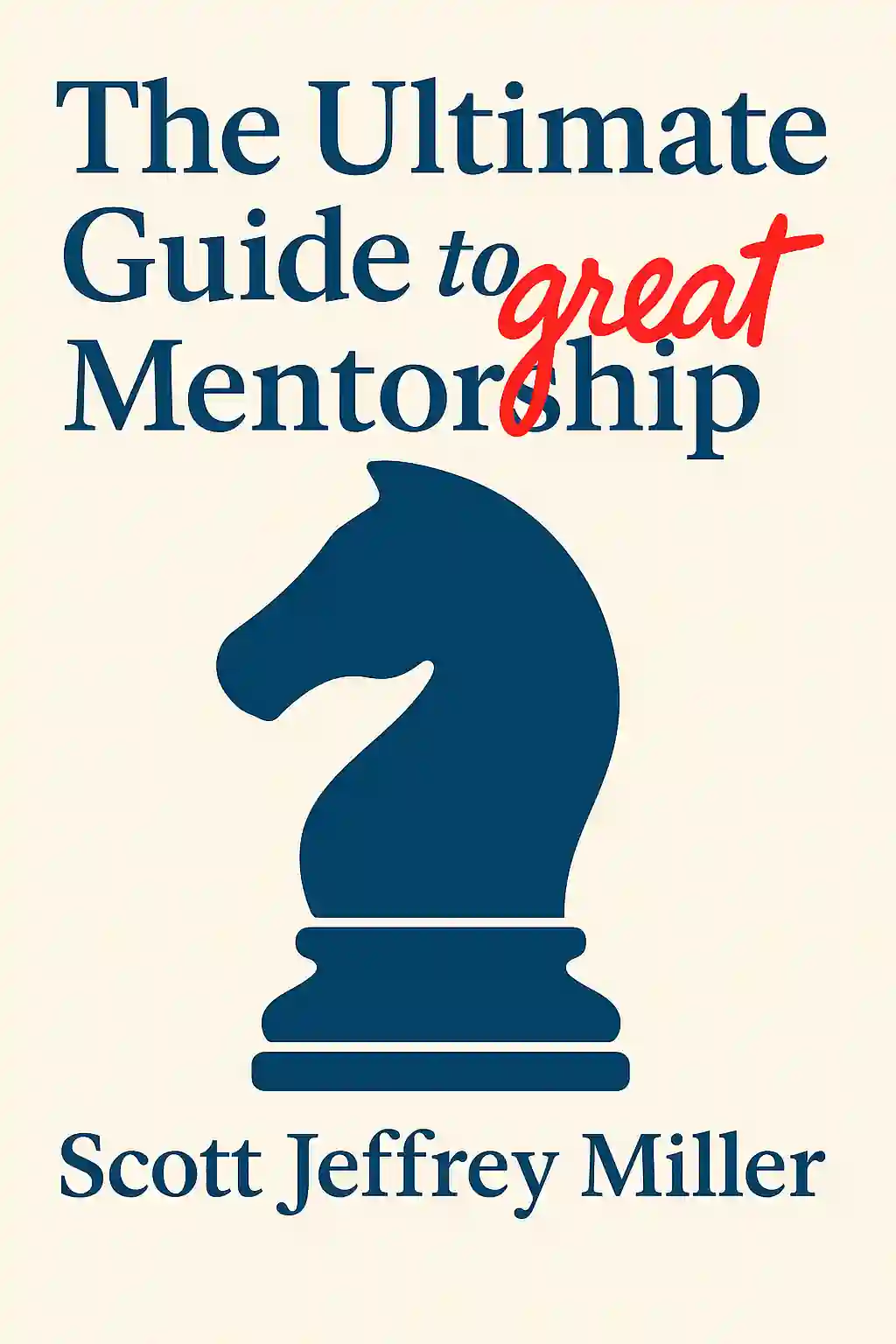
    The Ultimate Guide to Great Mentorship
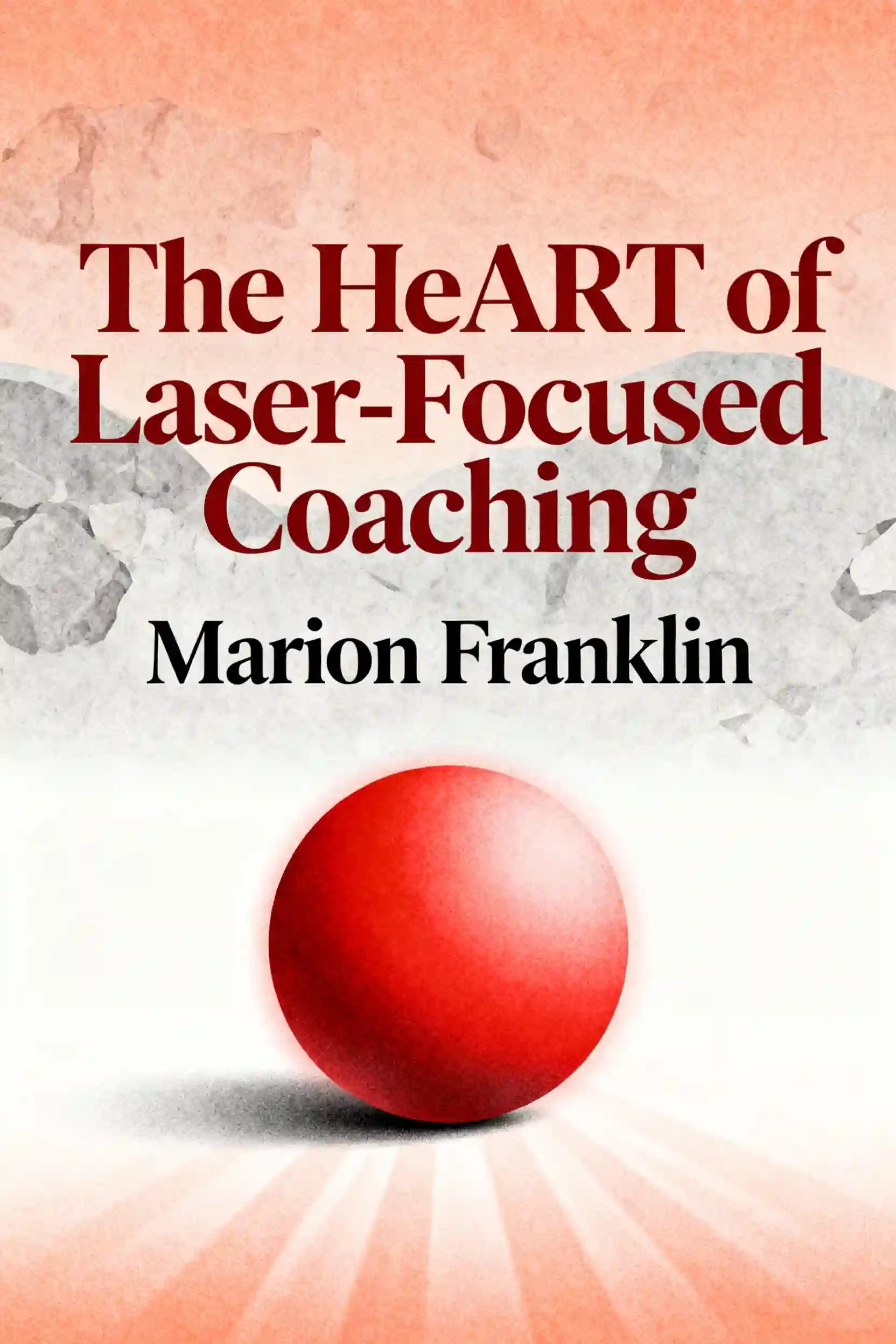
    The HeART of Laser-Focused Coaching

    よくある質問

    The primary difference lies in the structure and goals of the relationship. Coaching is typically task-oriented and performance-driven, often focusing on specific skills or leadership training over a set period. In contrast, mentorship is relationship-oriented, focusing on long-term career growth and professional development through the guidance of a more experienced individual. While coaching seeks to unlock immediate potential, mentoring provides a broader roadmap for navigating a professional journey.

    Executive coaching contributes to professional development by providing tailored, one-on-one sessions designed to improve specific leadership competencies. It helps high-level professionals identify blind spots, enhance decision-making, and refine their management style. By focusing on actionable goals and accountability, executive coaching accelerates career growth and ensures that leaders are equipped to handle the complexities of their roles within an organization, leading to measurable performance improvements.

    Mentoring is vital for long-term career growth because it fosters a supportive environment where knowledge and experience are shared freely. A mentor acts as a trusted advisor, helping a mentee navigate workplace culture, build professional networks, and make informed career decisions. This relationship-driven approach goes beyond technical skills, offering the wisdom and perspective needed to overcome challenges and seize opportunities for advancement over many years of a professional's life.

    Yes, effective leadership training programs often integrate both coaching and mentoring to provide a comprehensive development experience. Coaching can be used to address specific behavioral changes or skill gaps required for a new role, while mentoring connects emerging leaders with seasoned executives for strategic guidance. Combining these two approaches ensures that individuals receive both the tactical support and the high-level vision necessary to succeed in demanding leadership positions.

    コロンビア大学卒業生が開発 | サンフランシスコ発

    BeFreedは好奇心旺盛な仲間が集うグローバルコミュニティ

    4.7

    平均評価

    7,840件以上のアプリ評価

    BeFreedコミュニティ

    正直、まだアプリを使いこなせていませんが、この数日使っただけで本当に感動しました… BeFreed は、今まで使ったどの学習アプリともレベルが違います。夢中になれるうえに集中力も実際に上がるので、スマホをだらだら見てしまう人にぴったりです!

    @ladyInfinity

    ちょうど 23 日前に BeFreed を購入して、それから毎日欠かさず使っています。仕事の流れと学習習慣に完全に溶け込みました。

    @jayallen

    正直なところ、このアプリは期待をすべて超えてきました。どんなテーマでも音声を生成してもらえて、その結果には驚かされます。私の専門は心理療法で、多分野にまたがる領域ですが、それでも回答はとても正確です。

    @Raguipa

    何よりありがたいのは、スマホをだらだら見る時間が減ったことです。探す時間が減って、吸収する時間が増えました。オーディオブック、ポッドキャスト、学習プランの組み合わせが素晴らしいです。

    @colonyofcreatorsNGO

    私は 24 年間、PhotoReading 加速学習のインストラクターをしています… 本と読書と学びが私の専門ですが、BeFreed は情報を消化しやすい形で届ける革新的なアプローチを見事に実現しています。

    @BeFreed user

    ただの本の要約アプリではありません。「ファン」スタイルを使ってみたら、従来のやり方よりずっと良い要約で、アイデアもつかみやすいです。これだけでも十分元が取れます。

    @austinakon

    このアプリが大好きです。数日使っただけで、聞くのが止まらなくなりました。始め方として最高です。

    @jcrules328

    本当に気に入っています。約 1 か月試していますが、まさに掘り出し物だと感じます。BeFreed で自分だけのテーマを作れるのが便利で、声も素晴らしく、ナレーションの選択肢は無限です。

    @DanielCZ

    正直、まだアプリを使いこなせていませんが、この数日使っただけで本当に感動しました… BeFreed は、今まで使ったどの学習アプリともレベルが違います。夢中になれるうえに集中力も実際に上がるので、スマホをだらだら見てしまう人にぴったりです!

    @ladyInfinity

    ちょうど 23 日前に BeFreed を購入して、それから毎日欠かさず使っています。仕事の流れと学習習慣に完全に溶け込みました。

    @jayallen

    正直なところ、このアプリは期待をすべて超えてきました。どんなテーマでも音声を生成してもらえて、その結果には驚かされます。私の専門は心理療法で、多分野にまたがる領域ですが、それでも回答はとても正確です。

    @Raguipa

    何よりありがたいのは、スマホをだらだら見る時間が減ったことです。探す時間が減って、吸収する時間が増えました。オーディオブック、ポッドキャスト、学習プランの組み合わせが素晴らしいです。

    @colonyofcreatorsNGO

    私は 24 年間、PhotoReading 加速学習のインストラクターをしています… 本と読書と学びが私の専門ですが、BeFreed は情報を消化しやすい形で届ける革新的なアプローチを見事に実現しています。

    @BeFreed user

    ただの本の要約アプリではありません。「ファン」スタイルを使ってみたら、従来のやり方よりずっと良い要約で、アイデアもつかみやすいです。これだけでも十分元が取れます。

    @austinakon

    このアプリが大好きです。数日使っただけで、聞くのが止まらなくなりました。始め方として最高です。

    @jcrules328

    本当に気に入っています。約 1 か月試していますが、まさに掘り出し物だと感じます。BeFreed で自分だけのテーマを作れるのが便利で、声も素晴らしく、ナレーションの選択肢は無限です。

    @DanielCZ

    役立つ情報やアイデアを 8〜15 分のポッドキャスト風音声にぎゅっとまとめて聞けるのが最高です。ポッドキャストは余計な話が多くて苦手でしたが、これは無駄を全部そぎ落としてくれます。

    @BeFreed user

    博士課程の仕上げの段階で、なじみのない資料を大量に読む必要があります… BeFreed ならプロンプトを入力するだけで、アプリが資料を探して音声ポッドキャストを作ってくれます。BeFreed のほうが NotebookLM よりも流れがスムーズだと感じます。

    @Brad

    朝食を作りながら、散歩しながら、通勤しながら聞くものを YouTube でよく探していましたが、BeFreed は広告も余計な話もなしで、もっと的を絞った聞き方をさせてくれます!

    @BeFreed user

    このプラットフォームの一番の魅力は、その万能さです。扱えないテーマは文字どおりひとつもありません。何を投げても応えてくれます… 制限がまったくないのに約束をきちんと果たしてくれる学習ツールには、なかなか出会えません。

    @jayallen

    BeFreed は素晴らしいです。使いやすいデザインのおかげで、操作に迷う時間が減り、学ぶ時間が増えました。オーディオブック、ポッドキャスト、学習プランの組み合わせは天才的で、毎日の習慣がすっかり変わりました。

    @BeFreed user

    最初はイタリア語でポッドキャストを作る方法を理解するのに少し時間がかかりましたが、わかった瞬間、最高でした!どんなテーマでも説明してもらえて、しかもとても賢く、うまく話してくれます!

    @matteo77

    BeFreed は毎日使うオーディオブックアプリになりました… 一番気に入っているのは、自分のテキストを入れると、外出先でも聞ける音声にしてくれるところです。

    @kotanzu1

    役立つ情報やアイデアを 8〜15 分のポッドキャスト風音声にぎゅっとまとめて聞けるのが最高です。ポッドキャストは余計な話が多くて苦手でしたが、これは無駄を全部そぎ落としてくれます。

    @BeFreed user

    博士課程の仕上げの段階で、なじみのない資料を大量に読む必要があります… BeFreed ならプロンプトを入力するだけで、アプリが資料を探して音声ポッドキャストを作ってくれます。BeFreed のほうが NotebookLM よりも流れがスムーズだと感じます。

    @Brad

    朝食を作りながら、散歩しながら、通勤しながら聞くものを YouTube でよく探していましたが、BeFreed は広告も余計な話もなしで、もっと的を絞った聞き方をさせてくれます!

    @BeFreed user

    このプラットフォームの一番の魅力は、その万能さです。扱えないテーマは文字どおりひとつもありません。何を投げても応えてくれます… 制限がまったくないのに約束をきちんと果たしてくれる学習ツールには、なかなか出会えません。

    @jayallen

    BeFreed は素晴らしいです。使いやすいデザインのおかげで、操作に迷う時間が減り、学ぶ時間が増えました。オーディオブック、ポッドキャスト、学習プランの組み合わせは天才的で、毎日の習慣がすっかり変わりました。

    @BeFreed user

    最初はイタリア語でポッドキャストを作る方法を理解するのに少し時間がかかりましたが、わかった瞬間、最高でした!どんなテーマでも説明してもらえて、しかもとても賢く、うまく話してくれます!

    @matteo77

    BeFreed は毎日使うオーディオブックアプリになりました… 一番気に入っているのは、自分のテキストを入れると、外出先でも聞ける音声にしてくれるところです。

    @kotanzu1

    BeFreedがウェブ上でどのように話題になっているかをもっと見る
    129.7K19.5K
    55.2K19.2K
    154.2K10827355
    48.1K2.5K
    81.2K6.6K
    82.3K1.8K
    今すぐ学習の旅を始めよう
    BeFreedアプリ
    BeFreed

    なんでも、あなた向けに学ぶ

    DiscordLinkedIn
    注目の書籍要約
    Crucial ConversationsThe Perfect MarriageInto the WildNever Split the DifferenceAttachedGood to GreatSay Nothing
    人気のカテゴリ
    Self HelpCommunication SkillRelationshipMindfulnessPhilosophyInspirationProductivity
    著名人の読書リスト
    Elon MuskCharlie KirkBill GatesSteve JobsAndrew HubermanJoe RoganJordan Peterson
    受賞作品コレクション
    Pulitzer PrizeNational Book AwardGoodreads Choice AwardsNobel Prize in LiteratureNew York TimesCaldecott MedalNebula Award
    注目のトピック
    ManagementAmerican HistoryWarTradingStoicismAnxietySex
    年別ベストブック
    2025 Best Non Fiction Books2024 Best Non Fiction Books2023 Best Non Fiction Books
    注目の著者
    Chimamanda Ngozi AdichieGeorge OrwellO. J. SimpsonBarbara O'NeillWinston ChurchillCharlie Kirk
    BeFreed vs 他のアプリ
    BeFreed vs. Other Book Summary AppsBeFreed vs. ElevenReaderBeFreed vs. ReadwiseBeFreed vs. Anki
    学習ツール
    Knowledge VisualizerAI Podcast Generator
    情報
    会社概要arrow
    料金arrow
    よくある質問arrow
    ブログarrow
    採用情報arrow
    パートナーシップarrow
    アンバサダープログラムarrow
    ディレクトリarrow
    BeFreed
    Try now
    © 2026 BeFreed
    利用規約プライバシーポリシー
    BeFreed

    なんでも、あなた向けに学ぶ

    DiscordLinkedIn
    注目の書籍要約
    Crucial ConversationsThe Perfect MarriageInto the WildNever Split the DifferenceAttachedGood to GreatSay Nothing
    人気のカテゴリ
    Self HelpCommunication SkillRelationshipMindfulnessPhilosophyInspirationProductivity
    著名人の読書リスト
    Elon MuskCharlie KirkBill GatesSteve JobsAndrew HubermanJoe RoganJordan Peterson
    受賞作品コレクション
    Pulitzer PrizeNational Book AwardGoodreads Choice AwardsNobel Prize in LiteratureNew York TimesCaldecott MedalNebula Award
    注目のトピック
    ManagementAmerican HistoryWarTradingStoicismAnxietySex
    年別ベストブック
    2025 Best Non Fiction Books2024 Best Non Fiction Books2023 Best Non Fiction Books
    学習ツール
    Knowledge VisualizerAI Podcast Generator
    注目の著者
    Chimamanda Ngozi AdichieGeorge OrwellO. J. SimpsonBarbara O'NeillWinston ChurchillCharlie Kirk
    BeFreed vs 他のアプリ
    BeFreed vs. Other Book Summary AppsBeFreed vs. ElevenReaderBeFreed vs. ReadwiseBeFreed vs. Anki
    情報
    会社概要arrow
    料金arrow
    よくある質問arrow
    ブログarrow
    採用情報arrow
    パートナーシップarrow
    アンバサダープログラムarrow
    ディレクトリarrow
    BeFreed
    Try now
    © 2026 BeFreed
    利用規約プライバシーポリシー

    関連コンテンツ

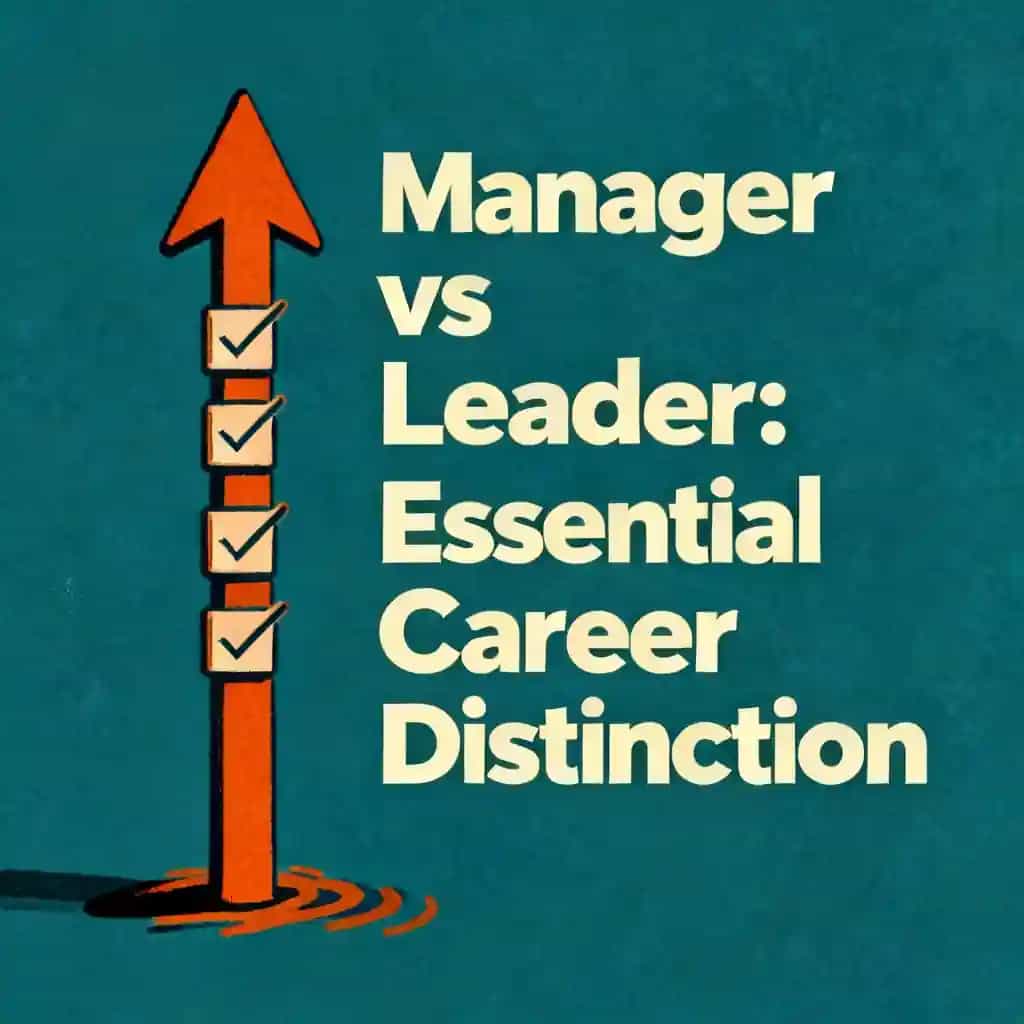
    Manager vs Leader: The Essential Career Distinction の書籍表紙
    Management vs. Leadership: Similarities and DifferencesLeadership vs Management: Key Differences and Examplessource 3source 4
    6 sources
    Manager vs Leader: The Essential Career Distinction
    Explore the crucial differences between managing and leading, from vision versus process to inspiring followers versus directing subordinates. Discover how to blend both skill sets for maximum professional impact.
    7 min
    Executive Coaching as Strategic Sparring Partnership の書籍表紙
    source 1source 2The Role of a CEO's Strategic Sparring Partner - C-SuitWhy C-Suite Leaders Still Need Executive Coaches
    6 sources
    Executive Coaching as Strategic Sparring Partnership
    Discover why top leaders need challenging coaches who push back, create breakthrough moments, and serve as strategic sparring partners rather than comfortable advisors.
    13 min
    The Art of the Mentor Ask の書籍表紙
    Coffee Lunch CoffeeMentorship UnlockedThe Ultimate Guide to Great MentorshipReach Out
    26 sources
    The Art of the Mentor Ask
    Discover effective strategies for approaching potential mentors, from organic relationship-building to formal requests, and learn why 87% of mentoring relationships leave both parties feeling more confident and empowered.
    47 min
    Coaching psychology is more than giving advice の書籍表紙
    Becoming a professional life coachThe HeART of Laser-Focused CoachingDBT Made SimpleSkills in Existential Counselling and Psychotherapy
    28 sources
    Coaching psychology is more than giving advice
    Stop guessing what works in your sessions. Learn how evidence-based science and psychological tools help you move from gut instinct to proven results.
    39 min
    Motivation and the Coaching Mindset の書籍表紙
    Coaching dynamics in elite volleyball: The role of a need-supportive and need-thwarting coaching style during competitive gamesPsychological Antecedents of Italian Sport Coaches’ Coaching Behaviors: The Role of Basic Psychological Needs, Motivation and Subjective Vitalitysource 3Review of self-determination theory and its application in coaching ...
    6 sources
    Motivation and the Coaching Mindset
    Why does pressure often backfire? Explore how supporting basic psychological needs fuels elite performance and prevents burnout in any leadership role.
    23 min
    Leadership and coaching: Why giving advice is a trap の書籍表紙
    Unlocking PotentialCoaching for Performance2026 CEO Coaching: Orchestrating the Human-AI Ecosystem7 Leadership Lessons From the Coach Who Mentored Steve Jobs, Eric Schmidt, and Jeff Bezos | Leaderonomics
    7 sources
    Leadership and coaching: Why giving advice is a trap
    Leaders often feel pressured to have all the answers, but solving every problem disempowers your team. Learn how to use better questions to build capacity.
    31 min
    Coaching Underperformers to Excellence の書籍表紙
    How to Coach an Underperforming Employee: 4-Step Framework"Manager Coaching and Feedback That Actually Changes Behavior""Dealing With Underperformance Without Firing"A Manager's Guide to Performance Plans for Employee Improvement
    7 sources
    Coaching Underperformers to Excellence
    Polite feedback often fails to fix sliding performance. Learn how to move from being a manager with answers to a thinking partner who gets results.
    866 min
    Coaching Beyond the Cliche の書籍表紙
    7 Game-Changing Coaching Principles, Part 2: Better Goal Setting, Using Practices To Build Skills, And The Best Way To Confidence TestFrontiers | Positive Psychology Micro-Coaching Intervention: Effects on Psychological Capital and Goal-Related Self-EfficacyGoal Setting Strategies: 6 Frameworks for Achieving Goals | Built InThe Complete Guide to Goal-Setting Frameworks: Compared and Explained (2026) — Plan With AI
    4 sources
    Coaching Beyond the Cliche
    Generic coaching styles often stall client progress. Learn how behavioral goal setting and the 90% confidence rule build lasting psychological capital.
    19 min

    Recommended Learning Plans

    Become an expert life coach
    学習プラン

    Become an expert life coach

    Professional life coaching is a rapidly growing field where the difference between adequate and exceptional coaches lies in their depth of psychological understanding and business acumen. This comprehensive learning path is ideal for aspiring coaches looking to build a credible practice, helping professionals wanting to add coaching to their skillset, or existing coaches seeking to elevate their impact and income through mastery of both the art and business of transformation.

    5 h 9 m•4 セクション
    Life Coaching for Beginners & Pro Coaches
    学習プラン

    Life Coaching for Beginners & Pro Coaches

    This plan bridges the gap between coaching theory and business success by integrating psychological science with practical entrepreneurial strategies. It is ideal for aspiring coaches and professionals looking to deepen their impact and build a sustainable, profitable practice.

    5 h 44 m•4 セクション
    Coach Others for Greater Confidence
    学習プラン

    Coach Others for Greater Confidence

    This learning plan is essential for managers, mentors, and aspiring coaches who want to empower their teams through evidence-based psychological frameworks. It bridges the gap between basic leadership and advanced coaching mastery, providing the tools necessary to unlock potential and drive lasting professional confidence.

    5 h 22 m•4 セクション
    From Peer to Respected Leader
    学習プラン

    From Peer to Respected Leader

    Transitioning from a peer to a manager is one of the most challenging career shifts, requiring a delicate balance of authority and empathy. This plan is essential for new leaders who need to redefine their professional relationships and master the art of difficult conversations.

    1 h 30 m•3 セクション
    Lead Better: Manager Skills
    学習プラン

    Lead Better: Manager Skills

    This learning plan provides a complete leadership development journey for managers at all levels, from those making their first transition into management to executives scaling organizations. It addresses the most critical leadership challenges—building credibility, developing people, driving change, and multiplying impact—with practical frameworks that deliver immediate results while building long-term strategic capabilities.

    4 h 23 m•4 セクション
    Become a Manager People Respect
    学習プラン

    Become a Manager People Respect

    Transitioning into management requires a fundamental shift in mindset from personal output to team empowerment. This plan is designed for new or aspiring managers who want to build a foundation of trust, master coaching techniques, and develop the cultural influence necessary to lead respected teams.

    4 h 18 m•4 セクション
    Advance My Career
    学習プラン

    Advance My Career

    This plan is designed for ambitious professionals looking to transition from management into high-impact leadership roles. It bridges the gap between technical competence and the executive presence required to drive organizational transformation.

    11 h 56 m•5 セクション
    How to be an ICF master coach.
    学習プラン

    How to be an ICF master coach.

    This comprehensive path is designed for aspiring and experienced coaches aiming for the highest tier of ICF certification. It bridges the gap between foundational skills and master-level mastery by blending behavioral science with business excellence.

    5 h 12 m•4 セクション