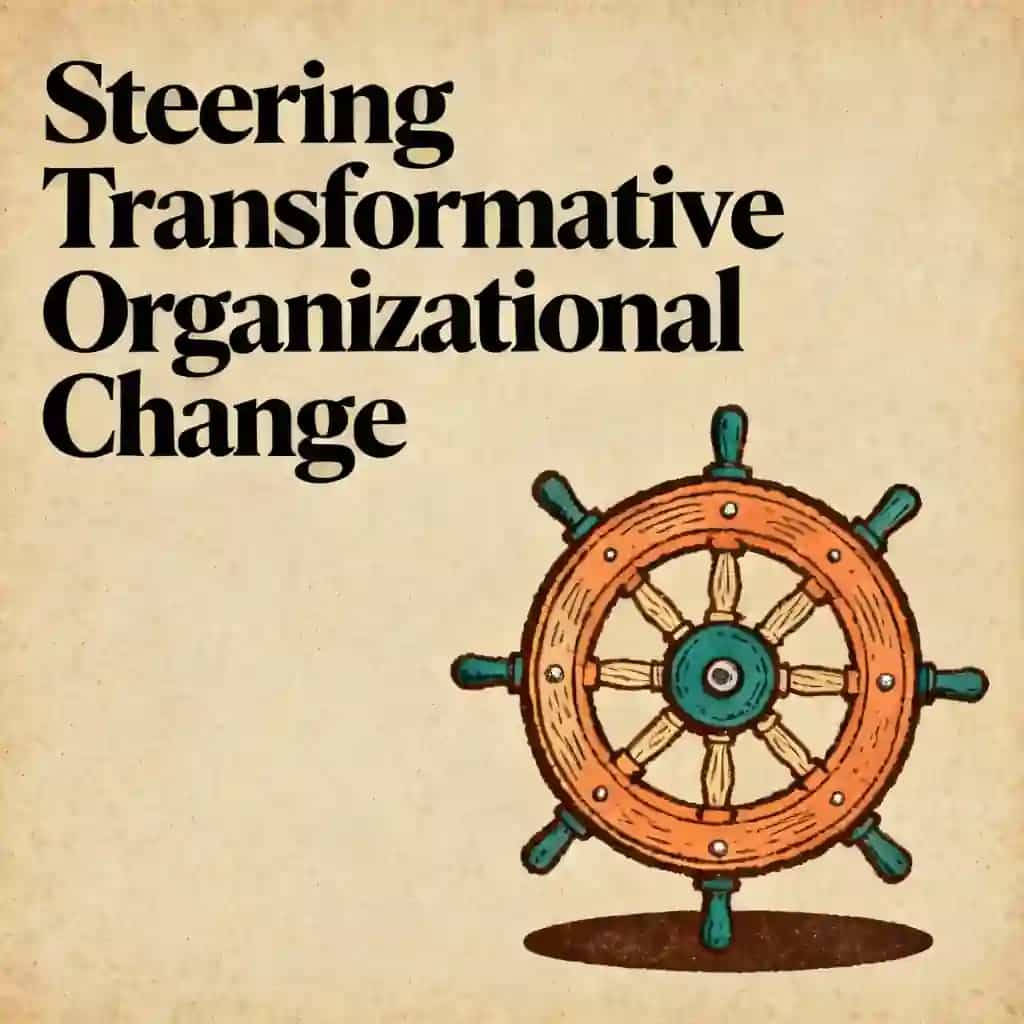
Change Management for Software Adoption and Vendor Performance
Learn how change management drives software adoption for work order systems. Improve vendor performance and team monitoring through digital transformation.

Change Management for Software Adoption and Vendor Performanceのベスト引用
The real work is making sure the leadership corner of that triangle is active. We need sponsors who aren't just signing off on the budget but are actually talking to the vendors and the team about why this matters.

このオーディオレッスンはBeFreedコミュニティメンバーが作成しました
I’d like to learn about change management, and how to use it to support adoption of a new software system for my team and our vendors. It is for vendors to pick up work orders and complete inspections, and for our team to monitor vendor completion and performance.



よくある質問
もっと発見

Basics of software architecture
Basics of software architecture
Modern software development requires a shift from writing code to designing resilient, scalable systems. This plan is essential for developers transitioning into architect roles who need to master both clean design patterns and complex distributed systems.
Change bad habits and buil...
Change bad habits and buil...
Whether you're struggling to break free from destructive patterns or trying to build positive routines that actually stick, understanding the science of behavior change is essential. This learning plan is perfect for anyone who's repeatedly failed at New Year's resolutions, professionals seeking performance optimization, or anyone ready to take control of their daily behaviors and create lasting transformation.

Effective Corporate AI Adoption & Usage
Effective Corporate AI Adoption & Usage
As AI reshapes the competitive landscape, leaders must bridge the gap between technical potential and organizational execution. This plan is designed for executives and managers who need to move beyond the hype to implement responsible, high-ROI AI strategies.

Replace bad habits with lasting positive ones
Replace bad habits with lasting positive ones
This plan is essential for anyone struggling to break cycles of procrastination or self-sabotage by leveraging science instead of sheer effort. It is ideal for professionals and individuals seeking to automate their success through structured behavioral design and identity shifts.

Master the art of project management
Master the art of project management
This plan bridges the gap between technical execution and strategic leadership, making it essential for aspiring and current project leaders. It is designed for professionals looking to master both traditional methodologies and modern Agile frameworks to drive organizational impact.

Understand Others and Lead Effectively
Understand Others and Lead Effectively
This plan is essential for emerging and established leaders who need to bridge the gap between technical skill and interpersonal influence. It provides a roadmap for mastering the human side of management to drive meaningful organizational transformation.

Team management
Team management
Effective team management is the cornerstone of organizational success, directly impacting productivity, innovation, and employee satisfaction. This learning plan provides essential frameworks for both new managers looking to build strong foundations and experienced leaders seeking to scale their impact across larger teams or organizations.
Agile Cloud & Lean Process Optimization
Agile Cloud & Lean Process Optimization
In an era of rapid digital disruption, the intersection of technical scalability and operational agility is critical for success. This plan is designed for tech leads and project managers looking to synchronize cloud infrastructure with lean management to drive enterprise-wide transformation.
"Instead of endless scrolling, I just hit play on BeFreed. It saves me so much time."


"I never knew where to start with nonfiction—BeFreed’s book lists turned into podcasts gave me a clear path."


"Perfect balance between learning and entertainment. Finished ‘Thinking, Fast and Slow’ on my commute this week."
"Crazy how much I learned while walking the dog. BeFreed = small habits → big gains."
"Reading used to feel like a chore. Now it’s just part of my lifestyle."

"Feels effortless compared to reading. I’ve finished 6 books this month already."
"BeFreed turned my guilty doomscrolling into something that feels productive and inspiring."

"BeFreed turned my commute into learning time. 20-min podcasts are perfect for finishing books I never had time for."
"BeFreed replaced my podcast queue. Imagine Spotify for books — that’s it. 🙌"

"It is great for me to learn something from the book without reading it."
"The themed book list podcasts help me connect ideas across authors—like a guided audio journey."
"Makes me feel smarter every time before going to work"
"Instead of endless scrolling, I just hit play on BeFreed. It saves me so much time."
"I never knew where to start with nonfiction—BeFreed’s book lists turned into podcasts gave me a clear path."
"Perfect balance between learning and entertainment. Finished ‘Thinking, Fast and Slow’ on my commute this week."
"Crazy how much I learned while walking the dog. BeFreed = small habits → big gains."
"Reading used to feel like a chore. Now it’s just part of my lifestyle."
"Feels effortless compared to reading. I’ve finished 6 books this month already."
"BeFreed turned my guilty doomscrolling into something that feels productive and inspiring."
"BeFreed turned my commute into learning time. 20-min podcasts are perfect for finishing books I never had time for."
"BeFreed replaced my podcast queue. Imagine Spotify for books — that’s it. 🙌"
"It is great for me to learn something from the book without reading it."
"The themed book list podcasts help me connect ideas across authors—like a guided audio journey."
"Makes me feel smarter every time before going to work"
"Instead of endless scrolling, I just hit play on BeFreed. It saves me so much time."
"I never knew where to start with nonfiction—BeFreed’s book lists turned into podcasts gave me a clear path."
"Perfect balance between learning and entertainment. Finished ‘Thinking, Fast and Slow’ on my commute this week."
"Crazy how much I learned while walking the dog. BeFreed = small habits → big gains."
"Reading used to feel like a chore. Now it’s just part of my lifestyle."
"Feels effortless compared to reading. I’ve finished 6 books this month already."
"BeFreed turned my guilty doomscrolling into something that feels productive and inspiring."
"BeFreed turned my commute into learning time. 20-min podcasts are perfect for finishing books I never had time for."
"BeFreed replaced my podcast queue. Imagine Spotify for books — that’s it. 🙌"
"It is great for me to learn something from the book without reading it."
"The themed book list podcasts help me connect ideas across authors—like a guided audio journey."
"Makes me feel smarter every time before going to work"
"Instead of endless scrolling, I just hit play on BeFreed. It saves me so much time."
"I never knew where to start with nonfiction—BeFreed’s book lists turned into podcasts gave me a clear path."
"Perfect balance between learning and entertainment. Finished ‘Thinking, Fast and Slow’ on my commute this week."
"Crazy how much I learned while walking the dog. BeFreed = small habits → big gains."
"Reading used to feel like a chore. Now it’s just part of my lifestyle."
"Feels effortless compared to reading. I’ve finished 6 books this month already."
"BeFreed turned my guilty doomscrolling into something that feels productive and inspiring."
"BeFreed turned my commute into learning time. 20-min podcasts are perfect for finishing books I never had time for."
"BeFreed replaced my podcast queue. Imagine Spotify for books — that’s it. 🙌"
"It is great for me to learn something from the book without reading it."
"The themed book list podcasts help me connect ideas across authors—like a guided audio journey."
"Makes me feel smarter every time before going to work"