Calm your nerves around a crush using biology
Struggling with racing hearts and sweaty palms? Learn why your brain treats attraction like a threat and how to use your vagus nerve to stay grounded.

Calm your nerves around a crush using biologyのベスト引用
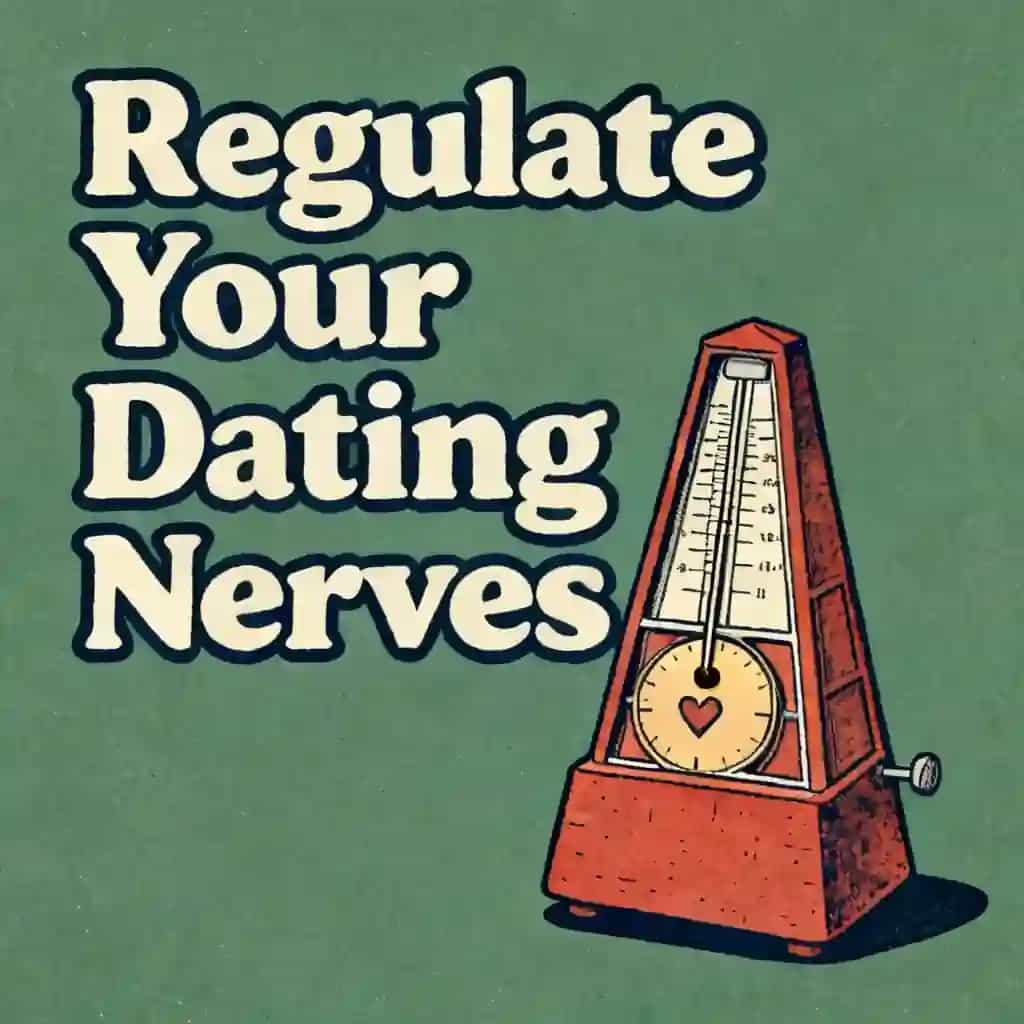
Your brain actually can’t tell the difference between a 'thrill' and a 'threat.' When you’re attracted to someone, your system releases a cocktail of dopamine and adrenaline that triggers the exact same fight-or-flight response as if you were in actual danger.
Generated by Freedee_BC92D626
Calm your nerves in close quarters with your crush

よくある質問
These symptoms occur because the brain often fails to distinguish between a romantic thrill and a physical threat. When you are attracted to someone, your body releases a cocktail of dopamine and adrenaline that triggers the same fight-or-flight response used for survival. Essentially, your nervous system misinterprets the "high-stakes" social situation as a predator encounter, leading to a state of panic.
"Flipping your lid" refers to a state where the emotional brain becomes so overwhelmed by anxiety that the prefrontal cortex—the area responsible for smooth conversation and logic—effectively goes offline. To prevent this, you can shift from an "evaluation" mindset to a "connection" mindset. Instead of worrying about whether the other person likes you, focus on being curious about them. This gives your brain a task to perform, moving you from a defensive state to a social data-gathering mission.
You can use "bottom-up" signaling to tell your brain you are safe by using the vagus nerve. One effective method is the "extended exhale," where you breathe out for twice as long as you breathe in to slow your heart rate. Additionally, you can use "peripheral gaze" by softening your focus to see the edges of the room, which interrupts the stress response. Physical anchors, such as feeling the weight of your feet on the floor or the texture of an object in your hand, also help pull your mind out of a panic spiral.
The Pratfall Effect is a psychological phenomenon where a person becomes more likable and relatable after making a small mistake, provided they are generally perceived as competent. If you trip over your words or spill a drink, handling it with grace and light humor shows "outcome independence." By not over-apologizing or spiraling into shame, you signal that you are comfortable with your own humanity, which actually puts the other person at ease and builds a deeper connection.
The script recommends the "Comment-Question-Share" framework to create a natural flow. You start by making a simple observation about your shared environment, follow it with a low-stakes question, and then share a small, relatable detail about yourself. This method avoids the "interrogation trap" of firing off endless questions and uses "pacing and leading" to match the other person's energy level before trying to escalate the interaction.
"Instead of endless scrolling, I just hit play on BeFreed. It saves me so much time."


"I never knew where to start with nonfiction—BeFreed’s book lists turned into podcasts gave me a clear path."


"Perfect balance between learning and entertainment. Finished ‘Thinking, Fast and Slow’ on my commute this week."
"Crazy how much I learned while walking the dog. BeFreed = small habits → big gains."
"Reading used to feel like a chore. Now it’s just part of my lifestyle."

"Feels effortless compared to reading. I’ve finished 6 books this month already."
"BeFreed turned my guilty doomscrolling into something that feels productive and inspiring."

"BeFreed turned my commute into learning time. 20-min podcasts are perfect for finishing books I never had time for."
"BeFreed replaced my podcast queue. Imagine Spotify for books — that’s it. 🙌"

"It is great for me to learn something from the book without reading it."
"The themed book list podcasts help me connect ideas across authors—like a guided audio journey."
"Makes me feel smarter every time before going to work"
"Instead of endless scrolling, I just hit play on BeFreed. It saves me so much time."
"I never knew where to start with nonfiction—BeFreed’s book lists turned into podcasts gave me a clear path."
"Perfect balance between learning and entertainment. Finished ‘Thinking, Fast and Slow’ on my commute this week."
"Crazy how much I learned while walking the dog. BeFreed = small habits → big gains."
"Reading used to feel like a chore. Now it’s just part of my lifestyle."
"Feels effortless compared to reading. I’ve finished 6 books this month already."
"BeFreed turned my guilty doomscrolling into something that feels productive and inspiring."
"BeFreed turned my commute into learning time. 20-min podcasts are perfect for finishing books I never had time for."
"BeFreed replaced my podcast queue. Imagine Spotify for books — that’s it. 🙌"
"It is great for me to learn something from the book without reading it."
"The themed book list podcasts help me connect ideas across authors—like a guided audio journey."
"Makes me feel smarter every time before going to work"
"Instead of endless scrolling, I just hit play on BeFreed. It saves me so much time."
"I never knew where to start with nonfiction—BeFreed’s book lists turned into podcasts gave me a clear path."
"Perfect balance between learning and entertainment. Finished ‘Thinking, Fast and Slow’ on my commute this week."
"Crazy how much I learned while walking the dog. BeFreed = small habits → big gains."
"Reading used to feel like a chore. Now it’s just part of my lifestyle."
"Feels effortless compared to reading. I’ve finished 6 books this month already."
"BeFreed turned my guilty doomscrolling into something that feels productive and inspiring."
"BeFreed turned my commute into learning time. 20-min podcasts are perfect for finishing books I never had time for."
"BeFreed replaced my podcast queue. Imagine Spotify for books — that’s it. 🙌"
"It is great for me to learn something from the book without reading it."
"The themed book list podcasts help me connect ideas across authors—like a guided audio journey."
"Makes me feel smarter every time before going to work"
"Instead of endless scrolling, I just hit play on BeFreed. It saves me so much time."
"I never knew where to start with nonfiction—BeFreed’s book lists turned into podcasts gave me a clear path."
"Perfect balance between learning and entertainment. Finished ‘Thinking, Fast and Slow’ on my commute this week."
"Crazy how much I learned while walking the dog. BeFreed = small habits → big gains."
"Reading used to feel like a chore. Now it’s just part of my lifestyle."
"Feels effortless compared to reading. I’ve finished 6 books this month already."
"BeFreed turned my guilty doomscrolling into something that feels productive and inspiring."
"BeFreed turned my commute into learning time. 20-min podcasts are perfect for finishing books I never had time for."
"BeFreed replaced my podcast queue. Imagine Spotify for books — that’s it. 🙌"
"It is great for me to learn something from the book without reading it."
"The themed book list podcasts help me connect ideas across authors—like a guided audio journey."
"Makes me feel smarter every time before going to work"