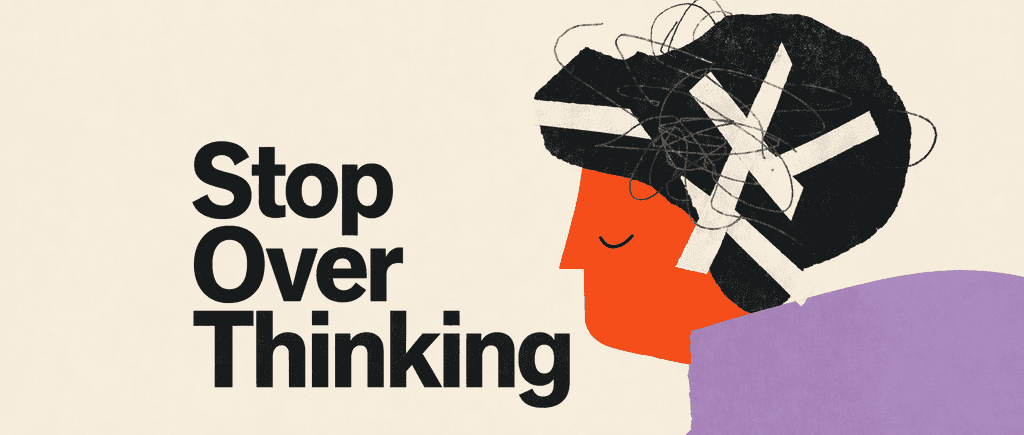
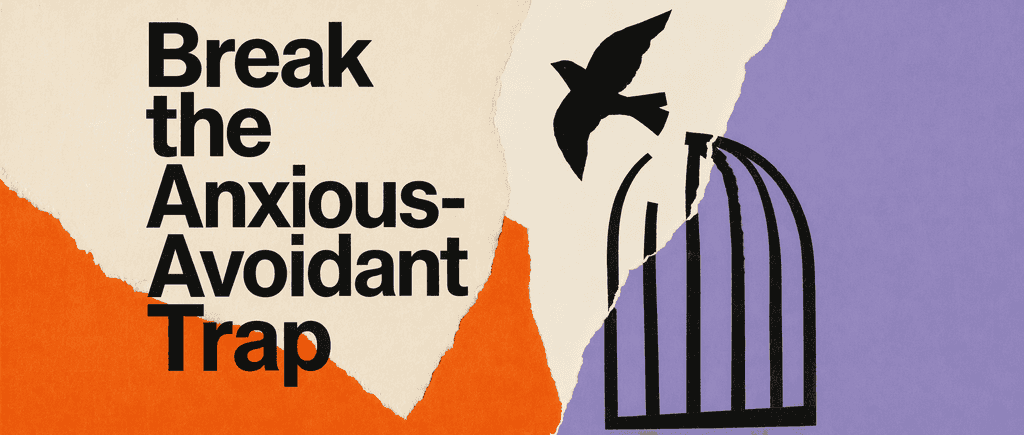
Stop overthinking in relationships by calming your body
When a text goes unanswered, your nervous system triggers a survival response. Learn to quiet the alarm and move from panic to clarity and self-trust.

Stop overthinking in relationships by calming your bodyのベスト引用
Your triggers aren't your enemy; they’re just very loud, confused safety officers from your past who haven't realized the war is over. Healing is about providing a corrective experience where you show your nervous system that you are safe and supported in the present.
Generated by Laura
I want to feel safe, grounded, and in control of myself, not others. Help me release the need to overthink, check, or control when I feel triggered. Remind me I am not in my past anymore. I am supported, I am chosen, and I am safe. Calm my mind, slow my reactions, and bring me back to facts, not fear. Help me trust myself, trust my partner, and respond with clarity instead of emotion.

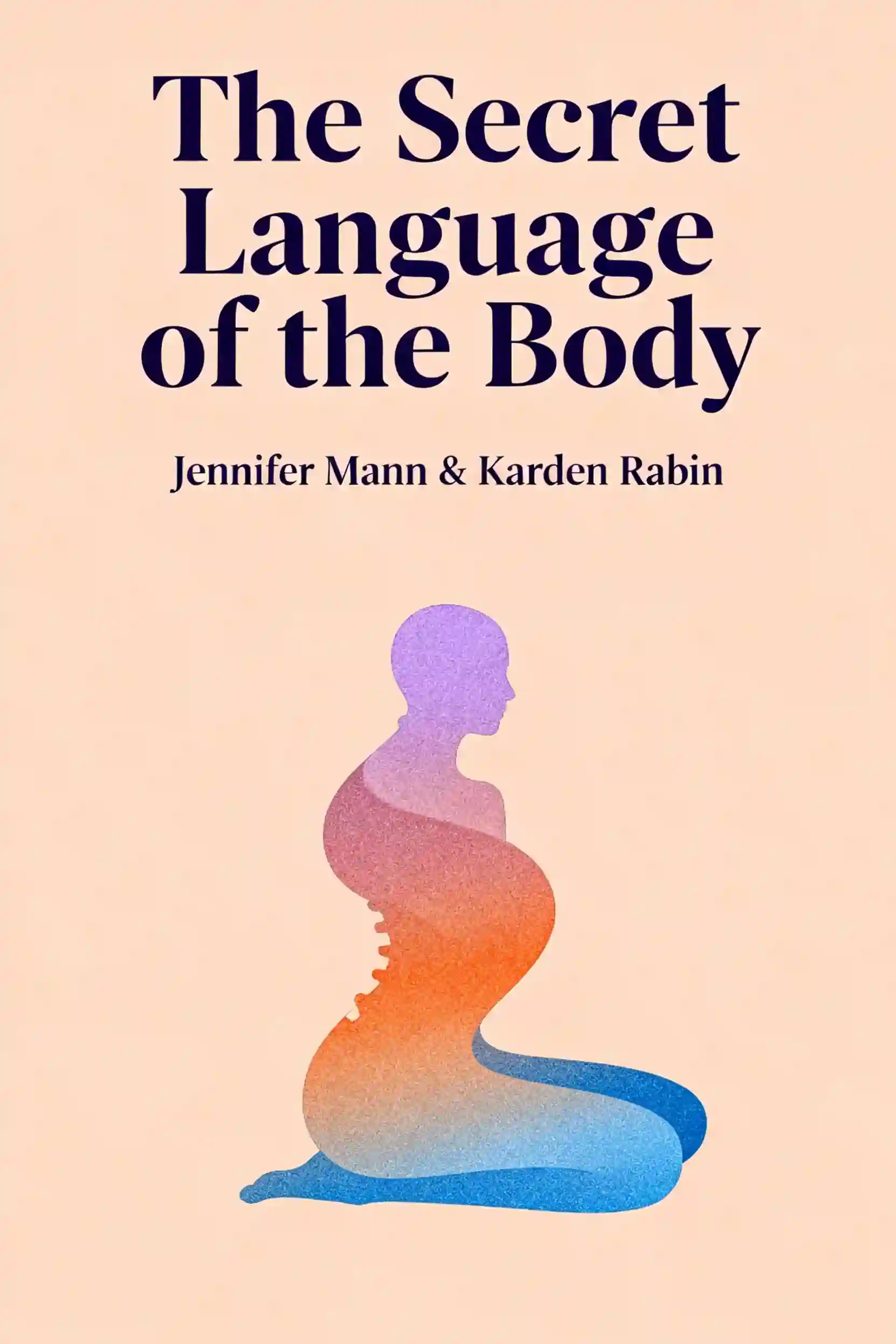
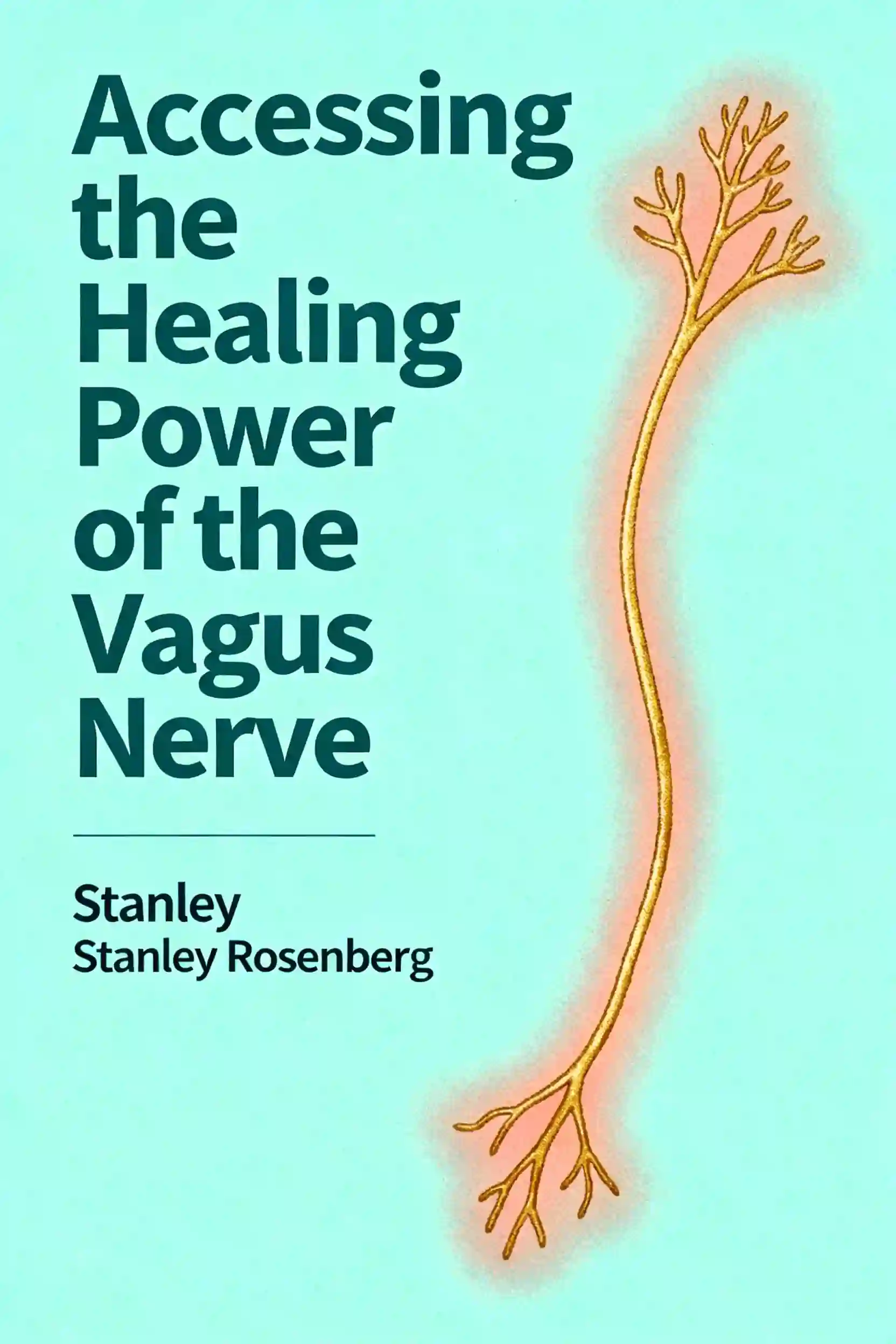
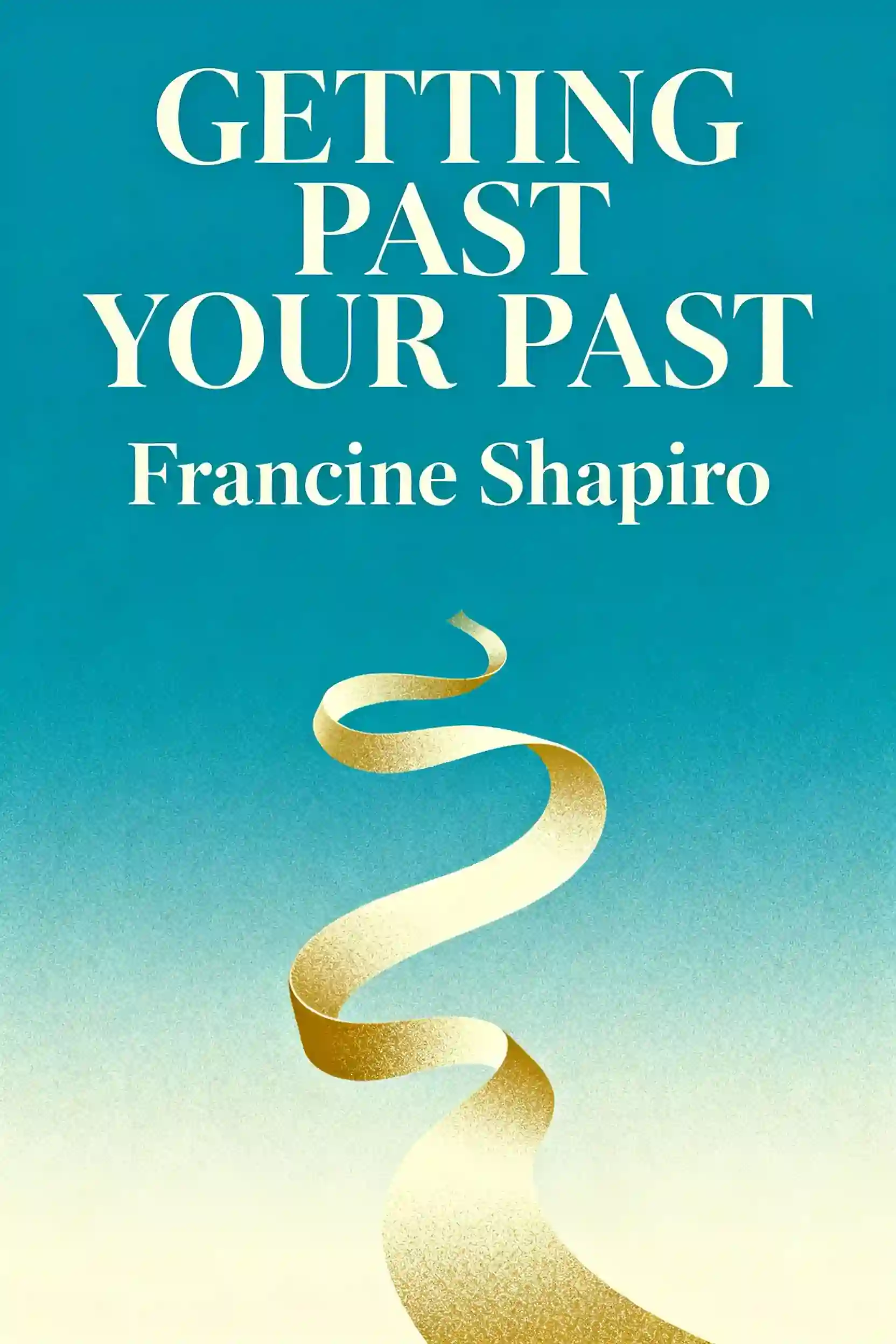
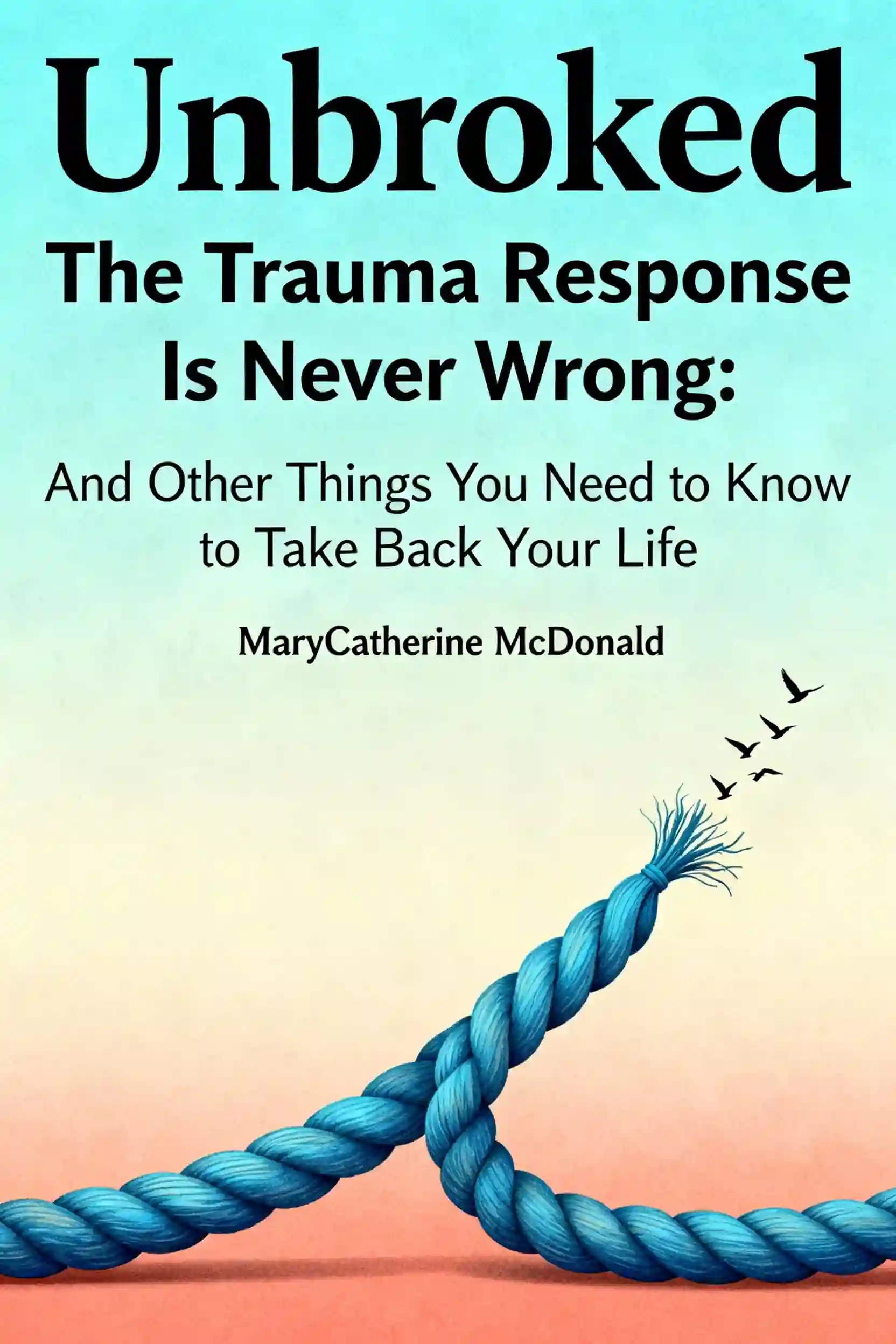
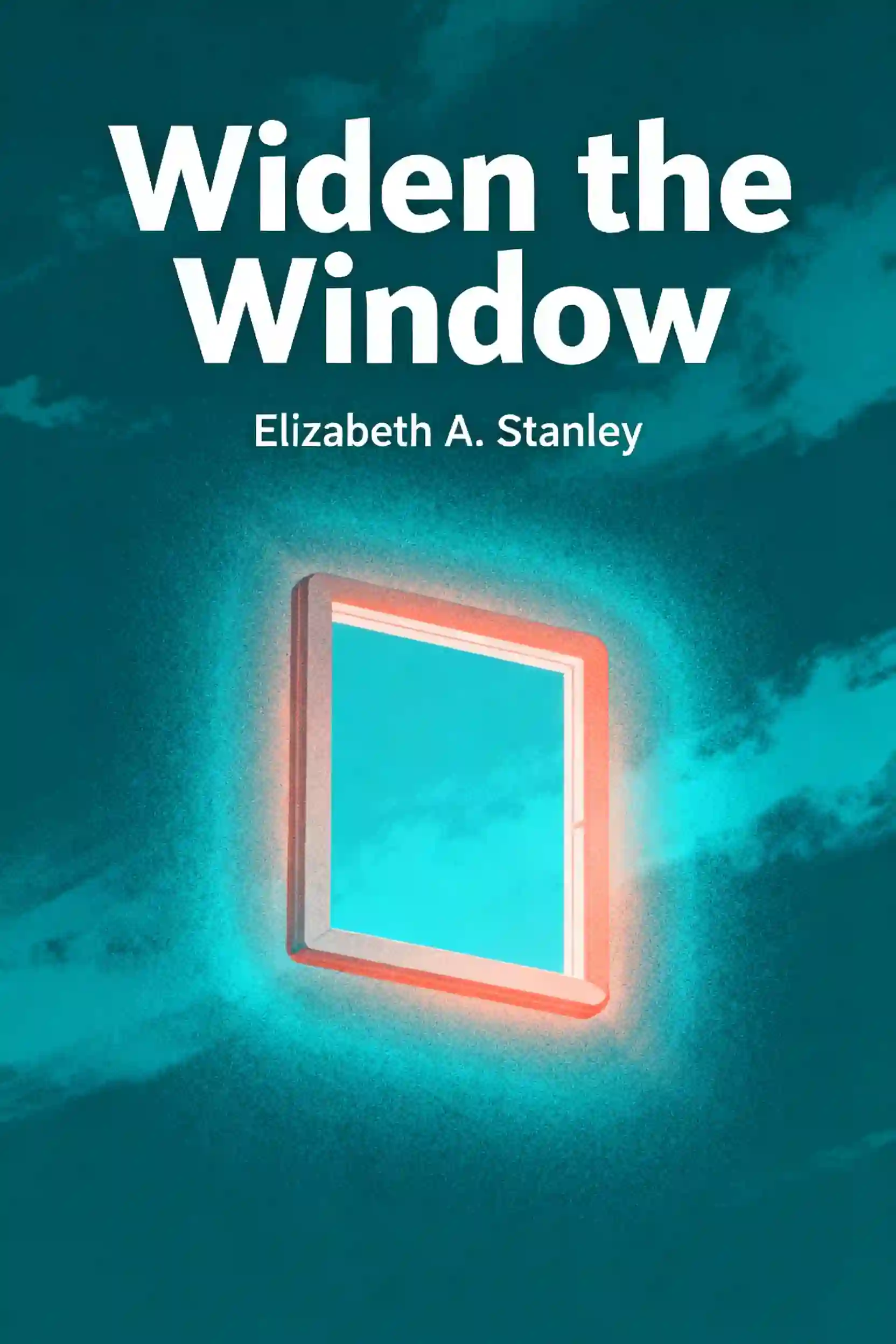
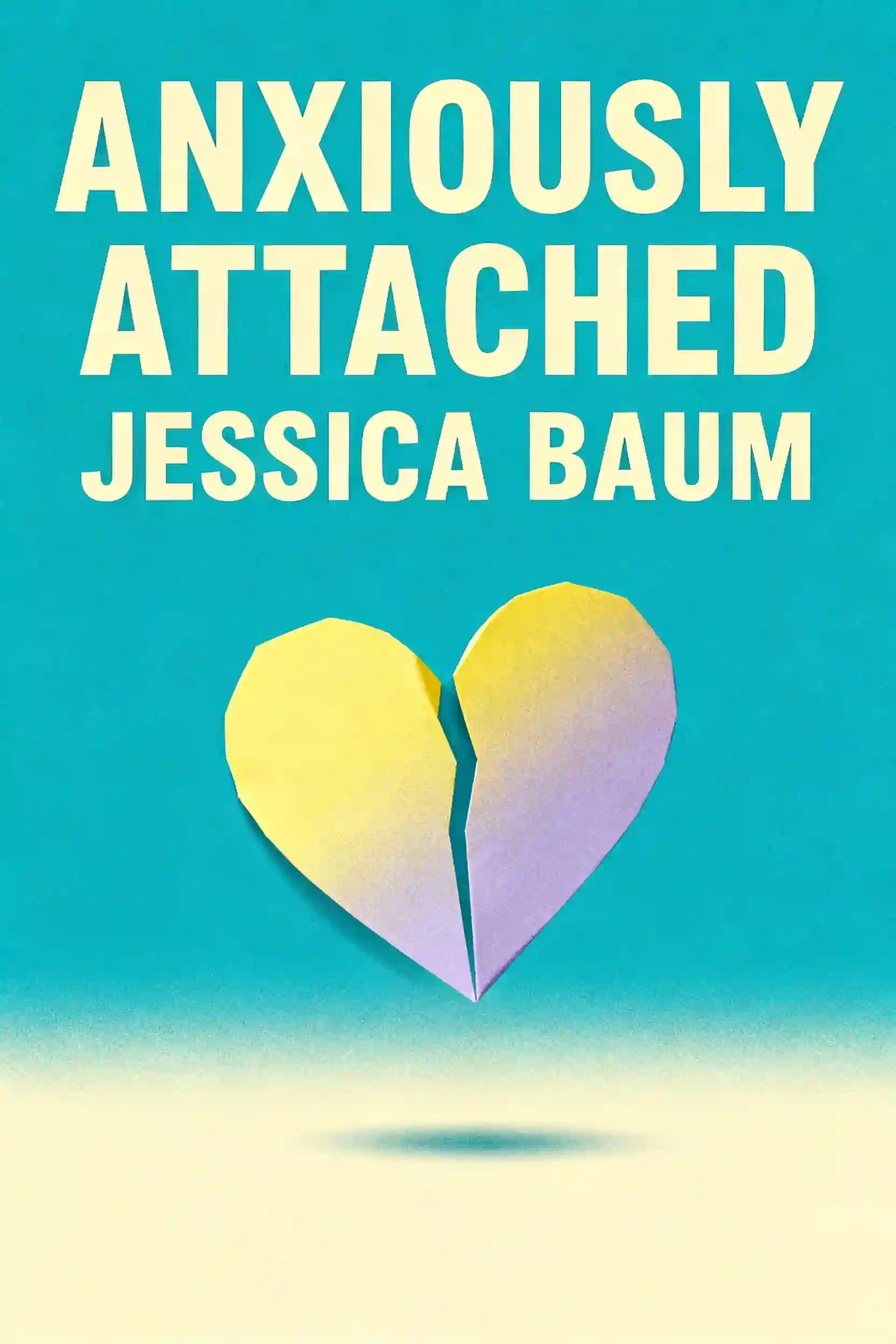
よくある質問
This reaction is often an "amygdala hijack," where the brain's alarm system treats emotional distance as a life-threatening emergency. For those who grew up in unpredictable environments, the brain becomes a "world-class detective" trained to spot tiny shifts in mood as signs of impending withdrawal or danger. In these moments, the thinking brain (prefrontal cortex) becomes less active, and the body’s survival response takes over, causing a racing heart and a sense of urgent panic that logic alone cannot soothe.
Since the nervous system communicates through sensation rather than language, you must use "safety signals" like rhythm, temperature, and pressure. A "temperature reset," such as splashing cold water on your face or holding an ice cube, can trigger the dive reflex to lower your heart rate instantly. Other effective tools include the "physiological sigh" (a double inhale followed by a long exhale) to activate the vagus nerve, or "feet-on-the-floor" grounding, where you physically feel the solid ground supporting your weight to interrupt the "future-fear" and return to the present.
Attachment styles dictate how the "inner child" responds to perceived threats in a relationship. Those with an Anxious Preoccupied style often become hyper-activated, over-analyzing and pursuing closeness to feel safe. In contrast, those with a Dismissive Avoidant style tend to go numb and pull away to create a "safe" distance when they feel pressured. There is also a Fearful Avoidant style, described as having "one foot on the gas and one on the brake," where the individual desperately wants closeness but feels a sense of danger as soon as they achieve it.
Overthinking is often an attempt to gain control and prevent the pain of rejection, but it usually reinforces the idea that you aren't safe unless someone else validates you. To break this cycle, you can use the "STOP" skill: Stop what you are doing, Take a breath, Observe your internal sensations and stories, and Proceed with intention. Often, the most intentional act is to sit with the discomfort for ten minutes without acting; this proves to your nervous system that you can survive uncertainty without external reassurance, eventually building true self-trust.
A written safety plan is essential because the thinking brain goes "offline" during a trigger. The plan should first identify your top three specific triggers so they don't catch you by surprise. It should then list immediate physical "emergency" skills, such as a wall push or the 5-4-3-2-1 grounding technique (naming things you can see and touch). Finally, it should include "reality-testing" phrases that remind you of the current date and the fact that you are an adult with resources and choices that you didn't have in the past.
コロンビア大学卒業生が開発 サンフランシスコ発
BeFreedは好奇心旺盛な仲間が集うグローバルコミュニティ


"Instead of endless scrolling, I just hit play on BeFreed. It saves me so much time."


"I never knew where to start with nonfiction—BeFreed’s book lists turned into podcasts gave me a clear path."


"Perfect balance between learning and entertainment. Finished ‘Thinking, Fast and Slow’ on my commute this week."
"Crazy how much I learned while walking the dog. BeFreed = small habits → big gains."
"Reading used to feel like a chore. Now it’s just part of my lifestyle."

"Feels effortless compared to reading. I’ve finished 6 books this month already."
"BeFreed turned my guilty doomscrolling into something that feels productive and inspiring."

"BeFreed turned my commute into learning time. 20-min podcasts are perfect for finishing books I never had time for."
"BeFreed replaced my podcast queue. Imagine Spotify for books — that’s it. 🙌"

"It is great for me to learn something from the book without reading it."
"The themed book list podcasts help me connect ideas across authors—like a guided audio journey."
"Makes me feel smarter every time before going to work"
コロンビア大学卒業生が開発 サンフランシスコ発
BeFreedは好奇心旺盛な仲間が集うグローバルコミュニティ
"Instead of endless scrolling, I just hit play on BeFreed. It saves me so much time."
"I never knew where to start with nonfiction—BeFreed’s book lists turned into podcasts gave me a clear path."
"Perfect balance between learning and entertainment. Finished ‘Thinking, Fast and Slow’ on my commute this week."
"Crazy how much I learned while walking the dog. BeFreed = small habits → big gains."
"Reading used to feel like a chore. Now it’s just part of my lifestyle."
"Feels effortless compared to reading. I’ve finished 6 books this month already."
"BeFreed turned my guilty doomscrolling into something that feels productive and inspiring."
"BeFreed turned my commute into learning time. 20-min podcasts are perfect for finishing books I never had time for."
"BeFreed replaced my podcast queue. Imagine Spotify for books — that’s it. 🙌"
"It is great for me to learn something from the book without reading it."
"The themed book list podcasts help me connect ideas across authors—like a guided audio journey."
"Makes me feel smarter every time before going to work"
"Instead of endless scrolling, I just hit play on BeFreed. It saves me so much time."
"I never knew where to start with nonfiction—BeFreed’s book lists turned into podcasts gave me a clear path."
"Perfect balance between learning and entertainment. Finished ‘Thinking, Fast and Slow’ on my commute this week."
"Crazy how much I learned while walking the dog. BeFreed = small habits → big gains."
"Reading used to feel like a chore. Now it’s just part of my lifestyle."
"Feels effortless compared to reading. I’ve finished 6 books this month already."
"BeFreed turned my guilty doomscrolling into something that feels productive and inspiring."
"BeFreed turned my commute into learning time. 20-min podcasts are perfect for finishing books I never had time for."
"BeFreed replaced my podcast queue. Imagine Spotify for books — that’s it. 🙌"
"It is great for me to learn something from the book without reading it."
"The themed book list podcasts help me connect ideas across authors—like a guided audio journey."
"Makes me feel smarter every time before going to work"
"Instead of endless scrolling, I just hit play on BeFreed. It saves me so much time."
"I never knew where to start with nonfiction—BeFreed’s book lists turned into podcasts gave me a clear path."
"Perfect balance between learning and entertainment. Finished ‘Thinking, Fast and Slow’ on my commute this week."
"Crazy how much I learned while walking the dog. BeFreed = small habits → big gains."
"Reading used to feel like a chore. Now it’s just part of my lifestyle."
"Feels effortless compared to reading. I’ve finished 6 books this month already."
"BeFreed turned my guilty doomscrolling into something that feels productive and inspiring."
"BeFreed turned my commute into learning time. 20-min podcasts are perfect for finishing books I never had time for."
"BeFreed replaced my podcast queue. Imagine Spotify for books — that’s it. 🙌"
"It is great for me to learn something from the book without reading it."
"The themed book list podcasts help me connect ideas across authors—like a guided audio journey."
"Makes me feel smarter every time before going to work"