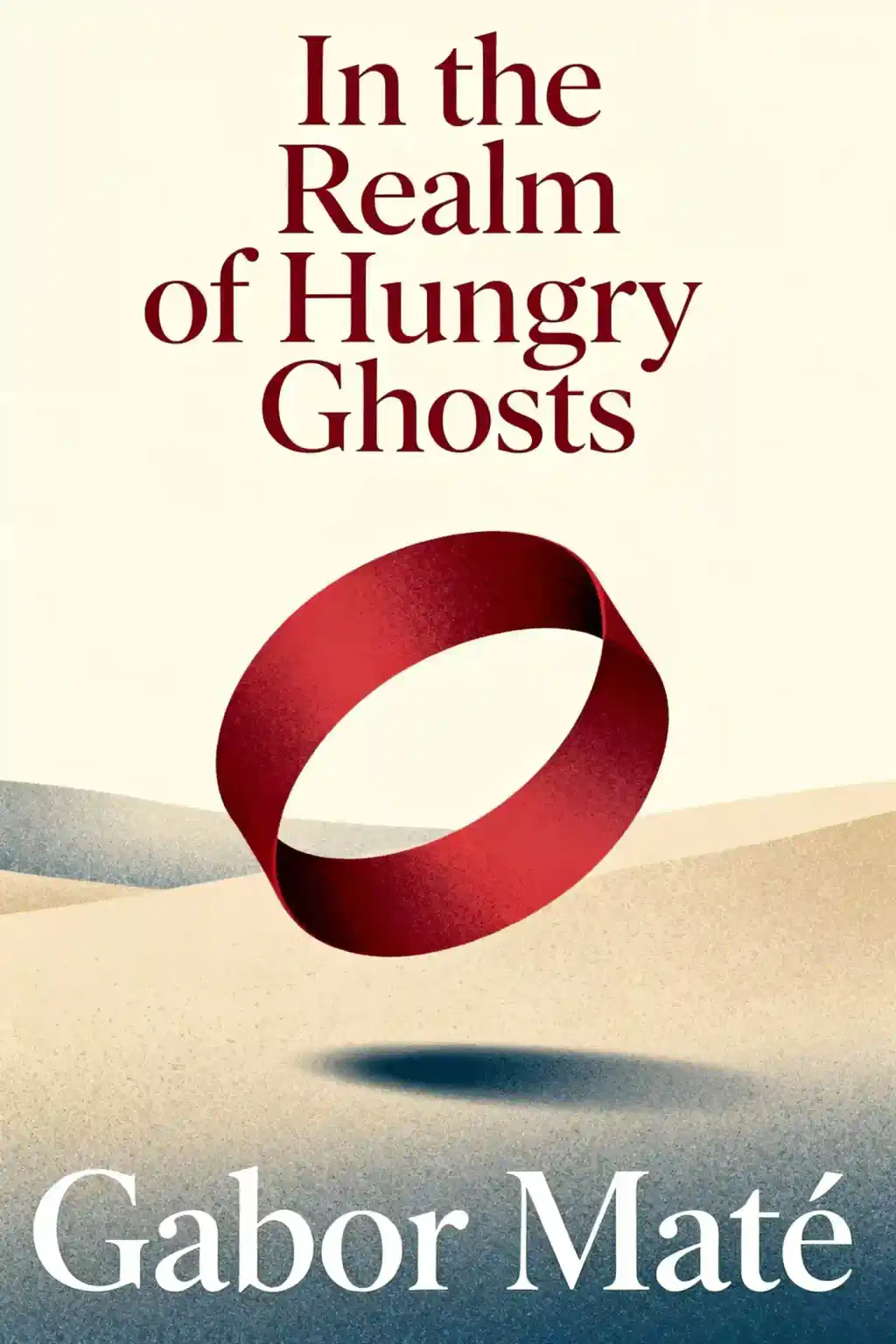
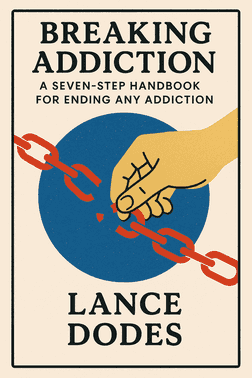
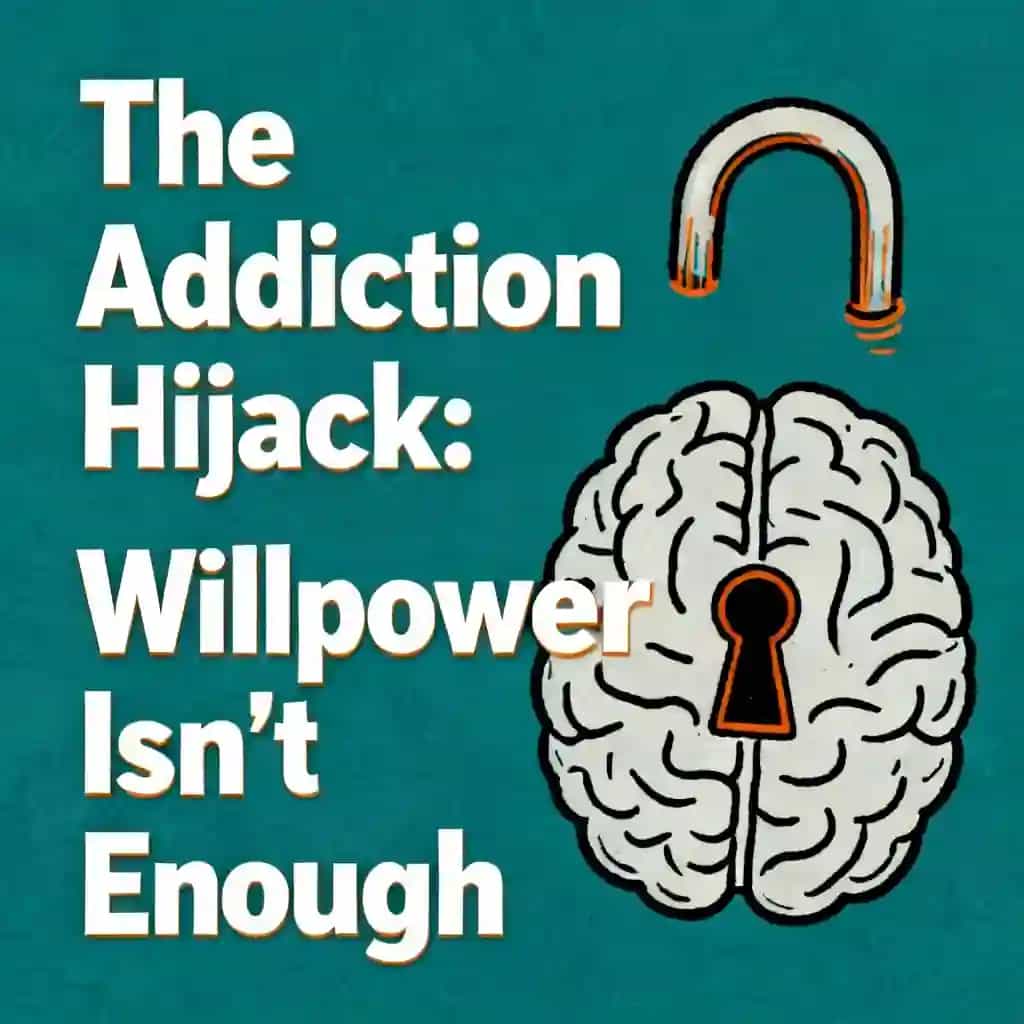
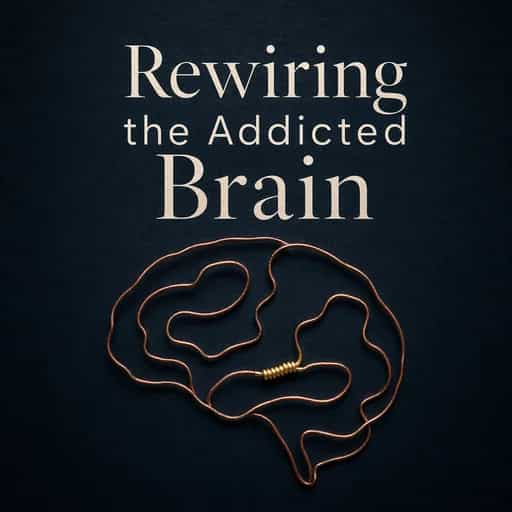
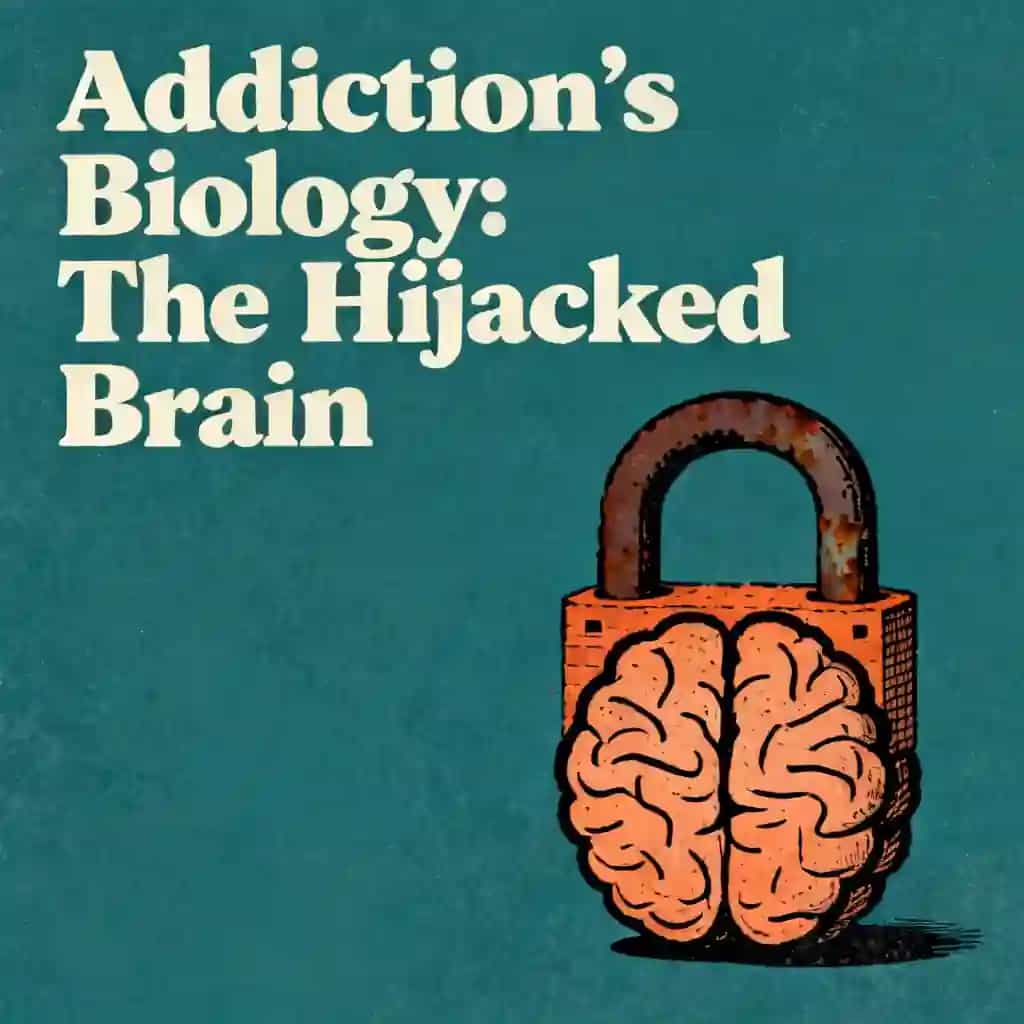
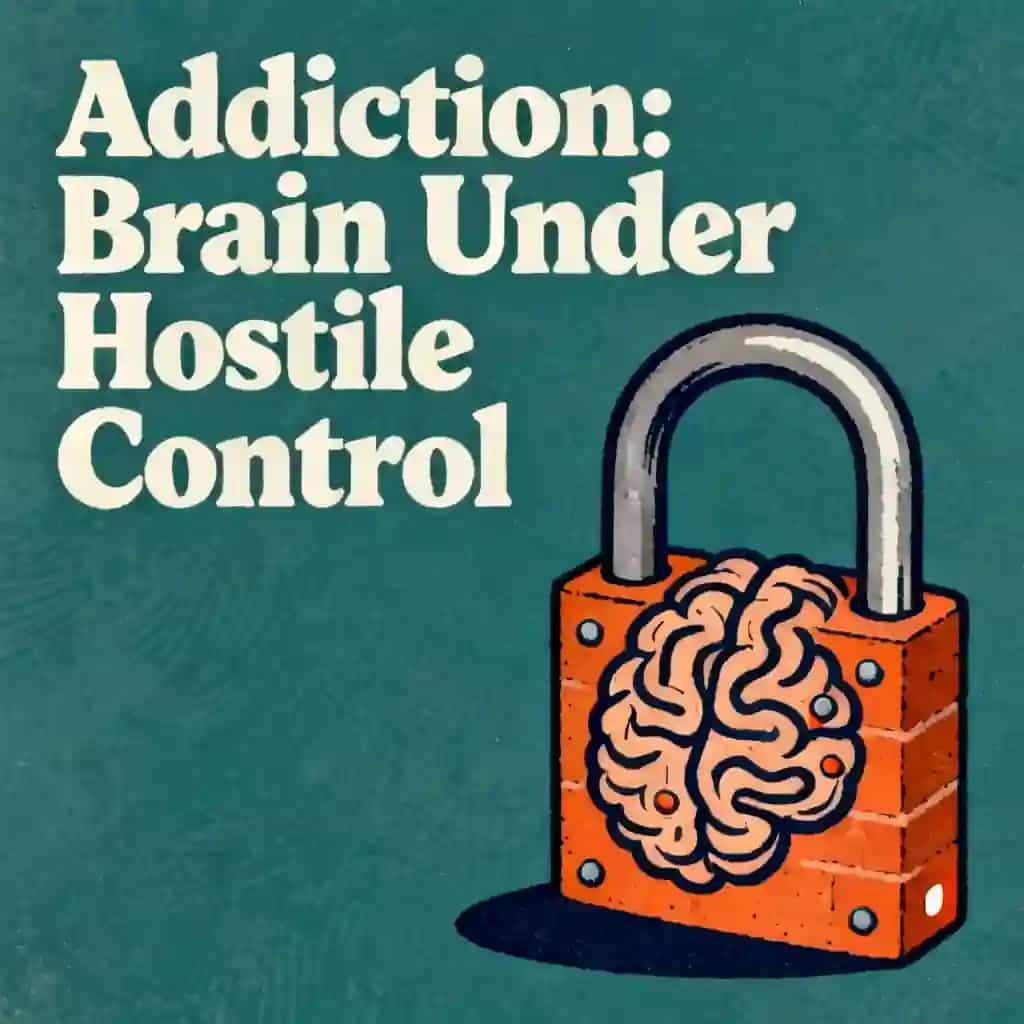
Breaking the Addiction Brain Trap
Discover why addiction isn't about willpower but brain chemistry, and learn science-backed strategies for recovery that offer real hope no matter how many times you've tried before.

Breaking the Addiction Brain Trapのベスト引用
Addiction literally changes your brain's circuitry, affecting memory, motivation, and decision-making. It isn't a moral failing—it's a medical condition that responds to proper treatment, and the same neuroplasticity that allows addiction to take hold can be harnessed for recovery.

このオーディオレッスンはBeFreedコミュニティメンバーが作成しました
Dealing with addiction


もっと発見

Break addiction cycles after 5 lost years
This plan is designed for individuals seeking to reclaim their lives after long-term struggle, moving beyond willpower to science-based recovery. It provides a holistic roadmap for those ready to address the neurological, emotional, and social roots of addiction to build a lasting new identity.

Break Free From Porn Addiction
This plan is designed for individuals seeking to regain control over their lives by understanding the neurological and emotional roots of porn addiction. It provides a compassionate, science-based roadmap for anyone struggling with compulsive behaviors who wants to rebuild genuine human connection.
Strong Mind, Addiction Free, Clear Thinking
This plan is essential for high-performers and individuals seeking to break destructive cycles by mastering their internal biology. It combines hard science with actionable discipline to transform mental fog into a sustainable competitive advantage.

Quit drinking
Breaking free from alcohol dependency requires more than willpower—it demands understanding the psychology behind addiction and developing new mental frameworks. This learning plan provides evidence-based strategies for anyone looking to reduce or eliminate alcohol from their life, whether they identify as having a serious dependency or simply want a healthier relationship with drinking.

End addiction and learn self-love
This learning plan is essential for individuals seeking to overcome addictive patterns by addressing the underlying neurological and emotional triggers. It is designed for anyone ready to move past shame and build a sustainable life rooted in self-compassion and mental resilience.

Rebuild Prefrontal Cortex After Addiction
This plan is essential for individuals in recovery who want to move beyond behavioral changes and address the underlying neurological impact of addiction. It is designed for those seeking to restore their mental clarity and self-control through evidence-based cognitive rehabilitation.

Addiction
Addiction affects millions globally, yet remains widely misunderstood through outdated moral frameworks rather than evidence-based science. This learning plan provides essential knowledge for those struggling with addiction, supporting loved ones, or professionals seeking comprehensive understanding of addiction's neurobiological roots, contributing factors, and effective recovery pathways.

Break the self-help dopamine trap
In an era of constant digital stimulation, many find themselves trapped in a loop of superficial self-improvement without real change. This plan is essential for anyone feeling overwhelmed by screen time or 'productivity porn' who wants to reclaim their focus and mental clarity.
"Instead of endless scrolling, I just hit play on BeFreed. It saves me so much time."


"I never knew where to start with nonfiction—BeFreed’s book lists turned into podcasts gave me a clear path."


"Perfect balance between learning and entertainment. Finished ‘Thinking, Fast and Slow’ on my commute this week."
"Crazy how much I learned while walking the dog. BeFreed = small habits → big gains."
"Reading used to feel like a chore. Now it’s just part of my lifestyle."

"Feels effortless compared to reading. I’ve finished 6 books this month already."
"BeFreed turned my guilty doomscrolling into something that feels productive and inspiring."

"BeFreed turned my commute into learning time. 20-min podcasts are perfect for finishing books I never had time for."
"BeFreed replaced my podcast queue. Imagine Spotify for books — that’s it. 🙌"

"It is great for me to learn something from the book without reading it."
"The themed book list podcasts help me connect ideas across authors—like a guided audio journey."
"Makes me feel smarter every time before going to work"
"Instead of endless scrolling, I just hit play on BeFreed. It saves me so much time."
"I never knew where to start with nonfiction—BeFreed’s book lists turned into podcasts gave me a clear path."
"Perfect balance between learning and entertainment. Finished ‘Thinking, Fast and Slow’ on my commute this week."
"Crazy how much I learned while walking the dog. BeFreed = small habits → big gains."
"Reading used to feel like a chore. Now it’s just part of my lifestyle."
"Feels effortless compared to reading. I’ve finished 6 books this month already."
"BeFreed turned my guilty doomscrolling into something that feels productive and inspiring."
"BeFreed turned my commute into learning time. 20-min podcasts are perfect for finishing books I never had time for."
"BeFreed replaced my podcast queue. Imagine Spotify for books — that’s it. 🙌"
"It is great for me to learn something from the book without reading it."
"The themed book list podcasts help me connect ideas across authors—like a guided audio journey."
"Makes me feel smarter every time before going to work"
"Instead of endless scrolling, I just hit play on BeFreed. It saves me so much time."
"I never knew where to start with nonfiction—BeFreed’s book lists turned into podcasts gave me a clear path."
"Perfect balance between learning and entertainment. Finished ‘Thinking, Fast and Slow’ on my commute this week."
"Crazy how much I learned while walking the dog. BeFreed = small habits → big gains."
"Reading used to feel like a chore. Now it’s just part of my lifestyle."
"Feels effortless compared to reading. I’ve finished 6 books this month already."
"BeFreed turned my guilty doomscrolling into something that feels productive and inspiring."
"BeFreed turned my commute into learning time. 20-min podcasts are perfect for finishing books I never had time for."
"BeFreed replaced my podcast queue. Imagine Spotify for books — that’s it. 🙌"
"It is great for me to learn something from the book without reading it."
"The themed book list podcasts help me connect ideas across authors—like a guided audio journey."
"Makes me feel smarter every time before going to work"
"Instead of endless scrolling, I just hit play on BeFreed. It saves me so much time."
"I never knew where to start with nonfiction—BeFreed’s book lists turned into podcasts gave me a clear path."
"Perfect balance between learning and entertainment. Finished ‘Thinking, Fast and Slow’ on my commute this week."
"Crazy how much I learned while walking the dog. BeFreed = small habits → big gains."
"Reading used to feel like a chore. Now it’s just part of my lifestyle."
"Feels effortless compared to reading. I’ve finished 6 books this month already."
"BeFreed turned my guilty doomscrolling into something that feels productive and inspiring."
"BeFreed turned my commute into learning time. 20-min podcasts are perfect for finishing books I never had time for."
"BeFreed replaced my podcast queue. Imagine Spotify for books — that’s it. 🙌"
"It is great for me to learn something from the book without reading it."
"The themed book list podcasts help me connect ideas across authors—like a guided audio journey."
"Makes me feel smarter every time before going to work"