正直、まだアプリを使いこなせていませんが、この数日使っただけで本当に感動しました… BeFreed は、今まで使ったどの学習アプリともレベルが違います。夢中になれるうえに集中力も実際に上がるので、スマホをだらだら見てしまう人にぴったりです!
@ladyInfinity
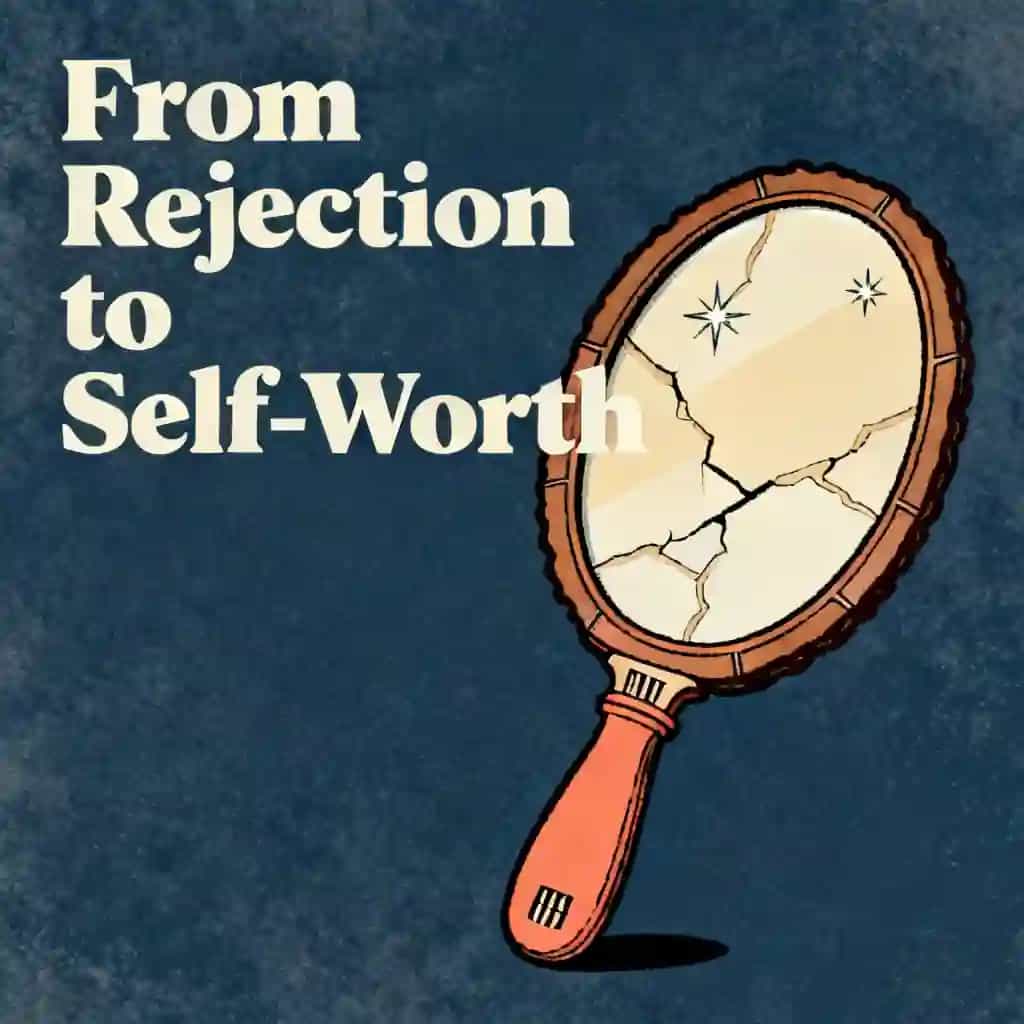
Discover why being removed from someone's life is often a reflection of their internal struggles rather than your value. Learn to break the cycle of self-blame and reclaim your peace after social erasure.

One person's inability to communicate is a data point about their capacity, not a verdict on your soul. Closure doesn't come from the person who left; it comes from the moment you decide your story is worth finishing, even if they chose to stop reading.
If someone removed me from her life why it all happened they don't like me I know it



This sensation is a biological reality rather than just an emotional exaggeration. Neuroimaging studies using fMRI scans have shown that social exclusion activates the anterior cingulate cortex and the insula, which are the same regions of the brain that process physical injury. Because the nervous system does not distinguish between emotional heartbreak and bodily harm, the brain responds to social erasure as a threat to survival, often resulting in the "punch in the gut" feeling.
Global thinking is a psychological trap where a person takes a single, specific event—like one person leaving—and turns it into a universal truth about their identity. Instead of seeing the event as a localized issue with one individual, the brain "globalizes" it into beliefs like "I am fundamentally unlovable" or "people always leave me." This happens because the brain prefers a painful explanation over the uncertainty of no explanation, but it ultimately transforms a temporary wound into a total identity crisis.
Abruptly cutting off contact is often a defense mechanism rooted in an avoidant attachment style. For these individuals, increased emotional intimacy can feel like a threat, causing them to run away from the discomfort of their own emotions rather than the other person. Many ghosters also mistakenly believe that disappearing is "gentler" than direct rejection, or they benefit from "digital deindividuation," where reducing a human to a screen makes it easier to disengage without feeling the weight of the other person's pain.
Closure must be self-generated through what psychologists call a "good-enough ending." Since ghosting creates an "open loop" in the brain, you must consciously choose to close the file by framing the situation accurately: acknowledging that contact stopped and that you deserve a connection where communication is a priority. Achieving this requires stopping "digital surveillance"—the urge to check their social media—which signals to your nervous system that the investigation is over and allows the healing process to begin.
コロンビア大学卒業生が開発 | サンフランシスコ発
平均評価
7,840件以上のアプリ評価
BeFreedコミュニティ
正直、まだアプリを使いこなせていませんが、この数日使っただけで本当に感動しました… BeFreed は、今まで使ったどの学習アプリともレベルが違います。夢中になれるうえに集中力も実際に上がるので、スマホをだらだら見てしまう人にぴったりです!
@ladyInfinity
ちょうど 23 日前に BeFreed を購入して、それから毎日欠かさず使っています。仕事の流れと学習習慣に完全に溶け込みました。
@jayallen
正直なところ、このアプリは期待をすべて超えてきました。どんなテーマでも音声を生成してもらえて、その結果には驚かされます。私の専門は心理療法で、多分野にまたがる領域ですが、それでも回答はとても正確です。
@Raguipa
何よりありがたいのは、スマホをだらだら見る時間が減ったことです。探す時間が減って、吸収する時間が増えました。オーディオブック、ポッドキャスト、学習プランの組み合わせが素晴らしいです。
@colonyofcreatorsNGO
私は 24 年間、PhotoReading 加速学習のインストラクターをしています… 本と読書と学びが私の専門ですが、BeFreed は情報を消化しやすい形で届ける革新的なアプローチを見事に実現しています。
@BeFreed user
ただの本の要約アプリではありません。「ファン」スタイルを使ってみたら、従来のやり方よりずっと良い要約で、アイデアもつかみやすいです。これだけでも十分元が取れます。
@austinakon
このアプリが大好きです。数日使っただけで、聞くのが止まらなくなりました。始め方として最高です。
@jcrules328
本当に気に入っています。約 1 か月試していますが、まさに掘り出し物だと感じます。BeFreed で自分だけのテーマを作れるのが便利で、声も素晴らしく、ナレーションの選択肢は無限です。
@DanielCZ
役立つ情報やアイデアを 8〜15 分のポッドキャスト風音声にぎゅっとまとめて聞けるのが最高です。ポッドキャストは余計な話が多くて苦手でしたが、これは無駄を全部そぎ落としてくれます。
@BeFreed user
博士課程の仕上げの段階で、なじみのない資料を大量に読む必要があります… BeFreed ならプロンプトを入力するだけで、アプリが資料を探して音声ポッドキャストを作ってくれます。BeFreed のほうが NotebookLM よりも流れがスムーズだと感じます。
@Brad
朝食を作りながら、散歩しながら、通勤しながら聞くものを YouTube でよく探していましたが、BeFreed は広告も余計な話もなしで、もっと的を絞った聞き方をさせてくれます!
@BeFreed user
このプラットフォームの一番の魅力は、その万能さです。扱えないテーマは文字どおりひとつもありません。何を投げても応えてくれます… 制限がまったくないのに約束をきちんと果たしてくれる学習ツールには、なかなか出会えません。
@jayallen
BeFreed は素晴らしいです。使いやすいデザインのおかげで、操作に迷う時間が減り、学ぶ時間が増えました。オーディオブック、ポッドキャスト、学習プランの組み合わせは天才的で、毎日の習慣がすっかり変わりました。
@BeFreed user
最初はイタリア語でポッドキャストを作る方法を理解するのに少し時間がかかりましたが、わかった瞬間、最高でした!どんなテーマでも説明してもらえて、しかもとても賢く、うまく話してくれます!
@matteo77
BeFreed は毎日使うオーディオブックアプリになりました… 一番気に入っているのは、自分のテキストを入れると、外出先でも聞ける音声にしてくれるところです。
@kotanzu1




Leaving a high-conflict or toxic relationship requires more than just physical distance; it requires reclaiming your mental independence. This plan is designed for individuals currently in difficult environments who need to build emotional resilience and strategic clarity before making their final exit.

This learning plan is designed for individuals seeking to escape the cycle of social comparison and external pressure. It provides a psychological framework for anyone looking to build emotional independence and find fulfillment beyond competitive metrics.

Shame often acts as a silent barrier to professional growth and personal fulfillment, leading to burnout and social withdrawal. This plan is essential for high-achievers and individuals struggling with imposter syndrome who want to transition from self-criticism to radical authenticity.

This plan is essential for individuals trapped in toxic dynamics who struggle to understand why it is so difficult to leave. It provides a roadmap for those seeking to regain their mental clarity and safely navigate the complexities of ending an abusive relationship.

This plan is designed for individuals feeling drained by negative social groups or manipulative friendships. It provides the psychological tools and tactical scripts needed to detach safely and restore personal peace.

In an era of constant social pressure, mastering emotional boundaries is essential for mental clarity. This plan is designed for individuals who feel drained by others' moods or struggle with social overthinking.
This plan is essential for individuals feeling misaligned with their current social environment and seeking a graceful exit. It provides the psychological tools to handle the isolation of a reset while offering a roadmap to cultivate a more authentic and intentional support system.

Breakups can leave your nervous system in a state of shock and your mind trapped in endless loops. This plan is designed for anyone struggling to move past a split, offering a structured path from immediate emotional stabilization to long-term identity reconstruction.