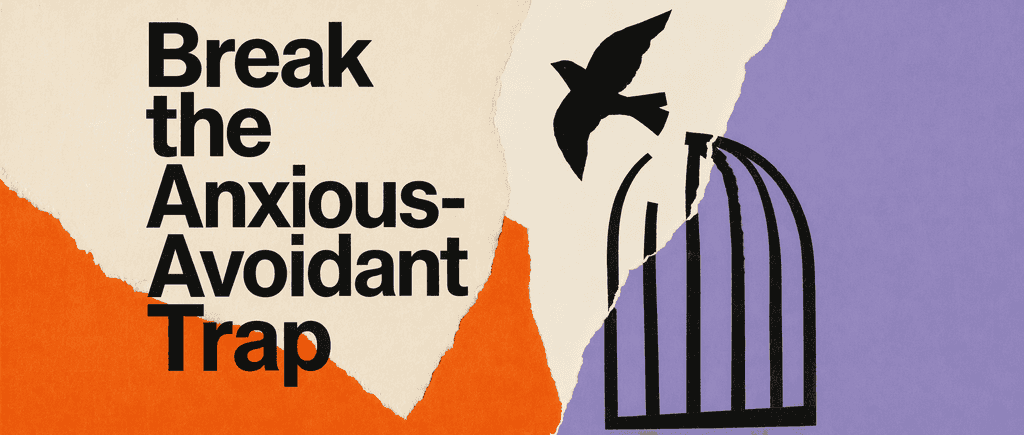
Avoidant attachment and the push-pull dynamic
Feeling pushed away when you try to get close? Learn how to navigate the anxious-avoidant trap and build a secure connection despite past infidelity.

Avoidant attachment and the push-pull dynamicのベスト引用
When you stop seeing your partner as the 'enemy' and start seeing the 'cycle' as the enemy—that’s when things actually move.
Generated by Vishwanath
How to develop maintain and sustain loving relationship with a women of 38 years with avoidant attachment style and high testosterone who has shown is capable of infidelity. How to make the relationship work long term. Especially if the partner has anxious attachment style male of 43 years old


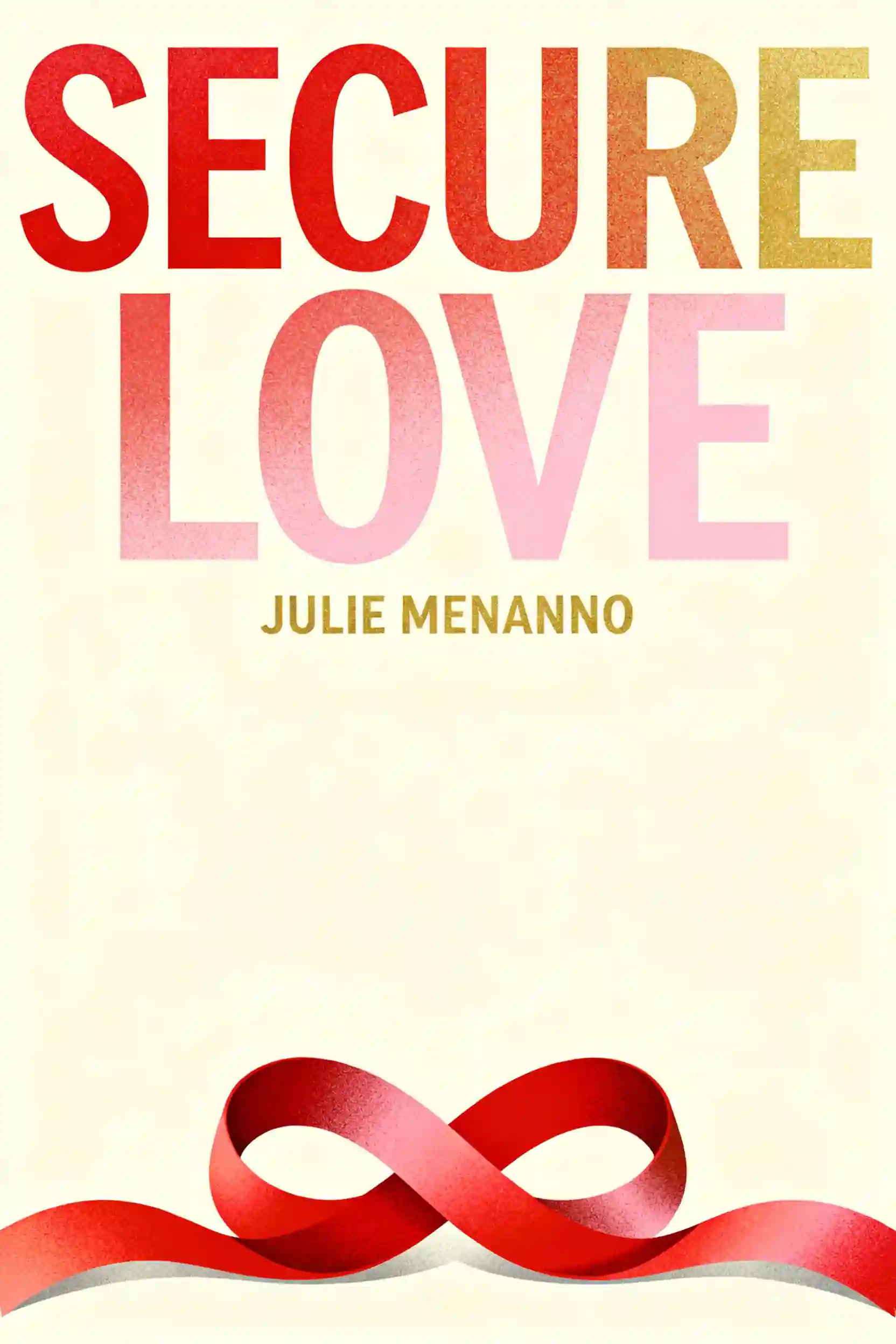
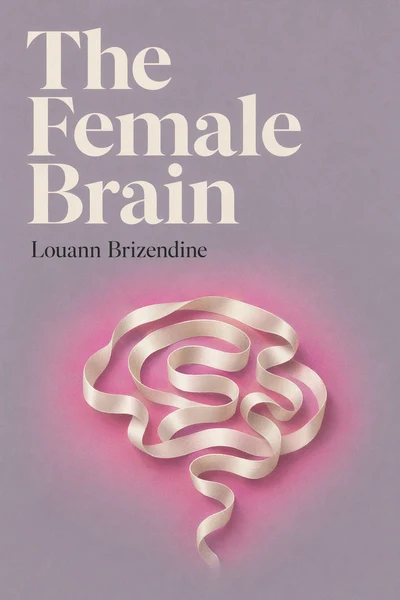
よくある質問
In this specific dynamic, infidelity is rarely driven by a lack of love for the primary partner. Instead, it serves as a "deactivation strategy" used to dial down emotional heat and intensity when a relationship feels too "heavy" or "engulfing." By creating a side story with zero expectations, the avoidant partner finds a dopamine-rich escape from vulnerability, allowing them to regulate internal stress and maintain a sense of autonomy.
High testosterone in women is often linked to a greater drive for autonomy and a higher sensitivity to dopamine, the "pursuit" chemical. This biological profile can make emotional closeness feel like a threat to independence or a form of pressure. Furthermore, it may lead to a higher threshold for boredom in long-term stability, occasionally increasing the drive for "mate seeking" or new rewards to satisfy the nervous system's need for space and stimulation.
When an anxiously attached partner tries to close the gap by being extra "sweet" or persistent, an avoidant partner often perceives this as being "hunted" or pressured. To someone who fears engulfment, increased pursuit feels like a loss of freedom. The script suggests that the most effective response is to "match her energy" and give her space, which demonstrates that the partner is not solely dependent on her for emotional stability and reduces the perceived weight of the relationship.
Earned security is the process of moving from an insecure attachment style toward a secure one through consistent, predictable interactions. It is built by creating "containers" for emotional intensity, such as setting time limits on difficult conversations or establishing proactive check-in routines. By repeatedly experiencing moments of safety and reliability—rather than relying on grand gestures—the nervous system is "rewired" to realize that closeness does not result in a loss of self.
コロンビア大学卒業生がサンフランシスコで開発
"Instead of endless scrolling, I just hit play on BeFreed. It saves me so much time."


"I never knew where to start with nonfiction—BeFreed’s book lists turned into podcasts gave me a clear path."


"Perfect balance between learning and entertainment. Finished ‘Thinking, Fast and Slow’ on my commute this week."
"Crazy how much I learned while walking the dog. BeFreed = small habits → big gains."
"Reading used to feel like a chore. Now it’s just part of my lifestyle."

"Feels effortless compared to reading. I’ve finished 6 books this month already."
"BeFreed turned my guilty doomscrolling into something that feels productive and inspiring."

"BeFreed turned my commute into learning time. 20-min podcasts are perfect for finishing books I never had time for."
"BeFreed replaced my podcast queue. Imagine Spotify for books — that’s it. 🙌"

"It is great for me to learn something from the book without reading it."
"The themed book list podcasts help me connect ideas across authors—like a guided audio journey."
"Makes me feel smarter every time before going to work"
 Ask ChatGPT
 Ask Claude
コロンビア大学卒業生がサンフランシスコで開発
"Instead of endless scrolling, I just hit play on BeFreed. It saves me so much time."
"I never knew where to start with nonfiction—BeFreed’s book lists turned into podcasts gave me a clear path."
"Perfect balance between learning and entertainment. Finished ‘Thinking, Fast and Slow’ on my commute this week."
"Crazy how much I learned while walking the dog. BeFreed = small habits → big gains."
"Reading used to feel like a chore. Now it’s just part of my lifestyle."
"Feels effortless compared to reading. I’ve finished 6 books this month already."
"BeFreed turned my guilty doomscrolling into something that feels productive and inspiring."
"BeFreed turned my commute into learning time. 20-min podcasts are perfect for finishing books I never had time for."
"BeFreed replaced my podcast queue. Imagine Spotify for books — that’s it. 🙌"
"It is great for me to learn something from the book without reading it."
"The themed book list podcasts help me connect ideas across authors—like a guided audio journey."
"Makes me feel smarter every time before going to work"
"Instead of endless scrolling, I just hit play on BeFreed. It saves me so much time."
"I never knew where to start with nonfiction—BeFreed’s book lists turned into podcasts gave me a clear path."
"Perfect balance between learning and entertainment. Finished ‘Thinking, Fast and Slow’ on my commute this week."
"Crazy how much I learned while walking the dog. BeFreed = small habits → big gains."
"Reading used to feel like a chore. Now it’s just part of my lifestyle."
"Feels effortless compared to reading. I’ve finished 6 books this month already."
"BeFreed turned my guilty doomscrolling into something that feels productive and inspiring."
"BeFreed turned my commute into learning time. 20-min podcasts are perfect for finishing books I never had time for."
"BeFreed replaced my podcast queue. Imagine Spotify for books — that’s it. 🙌"
"It is great for me to learn something from the book without reading it."
"The themed book list podcasts help me connect ideas across authors—like a guided audio journey."
"Makes me feel smarter every time before going to work"
"Instead of endless scrolling, I just hit play on BeFreed. It saves me so much time."
"I never knew where to start with nonfiction—BeFreed’s book lists turned into podcasts gave me a clear path."
"Perfect balance between learning and entertainment. Finished ‘Thinking, Fast and Slow’ on my commute this week."
"Crazy how much I learned while walking the dog. BeFreed = small habits → big gains."
"Reading used to feel like a chore. Now it’s just part of my lifestyle."
"Feels effortless compared to reading. I’ve finished 6 books this month already."
"BeFreed turned my guilty doomscrolling into something that feels productive and inspiring."
"BeFreed turned my commute into learning time. 20-min podcasts are perfect for finishing books I never had time for."
"BeFreed replaced my podcast queue. Imagine Spotify for books — that’s it. 🙌"
"It is great for me to learn something from the book without reading it."
"The themed book list podcasts help me connect ideas across authors—like a guided audio journey."
"Makes me feel smarter every time before going to work"