8 things to stop caring about to gain respect
Chasing approval often makes genuine influence slip away. Learn why strategic detachment builds more respect and how to use emotional intelligence to lead.

8 things to stop caring about to gain respectのベスト引用
Real influence comes from strategic detachment and high emotional intelligence, not from being a people-pleaser or needing to be the smartest person in the room.
Generated by Osandi
To be wiser than your peers and for them to respect you and like you through psychological knowledge while self improving

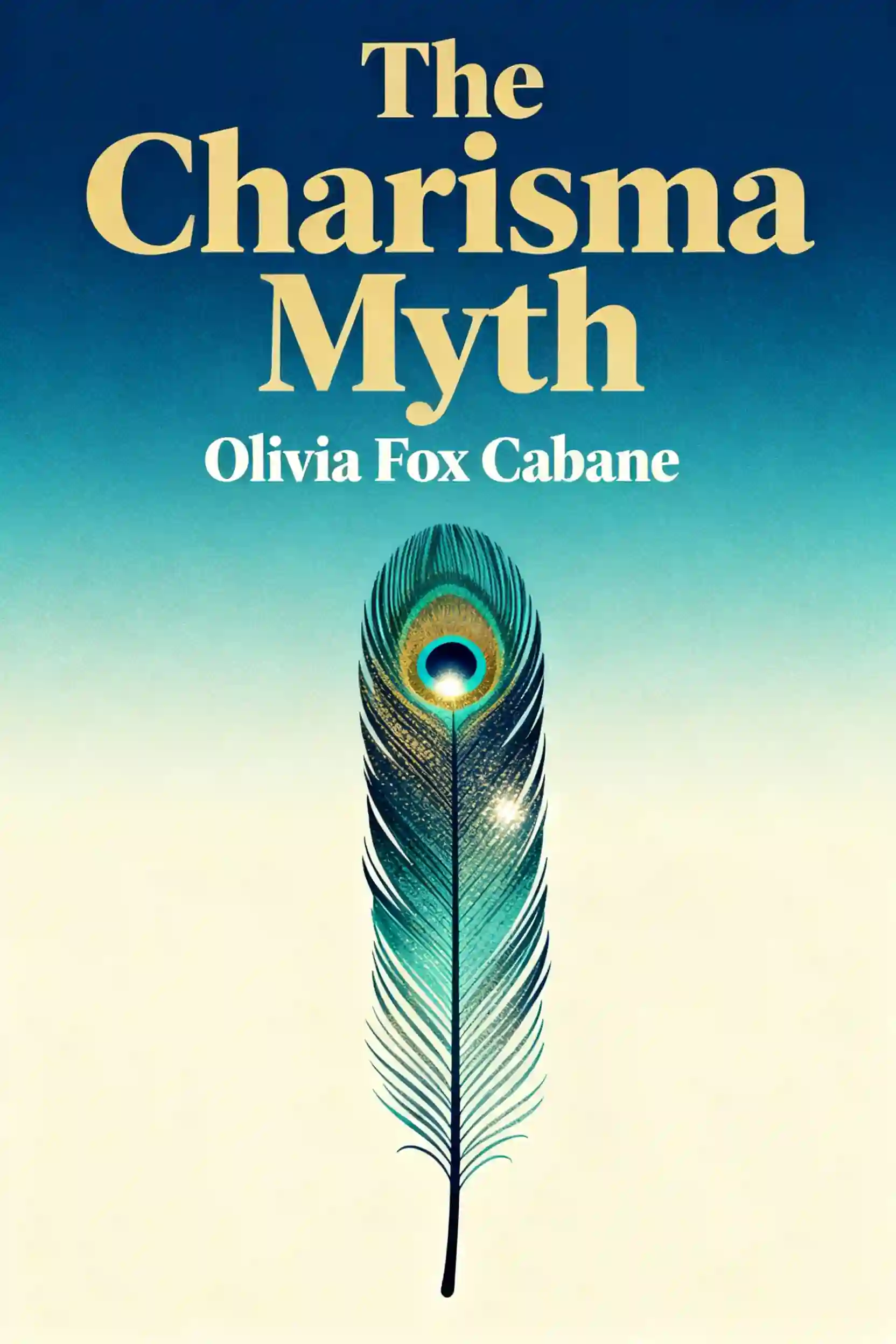
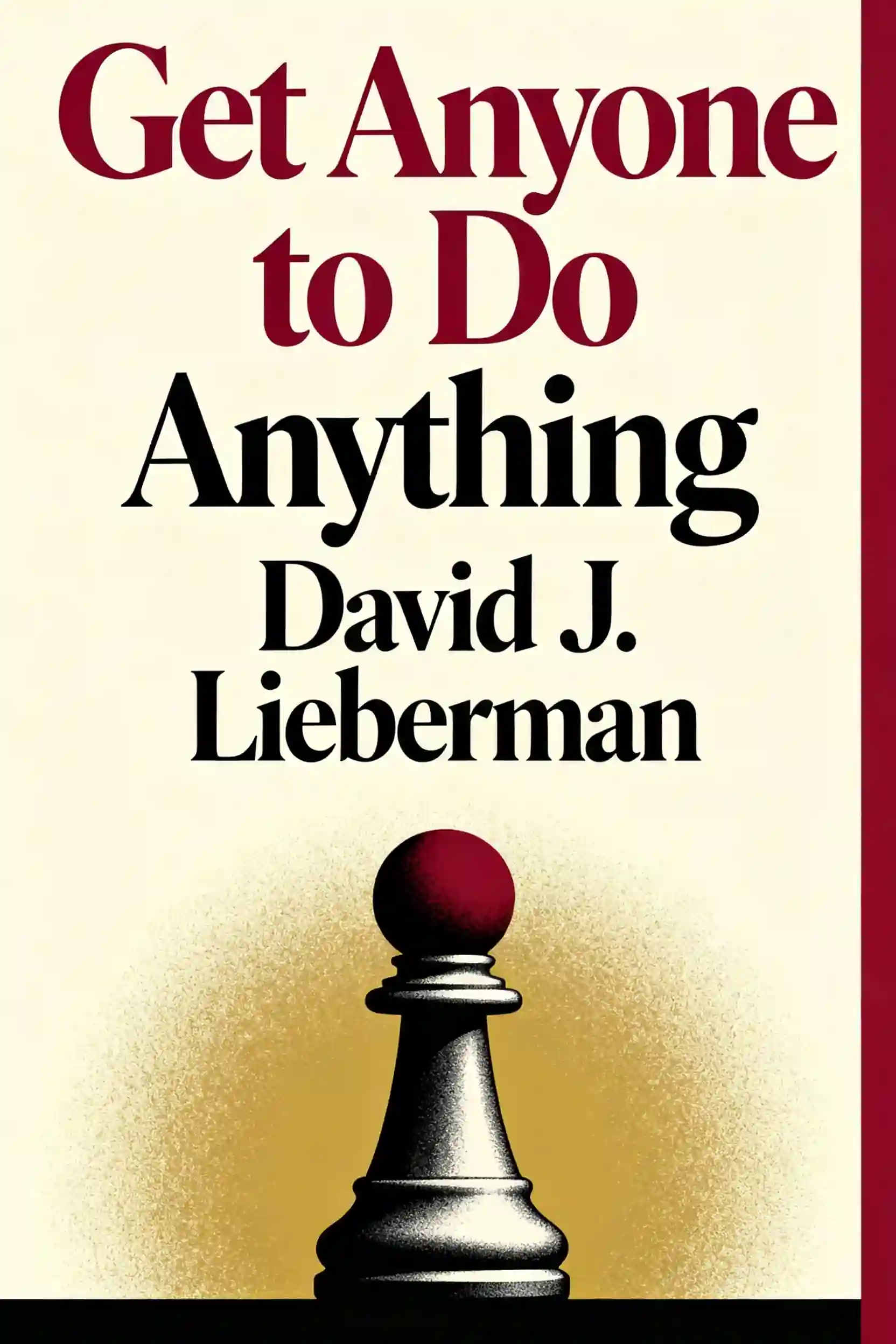
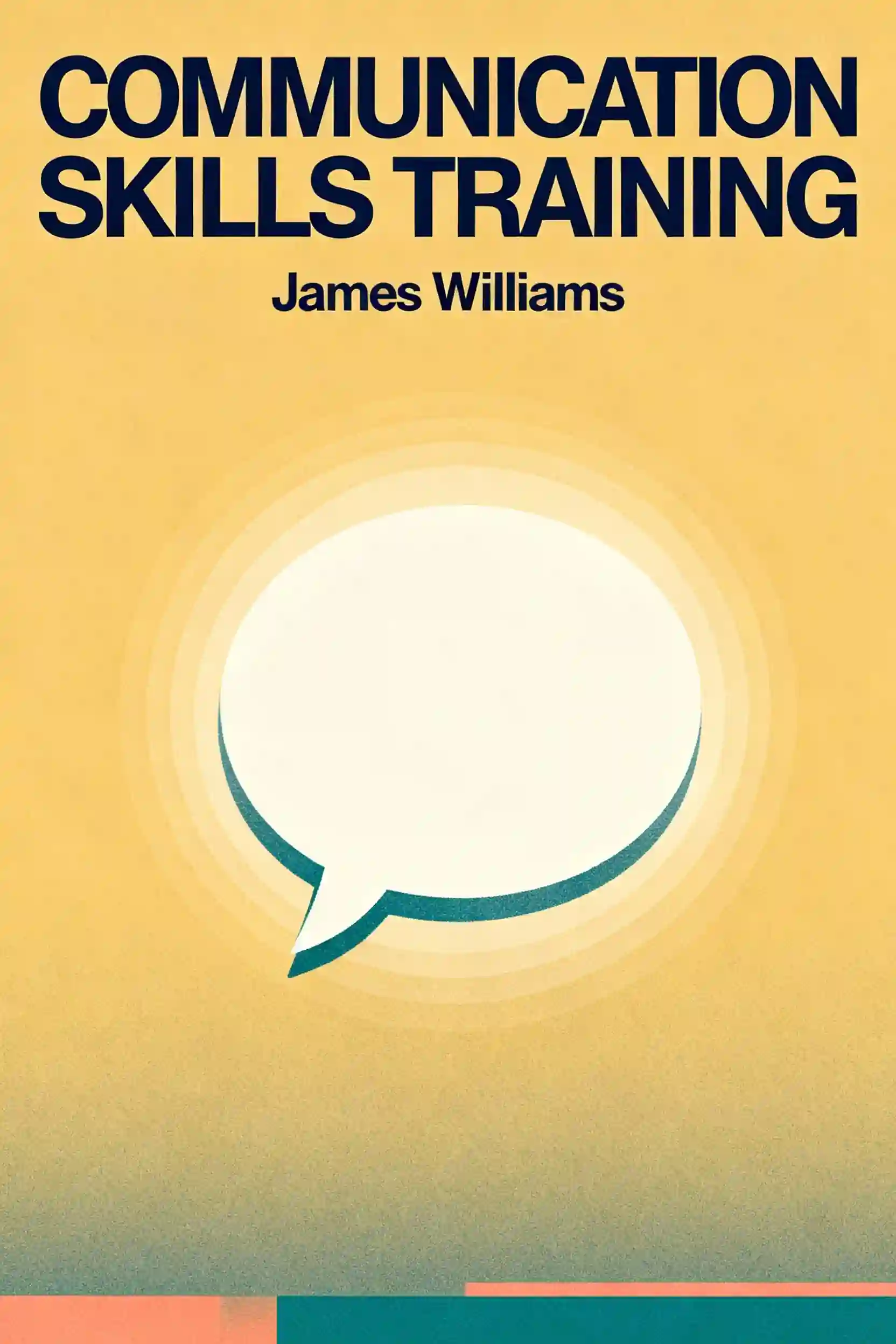
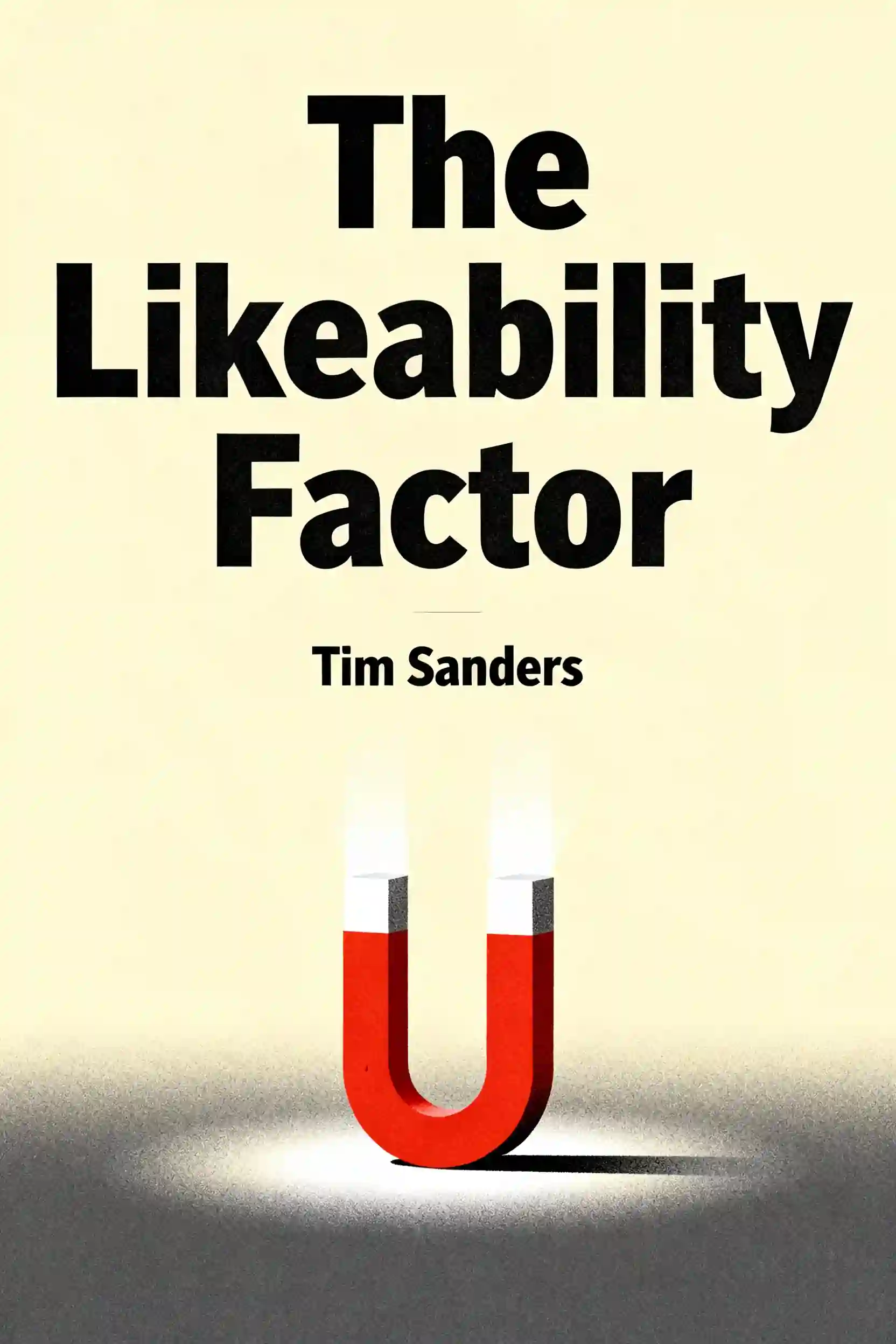
よくある質問
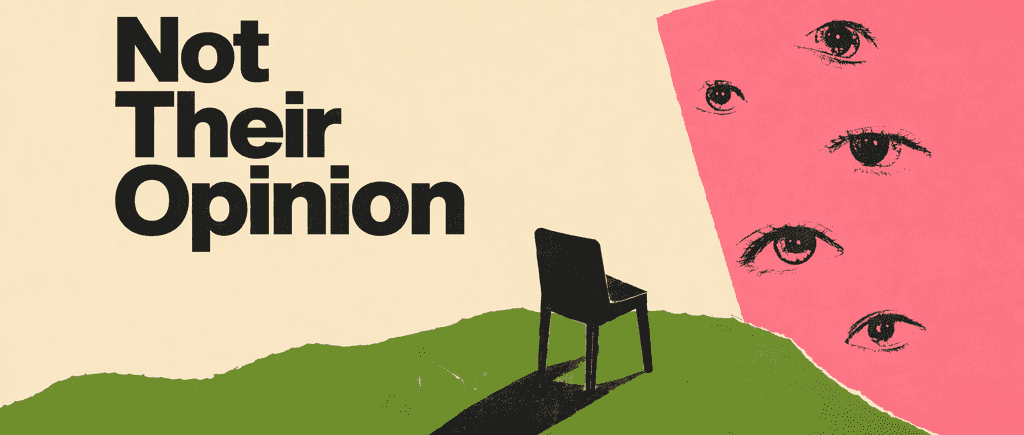
The Spotlight Effect is a psychological illusion where individuals believe others are scrutinizing their every move, flaw, or mistake much more intensely than they actually are. In reality, most people are preoccupied with their own self-perception and do not have the mental bandwidth to judge others. Recognizing this effect helps break the "Social Anxiety Loop," a cycle where anticipating judgment triggers physical stress symptoms that lead to awkward behavior, which then reinforces the original fear.
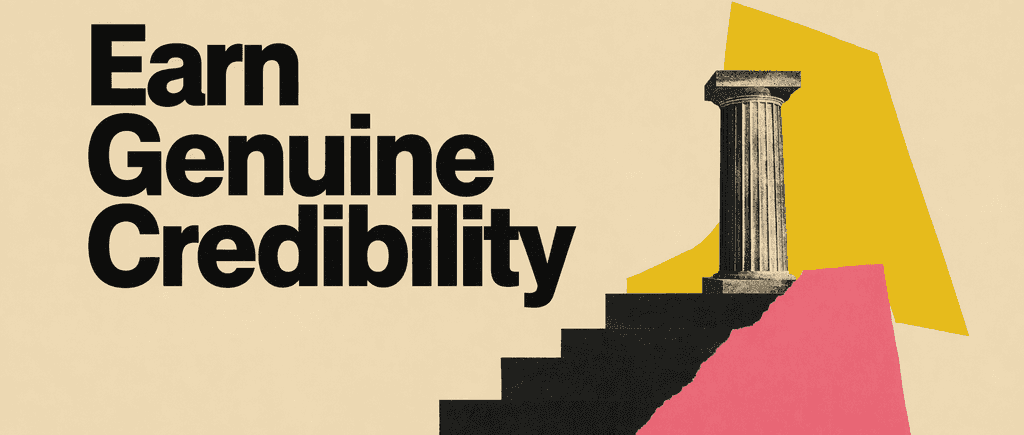
Social psychology suggests that we evaluate everyone we meet based on two axes: Warmth (intentions toward others) and Competence (the ability to act on those intentions). While high achievers often lead with competence to gain respect, doing so without establishing warmth first can make them appear arrogant or threatening. To build genuine influence and trust, it is more effective to lead with warmth to lower perceived threats before demonstrating expertise.
Emotional Contagion refers to the phenomenon where emotions spread between people via "mirror neurons" in the brain, causing others to unconsciously mimic the emotional state of a leader or peer. To manage this, influential individuals practice "State Before Content," intentionally deciding on a helpful emotion—such as calm resolve or curiosity—before entering a room. Techniques like "Name it to Tame it" can also help regulate personal triggers by labeling emotions, shifting brain activity from the reactive amygdala to the rational prefrontal cortex.
The Benjamin Franklin Effect is the psychological finding that people tend to like someone more after they have done a favor for that person. In a social or professional context, asking for someone's opinion or expertise—such as asking "What am I missing?"—makes the other person feel valued and successful. This triggers a sense of investment and positive association, proving that showing "intellectual humility" and admitting you don't have all the answers can actually be a power move for building rapport.
The difference between ethical persuasion and manipulation lies in the intent to achieve a mutually beneficial goal rather than a selfish one. "Anchoring" involves setting a starting reference point for a discussion, such as a budget or timeline, which should be grounded in genuine value. "Framing" involves presenting information in a way that motivates others, such as viewing a difficult project as an opportunity for growth. Using these shortcuts helps others process information more easily without concealing truths or trapping them into unfair agreements.
コロンビア大学卒業生がサンフランシスコで開発
"Instead of endless scrolling, I just hit play on BeFreed. It saves me so much time."


"I never knew where to start with nonfiction—BeFreed’s book lists turned into podcasts gave me a clear path."


"Perfect balance between learning and entertainment. Finished ‘Thinking, Fast and Slow’ on my commute this week."
"Crazy how much I learned while walking the dog. BeFreed = small habits → big gains."
"Reading used to feel like a chore. Now it’s just part of my lifestyle."

"Feels effortless compared to reading. I’ve finished 6 books this month already."
"BeFreed turned my guilty doomscrolling into something that feels productive and inspiring."

"BeFreed turned my commute into learning time. 20-min podcasts are perfect for finishing books I never had time for."
"BeFreed replaced my podcast queue. Imagine Spotify for books — that’s it. 🙌"

"It is great for me to learn something from the book without reading it."
"The themed book list podcasts help me connect ideas across authors—like a guided audio journey."
"Makes me feel smarter every time before going to work"
 Ask ChatGPT
 Ask Claude
コロンビア大学卒業生がサンフランシスコで開発
"Instead of endless scrolling, I just hit play on BeFreed. It saves me so much time."
"I never knew where to start with nonfiction—BeFreed’s book lists turned into podcasts gave me a clear path."
"Perfect balance between learning and entertainment. Finished ‘Thinking, Fast and Slow’ on my commute this week."
"Crazy how much I learned while walking the dog. BeFreed = small habits → big gains."
"Reading used to feel like a chore. Now it’s just part of my lifestyle."
"Feels effortless compared to reading. I’ve finished 6 books this month already."
"BeFreed turned my guilty doomscrolling into something that feels productive and inspiring."
"BeFreed turned my commute into learning time. 20-min podcasts are perfect for finishing books I never had time for."
"BeFreed replaced my podcast queue. Imagine Spotify for books — that’s it. 🙌"
"It is great for me to learn something from the book without reading it."
"The themed book list podcasts help me connect ideas across authors—like a guided audio journey."
"Makes me feel smarter every time before going to work"
"Instead of endless scrolling, I just hit play on BeFreed. It saves me so much time."
"I never knew where to start with nonfiction—BeFreed’s book lists turned into podcasts gave me a clear path."
"Perfect balance between learning and entertainment. Finished ‘Thinking, Fast and Slow’ on my commute this week."
"Crazy how much I learned while walking the dog. BeFreed = small habits → big gains."
"Reading used to feel like a chore. Now it’s just part of my lifestyle."
"Feels effortless compared to reading. I’ve finished 6 books this month already."
"BeFreed turned my guilty doomscrolling into something that feels productive and inspiring."
"BeFreed turned my commute into learning time. 20-min podcasts are perfect for finishing books I never had time for."
"BeFreed replaced my podcast queue. Imagine Spotify for books — that’s it. 🙌"
"It is great for me to learn something from the book without reading it."
"The themed book list podcasts help me connect ideas across authors—like a guided audio journey."
"Makes me feel smarter every time before going to work"
"Instead of endless scrolling, I just hit play on BeFreed. It saves me so much time."
"I never knew where to start with nonfiction—BeFreed’s book lists turned into podcasts gave me a clear path."
"Perfect balance between learning and entertainment. Finished ‘Thinking, Fast and Slow’ on my commute this week."
"Crazy how much I learned while walking the dog. BeFreed = small habits → big gains."
"Reading used to feel like a chore. Now it’s just part of my lifestyle."
"Feels effortless compared to reading. I’ve finished 6 books this month already."
"BeFreed turned my guilty doomscrolling into something that feels productive and inspiring."
"BeFreed turned my commute into learning time. 20-min podcasts are perfect for finishing books I never had time for."
"BeFreed replaced my podcast queue. Imagine Spotify for books — that’s it. 🙌"
"It is great for me to learn something from the book without reading it."
"The themed book list podcasts help me connect ideas across authors—like a guided audio journey."
"Makes me feel smarter every time before going to work"