第4章
La Bestia: The Beast That Delivers Dreams
The journey north is dominated by La Bestia-"The Beast"-the network of freight trains that migrants ride through Mexico toward the U.S. border. This mechanical monster becomes both their salvation and potential destroyer, a symbol of the brutal journey that breaks people even as it delivers them to new life.
Their first encounter with La Bestia comes after a harrowing trip through Mexico, dodging checkpoints by running through fields at night. When they finally see the train-"the dusty steel beast that will carry us north"-they must race alongside the tracks as it groans to life. Pulga goes first, grabbing onto a metal ladder and climbing to the top. Chico struggles, missing the bar twice before finally getting on. Pequena runs behind, her abdomen tightening with pain, refusing to leave Chico behind even as the train speeds up.
"The beast seemed to breathe beside me," Pequena recalls, "threatening to pull me under its wheels." When she finally grabs the bar and climbs to join the others, they howl and holler in victory along with everyone else on top of the train. In this moment, they are "luchadores"-fighters who dare to try against impossible odds.
Life aboard La Bestia is a constant battle against elements and exhaustion. The burning sun and whipping tree branches leave them battered and dehydrated. At night, they huddle together as those on the edges push toward the center, creating a desperate pulse as they press against each other. With each turn and jerk of the train, they risk falling to their deaths.
The dangers aren't just physical. When headlights appear alongside the train, screams of "Narcos! Kidnappers! La migra!" erupt as panic spreads. Later, the train screeches to a halt and chaos erupts as gunshots pierce the night. They scramble down ladders and run into the darkness, hiding in tall grass as men search for migrants. They hear the terrifying sounds of a family being captured-the same family they'd seen moments before.
La Bestia becomes a metaphor for the migration journey itself-a necessary monster that might deliver them to their dreams or destroy them in the attempt. As one migrant tells them, "El viaje es muy feo"-the journey is very ugly. Yet they persist because the alternative-returning to the violence they fled-is unthinkable.
第5章
The Toll of the Journey: Death and Transformation
The physical and emotional toll of the journey transforms each character in profound ways. For Chico, the journey ultimately claims his life. For Pulga and Pequena, it strips away their innocence but also reveals their extraordinary resilience.
Chico's death comes suddenly and brutally. As the train screeches to a stop, he topples forward and falls off the side. Pulga jumps off the still-moving train, running desperately back along the tracks. When they reach Chico, his leg is mangled beyond recognition, blood everywhere. Though a priest and woman try desperately to save him with CPR and defibrillator paddles, Chico dies in Pulga's arms, smiling at him one last time, telling him not to worry.
This loss nearly destroys Pulga's will to continue. At Chico's funeral, Father Jimenez speaks of him being safe now in God's hands, but Pulga questions how God could let this happen, why they have to die to finally be safe. For three days after, he says nothing, retreating into grief and guilt.
Pequena experiences her own transformation through trauma. After Chico's death, she cuts her hair even shorter, embracing her disguise as protection. When she's later separated from Pulga in the desert, she has a mystical experience where she feels herself leaving her body, floating upward into the cool desert night. She sees La Bruja-the witch-like figure who has appeared in her visions since childhood-who takes her hand and fills her with strength.
The journey also forces them to confront difficult moral questions. When they encounter other vulnerable migrants-a woman with a small child, an elderly man-they must decide whether to help or protect themselves. "You want to be around when one of them drops dead like the old man back there? Or worse?" Pulga snaps when Chico questions why they left others behind. His words hit Pequena "like knives," but she acknowledges he's right, though Chico is also right that "we shouldn't be like that."
This moral ambiguity pervades their journey. To survive, they must sometimes act in ways that conflict with their values. Yet even as the journey hardens them, it also reveals their fundamental decency-their refusal to become like Rey, to sacrifice their humanity for survival.
第6章
Kindness in Unexpected Places
Amid the brutality of their journey, moments of unexpected kindness shine like beacons. These encounters with compassionate strangers remind them-and us-that humanity persists even in the darkest circumstances.
At a shelter in Mexico, they meet Soledad, a woman who immediately recognizes Chico's concussion and insists they stay while he recovers. For seven days, she nurses him back to health, shearing their hair to rid them of lice and cooking nourishing meals. When Pequena tells her that her real name is Flor, Soledad encourages her to remember who she is despite La Bestia's attempts to erase her identity.
Later, after Chico's death, Father Jimenez offers to bury him in their cemetery for migrants who died on the journey. Though Pulga initially refuses, wanting to take him home to be buried beside his mother, Pequena gently reminds him they can't go back-Chico wouldn't want that.
In Altar, when a man and his vicious dog attack them, a nun emerges from a church with a fake gun, driving the man away. Inside the church's hidden rooms, she cleans and stitches Pulga's wounds while offering them juice and crackers-simple kindnesses that move Pequena to tears.
Perhaps most remarkably, when Pequena is rescued from the desert by two women, she discovers an impossible connection-one of them is the sister of Soledad, the woman who helped them at the shelter. This connection across thousands of miles feels like a miracle, making Pequena laugh for the first time since their journey began.
These moments of kindness stand in stark contrast to the institutional cruelty they encounter, particularly at the U.S. border. When Border Patrol finds Pulga in the desert, they take him to a detention center where he's locked in a freezing room with other migrants huddled under thin foil blankets. Later, he's transferred to a facility where they separate boys from girls, take their shoelaces, and lock them in metal cages.
The juxtaposition of individual compassion and institutional cruelty highlights a central theme: systems may fail, but individual humans still have the capacity for extraordinary kindness. These moments of connection-across languages, borders, and experiences-remind us of our shared humanity and offer glimpses of hope in an otherwise devastating journey.
第7章
The Desert: A Landscape of Death and Rebirth
The final stage of their journey takes them through the Sonoran Desert-a landscape so harsh it becomes a character in itself. Here, in this liminal space between countries, between life and death, Pulga and Pequena face their greatest challenges and undergo their most profound transformations.
Their desert crossing begins with a coyote named Gancho who warns them the journey will take three nights of walking, and they must keep up or die. As night falls, they follow him into the vast emptiness, walking until dawn, when they reach a small hollow in the mountain to rest for the day.
The desert's extremes are merciless-freezing at night, scorching during the day. "The cold desert night numbs my fingers, feet, and the throbbing in my shoulder," Pulga reflects. "I take deep breaths trying to numb everything inside me too." By day, the sun "stares down like an angry god's eye," sucking every drop of moisture from their bodies.
As Pulga's will to continue falters, Pequena literally drags him forward, refusing to crawl into a hole and wait for death. "Stop this," she tells him through clenched teeth. "Why are you doing this?" But Pulga has reached his breaking point, telling her, "I don't care anymore."
When Border Patrol finds them, an agent's predatory behavior toward Pequena prompts her to flee into the desert, abandoning Pulga. This separation becomes the final trial in their journey-Pulga taken to detention while Pequena wanders alone in the desert, certain she will die.
In this moment of absolute desperation, Pequena experiences what feels like death and rebirth. She leaves her body, floating upward into the cool desert night where all pain, thirst, and heartache vanish. She sees La Bruja again, who takes her hand as women's spirits enter her body, "filling me with strength and will as I glow blue-white in the desert night."
When she's rescued and later tells the woman who saved her, "My name is Flor. Not Pequena. I don't want to be called Pequena ever again," we witness her reclaiming her identity. As the woman says her true name, Flor feels "something inside my chest-a luminous flower bud unfurling, filling me with life and hope."
Similarly, when Pulga is finally released from detention to his father's sister, his heart-"that thing I've been beating to death"-suddenly explodes, "shattering into a million pieces." He screams so loud his aunt pulls over to hold him. But in this breakdown comes breakthrough: "My heart thunders in my chest, reminding me I'm alive, reminding me who I am, reminding me I want to live. And that maybe, I will make it."
The desert thus becomes not just a landscape of death but of rebirth-a crucible that burns away their old selves and forges something new from the ashes.
第8章
The Price of Survival: What Remains After the Journey
By the journey's end, Pulga and Pequena have survived, but at tremendous cost. Chico's death haunts them both - a constant reminder of the brutality they've witnessed and the irreplaceable loss of their childhood friend. They've been separated from each other and from everything familiar: their grandmother's cooking, the streets they played in as children, the simple comfort of speaking their native language without fear or hesitation. Their bodies bear the physical evidence of their ordeal - Pulga with "skinny, bruised legs and chest discolored black and blue," his feet blistered and raw from endless walking. Pequena's face and neck are slashed with "stinging cuts" from desert plants, her skin weathered by exposure to relentless sun and wind.
The emotional wounds run deeper than any physical scars. When Pulga showers at the detention center, surrounded by institutional walls and harsh fluorescent lights, he feels "I'll never be clean again, that there's not enough soap to wash away this pain, this rot." The grime of the journey seems embedded in his very soul. When he finally speaks to his mother on the phone, her voice feels "so distant, like she's outside the universe," highlighting how profoundly disconnected he's become from his former life. The familiar comfort of her voice now serves only to emphasize everything he's lost.
Yet amid this devastation, small seeds of hope emerge, fragile but persistent. Pequena, now calling herself Flor, feels "a luminous flower bud unfurling" in her chest when she hears her true name spoken - a reminder that beneath the layers of trauma, her essential self remains intact. Pulga, whose heart has been "that thing I've been beating to death" throughout the journey, suddenly feels it thundering in his chest, "reminding me I'm alive, reminding me who I am." These moments of self-recognition become tiny victories in themselves.
Their stories end not with triumphant arrival but with tentative possibility - the sense that survival itself is a kind of triumph, even if the future remains uncertain. Pulga faces endless days in the detention center, waiting for the courts to hear his case, learning to navigate a system that seems designed to break his spirit. Pequena/Flor has found temporary sanctuary with the women who rescued her, but safety feels precarious, conditional. They've made it to the United States, but their journey is far from over - each day brings new challenges of language, culture, and belonging.
This ambiguous ending reflects the reality for many migrants who reach the U.S. border - arrival doesn't mean the end of struggle but the beginning of a new chapter filled with different challenges. The questions loom large: Will they be granted asylum or deported? Will they reunite with family members? Will they ever heal from the trauma they've endured? Will they find communities that accept them, or will they forever feel like outsiders? The uncertainty of their legal status hangs over everything, coloring even moments of joy with anxiety.
The book offers no easy answers, instead leaving us with the understanding that survival comes at a steep price. Some things are irretrievably lost - Chico's life, their innocence, their connection to home, the simple certainty of belonging somewhere. Yet something essential remains - their humanity, their capacity for hope, their determination to create meaning from suffering. In their very persistence, they embody both the tragedy and the triumph of the migrant experience: broken but not destroyed, changed but not erased, carrying within them both the weight of what they've lost and the possibility of what they might yet become.
第9章
A Witness to the Unimaginable
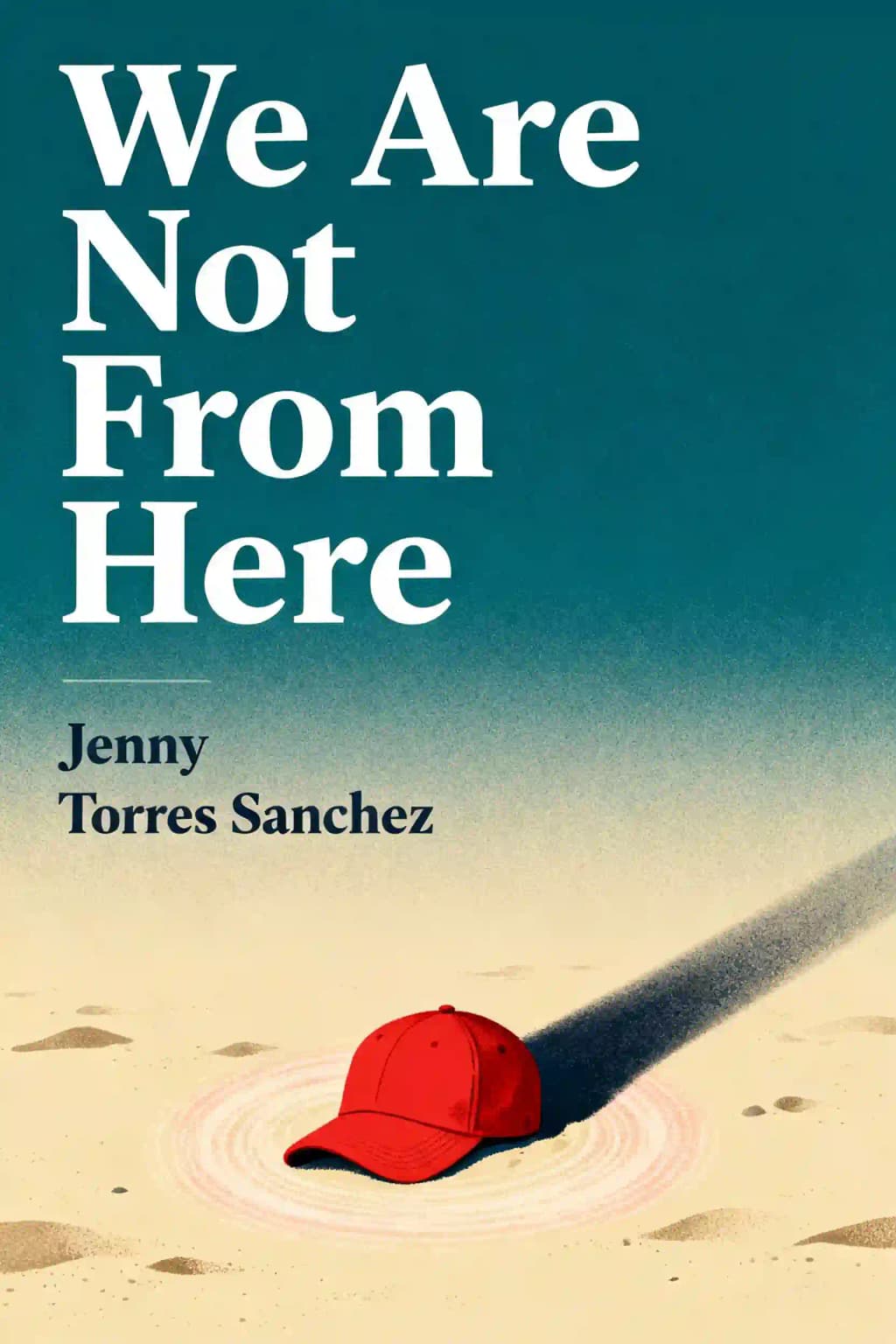
Jenny Torres Sanchez began writing this book in 2015, haunted by news of unaccompanied children fleeing their countries aboard La Bestia. As a mother and daughter of immigrants, she couldn't stop thinking about these children, how only circumstance separated their fate from her own children's. She saw Pulga, Pequena, and Chico on that train and began writing their stories.
"This book is an imagining of an unimaginable journey that breaks people even as it delivers them to new life," she writes in her author's note. "It's tragic that migrant children who survive such treacherous journeys are met with cruelty in U.S. detention camps where they're treated inhumanely."
Through fiction, Sanchez bears witness to experiences that might otherwise remain invisible to many readers. She transforms statistics into human beings with dreams, fears, and unimaginable courage. She forces us to confront uncomfortable truths about violence, poverty, and the desperation that drives people to risk everything for a chance at safety.
Most importantly, she reminds us that behind every migration story are individual human beings making impossible choices in impossible circumstances. Pulga, Pequena, and Chico aren't abstractions or political talking points-they're teenagers with favorite songs and inside jokes, with mothers who love them and dreams for their futures.
By the end of their journey, we understand that the title-"We Are Not From Here"-carries multiple meanings. It refers not just to their status as migrants in foreign lands, but to their sense of dislocation from their own lives, from the people they were before trauma transformed them. Yet it also contains a spark of defiance-a refusal to be defined by circumstances, a determination to create new homes and identities when the old ones have been stolen.
Their story reminds us that survival itself can be an act of resistance in a world that treats some lives as disposable. And in bearing witness to their journey, we're challenged to consider our own role in creating a world where no child should have to ride La Bestia to find safety.