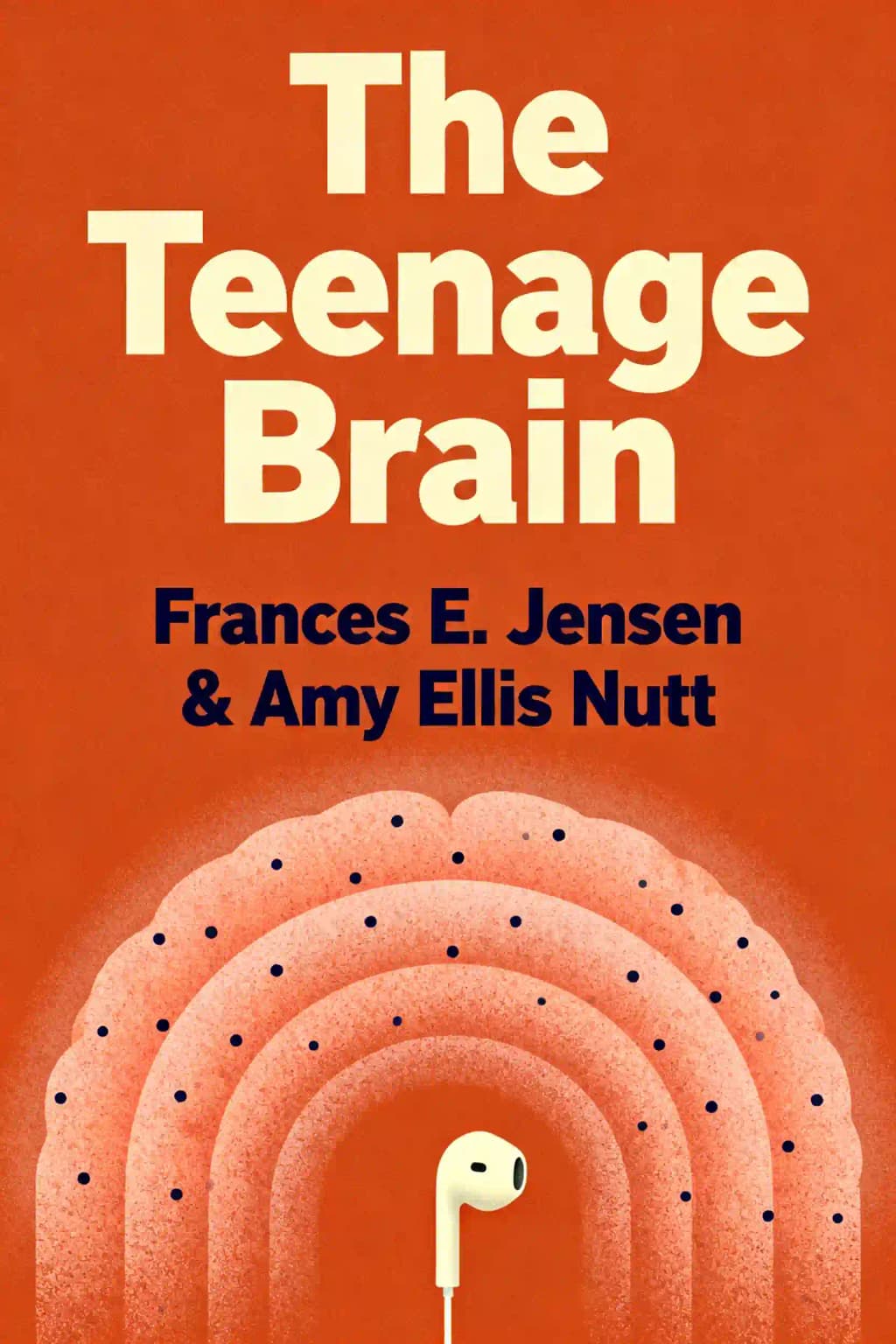
『10代の脳:反抗期・思春期の子どもとどう付き合うか』の概要
なぜあなたのティーンエイジャーの脳はリスクを冒すようにできているのでしょうか?ジェンセン博士のベストセラーである神経科学ガイドは、ティーンエイジャーの脳は25歳になるまで完全には発達しないことを明らかにし、親や教育者が思春期の行動を理解する方法を再構築しています。ティーンエイジャーがなぜ依存症に対して独特の脆弱性を持っているのか、そしてデジタル技術が彼らの発達途中の心にどのような影響を与えるのかを探ってみましょう。
『10代の脳:反抗期・思春期の子どもとどう付き合うか』の主要テーマ
- adolescent neurobiology
- synaptic plasticity
- frontal lobe development
- myelination process
- teenage sleep patterns
『10代の脳:反抗期・思春期の子どもとどう付き合うか』の名言
Teenage sleep patterns represent normal physiological changes rather than signs of rebellion.
The teenage brain combines peak learning efficiency with underdeveloped attention...a powerful but sometimes chaotic combination.
The teenage brain isn't simply an adult brain with less experience-it's fundamentally different in structure and function.
The brain's complexity comes not just from neurons themselves but from their connections.
『10代の脳:反抗期・思春期の子どもとどう付き合うか』の登場人物
- Frances E. JensenAuthor, neurologist, and mother of two sons
- Amy Ellis NuttCo-author of the book
10代の脳:反抗期・思春期の子どもとどう付き合うかの要約をダウンロード
10代の脳:反抗期・思春期の子どもとどう付き合うかの要約をPDFまたはEPUBで無料でダウンロード。印刷やオフラインでいつでもお読みいただけます。





