第1章
The Skin Revolution: Discovering Your Perfect Match
Have you ever stood in front of a beauty counter, overwhelmed by countless products promising miracles, only to waste money on yet another disappointment? You're not alone. The average woman spends over $300,000 on skincare and cosmetics in her lifetime, yet most of us use products completely wrong for our skin. Dr. Leslie Baumann's groundbreaking approach to skincare has revolutionized the beauty industry, earning her praise from celebrities like Jennifer Lopez and dermatologists worldwide. As the first full-time university faculty member dedicated to cosmetic dermatology and founder of the University of Miami Cosmetic Center, Dr. Baumann developed a revolutionary system that replaces the outdated "normal, oily, dry, combination" classification with sixteen distinct skin types based on scientific research with thousands of patients. This system has become the gold standard for personalized skincare, offering a solution as unique as your skin itself.
第2章
Breaking the Skin Type Code: The Four Key Factors
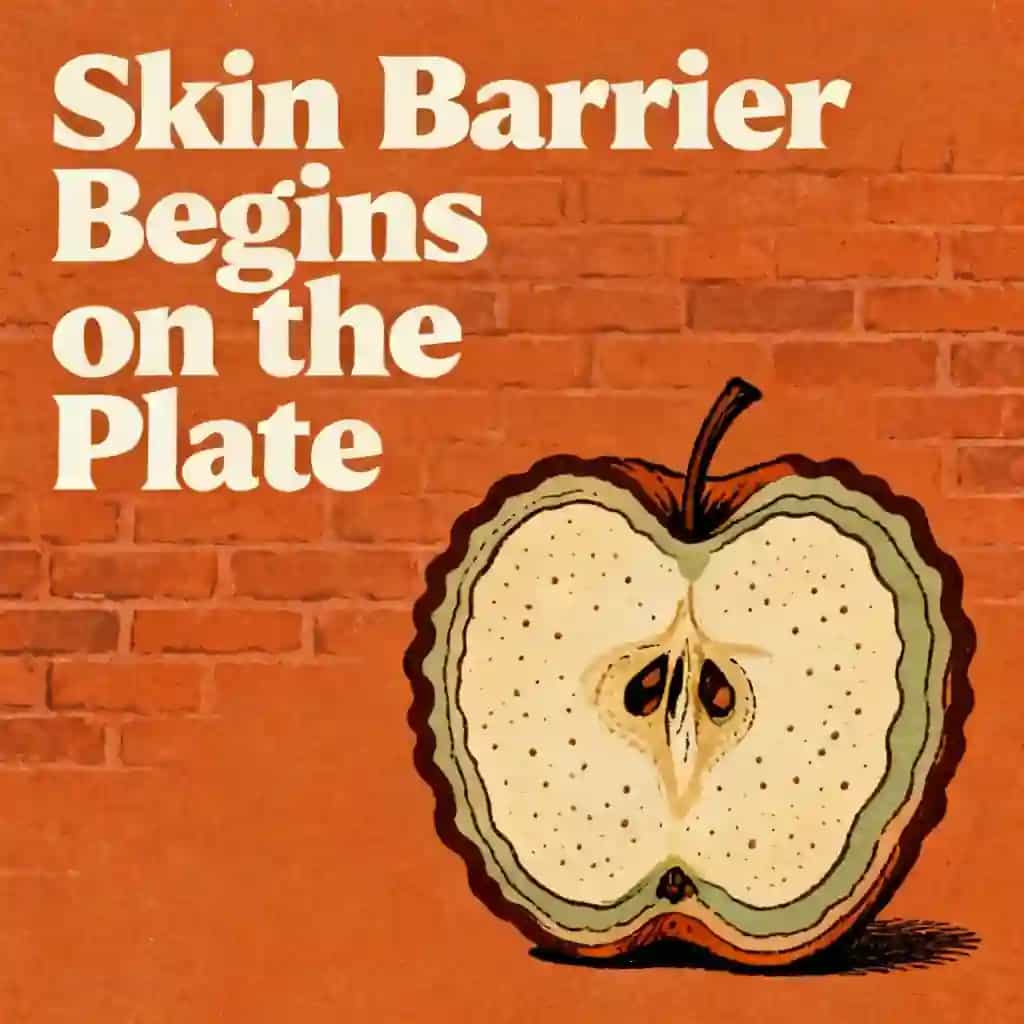
The Baumann Skin Typing System analyzes your skin across four critical parameters that interact to determine your unique needs. First is the oily vs. dry spectrum, which measures your skin's natural hydration level. This depends on your skin barrier-imagine it as a brick wall with cells (bricks) held together by lipids (mortar). When this barrier is compromised, moisture escapes and irritants enter. Oil production, influenced by genetics, diet, stress, and hormones, forms a protective film on your skin's surface. Factors like climate, medication, and age can significantly impact oil production - for instance, hormonal changes during menopause often lead to decreased oil production, while teenage years typically see an increase due to androgens.
The second parameter, sensitive vs. resistant, determines how your skin reacts to products and environmental factors. Resistant skin has a solid barrier that prevents irritants from penetrating deeper layers, allowing you to use most products without reaction. However, this strong barrier also means many products aren't potent enough to penetrate and deliver benefits. Sensitive skin, reported by over 40% of people, has a weaker barrier making it vulnerable to reactions. There are four distinct subtypes of sensitivity: acne (affecting 40-50 million Americans, with adult acne increasing by 200% over the past decade), rosacea (characterized by facial redness and flushing, affecting 16 million Americans), stinging (intense reactions without visible redness, often triggered by specific ingredients like alpha-hydroxy acids), and allergic (inflammatory responses to specific ingredients, commonly preservatives and fragrances).
The third factor, pigmented vs. non-pigmented, measures your likelihood of developing unwanted dark spots. This isn't strictly about ethnicity-people of all backgrounds can fall anywhere on this spectrum. Pigmented types tend to develop melasma (the "mask of pregnancy" affecting up to 70% of pregnant women), sun spots, or post-inflammatory hyperpigmentation after skin trauma. Your position on this spectrum affects not just your skincare needs but also your skin cancer risk. Those with more melanin have natural protection against UV damage but are more prone to hyperpigmentation issues, while those with less melanin need more aggressive sun protection but typically show less obvious pigmentation changes.
The final parameter, wrinkled vs. tight, evaluates your skin's aging tendencies. While intrinsic (genetic) aging is inevitable, extrinsic aging from factors like smoking (which can accelerate aging by up to 10 years), pollution (responsible for up to 25% of facial aging in urban areas), poor nutrition, and especially sun exposure (causing up to 90% of visible aging signs) can be controlled. Sun protection is absolutely essential for preventing wrinkles, with consistent daily application being the single most important anti-aging strategy regardless of weather or indoor/outdoor activities. Studies show that regular sunscreen use can reduce skin aging by 24% over a four-year period, even when started later in life.
第3章
Discovering Your Personal Skin Type
The comprehensive Baumann Skin Type Questionnaire represents a groundbreaking scientific approach to identifying your unique skin profile across four key parameters, resulting in a personalized four-letter skin type designation. This questionnaire, developed through extensive research and refined through clinical testing with over 100,000 patients across diverse demographics and climates, provides significantly more detailed insights than traditional dermatological consultations. It considers not just surface-level characteristics but deeper patterns of skin behavior and reactivity, including genetic predisposition, environmental influences, and lifestyle factors.
For the oily vs. dry assessment, the questionnaire delves into multiple aspects of skin behavior through detailed observation protocols. It examines how your skin feels several hours after washing, particularly in the T-zone and cheek areas, with specific timing recommendations for evaluation (typically 4-6 hours post-cleansing). The evaluation includes analyzing your appearance in photographs under different lighting conditions (natural daylight, artificial indoor lighting, and flash photography), how various types of makeup (powder, liquid, and long-wear formulations) wear throughout the day, and skin's response to different environmental conditions including humidity levels and temperature changes. Specific indicators like visible pore size (measured using standardized comparison charts), sebum production patterns throughout the day, and reaction to various cleanser types (gel, cream, foam, oil) are carefully measured. Scores range from 11-44, with scores above 33 indicating oily skin tendencies, while scores below 22 suggest dry skin characteristics. The middle range (23-32) often indicates combination skin patterns requiring specialized care approaches.
The sensitive vs. resistant parameter explores skin reactivity through detailed questions about historical reactions to skincare products, diagnosed conditions like rosacea, eczema, or contact dermatitis, and responses to environmental triggers including pollution and temperature extremes. The assessment examines specific sensitivities to common active ingredients like retinoids, alpha-hydroxy acids, beta-hydroxy acids, vitamin C derivatives, and various preservatives and fragrances. Physical manifestations such as flushing after hot showers, reaction to spicy foods, alcohol consumption, and tendency toward post-inflammatory hyperpigmentation are evaluated using standardized scales. Scores between 30-77 indicate sensitive skin, while 18-29 suggests resistant skin, with particular attention paid to inflammation patterns and recovery time after irritation.
The pigmented vs. non-pigmented assessment goes beyond simple color evaluation to examine your skin's melanin behavior at both surface and cellular levels. Key factors include post-inflammatory hyperpigmentation patterns (including duration and intensity), hormonal melasma development patterns, reaction to sun exposure over time (both immediate and delayed responses), and genetic predisposition to pigmentation issues based on family history. The questionnaire considers factors like ethnicity-specific pigmentation patterns, how quickly your skin tans or burns, and the effectiveness of various brightening ingredients on your skin type.
The wrinkled vs. tight evaluation provides a comprehensive analysis of both current skin condition and future aging trajectory through multiple assessment tools. It examines static and dynamic wrinkles using standardized photography and measurement techniques, family aging patterns across multiple generations (particularly focusing on parents and grandparents), cumulative sun exposure history (including childhood sun habits), and lifestyle factors including smoking history, average sleep patterns, stress levels, and detailed dietary habits. The assessment also considers protective factors like consistent sunscreen use patterns, antioxidant consumption through diet and supplements, and regular use of protective skincare ingredients.
Your combined scores generate one of sixteen possible skin types, each requiring specific skincare approaches tailored to address multiple concerns simultaneously. For borderline scores (within 2-3 points of another category), considering recommendations for both relevant types can be beneficial, particularly during seasonal transitions. The questionnaire acknowledges that skin type isn't static - factors like seasonal changes, hormonal fluctuations (including menstrual cycle and menopause), stress levels, medication changes, and environmental conditions can cause temporary shifts in skin behavior, requiring periodic reassessment and adjustment of skincare routines every 3-6 months or during significant life changes.
第4章
The Oily, Sensitive Spectrum: Managing Multiple Challenges
Oily, sensitive skin types (OSPW, OSPT, OSNW, and OSNT) face a frustrating paradox: their skin problems seem to require powerful treatments, yet their sensitivity prevents them from tolerating strong ingredients. This challenging combination affects roughly 20% of adults, creating a complex web of skincare needs that often seem contradictory. These types struggle with finding suitable products that won't trigger reactions while effectively addressing their concerns.
OSPW types typically have a history of sun exposure, resulting in what seemed like a perfect bronze tan in youth but leading to premature aging later. Their skin combines excessive oil production (causing persistent acne and enlarged pores), heightened sensitivity (making product selection particularly difficult), stubborn pigmentation issues (brown spots form easily after even minor trauma), and accelerated wrinkle formation. They struggle with finding appropriate sunscreens that won't irritate their sensitive skin or exacerbate oiliness. Many OSPW individuals report that chemical sunscreens cause stinging, while physical sunscreens can feel heavy and pore-clogging.
OSPTs battle a vicious cycle of breakouts followed by brown spots, a pattern that can feel impossible to break. Oil production leads to frequent acne episodes, while sensitivity makes the skin reactive to many conventional acne treatments. Pigmentation causes dark spots to form after any inflammation, including everyday occurrences like minor bumps or scratches. The good news: as you age, oil production naturally decreases, and your skin typically shows fewer wrinkles than other types due to the protective effects of excess sebum production in earlier years.
OSNWs experience persistent facial redness and acne, causing significant social embarrassment and uncertainty about which antiaging products won't irritate their sensitive skin. These typically fair-skinned individuals burn easily, flush readily with temperature changes or emotional stress, and may develop rosacea as early as their twenties. Sun exposure dramatically worsens their conditions, leading to premature wrinkles, broken blood vessels, and a significantly increased skin cancer risk. Even brief sun exposure can trigger flare-ups lasting several days.
OSNTs struggle primarily with facial flushing that reveals their emotions in social situations, often causing anxiety in professional settings. Their skin is prone to rosacea, causing not only redness but also visible blood vessels, burning sensations, and extreme sensitivity to environmental factors like wind and temperature changes. Despite these challenges, OSNTs rarely develop significant wrinkles or dark spots as they age, saving them from costly anti-aging treatments later in life. Their primary focus remains on managing redness and sensitivity.
For all oily, sensitive types, the key is finding products that control oil production while calming inflammation and avoiding irritation. Anti-inflammatory ingredients like aloe vera, chamomile, feverfew, and niacinamide are particularly beneficial, while harsh detergents, alcohols, and synthetic fragrances should be strictly avoided. A gentle, minimalist skincare routine often proves most effective, focusing on pH-balanced cleansers, oil-free hydrators, and mineral-based sun protection. Regular use of cooling facial tools, like jade rollers kept in the refrigerator, can help reduce inflammation and redness without irritating sensitive skin.
第5章
The Oily, Resistant Advantage: Strength with Challenges
Oily, resistant skin types (ORPW, ORPT, ORNW, and ORNT) possess a remarkably resilient skin barrier that acts as both a blessing and a challenge. This resistance allows for extensive experimentation with various skincare products without the risk of adverse reactions like rashes, redness, or irritation that plague sensitive skin types. However, this same protective barrier presents a unique challenge - it requires more potent, concentrated formulations to achieve desired results, as the skin's robust defense system effectively blocks both harmful irritants and beneficial active ingredients.
ORPWs face perhaps the most complex combination of skin concerns, including excessive oiliness, visibly enlarged pores, stubborn hyperpigmentation, and premature wrinkles - essentially every major skin challenge except sensitivity. While these issues tend to be persistent and won't magically resolve with time, consistent and aggressive treatment protocols can yield significant improvements. Their skin's resistance enables them to utilize powerful treatments like high-percentage retinoids, concentrated chemical peels, and potent vitamin C serums that would be far too harsh for sensitive skin types.
ORPTs enjoy one of the more manageable skin types, with advantages significantly outweighing drawbacks. Their skin typically maintains a healthy, vibrant appearance and demonstrates excellent aging resistance. While they may struggle with acne during adolescence and early adulthood, and can develop post-inflammatory hyperpigmentation, these issues are generally controllable. The melanin that causes their pigmentation concerns actually serves as natural sun protection, reducing their risk of skin cancer. Additionally, their skin's natural firmness helps maintain a more youthful appearance well into later years.
ORNWs often coast through their early years with minimal skin concerns, which can lead to complacency in skincare routines. Many experience their teenage years with only occasional breakouts, never requiring specialized acne treatments. This carefree approach can backfire as they age, with signs of aging seemingly appearing overnight. Without an established skincare routine, they may find themselves suddenly confronting deep wrinkles, loss of elasticity, and noticeable sagging, particularly around the jawline and neck.
ORNTs represent the ideal combination of skin characteristics, blessed with naturally flawless, uniformly-toned, luminous, and age-resistant skin that requires minimal maintenance. Unlike their counterparts, ORNTs rarely experience common skin concerns such as acne breakouts, inflammatory redness, hyperpigmentation, or dehydration. Their naturally oily, firm skin provides excellent protection against premature aging, while their melanin production remains balanced, preventing dark spot formation even after injury or inflammation.
For all oily, resistant skin types, the key to effective skincare lies in selecting products with sufficiently high concentrations of active ingredients to penetrate their robust barrier. These skin types can successfully utilize and benefit from higher percentages of active ingredients like retinoids (up to 1% retinol), alpha hydroxy acids (10-20% glycolic acid), and vitamin C (15-20% L-ascorbic acid) - concentrations that would be intolerable for sensitive skin types. Regular exfoliation and deep-cleaning treatments are also essential to manage oil production and maintain clear pores.
第6章
The Dry, Sensitive Challenge: Fragility and Reactivity
Dry, sensitive skin types (DSPW, DSPT, DSNW, and DSNT) face some of the most challenging skin conditions, requiring meticulous care and attention. Their skin exhibits multiple issues demanding careful management - not only is it chronically dry and flaky, requiring intensive moisturization, but it's also highly reactive to numerous ingredients commonly found in skincare products. These individuals frequently experience redness, irritation, and inflammation, often developing post-inflammatory hyperpigmentation (dark spots) that can persist for months.
DSPWs face a particularly frustrating reality where their skin's extreme hyperreactivity makes finding suitable products extraordinarily difficult. Many suffer from chronic conditions like eczema (atopic dermatitis), where dry skin becomes severely irritated, reddened, and inflamed, developing itchy, sometimes weeping patches that can take weeks or months to heal. Their compromised skin barrier function fails to retain essential moisture or block potentially allergenic ingredients, leaving them vulnerable to a continuous cycle of dryness, irritation, redness, and intense itchiness. Even seemingly innocuous ingredients like preservatives can trigger reactions.
DSPTs struggle with the complex challenge of managing both severe dryness and sensitivity simultaneously. For people of color with this skin type, dryness manifests as "ashiness" - a distinctive grayish appearance created by white flakes against darker skin tones, particularly noticeable on areas like elbows, knees, and legs. While the tendency toward dry skin may be genetic, it's often exacerbated by environmental factors and chemical exposures. Hair care products, in particular, can be problematic, as ingredients like sodium lauryl sulfate can compromise the skin barrier and contribute to contact allergies, especially along the hairline and neck.
DSNWs face the unique challenge of managing reactive skin that can be remarkably unpredictable - appearing calm one day and erupting into irritation the next. This skin type regularly experiences dryness, visible flaking, persistent dullness, chronic itching, and episodes of intense redness. The fundamental paradox for DSNWs is that while their desert-dry skin desperately needs moisture, many hydrating products cause immediate reactions like itching, stinging, and burning sensations. Even products marketed as "gentle" or "for sensitive skin" can trigger reactions.
DSNTs typically have fair, delicate skin that requires exceptionally careful maintenance. While its porcelain-like quality is often admired, it demands vigilant protection and gentle care. DSNTs typically burn easily, rarely tan, and should strictly avoid sun exposure. Their characteristically tight, refined skin texture often reflects good habits like rigorous sun avoidance, not smoking, and maintaining antioxidant-rich diets. However, keeping DSNT skin calm, adequately hydrated, and non-reactive requires careful product selection, consistent care routines, and attention to environmental factors.
For all dry, sensitive types, the primary focus should be on repairing and maintaining the skin barrier through ingredients like ceramides, essential fatty acids, and cholesterol while strictly avoiding potential irritants including fragrances, harsh detergents, and drying alcohols. Gentle, non-foaming cleansers and rich, barrier-repairing moisturizers are essential components of their skincare routine. Additionally, protection from environmental extremes - including cold, wind, sun, and pollution - becomes crucial for maintaining skin health and preventing flare-ups.
第7章
The Dry, Resistant Balance: Strength with Thirst
Dry, resistant skin types (DRPW, DRPT, DRNW, and DRNT) possess a unique advantage in their ability to tolerate stronger skincare ingredients without adverse reactions, though they face an ongoing challenge with hydration maintenance. Their skin's resilient barrier function allows for more aggressive anti-aging treatments, but this must be balanced with consistent moisturizing protocols. This resistance often means they can use higher concentrations of active ingredients like glycolic acid (up to 10%) and retinol (0.5-1%) that would irritate sensitive skin types.
DRPWs typically present with fair to medium skin tones that either burn easily or develop a tan with inadequate sun protection. Their aging concerns typically emerge in their twenties or thirties, manifesting as hyperpigmentation and expression lines, particularly around the orbital area and glabella. The characteristic dryness of this skin type exacerbates the appearance of fine lines, creating a more pronounced aging effect. While their skin rapidly absorbs moisturizers, the hydration benefit is often short-lived, requiring multiple applications throughout the day. Environmental factors, lifestyle choices like smoking, dietary habits (particularly low intake of essential fatty acids), and genetic predisposition all contribute to their accelerated aging concerns.
DRPTs represent the epitome of aging gracefully, often maintaining a youthful appearance well into their later years. This coveted skin type transcends ethnic boundaries, as exemplified by timeless beauties like Sophia Loren, whose Mediterranean complexion remains stunning into her 80s, Lucy Liu's porcelain-like clarity, and Halle Berry's age-defying radiance. Their skin maintains remarkable elasticity and rarely experiences common concerns like excess sebum production or acne. While increasing dryness may become apparent with age, their skin's resistant nature allows them to utilize potent anti-aging ingredients that might be too harsh for other types.
DRNWs experience what might be called a "false start" advantage - their youth is marked by enviably clear skin while peers struggle with teenage skin concerns. However, this early advantage often gives way to accelerated aging patterns, particularly in those with northern European heritage. Their fair complexion, while initially pristine, requires vigilant protection and targeted intervention to maintain its quality. Key concerns include rapid collagen breakdown and pronounced sensitivity to photoaging.
DRNTs represent the most fortunate skin type, experiencing minimal complications beyond managing dryness. Their skin typically maintains its integrity with basic care, rarely requiring specialized dermatological treatments, and often appears significantly younger than chronological age would suggest. While moisturizing becomes increasingly important as hormonal changes affect skin hydration levels, particularly during menopause, DRNTs generally enjoy remarkably low-maintenance skin that maintains its quality with minimal intervention.
For all dry, resistant types, successful skincare revolves around strategic hydration using multi-layered moisturizing approaches. This includes incorporating humectants like hyaluronic acid and glycerin to attract moisture, combined with occlusive agents such as shea butter or squalane to seal in hydration. Their resistant nature allows for the incorporation of powerful active ingredients, including higher-strength retinoids, vitamin C (up to 20% concentration), and various alpha hydroxy acids, though these should always be balanced with adequate moisturization to prevent compromising the skin barrier.
第8章
The Personalized Approach: Your Skin's Unique Solution
The beauty of the Baumann Skin Typing System lies in its personalization, offering a scientifically-backed methodology that identifies 16 distinct skin types. Once you understand your skin type, you can select products specifically formulated for your needs rather than wasting money on inappropriate options. This scientific approach eliminates the guesswork and trial-and-error that frustrates so many skincare consumers, potentially saving hundreds or even thousands of dollars on ineffective products.
For each skin type, Dr. Baumann provides detailed daily regimens addressing morning and evening routines, with product recommendations at various price points. These routines are carefully calibrated to address specific skin concerns - for instance, oily skin types might need a gentle foaming cleanser in the morning but a salicylic acid-based product at night, while dry skin types might benefit from cream-based cleansers at both times. She emphasizes that expensive products aren't necessarily better-you're often paying for marketing and packaging rather than superior ingredients. A $200 moisturizer might contain the same key ingredients as a $30 alternative, making price point a poor indicator of effectiveness. What matters is selecting products with the right active ingredients for your specific skin type and concerns, such as niacinamide for inflammation, retinoids for aging, or hyaluronic acid for hydration.
The system also helps you understand when professional dermatological intervention might be necessary. Some skin types require minimal professional care, while others benefit significantly from prescription medications, light treatments, and specialized procedures. For example, persistent cystic acne might require oral medication, while melasma often responds best to a combination of topical treatments and in-office procedures. With the national shortage of dermatologists creating waiting periods of three to six months for appointments, knowing when to seek professional help-and being prepared with knowledge about your skin type-makes these visits more efficient and focused.
Perhaps most importantly, the Baumann system empowers you with knowledge about your skin that goes beyond superficial marketing claims. It teaches you to read ingredient lists critically, understand the science behind product formulations, and recognize which trendy ingredients actually benefit your specific skin type. By understanding the science behind your skin's behavior, you can make informed choices about products, procedures, and lifestyle factors that affect your skin's health and appearance. This includes understanding how diet, stress, sleep, and environmental factors interact with your particular skin type.
As Dr. Baumann emphasizes, there's a Skin Type Solution for everyone. Whether you're dealing with persistent acne, premature aging, stubborn dark spots, or simply want to maintain your skin's natural beauty, understanding your unique skin type is the essential first step toward achieving your best possible skin. The system provides specific solutions for challenges like hormonal acne in your 40s, managing rosacea flare-ups, addressing hyperpigmentation in darker skin tones, or combining anti-aging treatments with acne management - common issues that often require personalized approaches rather than one-size-fits-all solutions.