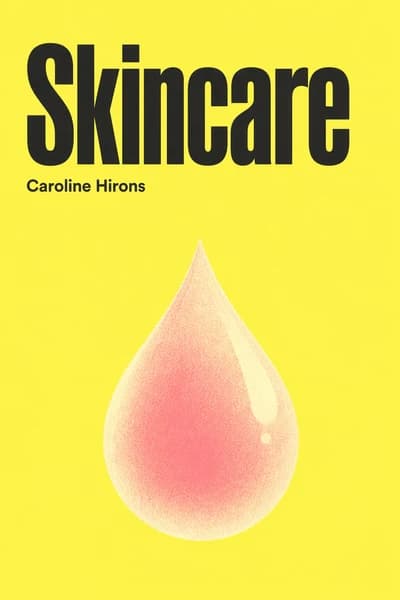
The skincare bible that demystified beauty routines and challenged industry myths. Crowned "Sunday Times #1 Bestseller" and British Book Awards winner, Caroline Hirons' no-nonsense guide has Vogue calling her "the skincare oracle" while transforming how millions approach their daily regimen. Wipes, beware.
Caroline Hirons, bestselling author of Skincare: The Ultimate No-Nonsense Guide, is a globally recognized aesthetician and skincare authority with over 25 years of industry expertise. Known as the "queen of skincare," her practical, science-backed approach demystifies routines, ingredients, and product selection in this definitive non-fiction lifestyle guide.
A CIBTAC-qualified professional, Hirons honed her craft through roles at Harvey Nichols and Space NK before launching her influential blog in 2010, which has garnered over 89 million unique users. Her work extends to regular appearances on ITV’s This Morning and the award-winning Skin Rocks app, described as "a skin expert in your pocket."
Hirons’ debut book became the UK’s bestselling skincare title of all time, earning the 2021 Non-Fiction Lifestyle Book of the Year at the British Book Awards. An updated edition, Skincare: The New Edit, further cements her status as a trusted voice.
Beyond writing, she founded the Beauty Backed initiative, raising £600,000 during COVID-19 to support industry workers, and launched her clinically proven Skin Rocks product line. Her book has been embraced by both skincare novices and professionals, with its straightforward advice driving its status as a Sunday Times Number 1 bestseller.
Skincare by Caroline Hirons is a comprehensive guide to building effective skincare routines, emphasizing science-backed practices and debunking common myths. It covers skin types, conditions, product layering, and the importance of consistency, while advocating for personalized care over marketing trends. Hirons combines 35+ years of expertise as an aesthetician with relatable advice, making complex topics accessible.
This book is ideal for anyone interested in skincare, from beginners seeking foundational knowledge to enthusiasts wanting to refine their routines. Hirons’ no-nonsense approach appeals to those frustrated by industry jargon, while her product recommendations and myth-busting insights cater to readers navigating acne, aging, or sensitivity.
Yes—it’s the UK’s bestselling skincare title and won Non-Fiction Lifestyle Book of the Year in 2021. Readers praise its practical advice, humor, and actionable steps for all ages and budgets. Critics note its clarity on ingredients like retinoids and acids, though some find Hirons’ blunt tone polarizing.
Hirons prioritizes double cleansing (oil-based followed by water-based cleanser), product layering (thinnest to thickest consistency), and daily SPF. She stresses morning/evening consistency, seasonal adjustments, and avoiding over-exfoliation. Routines should address individual needs: dry skin requires richer moisturizers, while oily skin benefits from lightweight, non-comedogenic formulas.
She highlights that sensitivity can be both a type and a temporary condition, requiring fragrance-free, soothing ingredients.
Hirons advises waiting 1-2 minutes between layers for better absorption.
For sensitivity: Fragrance-free products, minimal actives, and patting—not rubbing—techniques. For acne: Salicylic acid, niacinamide, and non-comedogenic formulas. Hirons warns against over-cleansing, which can exacerbate both conditions.
She cautions that results require 6-12 months of consistent use.
Unlike trend-driven manuals, Hirons focuses on education over quick fixes, stressing long-term skin health. It’s often compared to The Skincare Bible but stands out for its conversational tone and emphasis on budget-friendly options.
Its core principles—like personalized routines and ingredient literacy—remain timeless. Updates in The New Edit (2021) address mask-related acne and telehealth dermatology, ensuring modern applicability.
Some readers find Hirons’ direct style abrasive, and her product recommendations occasionally favor luxury brands. However, she balances this with drugstore alternatives and clear explanations of cost-vs-benefit.
著者の声を通じて本を感じる
知識を魅力的で例が豊富な洞察に変換
キーアイデアを瞬時にキャプチャして素早く学習
楽しく魅力的な方法で本を楽しむ
Knowledge is power.
Skincare should be enjoyable, not a chore.
Cleanse every night without fail.
Would you go to bed without removing the day's buildup?
『Skincare』の核心的なアイデアを分かりやすいポイントに分解し、革新的なチームがどのように創造、協力、成長するかを理解します。
鮮やかなストーリーテリングを通じて『Skincare』を体験し、イノベーションのレッスンを記憶に残り、応用できる瞬間に変えます。
何でも質問し、学習スタイルを選び、自分に本当に響くインサイトを一緒に作れます。

"Instead of endless scrolling, I just hit play on BeFreed. It saves me so much time."
"I never knew where to start with nonfiction—BeFreed’s book lists turned into podcasts gave me a clear path."
"Perfect balance between learning and entertainment. Finished ‘Thinking, Fast and Slow’ on my commute this week."
"Crazy how much I learned while walking the dog. BeFreed = small habits → big gains."
"Reading used to feel like a chore. Now it’s just part of my lifestyle."
"Feels effortless compared to reading. I’ve finished 6 books this month already."
"BeFreed turned my guilty doomscrolling into something that feels productive and inspiring."
"BeFreed turned my commute into learning time. 20-min podcasts are perfect for finishing books I never had time for."
"BeFreed replaced my podcast queue. Imagine Spotify for books — that’s it. 🙌"
"It is great for me to learn something from the book without reading it."
"The themed book list podcasts help me connect ideas across authors—like a guided audio journey."
"Makes me feel smarter every time before going to work"

Skincareの要約をPDFまたはEPUBで無料でダウンロード。印刷やオフラインでいつでもお読みいただけます。
Imagine a world where skincare advice cuts through the noise of marketing claims and empty promises. That's exactly what Caroline Hirons delivers. As a third-generation beauty professional with over three decades of experience, she's earned her nickname "The Skincare Queen" by transforming complex skincare science into practical wisdom anyone can apply. Her approach is refreshingly honest - telling you what works, what doesn't, and why that miracle cream everyone's raving about on Instagram might be a waste of your hard-earned money. When she recommends a product, it typically sells out within hours (spawning the hashtag #carolinehironsmademedoit). But what makes her guidance truly revolutionary is how she demystifies skincare, making it accessible to everyone from teenagers battling acne to women navigating menopause. The beauty industry thrives on confusion, but with the right knowledge, you can see through the marketing fog and make choices that actually benefit your skin.
Your skin is your body's largest organ and first line of defense - a shield that regulates temperature, blocks toxins, eliminates waste, protects from UV damage, synthesizes vitamin D, and heals itself. Understanding its structure helps evaluate product claims realistically. The epidermis renews monthly as cells form at the bottom and migrate upward, slowing with age. Most over-the-counter products only affect this layer. The dermis contains the critical trio of skin health: collagen (fullness), elastin (resilience), and hyaluronic acid (bounce). The subcutaneous tissue is primarily fat, protecting muscles and regulating temperature. Don't confuse skin types with conditions. Your type is genetic, while conditions typically result from lifestyle factors. The four main types are: dry (lower sebum, impaired barrier), oily (excessive sebum, larger pores), normal (good balance), and combination (oily T-zone with drier cheeks). Sensitivity sits between type and condition, affecting more women than men due to greater product usage. Distinguishing between dry and dehydrated skin is crucial. Dry skin lacks oil, featuring small pores, tightness, flakiness, and difficulty absorbing products. Dehydrated skin lacks water, absorbs moisturizers quickly, and causes makeup to fade throughout the day. Though similar in appearance, they require different treatments.
Treat skincare as essential as brushing teeth. Your skin needs consistent care, requiring just 2-3 minutes twice daily to transform its health. Use quality washcloths instead of disposable wipes that merely move dirt around. Avoid mineral oil (used because it's cheap), skip stripping foaming products, and reserve wipes for true emergencies. The "bookends" of any routine-cleansing and moisturizing-work universally and create the framework for everything else. Cleanse nightly without fail, double cleansing with makeup or sunscreen. Morning cleansing is also necessary as skin sheds overnight. Avoid smoking (which depletes facial oxygen), get moderate sunshine with protection, and apply SPF 30+ between moisturizer and makeup. Invest in quality skincare proportionate to what you'd spend on accessories-your face is permanent while trends are temporary. Extend products to your neck and decolletage, maintain good nutrition, hydration, and stress management. Make skincare an enjoyable ritual rather than a chore-those few minutes can become a cherished moment of self-care in your busy day.
Your skin's journey requires adapting your routine to life's changes. The worst enemies are sun exposure, sugar (which destroys collagen), and smoking (which depletes facial oxygen). After 30, decreased collagen shifts facial definition from cheekbones to jawline, requiring a transition from protective to reparative products. Hormones create major disruptions. During puberty, establish a gentle routine with oil-free moisturizers and salicylic acid treatments. Change pillowcases weekly and consider LED therapy. Pregnancy brings unpredictable changes - hyaluronic facial mist helps with hot flashes, while fragrance-free oils reduce inflammation. Consider replacing vitamin A with gentler bakuchiol. Perimenopause and menopause cause the most dramatic changes, accelerating aging while slowing regeneration as ceramides, collagen and hyaluronic acid deplete. Monitor moles more frequently, expect increased bruising, and prepare for slower healing. For spots, avoid aggressive treatments like toothpaste or picking. Instead, moisturize generously. When illness or fatigue overwhelm you, do the minimum skincare without guilt - your skin will forgive you.
Don't let the word "acid" intimidate you - these skincare powerhouses have effectively exfoliated since 1970. Each serves different purposes: LACTIC (AHA) resurfaces dry skin; GLYCOLIC (AHA) stimulates collagen; SALICYLIC (BHA) treats acne; and PHAs provide hydration while enhancing product absorption. AHAs are water-soluble with shallow penetration (except glycolic acid). BHA is oil-soluble, penetrating oily pores and exfoliating from within, making salicylic acid ideal for oily skin. PHAs have larger molecules with slower penetration, better suiting sensitive skin. Vitamin A products - the gold standard in skincare - are scientifically proven to both reverse and prevent aging signs. All forms (retinol, retinal, tretinoin) are vitamin A derivatives with varying strengths and irritation potential. Apply vitamin A after cleansing on dry skin, typically in the evening, and always use SPF in the morning. Start with milder percentages and increase gradually. To help your skin adjust through initial reactions: buffer with moisturizer, avoid foaming cleansers, skip powders, and keep light oils like squalane handy. Follow the decade rule: use vitamin A twice weekly in your 20s, three times in your 30s, four times in your 40s.
Sunscreen is the most effective anti-aging product available. Choose broad-spectrum protection (UVA for aging, UVB for burning) with at least SPF30, or SPF50 for your face. Most people apply too little, getting 50-80% less protection than labeled. Use 1 teaspoon for face and neck, 2 teaspoons each for chest, back and arms, and reapply every 90-120 minutes. UV light damages cellular DNA, with both UVA and UVB classified as carcinogens. There's no "safe tan" - any tanning indicates DNA damage. Age spots in later life result from sun exposure years earlier. Common misconceptions: SPF doesn't stack across products; no sunscreen is truly waterproof; SPF60 isn't twice as effective as SPF30; darker skin still needs protection; and "cruelty-free" claims may be misleading. Always use dedicated broad-spectrum sunscreen rather than relying on SPF in makeup or moisturizers. Your future self will thank you for making sunscreen non-negotiable in your daily routine.
While good skincare improves skin quality, it won't change facial structure or halt aging. The skincare industry thrives on confusion, using terms like "clean," "natural," and "hypo-allergenic" that lack legal standards. Claims about "shrinking pores" are misleading-pores don't actually open and close. Despite "clean and green" marketing, our bodies have built-in detox systems: lungs, liver, kidneys and skin. Outside medical contexts, "detox" is merely marketing. Brand "clinical trials" often present inadequate testing in confusing language, while consumer testimonials remain reliable indicators of effectiveness. For structural concerns like heavy brows or sagging jawlines, you'll need needles or surgery. When considering such treatments, do it for yourself, not others. Remember that aging is a privilege. Skincare is ultimately about feeling comfortable in your own skin-addressing specific concerns for confidence rather than pursuing perfection. With the right knowledge, everyone can achieve healthy skin that reflects the life they've lived.