第1章
Ancient Wisdom for Modern Wellness: Reclaiming Balance in a Chaotic World
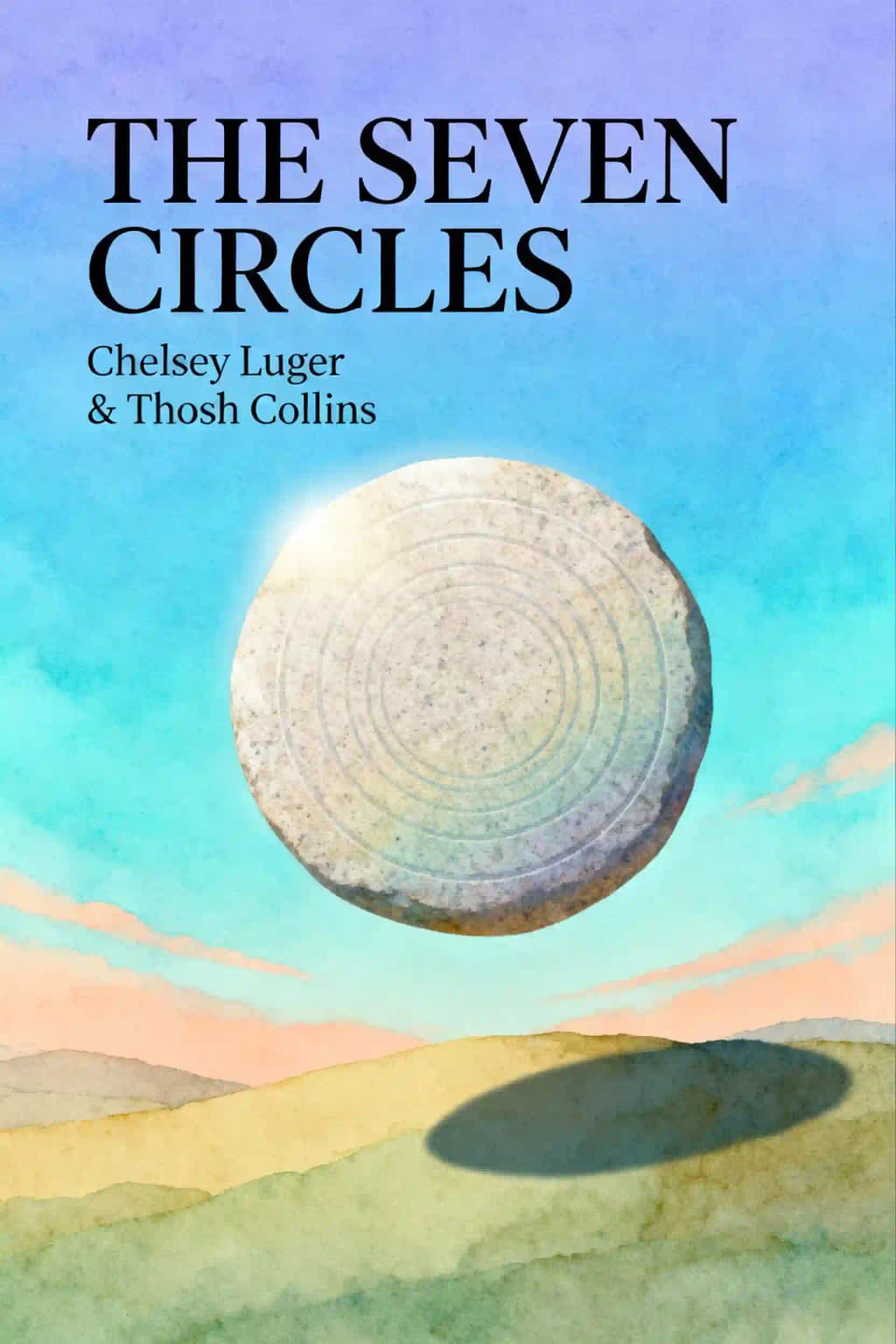
When Chelsey Luger and Thosh Collins met in 2013, they couldn't have predicted how their shared vision would transform into a movement. As Indigenous wellness advocates from different tribal nations (Anishinaabe and Lakota for Chelsey; O'odham, Osage, and Seneca-Cayuga for Thosh), they created Well For Culture-an initiative that has since become a beacon for those seeking balance in an increasingly complicated world. Their book, "The Seven Circles," has resonated with celebrities like Mark Ruffalo and indigenous youth alike, offering an alternative to the appearance-focused, consumerist wellness industry that dominates Western culture. What makes their approach revolutionary isn't its novelty but its ancient wisdom-knowledge that has sustained Indigenous communities through centuries of hardship and that might hold the key to our collective healing in modern times.
第2章
The Medicine Wheel: A Holistic Framework for Balance
Indigenous wellness begins with the medicine wheel-a sacred circle divided into four colored parts (red, black, yellow, and white) that symbolizes balance and interconnectedness. Originating from the Great Plains but recognized globally by Indigenous peoples, this powerful symbol represents the four aspects of existence: mental, physical, emotional, and spiritual wellbeing. Each direction carries specific teachings: East (red) represents spiritual awakening and new beginnings; South (yellow) symbolizes emotional growth and relationships; West (black) signifies physical health and introspection; North (white) embodies mental wisdom and elder knowledge.
Unlike Western approaches that often compartmentalize health, the medicine wheel teaches that these dimensions are inseparable and continuously influence each other. When we neglect one area, the others inevitably suffer. For example, emotional stress can manifest as physical ailments, while spiritual disconnection might appear as mental fatigue. This holistic perspective forms the foundation of the Seven Circles of Wellness methodology, which encompasses movement, land, community, ceremony, sacred space, sleep, and food-elements Indigenous ancestors mastered for balanced living. Each circle reinforces the others, creating a robust framework for wholeness.
The medicine wheel also teaches us about gratitude-a practice shared by Indigenous people worldwide. By acknowledging what we're thankful for, from the morning sun to evening meals, we train our minds to focus on abundance rather than scarcity. Traditional practices like the Haudenosaunee Thanksgiving Address, which gives thanks to all elements of creation, demonstrate how deeply this principle is woven into Indigenous life. This shift in perspective creates neurological changes that reduce stress and build resilience, affecting everything from our physical health to our relationships.
What makes Indigenous wellness particularly powerful is its emphasis on interconnectedness-not just between aspects of personal health, but between individuals, communities, ancestors, descendants, and the natural world. As Lakota people say, "Mitakuye oyasin"-we are all related. This worldview recognizes that our actions impact not just ourselves but ripple outward to affect everything around us, creating a profound sense of responsibility and purpose. When we heal ourselves, we contribute to healing our family, community, and the Earth itself.
The medicine wheel isn't a static concept but a dynamic tool that evolves with us through different life stages and seasons. In spring, we might focus more on physical renewal; in winter, on spiritual reflection. As we move through life's seasons, our relationship with each aspect of wellness naturally ebbs and flows. The goal isn't perfection but continual returning-to balance as circumstances change-a lifelong practice of awareness and adjustment. Traditional healers teach that this balance requires regular ceremony, connection to land, and community support to maintain.
The wheel also serves as a diagnostic tool, helping identify areas of imbalance in our lives. By regularly assessing each quadrant, we can recognize when certain aspects need more attention and take proactive steps to restore harmony. This might involve seeking guidance from elders, participating in traditional ceremonies, or simply spending more time in nature-all practices that have sustained Indigenous communities for generations.
第3章
Movement: Celebrating Life Through Our Bodies
What if exercise wasn't punishment but celebration? Indigenous perspectives on movement offer a refreshing alternative to Western fitness culture's focus on changing one's appearance. Instead of setting aside time for dreaded workouts, Indigenous traditions integrate movement throughout daily life as a holistic medicine benefiting mental, physical, spiritual, and emotional health.
"The only possession we have is our body," taught Lakota knowledge keeper Albert White Hat. This perspective transforms physical training from vanity to practicality-preparing ourselves to help others when needed. In Native communities, fitness was never merely aesthetic but essential for survival, artistic expression, social gatherings, and community care.
Indigenous movement philosophy centers on functional, total-body strength through seven basic patterns: push, pull, squat, lunge, hip hinge, rotate, and gait (walk/run). These patterns reflect how our bodies naturally move-even toddlers squat perfectly to pick up toys. Unlike popular fitness culture that compartmentalizes the body, this approach recognizes that the body functions as an interconnected system.
Perhaps most powerful is the Indigenous movement mentality exemplified by powwow dancers, who are taught to dance "for the people," with each step serving as a gift for community well-being. Dancers carry gratitude for their ability to move and compassion for those who cannot. This mentality can apply to all movement forms-whether basketball, boxing, or ballet-by infusing practice with prayer, intention, and gratitude.
Movement also serves as powerful medicine for learning and emotional regulation. While Western culture often separates mental and physical pursuits, Indigenous wisdom recognizes that the brain and body work as one. Movement ignites brain development, improving cognitive function, concentration, and memory. Different movement types elicit different emotional responses-boxing can release anger while stretching creates calm-making movement a valuable tool for navigating mental states.
The Earth Gym concept encourages using the land as equipment and natural spaces as your facility, making exercise a full sensory experience. This approach makes fitness accessible to all, regardless of economic status, as it requires no expensive gym memberships or equipment-just your body and a small space to move.
By viewing movement as medicine rather than punishment, we transform our relationship with our bodies from criticism to celebration, honoring our physical existence as a gift rather than a burden to be corrected.
第4章
Land: Reconnecting with Our Life Source
Indigenous people worldwide share a profound connection with the land, understanding it not as a resource to exploit but as a living entity deserving respect and reciprocity. The land is recognized as life-giver, guardian, and the root of all creation-when she suffers, so do we.
"At one time in everyone's ancestry, humans were intimately connected to the land," the authors remind us. This isn't just poetic sentiment but historical fact-every culture's unique aspects developed through interaction with diverse natural environments. As this connection has severed, both environmental and health crises have grown, with diseases like diabetes and heart disease paralleling environmental degradation.
Indigenous wisdom teaches that we cannot separate ourselves from the earth-we are part of it, and it is part of us. This perspective challenges the capitalist view dividing land into "natural" versus "developed" categories, which has historically harmed Indigenous peoples and perpetuated myths of an "empty" pre-contact land that justified genocide and resource exploitation.
Instead, we must remember that regardless of concrete and asphalt, we remain on Mother Earth, responsible for her care. Environmental health directly reflects human health-we can't rely solely on parks as green spaces but must clean urban areas, develop mindfully with eco-friendly designs, support renewable energy, and prevent water contamination wherever we are.
The Land Medicine Wheel illustrates how connection to earth heals us holistically. Spiritually, we cannot grow strong without direct connection to land and elements. Emotionally, time spent on the land brings peacefulness and happiness, as modern studies confirm what ancestors always knew. Mentally, the land serves as the original curator of culture, knowledge and traditions-our teacher and guide. Physically, humans evolved to move across varied terrains and weather conditions, requiring us to reclaim our relationship with the "Mother Earth Gym" by taking our movement outdoors.
Even in urban environments, we can connect with the land beneath our feet. While living in New York City, Chelsey walked everywhere instead of riding the subway, helping her understand where she lived while visualizing the Lenape people who walked there for centuries before. Looking at the same sky her distant family saw, she felt less homesick, empowered by this reconnection.
By recognizing our place within the natural world rather than separate from it, we begin to heal not just ourselves but our relationship with the earth that sustains us.
第5章
Community: The Foundation of Indigenous Wellness
In an era when nearly 50% of Americans report feeling isolated (compared to just 20% in the 1980s), Indigenous perspectives on community offer powerful medicine. Social disconnection leads to disrupted sleep, heightened blood pressure, stroke risk, declining brain function, depression, anxiety, inflammation, weakened immunity, and shortened lifespans-making community not just a social need but a health imperative.
Indigenous community events overflow with moments of "kinship magic"-humble demonstrations of respect, honor, and unconditional love between relatives. Extended family ties remain remarkably strong despite colonialism's hardships, with community values serving as roots that nourish cultural revitalization and health reclamation.
The Indigenous worldview extends community beyond immediate networks to include ancestors and descendants. This intergenerational perspective connects us simultaneously to past, present, and future-learning from history, contributing to the present, and setting the stage for what's to come. As the authors remind us, "without relationships, we are nothing; our wellness journeys require humility and recognition that community sustains us as much as we sustain it."
Traditional Indigenous parenting teaches that raising healthy children requires including them in every aspect of our healthy lifestyles, leading by example, and creating safe spaces where wellness is normal. Core tenets include recognizing that adults can learn from children, that every child belongs to every adult, that discipline should never involve violence or yelling, and that adult social lives need not exclude children.
Indigenous approaches to education were woven into kinship structures rather than separated into institutions. Rather than forcing all children through identical learning, each child was recognized for their individuality and celebrated for their unique gifts. Education was a collective responsibility: elders taught oral tradition and spiritual wisdom; parents taught household duties while providing emotional safety; uncles taught hunting and tool-making; aunties taught artistic skills and construction.
Just as children are viewed as sacred and beautiful, elders are equally cherished. In Native communities, commitment to seniors is evident everywhere-from elder parking at tribal buildings to teenagers sitting with grandparents at basketball games. Elders are served first at dinners, and when they speak, people listen. Though they may be frail in body, they are strong in mind and spirit.
By fostering a "sacred circle" of healthy relationships based on equality and mutual respect, we create a network of support that brings deeper happiness and meaning to our lives. Sometimes boundaries must be drawn to protect this circle, even with beloved family members suffering from trauma. Your circle will naturally ebb and flow throughout life, but with constant attention, it will eventually feel steady, providing a network of solid support that positively impacts your health.
第6章
Ceremony: Creating Sacred Rhythm in Daily Life
Ceremony has carried Indigenous people through seemingly insurmountable circumstances, creating balance and reciprocity in an out-of-balance world. While hardship is inevitable, wellness isn't about perfection but about maintaining tools that help us face challenges without being thrown off course.
Indigenous ceremonies have been integral to healing and wellbeing since time immemorial, serving both everyday and higher spiritual purposes. While there is no universal Native American religion-each nation and family practices differently-ceremonial knowledge has been carefully preserved through oral tradition and family lineages.
Dr. Michael Yellow Bird, a scholar from the Three Affiliated Tribes, has documented how Indigenous ceremonies contribute to health through multiple scientific lenses. When we dance, sing, pray in our languages, and practice other ceremonial activities consistently, remarkable physiological changes occur: we rebuild cellular mitochondria, trigger neurogenesis, protect against depression and anxiety, raise serotonin and dopamine levels, and activate the brain's prefrontal cortex associated with happiness and wellbeing.
Silence has been deeply valued by Indigenous peoples for millennia. Many nations practice isolation ceremonies where individuals spend days alone to receive teachings without human disturbance. Today's constant noise isn't merely annoying-studies show prolonged exposure leads to serious health conditions including heart disease, diabetes, and depression. Incorporating silence can be as simple as waiting without checking your phone, driving without audio, or exercising without music.
Incorporating ceremony into daily life involves transforming mundane routines into meaningful rituals. While routines provide structure, rituals add intention, creativity and vulnerability. A morning ritual might replace abrupt smartphone alarms and immediate email-checking with a gentler awakening, seven deep breaths acknowledging cardinal directions, gratitude practice, and creative expression before starting the day.
It's important to note that Indigenous spiritual practices were systematically suppressed through government policies like the 1883 Indian Religious Crimes Code, which wasn't repealed until 1978. This history explains why Indigenous communities remain protective of their ceremonies after centuries of suppression. Rather than appropriating these practices, non-Indigenous readers can demonstrate respect through restraint while still incorporating ceremonial mindsets into daily life.
Walking in a ceremonial way offers everyone a non-appropriative method to incorporate ceremony into daily life. This practice includes avoiding gossip and foul language, embracing silence and outdoor walks, participating in community gatherings, being mindful of words (especially around children and food), bringing intention to everyday tasks, practicing gratitude with children before sleep, and teaching children to acknowledge plants, the sun, and birds.
By bringing intention, reverence, and mindfulness to our daily activities, we transform ordinary moments into opportunities for connection, gratitude, and healing.
第7章
Sacred Space: Creating Environments That Heal
Our physical environments deeply impact how we think, feel, and move. Tending to our homes, workplaces, and digital spaces can bring balance and healing to our lives, making sacred space an essential element of wellness.
Indigenous peoples have always created beautiful, functional homes that reflected their environment and supported their well-being-from Lakota tipis to O'odham adobe dwellings to Inuit iglus. Today, we must revitalize the teaching that homes are extensions of our well-being and treat them as sacred spaces.
Sacred space affects our wellness through four interconnected dimensions. Spiritually, Indigenous cultures don't separate places of prayer from living spaces-all spaces are sacred, requiring intentional design and maintenance to foster peace. Emotionally, natural light and fresh air circulation-key elements of ancestral home design-improve our emotional health through connection with Mother Earth. Mentally, minimizing electronic noise and valuing silence creates space for deep thought and mindfulness. Physically, Indigenous decluttering means leaving open spaces for movement rather than filling homes with unnecessary possessions, encouraging an active lifestyle for the whole family.
While modern minimalism focuses on financial goals and environmental concerns, ancestral Indigenous minimalism centered on a different principle: generosity meant wealth. Those who owned least and gave most were most respected. Indigenous material culture blurred the line between art, utility, and generosity; even everyday items were exquisitely crafted while remaining durable.
Creating sacred space today means being welcoming and generous-not just having beautiful decorations but having gifts for visitors, inviting people to share meals, and ensuring your home supports movement, music, nourishing food, quiet reflection, and connection with nature. Our homes should feel like sanctuaries, not chaotic traps we want to escape.
Setting boundaries is essential for protecting your space and yourself. This might mean refusing to allow negative people, things, or substances to enter. While Indigenous cultures value generosity and keeping an open door, these ancestral values must be balanced with self-protection and the wellbeing of vulnerable family members.
Even our digital spaces require attention and boundaries. The digital world is a trickster-useful but potentially harmful to mental health, especially for young people. Internet addiction is growing, with people using technology to escape daily life. Prevention requires taking control of online behavior through screen time limits, selective social media engagement, and prioritizing real-world presence.
By creating intentional physical and digital environments that support our wellbeing, we establish foundations for health that extend far beyond aesthetic considerations.
第8章
Sleep: Honoring Natural Rhythms for Healing
Sleep connects us to earth's natural rhythms and our ancestors' wisdom. As Anishinaabe elder Ogimaagwaneebiik (Nancy Jones) observed, modern beds disconnect us from our grandmother earth who can no longer hear us or give us dreams when we sleep elevated.
Indigenous cultures deeply respected sleep and nighttime as spiritual periods for rest and recovery. People aligned with sun and moon cycles, staying indoors after dark except during ceremonies or gatherings near protective fires. Modern science confirms what ancestors knew intuitively: circadian rhythms and sleep-wake homeostasis regulate our bodies, while quality sleep enables crucial memory consolidation-particularly important for preserving Indigenous cultural knowledge, songs, and stories.
Despite these benefits, 40 percent of Americans regularly get fewer than the recommended seven hours of sleep, with blue light from electronic devices disrupting melatonin production. Sleep deprivation has reached epidemic proportions, with 50-70 million Americans suffering from chronic sleep disorders despite abundant sleep-assisting technologies. Corporate culture glorifies functioning on minimal rest, yet research shows poor sleep quality increases risks of hypertension, diabetes, obesity, depression, heart attack, and stroke.
Dreams hold special significance in Indigenous cultures, often providing guidance and spiritual messages. Thosh recounts a powerful medicine dream from his college days where an elder with an eagle feather fan smudged him with sage, creating an intense feeling of comfort and healing energy. He interpreted this as a spiritual message guiding him back to his cultural roots and away from unhealthy substances, emphasizing the Indigenous perspective that "We don't seek answers in everything. We seek questions."
Screen time has robbed us of restful moments throughout the day and disrupted our nighttime sleep. Despite using social media professionally, Chelsey describes developing an "escape plan" to eventually disconnect completely, believing this will bring her closer to her ancestors' way of living-fully present and open to teachings from both the real world and dream world.
By honoring sleep as sacred time for healing and spiritual connection rather than a productivity obstacle, we align ourselves with natural rhythms that support our holistic wellbeing.
第9章
Food: Nourishing Body, Spirit, and Community
Food is presented as a multidimensional medicine that heals across four domains. Spiritually, food is a living entity that nourishes beyond physical satiation. Emotionally, reclaiming food autonomy through harvesting, growing, and gathering breaks intergenerational cycles of poor health while bringing joy and fulfillment. Mentally, whole foods from the earth improve brain function and clarity, while processed foods contribute to brain fog. Physically, the food we consume directly impacts our bodily health, making food an integral component of daily personal healthcare.
Rather than promoting strict ancestral or paleo dieting that's often inaccessible to Indigenous communities, the authors advocate for "Indigenous foodways"-a values-based approach centering gratitude while considering accessibility, culture, and budget. This flexible philosophy encourages viewing food as a life-giving entity deserving of a healthy relationship. Unlike restrictive fad diets that have harmed marginalized communities, Indigenous foodways approaches food with reverence, patience, dignity, and respect.
The authors present seven core actions to reestablish a healthy relationship with food: giving thanks before meals, hunting and fishing responsibly, foraging wild plants, growing food even on a small scale, shopping mindfully, cooking with good intentions, and supporting breastfeeding freedom. While they don't expect everyone to implement all practices, they believe everyone can incorporate at least one immediately.
The Indigenous perspective on meat consumption is routinely excluded from environmental discussions. Contrary to misconceptions, Native communities have been wildlife conservators for millennia, maintaining sacred, reciprocal relationships with animals they hunt. Family and tribal hunting aren't causing wildlife decline-colonial land grabs, urban sprawl, corporate agriculture, and commercial food systems are. Even plant-based diets often rely on corporate monoculture farms occupying land that once supported diverse ecosystems and tribal nations.
For Indigenous communities, reclaiming traditional foodways isn't just about personal health but about family and community healing. The O'odham people's health crisis is relatively recent-they have an ancient history of thriving health that was disrupted when their river was dammed, traditional agriculture became economically unviable, and they were forced to adopt American diets and lifestyles. Working with his brother to revitalize their family field, Thosh has reconnected with traditional O'odham foods like corn, beans, squash, and cholla cactus buds-foods with superior nutritional profiles that are diabetes-friendly and contain nutrients lacking in standard American diets.
By viewing food as medicine and approaching eating with gratitude and intention, we transform not just our physical health but our relationship with the earth and each other.
第10章
Wellness as Remembering: Reclaiming Our Inherent Power
Our health is determined by the stories we tell ourselves. If we believe aging is miserable or movement isn't for us, that becomes our truth. Conversely, positive narratives create positive realities.
Indigenous wellness practices can inspire pride in those who already knew these traditions and enlightenment for those discovering them. Healing begins with individual action-your pursuit of health creates ripple effects. As Kiowa writer N. Scott Momaday said, some things "may have to be believed in order to be seen." We must believe in the possibility of land healing, human reconnection, and the return of holistic ways of knowing.
The Seven Circles of Wellness offer a template for balance, action, and remembering our power. Beyond personal wellness, we need systemic changes in healthcare, food systems, fitness, education and government to incorporate these interconnected principles.
For Indigenous communities especially, cultural practices like languages, ceremonies, songs, and foodways maintain a symbiotic relationship with health-when our health improves, we better preserve traditions, and when we engage in traditions, our health flourishes.
The authors remind us that wellness isn't about perfection but about preparedness for life's inevitable hardships. Everyone has been hurt by colonialism and everyone must heal. Indigenous resilience stems from ceremony, community, connection to land, and other practices that anchor us through trauma and healing.
As "grandchildren of survivors," Chelsey and Thosh honor ancestors who endured genocide that devastated Indigenous populations from an estimated 20-100 million in 1492 to just 200,000 by 1900. Despite colonial efforts to destroy tribal nations, outlaw spiritual practices, and force assimilation through boarding schools, Indigenous communities persevered. Today, they thrive not despite their culture but because of it.
The Seven Circles of Wellness methodology offers not just individual healing but a path toward collective balance-a return to reverence for all life and recognition of our interconnectedness. In a world increasingly characterized by disconnection, these ancient teachings may hold the key to our shared future.