第1章
The Time Beneath Your Skin: Unlocking Your Body's Hidden Schedule
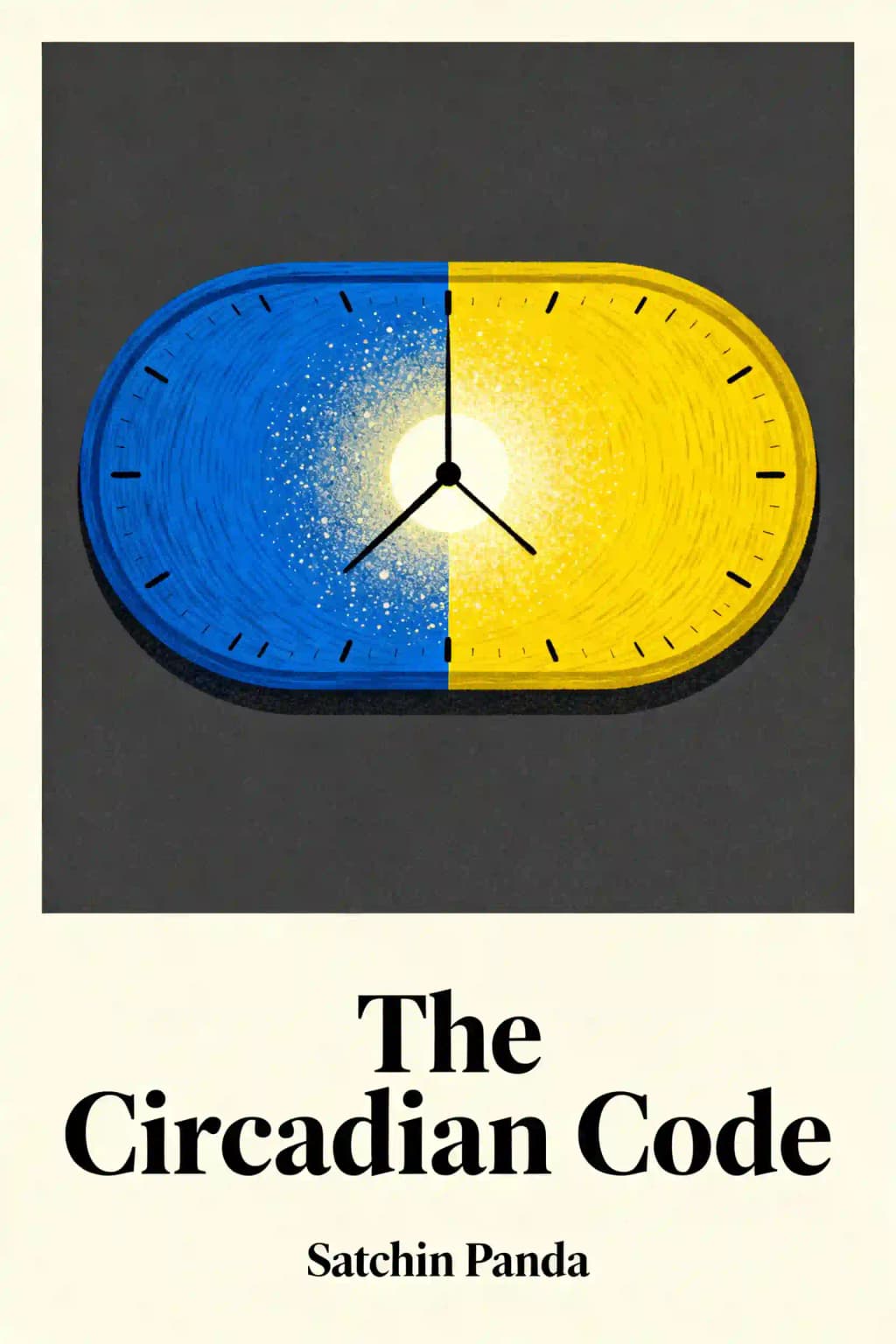
Have you ever wondered why you feel energized at certain times of day and sluggish at others? Why some people seem to thrive on early mornings while others come alive after dark? The answer lies not in personality types but in an ancient biological system that orchestrates nearly every function in your body. In "The Circadian Code," renowned scientist Dr. Satchin Panda reveals how our internal timekeeping system influences everything from weight loss to cancer prevention. This revolutionary book, which Arianna Huffington called "a game-changer for health," has inspired Silicon Valley executives and professional athletes alike to optimize their daily rhythms. Featured in Time magazine's special edition on the science of sleep, Panda's research has transformed how leading medical institutions approach disease prevention and treatment, making this not just another health book but a roadmap to fundamentally reimagining how we structure our lives.
第2章
The Hidden Orchestra Conducting Your Health
Imagine a world where every cell in your body contains a tiny clock, all synchronized to create a symphony of biological processes that keep you healthy. This isn't science fiction-it's the reality of your circadian system. For most of human history, we lived in harmony with these internal rhythms, waking with the sun, eating during daylight, and resting after dark. Our bodies evolved sophisticated timing mechanisms to anticipate environmental changes and optimize survival.
Today, we're all unwitting shift workers. Even if you don't officially work nights, staying up late scrolling through social media, experiencing "social jet lag" on weekends, or eating at irregular hours disrupts your internal timing. Data from Professor Till Roenneberg's survey of 50,000 people confirms this reality-87 percent of adults go to bed at least two hours later on weekends than weekdays. My lab's monitoring of college students found only one person who maintained consistent bedtimes throughout the week.
This disruption affects far more than just sleep. When your circadian rhythm falters, cognitive function diminishes, decision-making becomes impaired, and appetite regulation goes haywire, often leading to poor food choices and difficulty sleeping. Even a single night of shift work can impair cognition for up to a week. Family members of shift workers become "secondhand shift workers," with studies showing children of parents who work nights experience more cognitive, behavioral, and obesity issues.
The health consequences are profound. Chronic circadian disruption weakens the immune system and increases risk for gastrointestinal diseases, obesity, diabetes, cardiovascular diseases, and even cancer-which led the World Health Organization to classify shift work as a potential carcinogen in 2007. The good news? Understanding how your circadian clock works allows you to optimize your lifestyle and protect your health.
第3章
The Science of Your Body's Time-Keeping System
Until relatively recently, scientists believed our day-night cycles were guided solely by external cues like sunlight. While plants' circadian rhythms were documented as far back as 1700-with leaves moving up and down daily even in darkness-the concept of internal biological clocks in humans remained controversial until the 1970s.
The breakthrough came when a volunteer isolated in an Andean cave with only a telephone connection demonstrated a consistent sleep-wake cycle of exactly 24 hours and 15 minutes-slightly longer than the solar day. This imprecision actually makes evolutionary sense, as sunrise-to-sunrise timing varies throughout the year due to Earth's axial tilt. Our internal clocks adjust to changing daylight patterns, allowing us to wake earlier as summer approaches or adapt to new time zones when traveling.
What's remarkable is that almost every aspect of human physiology follows these circadian rhythms. After good sleep, your brain functions optimally for learning in the morning, muscle tone peaks later in the day, and as evening approaches, body temperature drops while melatonin increases to prepare for sleep. During sleep, your brain remains active, consolidating memories and producing important hormones including melatonin and human growth hormone. Sleep also allows your brain to detoxify, removing waste products accumulated during the day.
The master conductor of this biological symphony is a tiny cluster of about 20,000 cells in your hypothalamus called the suprachiasmatic nucleus (SCN). It connects to crucial glands throughout your body and receives light information directly from specialized melanopsin cells in your retina, making it particularly sensitive to blue light. When reset by light, the SCN synchronizes all hypothalamic clocks and indirectly guides peripheral clocks like those in your liver and gut.
But here's what's truly revolutionary: every organ in your body maintains its own independent circadian clock. Your gut clock times digestive processes, your pancreas clock regulates insulin production, and so on. In every organ, thousands of genes turn on and off at different times in a synchronized fashion, creating a hidden time code in your genome that optimizes cellular function.
第4章
The Three Pillars of Circadian Health
Like a traffic intersection controlled by lights, three major rhythms must be properly coordinated to prevent collision and dysfunction of bodily processes: sleep, eating patterns, and physical activity.
The notion that people are genetically predetermined to be either "night owls" or "morning larks" is largely a myth. Sleep patterns naturally change with age-infants and young children are early risers, teenagers tend toward later bedtimes, and adults in their thirties and forties naturally revert to earlier rising. While most people need 7-9 hours of sleep, true genetic sleep disorders are extremely rare.
Food timing is a powerful circadian reset signal that can override even the master SCN clock. When mice are fed during daylight (their normal sleeping hours), their liver genes completely track food timing rather than light exposure. This discovery transformed our understanding of circadian rhythms: just as morning light resets your brain clock, the first bite of the day resets your organ clocks.
Your body establishes precise metabolic appointments-eating breakfast at a consistent time synchronizes your stomach, liver, muscles and pancreas to process food efficiently. When you disrupt these patterns (like eating at unusual times during travel), your organs enter "emergency mode," causing digestive inefficiency and metabolic confusion. This disruption particularly affects fat metabolism, as cells cannot simultaneously create and break down fat. Late meals delay the fat-burning process, potentially leading to fat accumulation and elevated blood glucose.
Physical activity forms the third pillar of circadian health. Our bodies evolved for movement throughout waking hours, with muscles comprising nearly half our body weight. Even autonomic muscles like those in the heart and digestive tract follow circadian patterns, functioning more efficiently during daytime. Gut motility increases during daylight hours and slows at night, explaining why late meals often cause indigestion. Heart rate and breathing similarly follow circadian patterns-higher during the day to distribute nutrients and oxygen when muscles are active, slower at night to help the body cool for sleep.
Studies consistently show that physical activity strengthens circadian rhythms. In teenagers, vigorous exercise improves sleep quality, mood, concentration, and reduces anxiety. For older adults, even moderate activity enhances sleep onset, quality, and duration while reducing daytime sleepiness and dependence on sleep medications.
第5章
Is Your Internal Clock in Sync?
While we're typically born with strong internal clocks, our modern lifestyles frequently disrupt these rhythms. Even small disruptions can have significant consequences-one night of shift work can impair cognitive abilities for a week, and weekend "social jet lag" affects the body like flying across time zones. These disruptions make us vulnerable to illness, with studies showing shift workers suffer more frequent infections.
Our bodies cannot easily adjust to these disruptions. Adjusting to even small changes takes longer than expected-our clock needs about one day to adjust to each hour of time-zone shifting. Disrupting any core rhythm-sleep, eating timing, or activity-affects multiple organ systems, potentially triggering or worsening existing health vulnerabilities.
To assess your circadian health, track six key daily rhythms for a week: wake-up time (ideally without an alarm), first food/drink consumption (which resets peripheral clocks), last meal/drink time, bedtime, screen shutoff time, and exercise timing. Look for variations exceeding 2 hours between workdays and off days, sleep duration (adults need 7+ hours), eating window duration (ideally 8-11 hours, not exceeding 12), and time between last meal and bedtime (ideally 3+ hours).
Most people have inconsistent patterns between weekdays and weekends, unlike indigenous peoples who maintain consistent daily rhythms. Your ideal circadian pattern often emerges naturally during vacations. Surprisingly, simple timing adjustments can have more significant health impacts than specific diet types or intense exercise regimens.
第6章
The Blueprint for Perfect Sleep
Sleep is not a passive experience but the beginning of your biological day. During sleep, your body repairs cellular damage while your brain consolidates memories and prepares for the next day's activities. Great sleep consists of cycles alternating between quiet sleep (stages N1-N3) and active REM sleep, with each cycle lasting 90-120 minutes.
Adults need at least 7 consecutive hours of sleep with a critical 4-hour window (typically 10 p.m. to 2 a.m.) that pays back accumulated sleep debt. The remaining hours provide essential repair and rejuvenation. Research tracking a million individuals reveals a "U curve of sleep and longevity"-both too little and too much sleep (10-11 hours) correlate with shorter lifespans.
Nearly one-third of American adults suffer from fragmented or insufficient sleep, causing both immediate and long-term consequences. After just one night of poor sleep, cognitive function deteriorates to levels worse than after consuming two alcoholic drinks. Chronic sleep deprivation increases risk for anxiety, depression, and memory impairment. Sleep deprivation also disrupts hunger hormones-ghrelin and leptin-making us prone to overeating. Studies show sleep-deprived individuals consistently consume more calories than needed.
Eating late disrupts sleep in multiple ways. To fall asleep, core body temperature must drop by about 1F, but digestion raises body temperature as blood rushes to the gut. Research shows mice on time-restricted eating (TRE) schedules of 8-9 hours sleep more deeply. Human participants using the myCircadianClock app who practice 10-hour TRE report substantial sleep improvements-many adopt TRE primarily for better sleep rather than weight loss.
The easiest sleep fix is maintaining a dark sleeping environment. Blue light sensors detect bright light, suppressing sleep and promoting wakefulness, while orange and red light are less disruptive. Even dim light from electronic indicators can compromise sleep and circadian rhythms. When waking at night, minimize light exposure-keep water bedside and use cell phone flashlights when necessary rather than turning on bright lights.
For optimal sleep, reduce bedroom temperature to 70F or lower, allowing blood to flow toward skin and away from your core. Taking a warm shower before bed creates similar cooling effects. For noise management, use white noise machines or fans to mask disturbing sounds. Despite common misconceptions, aging doesn't necessarily mean less sleep-with proper sleep hygiene techniques, even older adults can achieve 7-8 hours of quality sleep.
第7章
Time-Restricted Eating: The Clock-Based Approach to Weight Loss
Modern nutrition science is founded on two key experiments: calorie restriction for weight loss and healthy diet composition. Yet groundbreaking research with mice revealed timing matters as much as what or how much we eat. Mice eating high-fat diets within an 8-hour window remained healthy while those eating the same calories over 24 hours developed metabolic diseases. This time-restricted eating approach provided protection against obesity and metabolic disorders without reducing calories or changing food quality.
Just as your brain clock responds to light, your digestive organs' clocks respond to food timing. Research found 50% of people eat across 15+ hours daily, though they believe they only eat within 12 hours. When overweight participants restricted their eating to a 10-hour window without changing what they ate, they lost 4% of their body weight in just 4 months, slept better, and had more energy.
The optimal eating window is 8-11 hours, with benefits doubling as you narrow from 12 to 8 hours. Most fat burning happens 6-8 hours after your last meal and increases exponentially after 12 hours of fasting. Steve Swift implemented this research on himself, following a rigid 8-hour eating window starting at 7am daily. He lost 72 pounds in 15 months-nearly one-third of his body weight-going from obese to normal BMI. Despite eating three desserts with lunch and maintaining flexibility in his diet choices, Steve experienced no negative side effects.
Begin your eating window with breakfast or first coffee, ideally early in the day when insulin response is optimal. If breakfast is at 8am, dinner must end by 8pm. Finish eating 2-3 hours before bedtime, before melatonin rises. After breakfast, a light lunch provides energy without causing lethargy. Dinner signals the end of eating, allowing your body to transition to repair mode. Allow 3-4 hours between your last bite and bedtime for better digestion and sleep. Within 2-4 weeks, your system adapts so well that eating past your target time feels uncomfortable-what we call a "food hangover."
Daytime snacking is permitted with healthy options, and occasional treats like birthday cake are acceptable. A small dessert can complete dinner, though your taste preferences will likely shift toward less sweet and salty foods over time. Once dinner ends and the kitchen is cleared, eating stops for the night. Initial hunger pangs before bed are normal when starting TRE-drink water to push through these sensations until your body adjusts to the new rhythm.
第8章
Optimizing Your Brain for Peak Performance
Learning requires seven criteria influenced by our circadian code: attention, working memory, reward assessment, hippocampal memory, alertness, mood, and autonomic function. Each depends on optimal light exposure, sleep, eating schedule, or a combination of these factors.
Peak brain function occurs between 10 a.m. and 3 p.m., with maximum performance from 10 a.m. to noon. Productivity declines after noon, making long lunches counterproductive. By afternoon, sleep pressure increases, especially after insufficient sleep or heavy lunches. Rather than reaching for sugary snacks during the afternoon slump, hydration with water proves more effective.
Throughout human history, our ancestors spent most daylight hours outdoors, receiving thousands of lux of natural light. Modern humans spend 87% of time indoors, averaging only 212 hours outside daily, with indoor environments providing just 50-100 lux-drastically less than even cloudy outdoor conditions (1,000 lux). This light deprivation disrupts our circadian rhythms and compromises productivity.
Morning bright light exposure signals the brain to stop melatonin production and increase alertness-promoting cortisol. For optimal productivity, aim for at least one hour of daylight exposure (minimum 1,000 lux) daily-whether through breakfast by windows, outdoor walks, or positioning workspaces near large windows. In the evening, reduce blue light exposure, especially from digital screens which can suppress melatonin and disturb sleep.
Consistent meal timing, particularly breakfast and dinner, powerfully maintains circadian rhythms. For optimal brain function, food quality matters more than quantity-the brain actually works better when slightly hungry. Your cognitive performance depends largely on the previous night's eating and sleeping patterns. Both modest fasting and exercise increase brain-derived neurotropic factor (BDNF), improving neural connections and cognitive function.
Late-night eating disrupts the circadian clock and impairs next-day attention. To avoid post-lunch drowsiness, consider having your larger meal in the morning when alertness is naturally high, and opt for a lighter lunch. Finishing dinner by 6-7 p.m. allows proper digestion and supports natural sleep onset without requiring sleep aids.
Scientific evidence strongly supports later high school start times to better align with adolescents' circadian rhythms. Teenagers are particularly sensitive to evening light, which delays their natural bedtimes, yet schools often start before sunrise-creating a fundamental conflict between biological needs and educational demands. Sleep-deprived teens make poorer food choices and evening extracurricular activities under bright lights further suppress melatonin production, perpetuating the cycle of sleep deprivation.
第9章
Syncing Exercise with Your Body's Natural Rhythms
Physical activity is essential for good health, improving muscle mass, bone health, metabolism, heart function, and brain performance while enhancing sleep and mood. Exercise literally relaxes the brain, reducing depression and anxiety. According to the American Heart Association, healthy adults need at least 150 minutes of moderate exercise or 75 minutes of vigorous exercise weekly-about 30 minutes daily, five times weekly.
Since most people lack sufficient exercise time, dividing workouts into 10-15 minute segments throughout the day can be as effective as longer sessions. This aligns with our ancestral patterns of activity at dawn and dusk. Morning and late afternoon exercise particularly boost circadian rhythm. Exercising before breakfast after an overnight fast maximizes fat-burning potential, as your body taps into stored fat for energy.
Early morning aerobic activity in daylight synchronizes the brain clock, helping overcome jet lag and sleep deprivation while improving mood and brain function. Morning exercise stimulates new brain cell production, enhances neuronal connections for better learning and memory, and helps repair damaged brain cells. Even in cold weather, morning exercise offers additional benefits by activating brown fat and converting white fat to beige fat, increasing your fat-burning potential.
Late afternoon (3:00 p.m. to dinnertime) is optimal for strength training and vigorous exercise as muscle tone rises during this period. This timing aligns with peak muscle nutrient absorption, motor coordination, blood flow, and oxygenation. Athletic performance can vary by up to 25% within a day, with late afternoon typically being the performance peak. Evening exercise also reduces appetite, potentially helping you eat less at dinner, and improves glucose uptake when insulin production naturally declines.
Time-restricted eating (TRE) offers three substantial exercise benefits: increased muscle mass, improved endurance, and better motor coordination. Mice on 8-10 hour feeding windows showed 20% better motor coordination in balance tests. This improvement likely stems from increased ketone production during longer fasting periods, which enhances endurance. Athletes using the myCircadianClock app report that 8-10 hours is the "sweet spot" for improving endurance without sacrificing other TRE benefits.
第10章
Navigating a World of Constant Light and Screens
Modern life has pushed us toward circadian collapse primarily through the sudden ubiquity of digital screens. This "digital jet lag" creates a disconnect where your physical body exists in one time zone while your mind operates in another. Light exposure at night is linked to numerous health problems including heart disease, metabolic disorders, reproductive issues, and psychiatric conditions-the same chronic illnesses with known circadian components.
The discovery of melanopsin (a light-sensing protein) in 1998 sparked a blue light revolution in technology. This specialized protein is what entrains our daily sleep-wake cycle to light and is most sensitive to blue light. This explains why blue light at night tricks our brain into thinking it's daytime regardless of the actual hour. Our modern lifestyle-spending time indoors under artificial lighting and looking at bright screens at night-activates melanopsin at inappropriate times, disrupting our circadian rhythms and reducing melatonin production.
To address this, apps like f.lux automatically adjust screen color from blue-rich to orange hues based on users' sleep schedules. Major manufacturers now include similar features (like Apple's Night Shift) as standard on smartphones, laptops and tablets. For home lighting, tunable LED lights that change color and brightness throughout the day can simulate natural daylight cycles with bright blue light in morning and amber tones in evening. Affordable alternatives include installing dimmer switches, using different bulbs in morning versus evening spaces, or switching to amber-colored bulbs with reduced blue light that support evening melatonin production.
Blue-light-filtering glasses offer another solution. For maximum effectiveness, wear orange/pink-hued glasses (which filter most blue light) for 3-4 hours before bedtime, and maintain separate glasses for daytime use when blue light exposure is beneficial. A cautionary tale emerged when a patient named Robert experienced severe jet lag and depression-like symptoms after wearing blue-light-filtering glasses continuously during daytime. The lack of bright light mimicked winter conditions, causing his mood to deteriorate. When he switched back to regular glasses during day, his symptoms resolved within weeks.
Our brains quickly adapt to different light conditions, making it difficult to accurately assess brightness levels without tools. Evening trips to brightly lit stores (500+ lux) can disrupt sleep by exposing us to light hundreds of times brighter than what our brains expect at night. Smartphone apps like myLuxRecorder can help measure light levels in different environments, allowing us to manage our exposure more effectively.
第11章
The Perfect Circadian Day
The perfect circadian day begins the night before with an early dinner around 7:00 p.m. and sleep by 10:30. Morning brings a refreshed feeling, hearty breakfast around 8:00 a.m., followed by outdoor exposure, productive work hours, lunch at noon, exercise after work, and family dinner. While this ideal isn't always achievable due to travel, early meetings, or late work, the key is maintaining as many circadian elements as possible each day.
If exercise isn't possible, stick to time-restricted eating; if dinner runs late, ensure at least 12-13 hours before the next meal; if sleep is delayed, exercise the next day. The observed benefits of time-restricted eating are substantial, and tracking progress can demonstrate improvement. For those with chronic illness, enhancing the circadian code can significantly improve health outcomes, sometimes even reducing medication needs.
Nobel laureate Roger Guillemin, still active and alert at 94, credits his longevity partly to his consistent daily routines. For 50 years, he maintained remarkably consistent habits: waking naturally around 6:30-7:00am, having a light breakfast, working from 8:00am, eating a small lunch without snacks, returning home after 5:00pm for dinner with wine at 7:00pm, and sleeping around 10:00pm. Though not an athlete, he stayed active by swimming or playing tennis almost daily.
This isn't about perfection but consistency. Your body thrives on predictable patterns that allow it to anticipate needs and optimize functions. By aligning your daily activities with your circadian code-when you eat, sleep, work, and exercise-you tap into an ancient biological wisdom that can transform your health, energy, and longevity. The revolution in health isn't about the next miracle supplement or extreme diet-it's about rediscovering the natural rhythms that have sustained human life for millennia and bringing them back into our modern world.