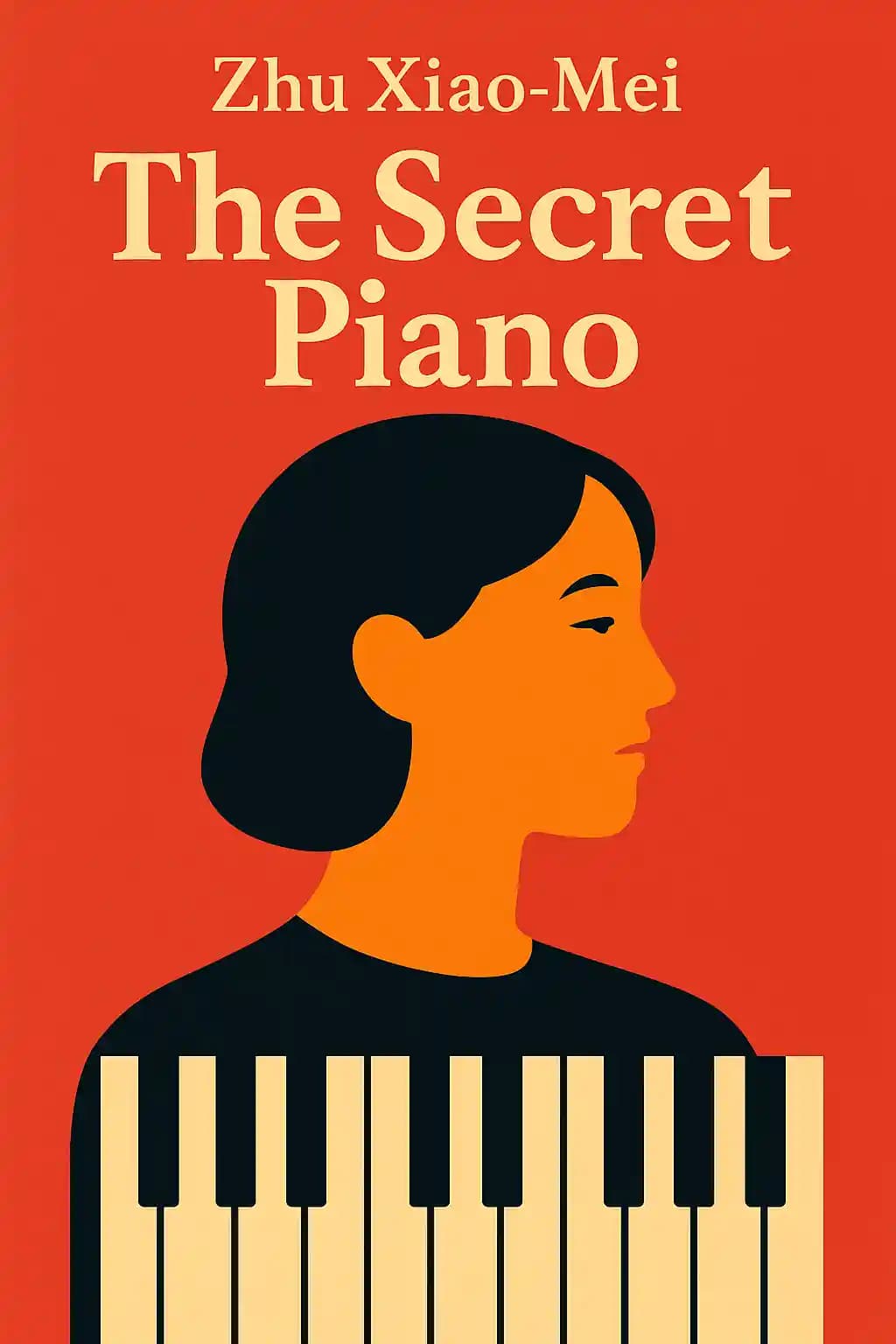
河のほとりにピアノを置いて
毛沢東の労働改造所からバッハのゴールドベルク変奏曲まで
4.01(2949 Reviews)
『河のほとりにピアノを置いて』の概要
毛沢東の文化大革命の間、ピアニストの朱暁玫(チュウ・シャオメイ)は、密かにバッハを奏でることで強制労働収容所を生き延びました。彼女が習得した「ゴルトベルク変奏曲」の30の変奏と同じ構成を持つ彼女の回想録は、あらゆるものが禁じられていた時代に、いかに音楽が彼女の救いとなったかを明らかにしています。
『河のほとりにピアノを置いて』の主要テーマ
- cultural revolution survival
- musical resilience
- maoist political persecution
- western classical music
- chinese diaspora memoir
『河のほとりにピアノを置いて』の名言
Never again will the Chinese people be enslaved.
Invincibility is in ourselves.
And what if I jumped?
You cannot play the piano well if, deep inside, you are hostile to the regime.
This piano was acquired by exploiting the people, through their sweat and blood.
『河のほとりにピアノを置いて』の登場人物
- Zhu Xiao-MeiThe protagonist and pianist who wrote the memoir
- RuyingXiao-Mei's mother and first music teacher
- QixienXiao-Mei's father, a detached and demanding man
- Professor PanXiao-Mei's piano teacher at the Conservatory
- AizhenA student who secretly helped Xiao-Mei
河のほとりにピアノを置いての要約をダウンロード
河のほとりにピアノを置いての要約をPDFまたはEPUBで無料でダウンロード。印刷やオフラインでいつでもお読みいただけます。