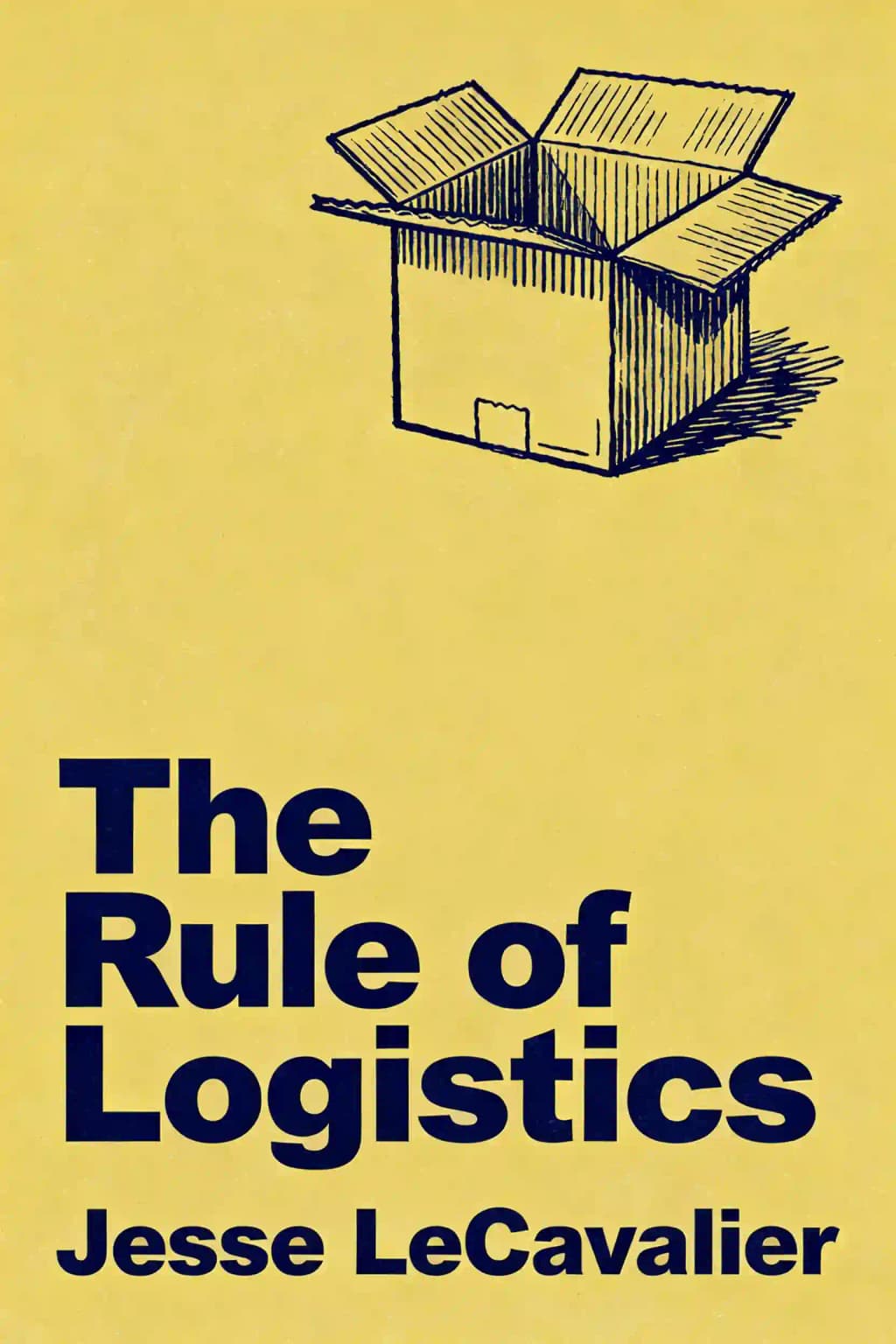
Walmart isn't just retail - it's architectural revolution. Jesse LeCavalier's award-winning exploration reveals how logistics shapes our cities and lives. Supported by the Graham Foundation, this 2016 game-changer unveils the hidden network powering America's biggest retailer. Ever wonder why Walmart buildings look that way?
著者の声を通じて本を感じる
知識を魅力的で例が豊富な洞察に変換
キーアイデアを瞬時にキャプチャして素早く学習
楽しく魅力的な方法で本を楽しむ
When you push your shopping cart through a Walmart, you're navigating much more than aisles of merchandise. You're moving through a carefully orchestrated system that has fundamentally reshaped American commerce, cities, and even human behavior. Walmart's approach to retail isn't just about selling products - it's about mastering logistics, that once-military science of moving things efficiently through space and time. This logistical revolution has transformed how we shop, how our cities develop, and how territory itself is understood. Behind the familiar blue vests and rollback prices lies a sophisticated system that treats buildings not as permanent structures but as flexible "formats," workers not as skilled laborers but as human components, and geography not as fixed landscape but as malleable territory to be claimed and optimized. Logistics began as a military concern - how to move troops and supplies efficiently - but evolved into the defining force of modern retail. The 1970s witnessed what scholars call the "logistics revolution," when companies began treating the movement of goods as an integrated system rather than separate functions. This shift coincided with the computing revolution and transport deregulation, making the battle for retail supremacy increasingly calculation-dependent. At its heart, logistics attempts to "get there first with the most" at the "critical point" - echoing Conrad Hilton's real estate mantra about location's supreme importance. While military logistics focuses on positioning troops and supplies for tactical advantage, business logistics emphasizes flows and vectors - the rate and direction of movement through a system. What makes logistics particularly powerful is how it mediates between abstraction and concreteness, transforming physical spaces into nodes within vast networks.
『The Rule of Logistics』の核心的なアイデアを分かりやすいポイントに分解し、革新的なチームがどのように創造、協力、成長するかを理解します。
『The Rule of Logistics』を素早い記憶のヒントに凝縮し、率直さ、チームワーク、創造的な回復力の主要原則を強調します。

鮮やかなストーリーテリングを通じて『The Rule of Logistics』を体験し、イノベーションのレッスンを記憶に残り、応用できる瞬間に変えます。
何でも質問し、声を選び、本当にあなたに響く洞察を一緒に作り出しましょう。

"Instead of endless scrolling, I just hit play on BeFreed. It saves me so much time."
"I never knew where to start with nonfiction—BeFreed’s book lists turned into podcasts gave me a clear path."
"Perfect balance between learning and entertainment. Finished ‘Thinking, Fast and Slow’ on my commute this week."
"Crazy how much I learned while walking the dog. BeFreed = small habits → big gains."
"Reading used to feel like a chore. Now it’s just part of my lifestyle."
"Feels effortless compared to reading. I’ve finished 6 books this month already."
"BeFreed turned my guilty doomscrolling into something that feels productive and inspiring."
"BeFreed turned my commute into learning time. 20-min podcasts are perfect for finishing books I never had time for."
"BeFreed replaced my podcast queue. Imagine Spotify for books — that’s it. 🙌"
"It is great for me to learn something from the book without reading it."
"The themed book list podcasts help me connect ideas across authors—like a guided audio journey."
"Makes me feel smarter every time before going to work"

The Rule of Logisticsの要約をPDFまたはEPUBで無料でダウンロード。印刷やオフラインでいつでもお読みいただけます。