第1章
A Royal Dilemma: Finding Love in a World of Duty
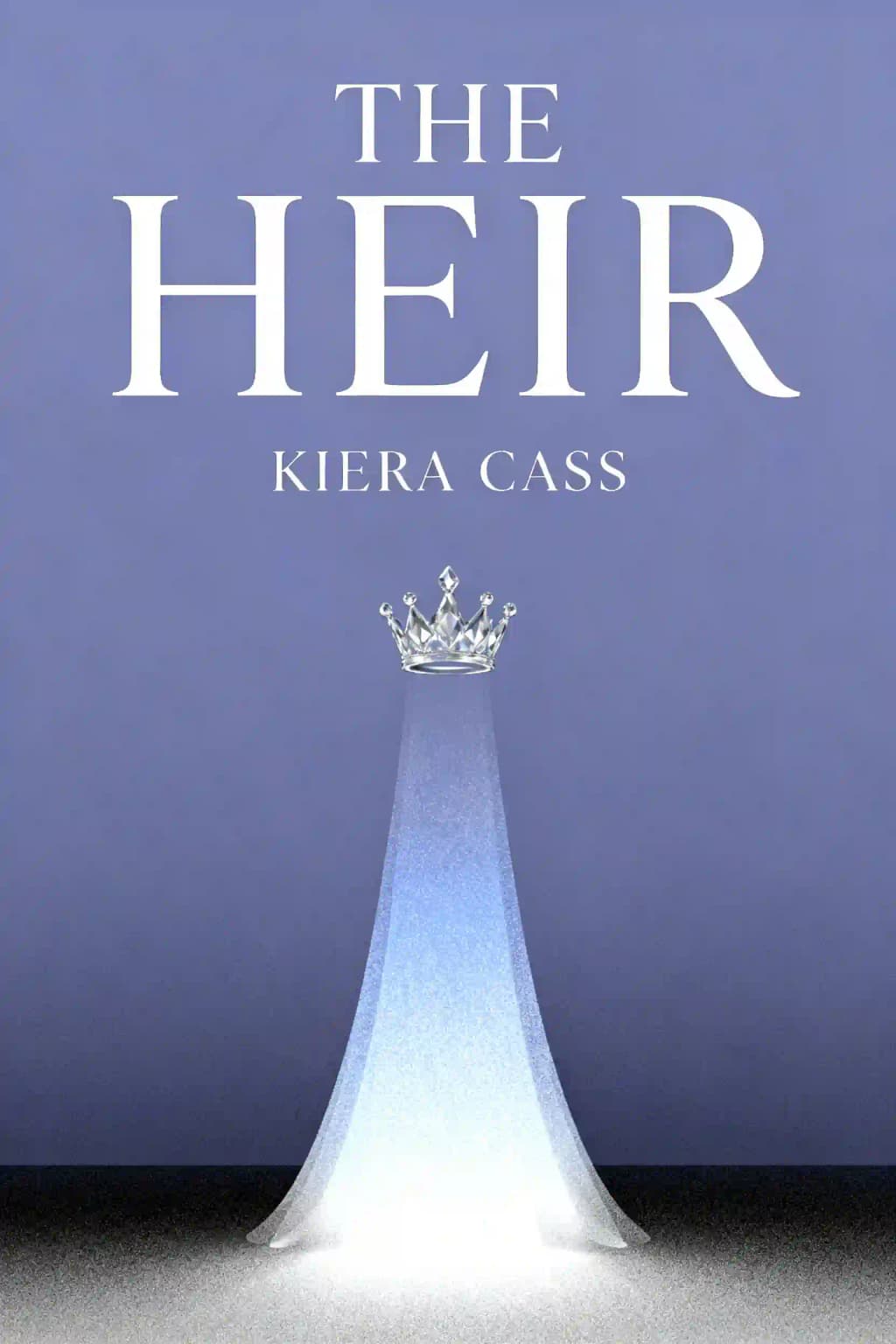
Princess Eadlyn Schreave stands at a crossroads that no woman in Illea has faced before. As the first female heir to the throne, she carries the weight of an entire nation's expectations on her shoulders. The Heir by Kiera Cass has captivated readers worldwide since its publication, becoming an instant New York Times bestseller and fan favorite. What makes this continuation of the beloved Selection series so compelling is its exploration of a young woman's struggle between personal freedom and royal responsibility. Even celebrities like Emma Watson have praised the series for its examination of identity and societal expectations. In a world where arranged marriages seem antiquated, The Heir forces us to question: what sacrifices would we make for duty, and can love truly flourish under such constraints?
第2章
The Reluctant Princess: A Nation's First Female Heir
Princess Eadlyn Schreave was born seven minutes before her twin brother Ahren, making her the heir to Illea's throne thanks to her parents' progressive changes to succession laws. At twenty years old, she's fiercely independent, determined, and acutely aware of her historic position. "You are Eadlyn Schreave. You are the next person in line to run this country, and you will be the first girl to do it on your own," she reminds herself daily, like armor against a world that constantly questions her capability.
Despite the dissolution of the caste system twenty years earlier under her father King Maxon's rule, Illea faces growing unrest. Buildings burn as former lower-caste citizens protest continued discrimination in jobs and social mobility. The younger generation, having never experienced the rigid caste structure, lacks appreciation for how far society has progressed. These riots create a crisis for the monarchy, with King Maxon visibly struggling under the pressure.
Eadlyn's relationship with her family reveals the complex dynamics that shape her character. Her twin Ahren serves as her confidant and emotional counterbalance. Her younger brothers - scholarly Kaden and mischievous Osten - complete the royal family portrait. Queen America, beloved by the nation, tries to guide her headstrong daughter with wisdom gained from her own unusual path to the throne. Yet Eadlyn maintains emotional walls, convinced vulnerability would undermine her future authority. "I'm smart and beautiful and strong. I don't need to be rescued," she insists, though this mantra increasingly feels like self-deception rather than strength.
The palace itself becomes a character in Eadlyn's story - both sanctuary and prison. Within its walls live not just the royal family but also their longtime friends: Marlee and Carter Woodwork with their son Kile, whom Eadlyn finds irritatingly familiar. This insular world has shaped a princess who understands diplomatic protocol perfectly but struggles with genuine human connection - a dangerous weakness for any ruler, especially one facing a nation in turmoil.
第3章
The Selection: A Calculated Distraction
When King Maxon and Queen America propose that Eadlyn hold a Selection - the same marriage competition that brought them together - she reacts with horror and fury. "I have no desire to get married," she declares, seeing romance as a threat to her independence. The Selection tradition, where thirty-five young men compete for the royal heir's hand, feels archaic and manipulative to her.
The true purpose of the Selection soon becomes clear: it's a calculated distraction, a "smoke-and-mirror act" to divert public attention from the growing unrest while her father develops solutions to the post-caste tensions. This realization only deepens Eadlyn's resentment, but she reluctantly agrees under specific conditions: the contestants must be free to leave at will, and if she can't find someone suitable within three months, the Selection ends without a marriage.
Eadlyn approaches the Selection with cynical determination, planning to make the palace unwelcoming and drive the suitors away. During the nationally televised announcement, she performs the role of an eager princess while inwardly feeling like she's "thrown herself off a ledge with an uncertain safety net below." The palace transforms overnight, with staff she's never seen before preparing for the thirty-five contestants, and Eadlyn finds herself overwhelmed by endless decisions about everything from bedding to dinner menus.
The arrival of the Selected candidates brings unexpected complications. Among them is Kile Woodwork, who has grown up in the palace alongside Eadlyn. His selection seems like cosmic irony - they've always irritated each other, yet now he's officially competing for her hand. The other contestants range from the charming to the calculating, including Henri from Swendway who barely speaks English and requires a translator named Erik. Each brings his own motivations and background, creating a complex social dynamic that Eadlyn struggles to navigate.
第4章
Power and Perception: The Public Eye Turns Critical
Eadlyn's first public appearance with the Selected becomes a stark lesson in the fragility of royal authority when protesters ambush their parade float with rotten vegetables and eggs. The crowd's angry chants about how "the castes still live" reveal a deeper societal wound - despite official abolition, the old social hierarchies continue to shape daily life. This humiliating incident exposes not just growing anti-monarchist sentiment, but specifically targets Eadlyn herself. The public perceives her as cold, distant, and privileged - impressions she unwittingly reinforces through her rigid posture, careful speech, and tendency to maintain physical distance from common citizens.
Determined to reassert control over her narrative, Eadlyn orchestrates a dramatic elimination ceremony that becomes instantly infamous. She dismisses eleven candidates in rapid succession, delivering cutting remarks about their unsuitability with surgical precision. "This isn't a game, gentlemen. This is my life," she declares, her voice steady but her hands trembling beneath the podium. Her attempt at assertiveness backfires spectacularly in the press, with headlines dubbing her the "Royal Black Widow" and opinion pieces dissecting her "smug expression" frame by frame. Even her usually supportive mother, America, pulls her aside to deliver a harsh truth: "No one will admire you for that. Power without compassion breeds contempt."
As the Selection progresses, Eadlyn finds herself trapped in an exhausting performance. Every smile must be calibrated, every gesture considered for its potential interpretation. Palace photographers lurk behind pillars, while television crews capture supposedly candid moments that are anything but. During private dates, she catches her Selected suitors glancing at cameras, their own authenticity compromised by constant observation. Her brother Ahren, watching her struggle, delivers a devastating insight: "You're one of the most isolated people in the country, but that doesn't mean your walls have to be up all the time. The public can smell artifice - they're waiting for a real person, not a perfect princess."
The media's influence becomes both weapon and wound as Eadlyn learns to navigate its currents. When Baden, an eliminated candidate, launches a scathing interview calling her "pushy and selfish," she orchestrates a masterful deflection by leaking details about her brother's blossoming romance with the French princess Camille. The strategy works - newspaper coverage shifts overnight - but the victory feels hollow. In quiet moments between official engagements, Eadlyn begins questioning whether her growing media savvy comes at the cost of genuine connection. Her father's words echo: "A ruler who manipulates public perception might win the day, but one who earns public trust will win the future."
The mounting pressure reveals cracks in Eadlyn's carefully constructed facade. During a particularly tense interview, her mask slips when questioned about inequality in Illea, showing glimpses of both vulnerability and passion that resonate more deeply with viewers than any of her polished performances. This unexpected moment of authenticity suggests that perhaps her greatest challenge isn't managing public perception, but reconciling her public and private selves.
第5章
Unexpected Connections: The Heart Has Its Reasons
Despite her initial resistance, Eadlyn finds herself drawn to several of the Selected in ways she never anticipated. Her first kiss with Kile Woodwork - initially staged for cameras - ignites unexpected feelings that challenge her carefully constructed walls. "What starts as a simple goodnight kiss deepens into something more, leaving me feeling warm and confused," she admits to herself, startled by her reaction to someone she's known her entire life. Their shared history as palace children adds layers of complexity to their evolving relationship, forcing Eadlyn to see her childhood nemesis in an entirely new light.
Each date reveals new dimensions of both the suitors and Eadlyn herself, gradually dismantling her preconceptions. Hale Garner, a tailor's apprentice who shields her during the parade attack, shows genuine kindness and creativity through his thoughtful gestures and handmade gifts. His ability to see beauty in ordinary moments - like teaching her to sew a simple button - touches something deep within her. Henri's infectious joy and optimism break through language barriers to touch her heart, his genuine enthusiasm for life making her question her own guarded approach to happiness. During their cooking date, his pure delight in sharing his culture through food reveals how connection transcends words.
Fox Wesley, initially dismissed as just another contestant, reveals a moving story about caring for his terminally ill father that shows remarkable depth and dedication. His vulnerability in sharing this part of his life makes Eadlyn question her own reluctance to open up. Even Ean, with his pragmatic proposal of a marriage of convenience - "comfort in exchange for freedom" - offers an arrangement that surprisingly tempts her, presenting a logical solution that appeals to her practical nature while still promising a form of partnership.
Most unexpectedly, Eadlyn finds herself drawn to Erik, Henri's translator. Though not officially part of the Selection, their conversations in quiet corners of the palace reveal a natural understanding that she doesn't experience with the actual contestants. Their shared love of literature and history leads to deep discussions about leadership and responsibility. When she confesses her insecurities about French Princess Camille's effortless charm, Erik tells her simply, "Eadlyn is more than enough." This moment of genuine connection - holding hands in a darkened hallway while discussing their fears and dreams - affects her more deeply than any formal date.
As these relationships develop, Eadlyn confronts her fear of vulnerability with increasing honesty. "There are some things you don't learn about yourself until you let someone else into the most intimate places of your heart," Ahren tells her, speaking from his experience with Camille. Though she initially rejects this idea, claiming soul mates aren't real and love is a liability for a future queen, Eadlyn gradually recognizes her longing for genuine connection beneath her carefully maintained independence. Through each interaction, she begins to understand that true strength might lie not in standing alone, but in choosing to let others in.
第6章
The Masks We Wear: Identity Behind the Crown
Throughout the Selection, Eadlyn struggles with the gap between her public persona and private self. To the nation, she's the imperious princess - cold, calculating, and privileged. In private moments, we glimpse her insecurities, her fear of inadequacy, and her genuine desire to serve her country well. This dichotomy creates constant tension as she navigates both worlds.
Her passion for fashion design reveals a hidden artistic side that few are allowed to see. When Hale asks to view her sketches, she freezes - these drawings represent a vulnerable part of herself she's not ready to share. Similarly, her private conversations with Ahren reveal doubts she would never express publicly: "What if they don't like who I really am?"
The Selection itself becomes a kind of performance art, with Eadlyn constantly adjusting her behavior based on public reaction. After negative press coverage, she deliberately softens her approach, batting eyelashes and offering gentle smiles that feel foreign to her natural demeanor. Yet these calculated adjustments leave her questioning her authenticity: "I don't want to act like a giddy little girl," she confides to Kile.
The contrast between Eadlyn and Princess Camille highlights this internal conflict. Where Camille seems effortlessly graceful and universally adored, Eadlyn feels awkward and misunderstood. "Despite wanting to dislike her, I find her perfection so genuine and unassuming that I can't bring myself to hate her," Eadlyn admits, recognizing that Camille's authentic warmth achieves what her own careful performance cannot.
As the Selection progresses, Eadlyn begins to question which version of herself is real - the imperious princess or the vulnerable young woman. This identity crisis reaches its peak when she overhears that provinces are protesting the monarchy because of her, forcing her to confront how her carefully constructed image has alienated the very people she will someday rule.
第7章
Family Bonds: The Heart of the Kingdom
Despite her royal duties and the Selection drama, family remains Eadlyn's emotional anchor. Her relationship with each family member reveals different facets of her character and values. With her father, she shares a deep commitment to duty and governance. Their work sessions reviewing budgets and policy reveal mutual respect and shared purpose, even as they sometimes disagree on approach.
Her relationship with Queen America proves more complicated. Though Eadlyn admires her mother's compassion and popularity, she resists America's attempts to guide her emotional development. When her mother suggests she's disconnected from her people, Eadlyn bristles defensively. Yet in quiet moments - like finding her mother playing piano in the Women's Room - we glimpse their underlying bond.
Eadlyn's twin Ahren serves as her closest confidant and harshest critic. He alone can challenge her self-deception, pointing out when her walls become counterproductive. Their twin bond transcends typical sibling relationships, making his eventual betrayal all the more devastating.
The younger princes - scholarly Kaden and mischievous Osten - bring lightness to Eadlyn's world. When Jack Ranger threatens her, all three brothers rally protectively around her, with Ahren physically defending her honor and Osten mysteriously making phone calls about Jack's hometown. This moment of familial solidarity reveals the strength beneath their playful bickering.
Extended "family" members like Marlee and Carter Woodwork, who have lived in the palace since Queen America's Selection, create a sense of community within the royal household. Their son Kile's inclusion in the Selection complicates these longstanding relationships, especially when unexpected attraction develops between the childhood acquaintances.
The importance of these bonds becomes devastatingly clear in the novel's climax. When Ahren elopes with Princess Camille, the shock triggers Queen America's heart attack. Seeing her father's desperate love for her mother transforms Eadlyn's perspective on relationships. In this moment of crisis, she recognizes that true strength comes not from independence but from the connections we forge with others.
第8章
The Weight of Legacy: Past and Future Collide
Twenty years after the dissolution of Illea's caste system, the nation still grapples with deep-rooted social divisions. Despite legal equality enshrined in law, former lower-caste citizens face systematic discrimination in employment opportunities, educational access, and social advancement. Factory workers from former lower castes earn significantly less than their colleagues, while prestigious universities maintain unofficial quotas limiting admission of students from previously disadvantaged backgrounds. This persistent inequality manifests in growing civil unrest, with riots erupting in southern provinces and spreading northward - threatening the monarchy's stability and forcing the Selection as a desperate measure to redirect public attention.
King Maxon and Queen America stand as powerful symbols of transformation - the revolutionary couple who dismantled centuries of rigid social hierarchy through their unprecedented union. Their Selection captivated the nation precisely because it defied convention: a Five and a One finding love across seemingly insurmountable social barriers. "When your mother and I were married, it was one of the best seasons in our country," her father reminisces, describing how their romance inspired hope for genuine social change. Now, facing different but equally challenging circumstances, they hope Eadlyn's Selection can rekindle that same spirit of possibility and unity.
Eadlyn's position as the first female heir carries immense historical weight. Unlike her male predecessors, who followed well-established protocols, she must navigate uncharted waters in a society still adjusting to female leadership. Her every decision faces intense scrutiny - from her management style to her wardrobe choices to her interactions with Selection candidates. The press analyzes her facial expressions during public appearances, while political opponents question whether a woman possesses the necessary strength to lead. "You'll succeed because you're determined like your mother," her father encourages, but Eadlyn realizes she must forge a new model of leadership that combines traditional authority with modern sensibilities.
The palace architecture itself tells the story of Illea's evolution. Its fortified walls and hidden passages, once essential protection against violent rebels during her parents' Selection, now seem anachronistic in an era of social media campaigns and peaceful protests. The former emergency bunkers have been repurposed into modern amenities, yet their reinforced doors remain - a reminder of past violence. In the converted movie theater, where Eadlyn faces Jack Ranger's unwanted advances, the weight of history feels particularly acute: a space once meant for physical safety now witnesses more insidious threats to royal authority.
As the Selection progresses, Eadlyn confronts the complex challenge of honoring her family's revolutionary legacy while adapting it for contemporary challenges. When Ahren reveals that provincial protests target her specifically - criticizing her perceived aloofness and resistance to change - she must reevaluate whether her careful adherence to traditional protocol actually undermines the monarchy's future. Her journey becomes not just about finding love but about reimagining royal leadership for a new generation, balancing the wisdom of the past with the demands of an evolving society.
第9章
The Transformation: From Reluctance to Resolution
What begins as a reluctant performance gradually transforms Eadlyn in ways she never anticipated. The Selection forces her outside her comfort zone, challenging her assumptions about both herself and others. From learning to play baseball with the Selected to sharing personal vulnerabilities during dates, each new experience chips away at her carefully constructed walls.
The relationships she forms, however tentative, reveal her capacity for connection beneath her defensive exterior. With Henri, she experiences pure joy uncomplicated by language or protocol. With Kile, she discovers passion that contradicts their lifelong mutual irritation. With Fox, she finds compassion for struggles unlike her own. With Erik, she experiences understanding that requires no performance or pretense.
These connections gradually shift her perspective on marriage itself. Initially viewing it solely as a political necessity that would strip "all joy from what should be life's pleasures," she begins to glimpse possibilities for partnership that might enhance rather than diminish her strength. Ean's proposal of a marriage that would preserve her independence while providing companionship offers a compromise she hadn't considered.
More fundamentally, the Selection forces Eadlyn to confront her relationship with her people. The parade attack, Baden's cruel criticism, and Ahren's warning about provincial unrest all reveal the disconnect between her self-perception and public image. "You come across as cold and distant in the papers," Ahren tells her bluntly, challenging her to recognize how her defensive posture alienates those she will someday rule.
The novel's climactic crisis - Ahren's elopement and her mother's subsequent heart attack - catalyzes Eadlyn's most profound transformation. Watching her father's desperate love for her mother and the Selected candidates' genuine concern, she recognizes that vulnerability isn't weakness but humanity's deepest strength. In this moment of family crisis, she makes a decision that would have been unthinkable weeks earlier: "For my family's sake, I must finish my Selection - and when I do, I'll have a ring on my finger."
第10章
The Price of Power: Sacrifice and Sovereignty
At its heart, The Heir explores the personal cost of public power. Eadlyn's journey reveals the sacrifices required by her position - sacrifices of privacy, autonomy, and even love. "Being royal means sacrificing who you might have been for who you must be," her father explains, articulating the central tension of Eadlyn's existence.
The Selection itself represents this sacrifice writ large - surrendering her romantic autonomy for political necessity. Though she initially resists with all her strength, Eadlyn gradually recognizes that her personal preferences must sometimes yield to her nation's needs. This doesn't mean abandoning her identity, but rather finding ways to fulfill her duty while preserving her essential self.
The contrast between Eadlyn and Ahren highlights these different paths. While Eadlyn accepts the burden of future sovereignty, Ahren ultimately chooses love over duty, eloping with Princess Camille rather than remaining to support his sister's reign. His letter explains this choice starkly: "I chose Camille over you because I feared I'd eventually give up everything for you." This abandonment forces Eadlyn to confront both the isolation of leadership and the power of love to transcend duty.
Throughout the novel, Eadlyn struggles to balance authority with authenticity. Her initial approach - maintaining impenetrable walls and perfect control - proves unsustainable. Yet complete vulnerability would undermine her position. The challenge becomes finding a middle path: strength tempered by compassion, authority balanced with connection.
In the novel's final moments, as her mother lies unconscious and her father clings to General Leger in desperation, Eadlyn glimpses the truth that will define her reign. Power without love is hollow; duty without connection is meaningless. True sovereignty comes not from perfect control but from the courage to remain open despite the risks. This realization transforms her approach to both the Selection and her future rule: she will find a partner not because duty demands it, but because shared strength can accomplish what isolated power cannot.