第1章
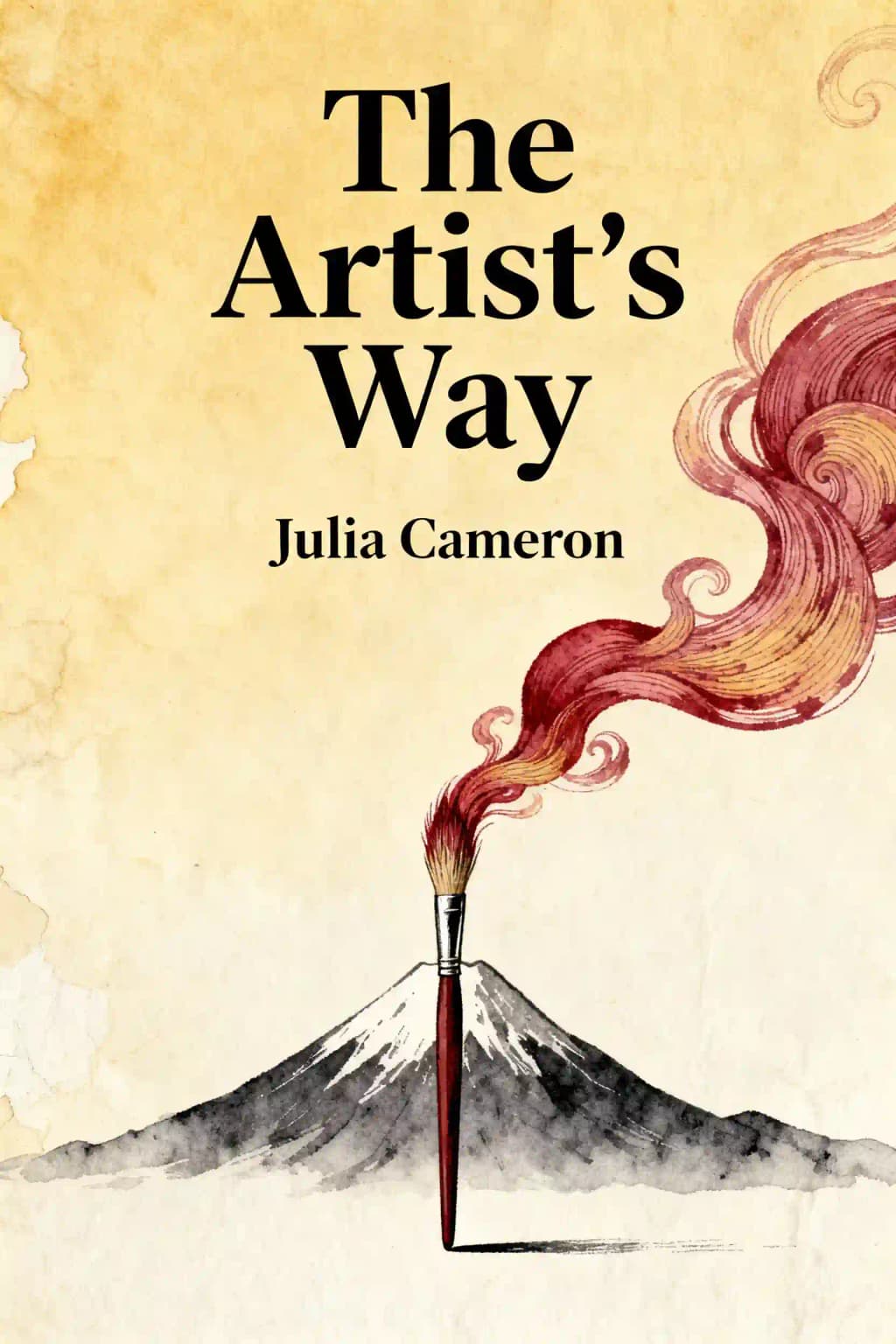
Unlock Your Genius: The Artist's Path Home
Ever woken up feeling that creative spark has vanished? Julia Cameron's revolutionary "The Artist's Way" has guided millions through this exact wilderness. This 1992 spiritual compass for creativity has sold over 4 million copies and remains on bestseller lists three decades later, proving creativity isn't magic - it's practice.
Cameron developed this 12-week program during her recovery from alcoholism and divorce from Martin Scorsese, transforming personal devastation into a methodology that's influenced everyone from Elizabeth Gilbert to Tim Ferriss. At its heart lie two transformative tools: Morning Pages (three pages of longhand, stream-of-consciousness writing) and Artist Dates (solo expeditions to refill your creative well).
What makes this book extraordinary isn't just theory - it's the practical pathway to dismantling the inner critic that blocks your creative expression. Through Cameron's guidance, you'll rediscover not just creativity but your authentic self. This isn't about becoming a professional artist - it's about reclaiming the artist you've always been, waiting just beneath the surface of everyday life.
第2章
The Creative Connection: Spirituality as Artistic Fuel
Creativity isn't merely a talent or skill-it's a spiritual experience, a divine collaboration between artist and creator. This perspective forms the foundation of Cameron's approach, suggesting that when we engage with creativity, we tap into something larger than ourselves. Like a radio receiving distant signals, we become conduits for ideas, inspiration, and artistic expression that seem to flow through us rather than from us. This process expands our artistic capabilities beyond personal limitations, allowing us to witness our own creative evolution unfold before us in ways that often surprise and delight us.
Interestingly, this spiritual framework doesn't demand belief in a traditional concept of God. Cameron emphasizes observation over faith-simply notice what happens when you engage with creative practices. Whether writing poetry, painting landscapes, or composing music, pay attention to those moments when time seems to stop, and ideas appear fully formed in your consciousness. The phrase "Leap, and the net will appear" encapsulates this approach perfectly, encouraging faith-driven advancement without dogmatic requirements. Many artists report experiencing this phenomenon: taking creative risks leads to unexpected support and opportunities materializing at just the right moment.
Creative acts become sacred rituals in this context, paralleling spiritual engagement. Just as meditation clears the mind, creative practice cleanses the artistic channels. As we create, we remove inner barriers that have accumulated over years of negative conditioning-childhood criticisms, professional setbacks, or self-doubt. This process is like irrigating parched fields-suddenly, energy flows where there was once only blockage and resistance. Artists often describe experiencing a "flow state" where creativity becomes effortless and time loses meaning, similar to deep spiritual experiences reported in various traditions.
The beauty of Cameron's method lies in its practicality and universal applicability. You needn't worry about whether you believe in a higher power or subscribe to any particular faith tradition. The tangible effects of engaging with creativity-increased energy, synchronistic opportunities, and profound personal insights-speak louder than any theological debate. For example, many practitioners report finding perfect resources for their projects "by chance," meeting exactly the right people at the right time, or discovering solutions to creative problems during seemingly unrelated activities. These synchronicities become more frequent as one commits to regular creative practice.
The creative connection manifests in real-world results that resonate far deeper than abstract faith concepts, making this approach accessible to everyone regardless of spiritual background. Writers find words flowing more easily, painters discover new color combinations intuitively, and musicians hear melodies in their dreams. This practical spirituality transforms the creative process from a struggle into a partnership with something greater than ourselves, whether we call it God, the universe, or simply the creative force. The evidence appears in the work itself: more authentic expression, deeper emotional resonance, and a sense of connection to something vast and meaningful.
第3章
The Basic Tools: Morning Pages and Artist Dates
At the heart of Cameron's creative recovery program lie two deceptively simple yet profoundly transformative practices: morning pages and artist dates. These aren't just suggestions-they're non-negotiable cornerstones that promise massive shifts in creative awakening for those who commit to them.
Morning pages consist of three pages of longhand, stream-of-consciousness writing done first thing each morning. Their power lies in their ability to bypass our internal critic-what Cameron calls "the Censor." This critical inner voice constantly judges our creative impulses, telling us our ideas are stupid, unoriginal, or impossible. By writing whatever comes to mind without editing, we create a direct channel to our authentic thoughts beneath the Censor's interference.
What makes morning pages so effective is their non-negotiable nature. You write them regardless of mood, regardless of whether you feel inspired. They're not meant to be art-they're meant to clear mental clutter. Think of them as a drain for the mind, allowing creative waters to flow freely once the debris is removed. Over time, this practice gently silences the Censor and allows your true artistic voice to emerge.
The second tool, artist dates, involves setting aside time each week for solitary exploration and play. These are planned outings where you nurture your creative consciousness-perhaps visiting a museum, taking a nature walk, or exploring a craft store. The key is that you do these activities alone, creating space for your inner artist to receive inspiration without interference.
Artist dates address a fundamental imbalance many creatives experience-we're constantly outputting without replenishing our creative reserves. These dates establish a healthy giving-and-receiving dynamic in your creative life. They might feel frivolous or self-indulgent at first, but they're actually essential investments in your creative capacity.
Together, these tools create a powerful synergy. Morning pages clear the mental pathways, while artist dates fill them with fresh inspiration. This combination gradually transforms your relationship with creativity from one of struggle to one of flow.
第4章
Filling the Creative Well: Nurturing Your Artist Self
Imagine your creativity as a vibrant trout pond that requires constant maintenance. Extended creative output without replenishment inevitably leads to stagnation-the pond becomes murky, lifeless. This metaphor perfectly illustrates why self-care is crucial for sustained creativity.
To maintain your creative reservoir, you must actively seek images, experiences, and sensations that refill your well. This isn't about obligation-it's about prioritizing joy and magic in your daily life. Simple novel experiences can profoundly refresh your artist mind: taking a different route home, sampling unfamiliar foods, or surrounding yourself with new scents and textures.
Interestingly, regular repetitive activities often engage the creative brain in unexpected ways. While cooking, showering, or gardening, your mind enters a meditative state where ideas and insights naturally emerge. These mundane moments become fertile ground for inspiration when approached with mindful attention.
An artist's connection to sensory detail fuels creativity in profound ways. Notice the play of light through leaves, the texture of bark beneath your fingers, the subtle variations in birdsong. These observations build a substantial reservoir of inspiration you can draw from when creating.
This practice of filling the well isn't separate from your creative work-it's an essential component of it. By consciously collecting images, sensations, and experiences, you're gathering raw materials for future creative projects. The richness of your creative output directly correlates with the diversity of inputs you've absorbed.
Remember that creativity doesn't exist in a vacuum. It requires constant nourishment from the world around you. When you feel creatively depleted, it's not a sign of failure-it's simply an indication that your well needs refilling. Give yourself permission to explore, play, and absorb new experiences without the pressure to immediately transform them into creative output.
第5章
Shadow Artists: Embracing Your True Creative Identity
Many people live on the periphery of their creative dreams, settling for adjacent careers or supporting roles rather than claiming their rightful place as artists. Cameron calls these individuals "shadow artists"-people with genuine creative potential who haven't yet stepped into their artistic identity.
Shadow artists often gravitate toward creative fields but in supportive capacities. They become editors instead of writers, gallery owners instead of painters, agents instead of actors. They surround themselves with creativity but remain one step removed from direct participation. This pattern stems from early messages that artistic pursuits aren't practical or valuable enough to pursue seriously.
The journey from shadow artist to creator requires confronting familial and societal expectations that have shaped your self-perception. Perhaps you were told that artistic careers aren't financially viable, or that your creative efforts weren't good enough. These messages become internalized, creating a persistent belief that you don't deserve to call yourself an artist.
Recognizing your shadow artist tendencies is the first step toward reclaiming your creative identity. Ask yourself: Am I living vicariously through others' creative achievements? Do I support others' artistic endeavors while neglecting my own? Have I chosen a career adjacent to my true passion rather than pursuing it directly?
Emerging from the shadows involves vulnerability-the willingness to create imperfectly, to learn publicly, to risk failure. It means redirecting the energy you've spent supporting others' creativity toward nurturing your own artistic expression. This doesn't require abandoning your current life; it simply means making space for your creative self alongside your existing responsibilities.
Remember that claiming your identity as an artist isn't about achieving professional success or external validation. It's about acknowledging and honoring your innate creative impulses. Whether you create for an audience of thousands or just for yourself, the act of creation itself affirms your artistic identity.
第6章
Dealing with Creative Blocks: Core Negative Beliefs
At the heart of creative blocks lie core negative beliefs-deeply held convictions about creativity and our relationship to it. These beliefs aren't facts but internalized fears that limit our artistic expression. Identifying them is crucial for dismantling their power over us.
Common core negative beliefs include: "Real artists are more talented than I am," "I'll never make money from my art," "My family will disapprove if I pursue creativity," or "Success will change me in ways I can't control." These beliefs often originate from childhood experiences, cultural messaging, or discouraging feedback from authority figures.
What makes these beliefs so damaging is that we mistake them for objective truth rather than recognizing them as subjective interpretations. They operate beneath conscious awareness, sabotaging our creative efforts before we even begin. Each time we approach our art, these beliefs activate, triggering anxiety, procrastination, or perfectionism that prevents us from creating freely.
Confronting these beliefs requires bringing them into the light. Through morning pages and other reflective exercises, we can identify the specific fears underlying our creative resistance. Once articulated, these beliefs lose some of their power-we can examine them critically rather than accepting them unquestioningly.
For each negative belief you identify, ask yourself: Where did this belief originate? What evidence suggests it might be false? How might my creative life change if I didn't hold this belief? This questioning process begins to loosen the belief's grip on your creative practice.
Cameron suggests countering negative beliefs with affirmations-positive statements that challenge limiting perspectives. While affirmations may feel uncomfortable or inauthentic initially, they help restructure thought patterns over time. Statements like "I am a channel for creative energy" or "My creativity grows stronger each day" can gradually shift your self-perception.
Remember that dismantling core negative beliefs isn't a one-time event but an ongoing practice. These beliefs formed over years of reinforcement and won't disappear overnight. With consistent awareness and gentle persistence, however, their influence gradually diminishes, allowing your authentic creative voice to emerge.
第7章
Navigating Creative Recovery: Anger, Synchronicity, and Shame
The creative recovery journey stirs powerful emotions and experiences that must be navigated with awareness. Anger, often suppressed in creative individuals, emerges as a crucial navigational tool. Rather than something to fear or suppress, anger highlights boundaries and unmet needs. When you feel angry about creative blocks or past discouragement, listen to what this emotion reveals about your desires and necessary changes.
Synchronicity-meaningful coincidences that support your creative journey-begins to appear as you commit to artistic recovery. You might mention wanting to learn pottery and suddenly discover a friend offering classes. These aren't random occurrences but evidence of alignment between your intentions and the universe's response. Acknowledging these synchronicities strengthens your trust in the creative process and encourages continued exploration.
Shame represents one of the most debilitating barriers to creative expression. Many artists abandon valuable work due to perceived inadequacy, often stemming from past judgments or familial expectations. Art inherently reveals hidden truths, which can provoke discomfort in both the artist and observers. Society frequently attempts to shroud creative efforts in shame under the guise of criticism.
Overcoming shame requires comfort with vulnerability and trust in your unique vision, even when others question it. Distinguish between constructive feedback that serves your growth and destructive criticism aimed at diminishing your creative spirit. Protect your inner artist child from debilitating reviews while remaining open to insights that enhance your work.
Detective work-introspective exercises that reconnect you with forgotten aspects of yourself-helps uncover buried ambitions and suppressed desires. By exploring what brought you joy as a child or what activities make you lose track of time, you rediscover authentic creative impulses that may have been obscured by external judgment.
Throughout this process, practice gentleness with yourself. Creative recovery isn't linear-it involves peaks of inspiration and valleys of doubt. Ensure your basic needs are met, create an environment that supports your artist within, and embrace the concept of "easy does it" to sustain momentum through inevitable setbacks.
第8章
Abundance and Possibility: Overcoming Scarcity Thinking
Many artists operate from a mindset of scarcity-believing there isn't enough time, money, or opportunity to support their creative dreams. This perspective becomes a self-fulfilling prophecy, limiting what seems possible and constraining artistic expression.
Examining your relationship with money reveals much about your creative blocks. Do you believe creativity and financial success are mutually exclusive? Have you internalized the "starving artist" myth as inevitable? These beliefs about scarcity often extend beyond finances to affect how you perceive creative opportunities in general.
Cameron encourages a shift toward abundance thinking-recognizing that the universe supports authentic creative expression. This isn't magical thinking but a practical reorientation that opens you to possibilities you might otherwise dismiss. When you trust that resources will appear to support genuine creative endeavors, you become more receptive to unexpected opportunities and synchronicities.
The "Virtue Trap" represents a particular form of scarcity thinking where artists sacrifice their creative needs to appear virtuous or selfless. Fear of being perceived as selfish leads many to abandon creative pursuits in favor of constantly meeting others' needs. This self-sacrifice ultimately starves creativity and leaves artists drained and unfulfilled.
Breaking free from scarcity thinking involves practical exercises like tracking your spending to understand what you truly value, identifying "forbidden joys" you've denied yourself, and creating wish lists that articulate your genuine desires. These practices help align your actions with your creative priorities rather than operating from unconscious limitations.
Remember that abundance isn't just about material resources-it's about recognizing the infinite wellspring of creativity available to you. Each creative act connects you to this limitless source, expanding rather than depleting your capacity. By embracing abundance thinking, you transform your relationship with creativity from one of constraint and struggle to one of possibility and flow.
第9章
Creative Risks and Perfectionism: Embracing Imperfection
The paralyzing illusion of perfectionism stymies progress and creativity by creating an impossible standard. Perfectionism isn't about excellence-it's an ego-driven loop that prevents forward momentum. It keeps us stuck in planning rather than doing, in dreaming rather than creating.
True creativity embraces a natural flow that accepts imperfections as part of the process. Art is never truly finished-it's simply paused at compelling moments. Understanding this liberates us from the paralysis of perfectionism and allows us to create more freely and prolifically.
Taking creative risks means stepping away from comfort zones and familiar patterns. This requires accepting that safety is largely an illusion-the apparent security of not creating often costs more than the vulnerability of creative expression. Each risk builds confidence for the next, gradually expanding your creative territory.
Jealousy, when properly understood, becomes a powerful emotional compass pointing toward unexplored creative desires. Rather than seeing it as a negative emotion to suppress, recognize jealousy as a map guiding you toward uncharted territories of personal aspiration. When you feel envious of another artist's work or success, ask yourself: What specific aspect triggers this response? What action could I take to move in that direction?
The jealousy map exercise transforms envy into actionable steps. By listing individuals you envy, identifying specific reasons for that jealousy, and developing concrete actions to address these feelings, you redirect jealousy's intensity toward personal growth. This practice reveals that jealousy isn't just the color of envy-it's also the color of hope, illuminating paths toward your authentic creative expression.
Remember that creative risks don't require grand gestures. Small, consistent steps outside your comfort zone-trying a new medium, sharing work with a supportive friend, or experimenting with an unfamiliar style-build the courage needed for larger leaps. Each risk taken diminishes the power of perfectionism and strengthens your creative resilience.
第10章
Sustaining Creative Practice: Time, Survival, and Growth
Artists must confront various challenges to sustain creative practice over time. The perception of time itself often becomes a block-many believe they're too old to begin or that they've missed their creative window. This ageist mindset limits potential and prevents exploration. Creativity remains timeless and process-focused, not result-oriented. A commitment to curiosity nurtures creativity at any age, fostering the beginner's grace that leads to fulfillment.
Artistic survival demands acknowledging experiences of loss and setbacks. Creative works mirror personal offspring, with unacknowledged disappointments festering into anguish that blocks growth. Mourning these losses-rejected manuscripts, abandoned projects, unfulfilled potential-allows artists to transform setbacks into resilience. By recognizing these wounds rather than suppressing them, creative energy flows more freely.
Sustaining creativity requires breaking down grandiose ambitions into manageable daily practices. Addressing creativity incrementally nourishes the artist and prevents abandonment due to overwhelm. Committing to small, consistent actions fills the creative form and opens space for artistic freedom amidst life's constraints.
Early conditioning profoundly impacts current creative blocks. Reflecting on messages received about creativity during formative years helps identify and reframe limiting beliefs. Writing down feelings triggered by parental feedback and memorable encouragements or discouragements illuminates patterns that may still influence your creative self-perception.
Growth in creativity isn't linear-it requires patience and gentleness. Like training for a marathon, creative recovery involves rest periods and consistent practice. Ensuring basic comforts and fostering an environment that supports your inner artist helps sustain momentum through inevitable challenges.
Remember that each creative act, however small, contributes to your artistic development. The accumulation of these actions-morning pages, artist dates, experimental projects-gradually transforms your relationship with creativity from sporadic inspiration to sustained practice. This consistency builds creative muscles that support you through both drought and abundance.
第11章
The Spiritual Journey Home: Faith, Trust, and Creative Mystery
The culmination of Cameron's creative recovery program involves embracing creativity as a spiritual journey that requires faith and trust. This means letting go of control-a surrender that often manifests initially as depression or confusion as we resist releasing our grip on outcomes.
Each person holds inner dreams requiring courageous acceptance. Aligning with these authentic desires allows universal support to flow, creating abundance where there was once restriction. Cultural messages frequently contradict our deeper yearnings, but affirming our truest goals aligns with divine will and invites synchronistic assistance.
Creativity thrives in mystery and requires periods of unseen development-like bread rising in darkness. Ideas need time to mature naturally, resisting our urge to force them prematurely. This gestation period feels uncomfortable to our productivity-obsessed minds, but trusting this unstructured process allows creativity to ultimately surprise us with profound insights.
Playfulness remains essential throughout the creative journey. Reimagining art beyond traditional confines and engaging in activities without concern for outcomes frees us from ego constraints. Hobbies and seemingly frivolous creative pursuits often lead to breakthroughs precisely because they bypass our internal critics. Rediscovering past creative pleasures-activities that brought joy before adult concerns intervened-intuitively guides creativity in everyday life.
As you approach significant creative breakthroughs, be wary of what Cameron calls "Wet Blankets"-people who cast doubt or create distractions just as you're gaining momentum. Maintaining boundaries with these influences while seeking support from creative allies helps sustain your vision through challenges.
The creative journey ultimately becomes a spiral path up a mountain, doubling back on itself while gradually ascending. Like a spiritual pilgrimage home, this path contains perils alongside glimpses of transcendent beauty. Creativity becomes a practice of listening for guidance, making reparations where needed, and finding companionship with kindred souls who understand this sacred journey.
The Artist's Way isn't merely about producing art-it's about recovering your authentic relationship with creativity as a spiritual practice. Through this process, creativity transforms from something you do into something you are-a natural expression of your deepest self in communion with the world around you.