Stretch: Unlock the Power of Less--and Achieve More Than You Ever Imagined

『Stretch』の概要
"Stretch" reveals why having less can lead to more success. Filmmaker Robert Rodriguez created "El Mariachi" on a shoestring budget, exemplifying Sonenshein's counterintuitive thesis: resourcefulness trumps resources. Featured in Harvard Business Review, it's the manifesto for achieving the impossible with what you already have.
- Chasing more resources often leads to failure while stretching existing ones drives success
- Stretching mindset unlocks hidden value in underutilized assets for breakthrough innovation
- Psychological ownership transforms how individuals and organizations maximize current resources
- Frugality beats excessive spending by creatively amplifying what you already possess
- Embracing constraints boosts problem-solving skills and reveals unexpected opportunities
- Corporate case studies prove stretching resources outperforms chasing temporary financial gains
- Scott Sonenshein's "Stretch" redefines resourcefulness beyond traditional financial limitations
- Four stretching principles: ownership, constraints, frugality, and hidden value recognition
- Why successful companies stop chasing external validation and start internal optimization
- Personal resource stretching increases career fulfillment more than salary increases
- How to identify untapped potential in existing teams, budgets, and tools
- Case studies show stretching mindset increases profit margins by 30-50%
『Stretch』の著者について
Scott Sonenshein, bestselling author of Stretch: Unlock the Power of Less—And Achieve More Than You Ever Imagined, is the Henry Gardiner Symonds Professor of Management at Rice University and a leading expert in organizational behavior, resourcefulness, and strategic change.
His book, blending business psychology and self-improvement, draws on decades of research into how individuals and organizations thrive by creatively leveraging existing resources. A University of Michigan PhD and Cambridge M.Phil graduate, Sonenshein’s work has earned recognition from the Aspen Institute and the Center for Positive Organizations, with insights featured in The New York Times, Harvard Business Review, and national media appearances.
He co-authored Joy at Work: Organizing Your Professional Life with Marie Kondo, expanding his exploration of productivity and intentionality. Sonenshein’s frameworks are taught in top MBA programs and applied by Fortune 500 leaders.
Stretch has been translated into 18 languages and praised by Kirkus Reviews as “a convincing argument within a compelling narrative” for professionals seeking innovative paths to success.
『Stretch』に関するよくある質問
What is Stretch by Scott Sonenshein about?
Stretch explores how individuals and organizations can achieve remarkable results by maximizing existing resources instead of chasing more. Scott Sonenshein introduces the “stretching” mindset—focusing on creativity, frugality, and psychological ownership—to transform constraints into advantages. Key examples include a filmmaker producing a low-budget hit and a brewer outperforming rivals through resourcefulness.
Who should read Stretch by Scott Sonenshein?
Professionals, entrepreneurs, and managers in industries like tech, healthcare, and education will gain actionable strategies for productivity and innovation. It’s also ideal for anyone seeking personal growth through mindfulness, frugality, and leveraging underutilized assets.
Is Stretch by Scott Sonenshein worth reading?
Yes. The book earned praise for its evidence-based insights, real-world case studies, and practical frameworks like embracing constraints. Kirkus Reviews highlights its “compelling narrative” for both businesses and individuals.
What are the key concepts in Stretch?
Sonenshein’s core ideas include:
- Chasing vs. Stretching: Chasing exhausts resources; stretching innovates with what’s available.
- Four Stretching Elements: Psychological ownership, embracing constraints, frugality, and uncovering hidden value.
How does Stretch differ from other productivity books?
Unlike books focused on acquiring habits or tools, Stretch emphasizes optimizing existing resources. It contrasts with Marie Kondo’s Joy at Work (which Sonenshein co-authored) by prioritizing mindset shifts over organizational tactics.
What are practical strategies from Stretch?
- “Shop your closet” to reuse existing assets.
- Surround yourself with diverse ideas.
- Reframe trash as treasure (e.g., unsellable dresses rebranded as beach cover-ups).
Can Stretch help with career development?
Absolutely. By adopting a stretching mindset, professionals can navigate limited budgets, role changes, or skill gaps. Sonenshein cites examples like a neurologically impaired artist who innovated new techniques to succeed.
What is the “chasing vs. stretching” mindset?
Chasing relentlessly pursues more resources, often leading to burnout. Stretching maximizes current assets through creativity—like a brewery modernizing factories instead of expanding, outperforming rivals.
How does Stretch suggest turning constraints into advantages?
Sonenshein advises reframing limits as catalysts for innovation. For instance, a manager sold defective dresses as beachwear, while Hungarian soldiers in the Alps survived by repurposing gear.
Are there critiques of Stretch?
Some may find its focus on anecdotal examples over quantitative data less rigorous. However, its actionable frameworks and relatable stories make concepts accessible.
How is Stretch relevant to modern workplaces?
In 2025, remote work and sustainability demands make resourcefulness critical. The book’s principles align with trends like frugal innovation and circular economies.
What quotes summarize Stretch’s message?
- “A better use of resources = getting better results.”
- “When you’re already lost, any map will do”
著者の声を通じて本を感じる
知識を魅力的で例が豊富な洞察に変換
キーアイデアを瞬時にキャプチャして素早く学習
楽しく魅力的な方法で本を楽しむ
『Stretch』の登場人物
- Scott SonensheinAuthor and researcher of resourcefulness
- Daniel NorrisBillionaire baseball player living in a van
- Joshua MillburnFormer executive turned minimalist
- Dick YuenglingOwner of America's largest domestic brewery
- Phil HansenArtist who learned to embrace physical constraints
『Stretch』の主要テーマ
- resourceful mindset
- creative constraints
- functional fixedness
- scarcity vs abundance
- psychological ownership
『Stretch』の名言
Stretching is about using what you already have.
The grass often appears greener elsewhere due to optical illusion.
Constraints, rather than limiting us, can spark creativity.
Everything, and everyone, is unique and has value.
あなたに合った学び方を探す
 クイックサマリーモード
『Stretch』の要約を9分で読む・聴く
『Stretch』の核心的なアイデアを分かりやすいポイントに分解し、革新的なチームがどのように創造、協力、成長するかを理解します。

 エンタメモード
『Stretch』のレッスンを24分のストーリーで
鮮やかなストーリーテリングを通じて『Stretch』を体験し、イノベーションのレッスンを記憶に残り、応用できる瞬間に変えます。
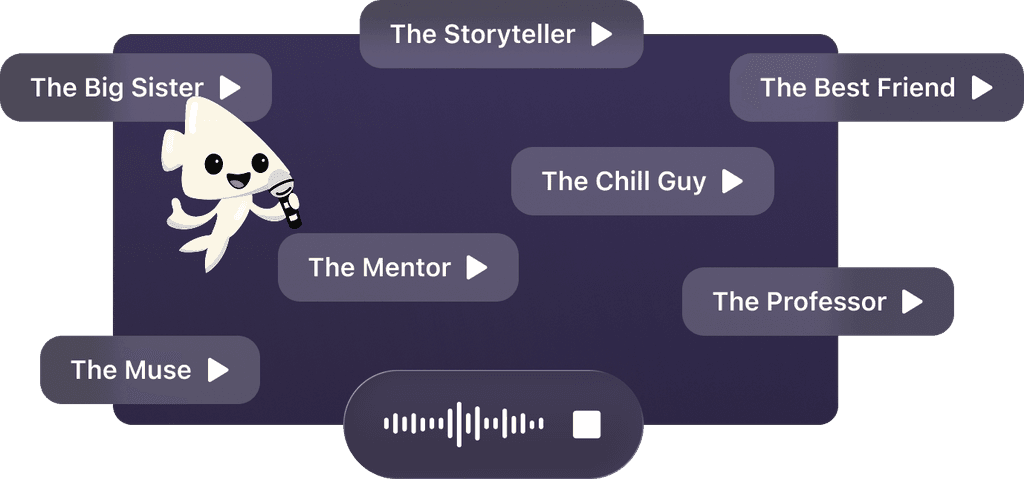
 パーソナライズモード
Stretchを自分の学習スタイルで体験
何でも質問し、学習スタイルを選び、自分に本当に響くインサイトを一緒に作れます。
"Instead of endless scrolling, I just hit play on BeFreed. It saves me so much time."


"I never knew where to start with nonfiction—BeFreed’s book lists turned into podcasts gave me a clear path."


"Perfect balance between learning and entertainment. Finished ‘Thinking, Fast and Slow’ on my commute this week."
"Crazy how much I learned while walking the dog. BeFreed = small habits → big gains."
"Reading used to feel like a chore. Now it’s just part of my lifestyle."

"Feels effortless compared to reading. I’ve finished 6 books this month already."
"BeFreed turned my guilty doomscrolling into something that feels productive and inspiring."

"BeFreed turned my commute into learning time. 20-min podcasts are perfect for finishing books I never had time for."
"BeFreed replaced my podcast queue. Imagine Spotify for books — that’s it. 🙌"

"It is great for me to learn something from the book without reading it."
"The themed book list podcasts help me connect ideas across authors—like a guided audio journey."
"Makes me feel smarter every time before going to work"
"Instead of endless scrolling, I just hit play on BeFreed. It saves me so much time."
"I never knew where to start with nonfiction—BeFreed’s book lists turned into podcasts gave me a clear path."
"Perfect balance between learning and entertainment. Finished ‘Thinking, Fast and Slow’ on my commute this week."
"Crazy how much I learned while walking the dog. BeFreed = small habits → big gains."
"Reading used to feel like a chore. Now it’s just part of my lifestyle."
"Feels effortless compared to reading. I’ve finished 6 books this month already."
"BeFreed turned my guilty doomscrolling into something that feels productive and inspiring."
"BeFreed turned my commute into learning time. 20-min podcasts are perfect for finishing books I never had time for."
"BeFreed replaced my podcast queue. Imagine Spotify for books — that’s it. 🙌"
"It is great for me to learn something from the book without reading it."
"The themed book list podcasts help me connect ideas across authors—like a guided audio journey."
"Makes me feel smarter every time before going to work"
"Instead of endless scrolling, I just hit play on BeFreed. It saves me so much time."
"I never knew where to start with nonfiction—BeFreed’s book lists turned into podcasts gave me a clear path."
"Perfect balance between learning and entertainment. Finished ‘Thinking, Fast and Slow’ on my commute this week."
"Crazy how much I learned while walking the dog. BeFreed = small habits → big gains."
"Reading used to feel like a chore. Now it’s just part of my lifestyle."
"Feels effortless compared to reading. I’ve finished 6 books this month already."
"BeFreed turned my guilty doomscrolling into something that feels productive and inspiring."
"BeFreed turned my commute into learning time. 20-min podcasts are perfect for finishing books I never had time for."
"BeFreed replaced my podcast queue. Imagine Spotify for books — that’s it. 🙌"
"It is great for me to learn something from the book without reading it."
"The themed book list podcasts help me connect ideas across authors—like a guided audio journey."
"Makes me feel smarter every time before going to work"
"Instead of endless scrolling, I just hit play on BeFreed. It saves me so much time."
"I never knew where to start with nonfiction—BeFreed’s book lists turned into podcasts gave me a clear path."
"Perfect balance between learning and entertainment. Finished ‘Thinking, Fast and Slow’ on my commute this week."
"Crazy how much I learned while walking the dog. BeFreed = small habits → big gains."
"Reading used to feel like a chore. Now it’s just part of my lifestyle."
"Feels effortless compared to reading. I’ve finished 6 books this month already."
"BeFreed turned my guilty doomscrolling into something that feels productive and inspiring."
"BeFreed turned my commute into learning time. 20-min podcasts are perfect for finishing books I never had time for."
"BeFreed replaced my podcast queue. Imagine Spotify for books — that’s it. 🙌"
"It is great for me to learn something from the book without reading it."
"The themed book list podcasts help me connect ideas across authors—like a guided audio journey."
"Makes me feel smarter every time before going to work"

Stretchの要約をダウンロード
Stretchの要約をPDFまたはEPUBで無料でダウンロード。印刷やオフラインでいつでもお読みいただけます。