Shapers: Change Your Work, Find Meaning, and Grow Better

『Shapers』の概要
In "Shapers," Jonas Altman reveals how to reinvent work for meaning and purpose. Endorsed by Daniel Pink, this timely guide asks: What if your unique quirks are actually your path to fulfillment? Discover why Harvard professors call it essential reading for today's changing workplace.
- Purpose-driven work fuels personal fulfillment and societal transformation
- Transparent cultures outperform workplaces riddled with politics and posturing
- Modern workers need creativity frameworks more than rigid career ladders
- Resilient organizations prioritize leadership ethics over short-term profit margins
- Meaningful work requires balancing personal growth with community impact
- Daily work habits shape economic systems more than corporate policies
- "Shapers" achieve success through purposeful struggle rather than comfort
- Instead of chasing promotions, align work with personal fulfillment
- Five leadership modes create engaged teams in outdated work systems
- Work-life integration trumps balance when driven by intrinsic motivation
- Organizational trust accelerates innovation more than financial incentives
- Meaningful careers emerge from solving problems larger than oneself
『Shapers』の著者について
Jonas Altman, bestselling author of Shapers: Reinvent the Way You Work and Change the Future, is a Canadian-British entrepreneur, leadership coach, and innovation designer renowned for reimagining modern work cultures.
Blending a BA in Philosophy and an MA in Design, Altman founded Social Fabric, an award-winning practice that partners with organizations like Google, MIT, and Sony to foster collaborative workplaces.
His book, spanning business and self-help genres, draws on his global coaching experience and explores themes of purposeful work, adaptive leadership, and organizational creativity. A certified International Coaching Federation professional, Altman’s insights appear in The Guardian, Fast Company, and The Telegraph, and he lectures widely on managing change.
His earlier work, The Little Booklet on Business Design, established his reputation for translating complex ideas into actionable frameworks. Shapers became an instant bestseller and was nominated for Business Book of the Year, resonating with professionals seeking to align their careers with personal and societal impact.
『Shapers』に関するよくある質問
What is Shapers: Reinvent the Way You Work and Change the Future about?
Shapers by Jonas Altman reimagines modern work by advocating for purpose-driven careers, collaborative cultures, and resilient organizations. Through case studies of CEOs, entrepreneurs, and innovators, it explores how to replace outdated work models with creativity, transparency, and ethical leadership. The book emphasizes small habit shifts and systemic changes to foster fulfillment while addressing global workplace challenges.
Who should read Shapers: Reinvent the Way You Work and Change the Future?
Professionals seeking purposeful careers, leaders building agile teams, and entrepreneurs designing equitable workplaces will benefit most. It’s ideal for readers interested in blending creativity with business strategy or those navigating career transitions. Altman’s insights also resonate with advocates of workplace well-being and organizational redesign.
Is Shapers worth reading in 2025?
Yes—ranked a bestseller and nominated for Business Book of the Year, Shapers remains relevant for its actionable frameworks on fostering innovation and ethical leadership. Its focus on adaptability, remote collaboration, and AI-augmented work aligns with 2025’s hybrid workplace trends.
What are the key concepts in Shapers?
- Purpose-Driven Work: Aligning personal values with professional goals to create meaning.
- Relational Intelligence: Building trust and collaboration through transparent communication.
- Five Modes of Leadership Ethics: Empathy, accountability, creativity, resilience, and systems thinking.
How does Jonas Altman define a “Shaper”?
A “Shaper” reinvents work by challenging norms, embracing experimentation, and prioritizing collective well-being over short-term gains. Examples include leaders who eliminate managerial hierarchies to boost autonomy or communities testing universal basic income to redefine productivity.
What quotes from Shapers encapsulate its message?
- “Do what you love, and you’ll work with purpose”: Rejects the myth of effortless passion, emphasizing intentionality.
- “Work doesn’t have to be drudgery if we shape it”: Encourages redesigning roles to match strengths and values.
How can Shapers help with career changes?
The book provides tools to audit skills, identify transferable strengths, and negotiate flexible work arrangements. It highlights case studies of professionals who pivoted into roles blending creativity with impact, such as transitioning from corporate jobs to social entrepreneurship.
What critiques exist about Shapers?
Some argue its ideals—like eliminating hierarchical structures—may not scale for large enterprises. Others note it prioritizes individual agency over systemic barriers like wage gaps. However, Altman balances optimism with pragmatic steps for incremental change.
How does Shapers address workplace technology?
Altman advocates using AI and digital tools to automate mundane tasks, freeing humans for creative problem-solving. Examples include teams using collaborative software to decentralize decision-making or algorithms to match employees with passion projects.
How does Shapers compare to Atomic Habits?
While Atomic Habits focuses on personal routines, Shapers examines systemic workplace change. Both emphasize small shifts for transformation, but Altman’s work prioritizes collective action over individual habits, targeting organizational leaders rather than solo practitioners.
What real-world examples does Jonas Altman use in Shapers?
- A CEO who eliminated managers, leading to a 200% revenue surge.
- A Canadian town experimenting with universal basic income to reduce burnout.
- A tech startup using AI to match employees with mentorship opportunities.
Why is Shapers relevant for remote work environments?
The book’s emphasis on trust, asynchronous communication, and outcome-based productivity aligns with hybrid work challenges. It offers strategies like “results-only work environments” (ROWE) and tools for maintaining team cohesion across time zones.
How does Jonas Altman’s background influence Shapers?
Drawing on 20+ years coaching Google, The Guardian, and startups, Altman blends philosophy, design thinking, and organizational psychology. His global experience living in six countries informs the book’s cross-cultural case studies and adaptive frameworks.
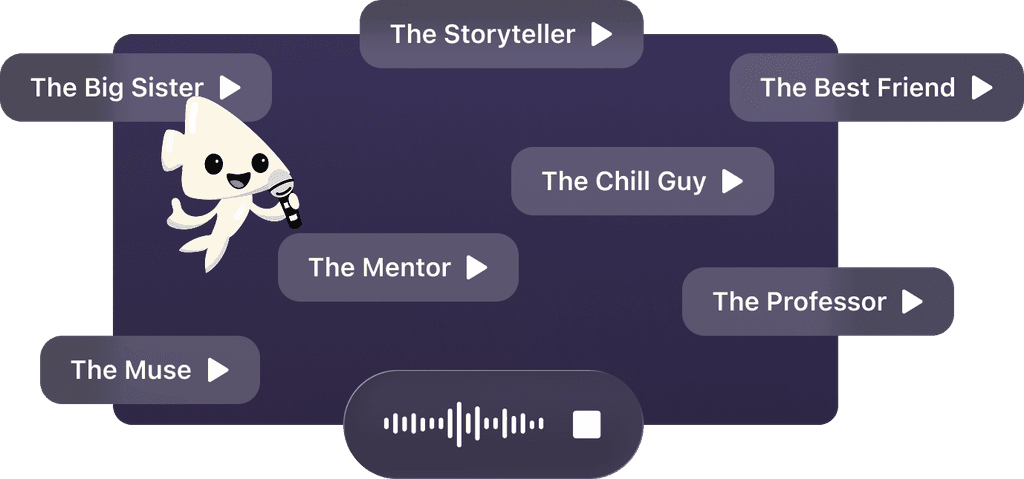
著者の声を通じて本を感じる
知識を魅力的で例が豊富な洞察に変換
キーアイデアを瞬時にキャプチャして素早く学習
楽しく魅力的な方法で本を楽しむ
『Shapers』の登場人物
- Jonas AltmanAuthor and workplace culture expert
- Frederick TaylorCreator of scientific management principles
『Shapers』の主要テーマ
- workplace disengagement
- purposeful work design
- meaningful career transitions
- professional identity construction
- future of work
『Shapers』の名言
Happiness is fleeting.
Meaning, unlike happiness, persists through time.
We've supplanted the altar with the office.
Small wins, clear goals, and regular recognition can increase engagement by up to 40%.
Finding meaning in work remains a deeply personal journey.
あなたに合った学び方を探す
 クイックサマリーモード
『Shapers』の要約を9分で読む・聴く
『Shapers』の核心的なアイデアを分かりやすいポイントに分解し、革新的なチームがどのように創造、協力、成長するかを理解します。

 エンタメモード
『Shapers』のレッスンを20分のストーリーで
鮮やかなストーリーテリングを通じて『Shapers』を体験し、イノベーションのレッスンを記憶に残り、応用できる瞬間に変えます。
 パーソナライズモード
Shapersを自分の学習スタイルで体験
何でも質問し、学習スタイルを選び、自分に本当に響くインサイトを一緒に作れます。
"Instead of endless scrolling, I just hit play on BeFreed. It saves me so much time."


"I never knew where to start with nonfiction—BeFreed’s book lists turned into podcasts gave me a clear path."


"Perfect balance between learning and entertainment. Finished ‘Thinking, Fast and Slow’ on my commute this week."
"Crazy how much I learned while walking the dog. BeFreed = small habits → big gains."
"Reading used to feel like a chore. Now it’s just part of my lifestyle."

"Feels effortless compared to reading. I’ve finished 6 books this month already."
"BeFreed turned my guilty doomscrolling into something that feels productive and inspiring."

"BeFreed turned my commute into learning time. 20-min podcasts are perfect for finishing books I never had time for."
"BeFreed replaced my podcast queue. Imagine Spotify for books — that’s it. 🙌"

"It is great for me to learn something from the book without reading it."
"The themed book list podcasts help me connect ideas across authors—like a guided audio journey."
"Makes me feel smarter every time before going to work"
"Instead of endless scrolling, I just hit play on BeFreed. It saves me so much time."
"I never knew where to start with nonfiction—BeFreed’s book lists turned into podcasts gave me a clear path."
"Perfect balance between learning and entertainment. Finished ‘Thinking, Fast and Slow’ on my commute this week."
"Crazy how much I learned while walking the dog. BeFreed = small habits → big gains."
"Reading used to feel like a chore. Now it’s just part of my lifestyle."
"Feels effortless compared to reading. I’ve finished 6 books this month already."
"BeFreed turned my guilty doomscrolling into something that feels productive and inspiring."
"BeFreed turned my commute into learning time. 20-min podcasts are perfect for finishing books I never had time for."
"BeFreed replaced my podcast queue. Imagine Spotify for books — that’s it. 🙌"
"It is great for me to learn something from the book without reading it."
"The themed book list podcasts help me connect ideas across authors—like a guided audio journey."
"Makes me feel smarter every time before going to work"
"Instead of endless scrolling, I just hit play on BeFreed. It saves me so much time."
"I never knew where to start with nonfiction—BeFreed’s book lists turned into podcasts gave me a clear path."
"Perfect balance between learning and entertainment. Finished ‘Thinking, Fast and Slow’ on my commute this week."
"Crazy how much I learned while walking the dog. BeFreed = small habits → big gains."
"Reading used to feel like a chore. Now it’s just part of my lifestyle."
"Feels effortless compared to reading. I’ve finished 6 books this month already."
"BeFreed turned my guilty doomscrolling into something that feels productive and inspiring."
"BeFreed turned my commute into learning time. 20-min podcasts are perfect for finishing books I never had time for."
"BeFreed replaced my podcast queue. Imagine Spotify for books — that’s it. 🙌"
"It is great for me to learn something from the book without reading it."
"The themed book list podcasts help me connect ideas across authors—like a guided audio journey."
"Makes me feel smarter every time before going to work"
"Instead of endless scrolling, I just hit play on BeFreed. It saves me so much time."
"I never knew where to start with nonfiction—BeFreed’s book lists turned into podcasts gave me a clear path."
"Perfect balance between learning and entertainment. Finished ‘Thinking, Fast and Slow’ on my commute this week."
"Crazy how much I learned while walking the dog. BeFreed = small habits → big gains."
"Reading used to feel like a chore. Now it’s just part of my lifestyle."
"Feels effortless compared to reading. I’ve finished 6 books this month already."
"BeFreed turned my guilty doomscrolling into something that feels productive and inspiring."
"BeFreed turned my commute into learning time. 20-min podcasts are perfect for finishing books I never had time for."
"BeFreed replaced my podcast queue. Imagine Spotify for books — that’s it. 🙌"
"It is great for me to learn something from the book without reading it."
"The themed book list podcasts help me connect ideas across authors—like a guided audio journey."
"Makes me feel smarter every time before going to work"

Shapersの要約をダウンロード
Shapersの要約をPDFまたはEPUBで無料でダウンロード。印刷やオフラインでいつでもお読みいただけます。