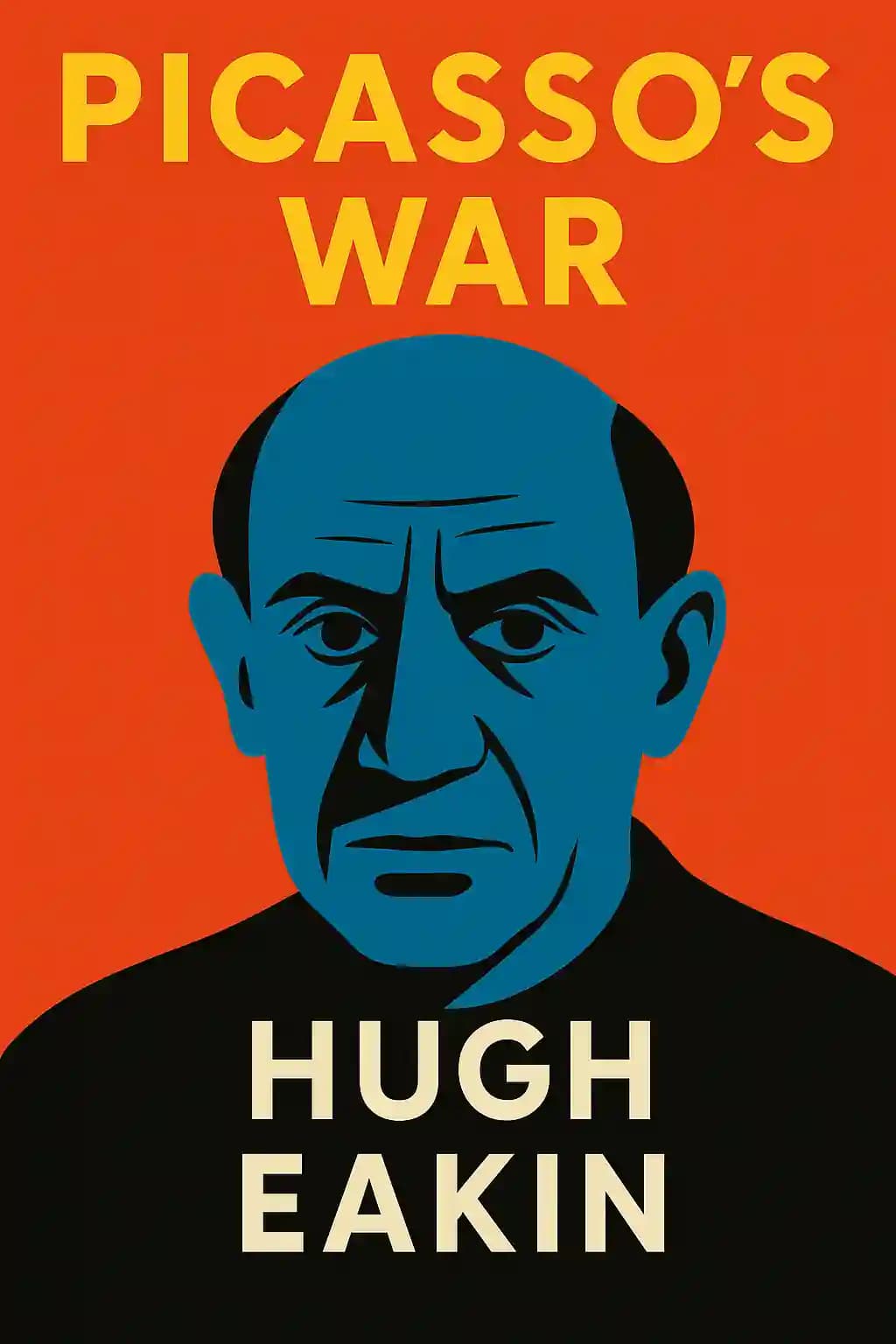
In 1939, a single exhibition transformed American art forever. "Picasso's War" reveals how MoMA's daring showcase saved masterpieces from Nazis, shifted the art world from Paris to New York, and inspired legends like Pollock - all while America initially resisted modern art's radical vision.
著者の声を通じて本を感じる
知識を魅力的で例が豊富な洞察に変換
キーアイデアを瞬時にキャプチャして素早く学習
楽しく魅力的な方法で本を楽しむ
In a cramped Manhattan apartment in 1924, art collector John Quinn unveiled Henri Rousseau's "The Sleeping Gypsy" to four carefully selected guests. This painting-showing a serene woman slumbering as a lion approaches-represented Quinn's lifelong mission as a cultural renegade who had personally supported many artists defining modernism. Seriously ill with cancer at fifty-four, Quinn had no resolved plans for his extraordinary collection. This moment would become part of a larger story-how a handful of determined individuals fought to bring modern art, particularly Picasso's revolutionary work, to an initially hostile America. Their struggle would eventually transform the Museum of Modern Art from rented rooms without a single Picasso into a global cultural powerhouse where his revolutionary works now dominate the galleries. America in the early 1900s existed in profound contradiction. While boasting world power status with advanced technology, its culture remained deeply conservative. Wall Street lawyer John Quinn recognized this paradox acutely. Born to Irish immigrants in small-town Ohio, he had risen remarkably to become Harvard-educated with connections to presidents and leading intellectuals. Yet when confronted with Picasso's Cubist figures at Alfred Stieglitz's Little Galleries in 1911, he found them as perplexing as other New Yorkers who saw them as "Alaskan totem poles" or "emanations of a disordered mind." Quinn grew increasingly disillusioned with what he called "dead art"-the varnish-coated "brown gravy" paintings that wealthy Americans coveted for social status. He craved art with "radium"-work that possessed vitality and expressed contemporary life. In February 1913, he helped organize the International Exhibition of Modern Art (the Armory Show), which struck New York with explosive force. Despite Quinn's promotional efforts, critics were largely negative, with some suggesting the avant-garde works were socially deviant and politically dangerous. In Chicago, students from the Art Institute even staged a mock trial and burning of Matisse reproductions-the first organized act of violence against modern art in twentieth-century America.
『Picasso's War』の核心的なアイデアを分かりやすいポイントに分解し、革新的なチームがどのように創造、協力、成長するかを理解します。
『Picasso's War』を素早い記憶のヒントに凝縮し、率直さ、チームワーク、創造的な回復力の主要原則を強調します。
鮮やかなストーリーテリングを通じて『Picasso's War』を体験し、イノベーションのレッスンを記憶に残り、応用できる瞬間に変えます。
何でも質問し、声を選び、本当にあなたに響く洞察を一緒に作り出しましょう。

"Instead of endless scrolling, I just hit play on BeFreed. It saves me so much time."
"I never knew where to start with nonfiction—BeFreed’s book lists turned into podcasts gave me a clear path."
"Perfect balance between learning and entertainment. Finished ‘Thinking, Fast and Slow’ on my commute this week."
"Crazy how much I learned while walking the dog. BeFreed = small habits → big gains."
"Reading used to feel like a chore. Now it’s just part of my lifestyle."
"Feels effortless compared to reading. I’ve finished 6 books this month already."
"BeFreed turned my guilty doomscrolling into something that feels productive and inspiring."
"BeFreed turned my commute into learning time. 20-min podcasts are perfect for finishing books I never had time for."
"BeFreed replaced my podcast queue. Imagine Spotify for books — that’s it. 🙌"
"It is great for me to learn something from the book without reading it."
"The themed book list podcasts help me connect ideas across authors—like a guided audio journey."
"Makes me feel smarter every time before going to work"

Picasso's Warの要約をPDFまたはEPUBで無料でダウンロード。印刷やオフラインでいつでもお読みいただけます。