第1章
The Culinary Revolution That Challenges Modern Nutrition
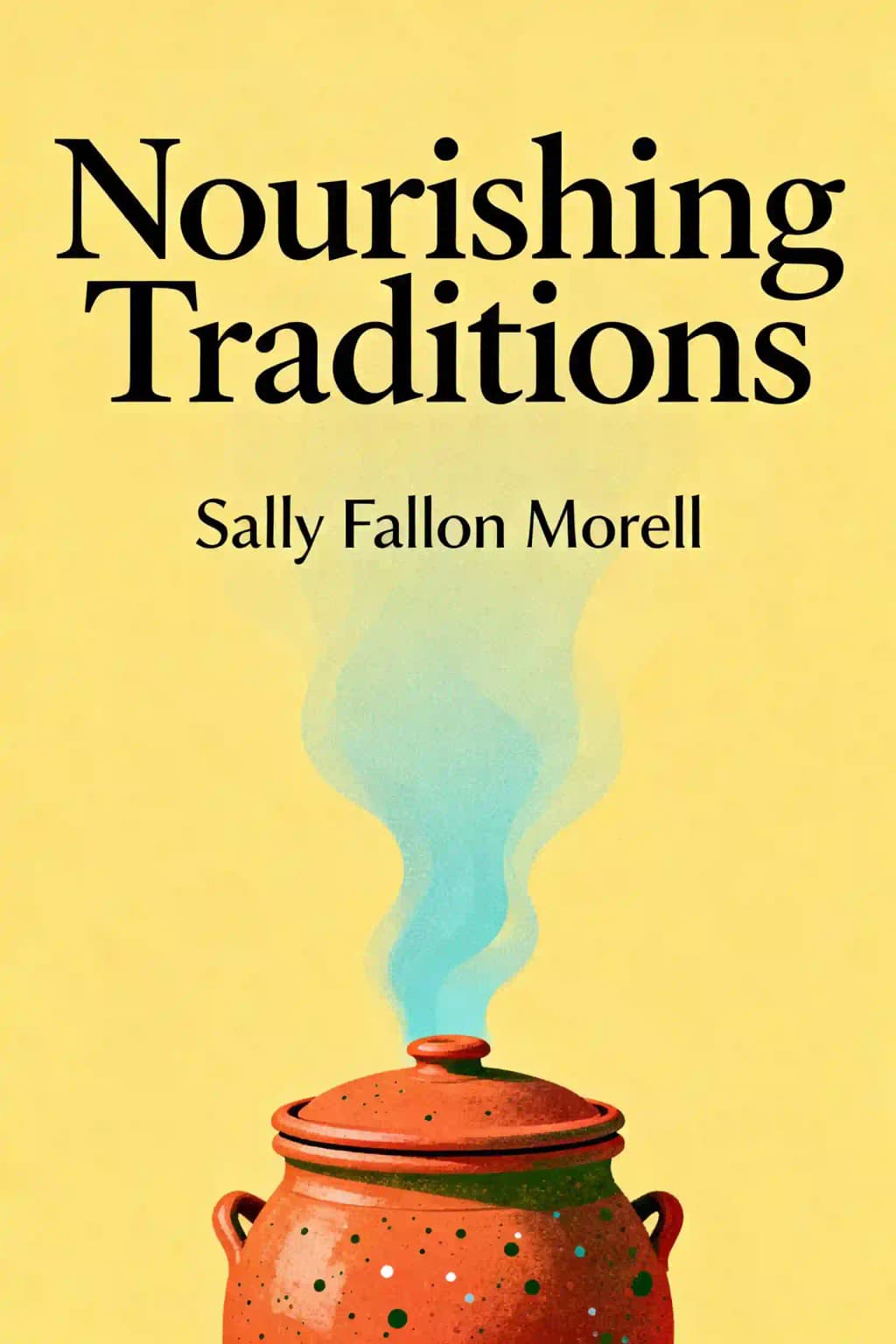
Imagine a world where butter is celebrated rather than vilified, where fermented foods are medicine, and where traditional preparation methods transform ordinary ingredients into extraordinary nutrition. This is the world of "Nourishing Traditions" by Sally Fallon Morell with Mary G. Enig, Ph.D. - a book that has sparked a quiet revolution in kitchens across America. Since its publication, this groundbreaking work has become the bible of the real food movement, selling over 700,000 copies and counting. Celebrity chefs like Pete Evans have embraced its principles, while countless families have transformed their health by returning to the wisdom of our ancestors. Far more than a cookbook, it's a manifesto challenging nearly everything conventional nutrition has taught us for decades.
第2章
The Lost Wisdom of Traditional Foods
For thousands of years, cultures worldwide thrived on traditional diets that bore little resemblance to what fills modern supermarket shelves. Dr. Weston A. Price, a pioneering dentist in the 1930s, traveled the globe studying isolated societies untouched by Western foods. What he discovered was remarkable - people eating their native diets exhibited superb health, perfect teeth, resistance to disease, and freedom from the chronic conditions plaguing modern society.
These diverse cultures - from Swiss villagers to Pacific Islanders, African tribes to Inuit hunters - shared common nutritional threads despite their different foods. All consumed some animal products, particularly organ meats. All employed special preparation methods like fermentation, soaking, and sprouting. And critically, all valued certain "sacred foods" rich in fat-soluble vitamins that were reserved for pregnant and nursing mothers, ensuring robust health for the next generation.
The contrast with modern nutrition couldn't be starker. Today's dietary guidelines promote low-fat, high-carbohydrate regimens while demonizing traditional fats and animal foods. Yet despite our obsession with "healthy eating," chronic disease rates have skyrocketed. Heart disease and cancer, once rare, now strike with alarming frequency. One in three Americans suffers from allergies, one in ten develops ulcers, and one in five experiences mental illness. Learning disabilities affect seven million young people, while chronic illness affects nearly half the population.
This paradox forms the foundation of "Nourishing Traditions." As Fallon writes: "Americans have never been more concerned about diet and nutrition, yet paradoxically, have never eaten so poorly." Our $800 billion annual healthcare expenditure - exceeding the national deficit, food bill, and corporate profits combined - hasn't reversed our declining health.
第3章
The Great Fat Deception
Perhaps no nutritional topic has been more misunderstood than dietary fat. For decades, we've been told that saturated fats from animal sources cause heart disease and should be replaced with polyunsaturated vegetable oils. Yet this advice contradicts both traditional wisdom and sound science.
Fallon and Enig meticulously document how traditional cultures prized animal fats - butter, lard, tallow, and cream - recognizing their essential role in human health. These fats provide vital fat-soluble vitamins (A, D, E, and K) that enable mineral absorption and support countless bodily functions from reproduction to immunity. Far from causing disease, properly sourced animal fats protect against it.
"The diet dictocrats have created an artificial distinction between saturated fats from animal sources and those from vegetable sources," Fallon explains. "Vegetable sources of saturated fats - particularly coconut oil - are actually beneficial, while the polyunsaturated oils we've been encouraged to consume are highly problematic."
Indeed, the industrial vegetable oils that now dominate our food supply - soybean, corn, canola, safflower - were unknown to human digestion before the 20th century. These oils are extracted through high-temperature processes involving toxic solvents, then bleached, deodorized, and often partially hydrogenated, creating dangerous trans fats. Even in their natural state, these oils are unstable and easily oxidized, creating free radicals that damage cells.
The authors present compelling evidence that the rise in heart disease correlates not with traditional fat consumption but with the introduction of these processed oils and trans fats. Meanwhile, cultures consuming high levels of traditional animal fats - like the French with their butter and cream, or traditional Polynesian islanders with their coconut oil - enjoy remarkably low rates of heart disease.
第4章
The Protein Paradox
While modern nutritionists often encourage reduced meat consumption, traditional cultures universally valued animal proteins - particularly nutrient-dense organ meats like liver, heart, and kidney. Studies of prehistoric humans reveal excellent bone structure, heavy musculature, and flawless teeth among those subsisting primarily on animal foods. Archaeological evidence from ancient burial sites consistently shows robust skeletal development and minimal dental decay in populations with meat-centered diets.
"No traditional culture was entirely vegetarian," Fallon notes, "and those that depended heavily on plant foods showed signs of nutritional deficiencies." Even agricultural peoples who relied on grains and legumes supplemented their diets with animal foods like milk, eggs, insects, and occasional meat. The Masai of Africa, the Inuit of the Arctic, and the indigenous peoples of the Americas all placed tremendous cultural and nutritional importance on animal foods.
The quality of protein matters tremendously. Factory-farmed animals bear little nutritional resemblance to their pasture-raised counterparts. Meat from grass-fed animals contains up to five times higher levels of omega-3 fatty acids, significantly more conjugated linoleic acid (CLA), and substantially higher concentrations of fat-soluble vitamins A, D, E, and K. Similarly, eggs from pasture-raised chickens contain dramatically more nutrition than their industrial counterparts - with studies showing up to six times more vitamin D, twice the omega-3 fatty acids, and three times more vitamin E.
The book acknowledges that temporary vegetarianism can benefit certain conditions but cautions against long-term avoidance of animal foods, particularly during childhood and reproductive years. Even seemingly plant-based diets traditionally incorporated animal foods in creative ways - insects in grain storage, small amounts of dried fish or shrimp, bone broths, and fermented dairy. For example, Buddhist monasteries often maintained fish ponds, and traditional Hindu vegetarian cuisine regularly incorporates ghee and yogurt for essential nutrients.
Modern research continues to validate the wisdom of traditional diets. Studies show that certain nutrients crucial for brain development and maintenance - including vitamin B12, DHA, and complete proteins - are most readily available in animal foods. Traditional preservation methods like fermentation and curing not only extended the shelf life of animal products but also enhanced their nutritional value through beneficial bacterial action.
The paradox lies in reconciling our ancestors' wisdom with contemporary concerns about sustainability and ethics. The solution, the book suggests, lies not in eliminating animal foods but in returning to traditional, sustainable farming methods that benefit both human health and environmental stability.
第5章
The Carbohydrate Conundrum
Perhaps nowhere has modern food processing caused more harm than with carbohydrates. Traditional societies consumed whole grains, but always prepared them through soaking, sprouting, or fermenting - processes that neutralize anti-nutrients like phytic acid and make minerals more bioavailable. These time-honored preparation methods weren't merely cultural practices but represented sophisticated nutritional wisdom developed over millennia.
Modern refined carbohydrates - white flour and sugar - were virtually unknown before 1600 but now constitute the foundation of the Western diet. Americans consume a staggering 170 pounds of sugar annually per person, up from just 10 pounds in 1821. This represents 25% of average caloric intake, with another large portion coming from white flour and refined oils. The dramatic surge in sugar consumption parallels the rise in metabolic disorders, dental decay, and inflammatory conditions.
"Refined sugar causes glycation - harmful bonding of sugar to proteins - damaging eye lenses, nerve sheaths, and collagen in everyone who consumes it," Fallon explains. "This process occurs whether you're diabetic or not." The glycation process accelerates aging, compromises tissue elasticity, and contributes to numerous chronic health conditions, including cataracts and arterial stiffening.
The impact extends beyond direct sugar consumption. Modern grain processing strips away the bran and germ, removing up to 80% of vital nutrients including B vitamins, vitamin E, fiber, and essential minerals. Industrial flour production employs high-speed steel roller mills that generate significant heat, destroying heat-sensitive nutrients and creating rancid oils from damaged grain components.
The book doesn't advocate eliminating carbohydrates but rather returning to traditional preparation methods. Soaking grains overnight with a cultured dairy product like yogurt or buttermilk neutralizes phytic acid. Sourdough fermentation breaks down gluten proteins and creates beneficial enzymes. These techniques transform potentially problematic foods into digestible, nutritious staples. For example, properly prepared sourdough bread shows significantly lower glycemic impact and higher mineral availability compared to conventional bread.
Traditional cultures worldwide demonstrate this wisdom: Japanese rice soaking, Ethiopian injera fermentation, and European sourdough traditions all serve to enhance nutrient availability and reduce anti-nutrients. Modern research validates these ancestral practices, showing how fermentation creates beneficial compounds like vitamin K2 and various B vitamins while reducing problematic proteins that can trigger sensitivities.
The solution isn't avoiding grains entirely but rather embracing time-tested preparation methods. This includes using stone-ground whole grains, allowing proper fermentation time, and incorporating traditional souring agents. Such practices not only improve digestibility but also enhance flavor and create complex nutrient profiles absent in modern refined products.
第6章
The Forgotten Art of Fermentation
Perhaps the most revolutionary aspect of "Nourishing Traditions" is its revival of fermented foods - a practice found in every traditional culture but largely abandoned in the modern West. From sauerkraut to kefir, kimchi to kombucha, these foods undergo controlled microbial transformation that preserves, enhances nutrients, and creates beneficial probiotics. Traditional societies from Eastern Europe to Asia, from Africa to the Americas, all developed sophisticated fermentation techniques unique to their climate and available ingredients.
"Lacto-fermentation has been used for thousands of years to preserve vegetables, fruits, beverages, dairy products, meats and fish," Fallon writes. "Almost every traditional culture consumed some form of fermented food with each meal." This wasn't merely coincidence - our ancestors discovered that fermentation not only preserved food but also enhanced its therapeutic properties. The Japanese relied on miso, the Russians on kvass, the Koreans on kimchi, and the Germans on sauerkraut, particularly during long winters when fresh vegetables were scarce.
These foods serve multiple purposes beyond mere preservation. They provide essential enzymes that aid digestion, breaking down complex proteins and carbohydrates into more digestible forms. Their beneficial bacteria establish healthy gut flora, which we now know influences everything from immunity to mental health, hormone regulation to nutrient absorption. The fermentation process pre-digests difficult compounds, making nutrients more available and reducing anti-nutrients like phytic acid and lectins that can interfere with mineral absorption.
Modern commercial versions pale in comparison to traditional fermented foods. Most commercial sauerkraut is preserved with vinegar rather than natural fermentation, destroying the probiotic benefits. Pasteurized yogurt lacks the living cultures of traditional versions, and many commercial kombuchas contain added sugars and artificial flavors. The book provides detailed instructions for creating these traditional foods at home - from cultured butter to fermented vegetables, from kombucha to traditional sourdough bread. Each recipe includes specific techniques, timing, and temperature considerations essential for successful fermentation.
Fallon emphasizes that fermentation is both an art and a science. The process requires attention to detail, including using the right salt concentration, maintaining proper temperature, and ensuring anaerobic conditions. She explains how different vegetables require different approaches - hardy cabbage ferments differently than delicate cucumbers. The book also addresses common troubleshooting issues, helping readers understand the difference between beneficial fermentation and spoilage.
The revival of fermented foods represents a return to time-tested wisdom about food preservation and nutrition. These foods not only support digestive health but also provide a connection to traditional food preparation methods that have sustained human health for generations. Through careful instruction and historical context, "Nourishing Traditions" empowers readers to reclaim this vital aspect of traditional food culture.
第7章
The Mineral Connection
Modern agricultural practices, including intensive farming, chemical fertilizers, and soil depletion, have dramatically reduced the nutritional content of our foods compared to those consumed by our ancestors. Studies show that vegetables grown today may contain 40-85% fewer minerals than those grown 50 years ago. Traditional cultures, through centuries of observation and practice, instinctively developed sophisticated methods to maximize mineral absorption - methods largely forgotten in contemporary nutrition.
"Minerals enter our bodies in various forms," Fallon explains, "as dissolved salts, as integral parts of foods like magnesium in chlorophyll, through mineral-rich water, bone broths, unrefined sea salt, and even small amounts of clay used traditionally worldwide." Each form offers unique benefits and absorption patterns. For instance, minerals bound to amino acids (chelated minerals) are often more readily absorbed than inorganic mineral salts.
The body's mineral absorption system demonstrates remarkable complexity and intelligence. It forms specific mineral-binding proteins, called transport proteins, that selectively carry only required minerals through the intestinal wall into the bloodstream. This sophisticated system depends heavily on fat-soluble vitamins A, D, and K2 for optimal function, as well as proper intestinal integrity - both frequently compromised in modern diets high in processed foods and inflammatory compounds.
Traditional bone broths feature prominently in the book as an essential source of highly bioavailable minerals. The slow simmering process, typically 12-24 hours, combined with a small amount of vinegar or wine, helps extract minerals from bones and cartilage into a form the body can easily utilize. These nutrient-dense broths formed the foundation of cuisine worldwide: French stock-based sauces, Italian brodos, Chinese healing soups, and Jewish chicken soup ("Jewish penicillin"). They provide essential minerals including calcium, magnesium, phosphorus, silicon, sulfur, and trace minerals like zinc and copper.
The decline in traditional food preparation methods has coincided with rising mineral deficiencies in modern populations. For example, magnesium deficiency - now estimated to affect up to 80% of Americans - was rare in traditional societies that regularly consumed mineral-rich broths, properly prepared whole grains, and organ meats. Traditional cultures also understood the importance of mineral balance, often combining foods in ways that enhanced mineral absorption, such as adding vitamin C-rich foods to iron-rich meals.
第8章
Feeding the Next Generation
Perhaps nowhere are traditional dietary principles more important than in feeding infants and children. The book provides detailed guidance for optimal nutrition before conception, during pregnancy, and throughout childhood.
"Proper nutrition for babies begins long before conception," Fallon writes. "Following ancestral wisdom, prospective parents should consume nutrient-dense foods like organ meats, fish eggs, seafood, eggs, quality dairy, and cod liver oil for at least six months before conceiving."
While breastfeeding remains the gold standard for infant nutrition, the book acknowledges that not all mothers can breastfeed. Rather than turning to commercial formulas with their processed ingredients and added synthetic vitamins, Fallon provides recipes for homemade formulas using raw organic milk or liver that more closely mimic breast milk's nutritional profile.
The book challenges conventional wisdom about first foods, recommending egg yolks at four months rather than iron-fortified cereals. "Egg yolks provide essential cholesterol and fatty acids for brain development," Fallon explains. "Contrary to conventional practice, cereal grains should be avoided until at least one year of age, as babies lack sufficient amylase enzymes for proper digestion."
Throughout childhood, the emphasis remains on nutrient-dense foods - quality fats, organ meats, bone broths, fermented foods, and properly prepared whole foods - rather than the processed fare that dominates most children's diets today.
第9章
Practical Application for Modern Life
While "Nourishing Traditions" celebrates ancient wisdom, it doesn't ignore modern realities. The book acknowledges that most readers can't return to an agrarian lifestyle or dedicate hours daily to food preparation. Instead, it offers practical strategies for incorporating traditional principles into contemporary life, recognizing the constraints of busy schedules, limited kitchen space, and varying skill levels.
The "Limited-Time, Limited-Budget Guidelines" provide concrete advice for modern households. Weekly bone broth preparation becomes a cornerstone habit - simply simmering bones with vegetables while doing other tasks. The book recommends batch cooking, suggesting Sunday afternoon sessions to prepare large quantities of soup, stew, or casseroles that can provide meals throughout the week. The recommended 4-5 hours of weekly food preparation can be broken into manageable chunks: soaking grains overnight, starting ferments during breakfast, or preparing vegetables while dinner cooks.
Cost-effective nutrition strategies emphasize quality fats like butter, coconut oil, and olive oil over expensive supplements. The book highlights nutritious, affordable vegetables: cabbage for fermenting into sauerkraut, carrots for mineral-rich salads, and potatoes prepared with traditional methods to enhance digestibility. Eggs - particularly from pastured hens - serve as versatile, nutrient-dense meat alternatives, while homemade salad dressings using traditional oils replace processed versions.
For those with food allergies or special dietary needs, the book provides extensive modifications. Gluten-sensitive individuals can explore traditional grains like rice, millet, and buckwheat, properly prepared through soaking or fermentation. Those with dairy sensitivities might discover they can tolerate raw milk products or cultured dairy like kefir and yogurt, which contain beneficial enzymes and probiotics that aid digestion. The book explains how to test tolerance levels and gradually introduce these foods.
The culinary approach spans from foundational to advanced techniques. Basic recipes include nourishing bone broths, fermented vegetables, and soaked breakfast porridges. More complex dishes showcase special-occasion preparations like traditionally cured meats, sourdough breads, and enzyme-rich condiments. Desserts receive special attention, demonstrating how natural sweeteners like honey, maple syrup, and stevia can create satisfying treats without compromising nutritional principles. Each recipe includes variations, storage tips, and suggestions for incorporating leftovers into subsequent meals - making traditional food preparation both practical and sustainable in modern life.
第10章
A Return to Culinary Wisdom
"Nourishing Traditions" represents more than a cookbook or nutrition guide - it's a profound call to return to the wisdom our ancestors understood intuitively about food, health, and nourishment. By combining modern scientific understanding with traditional food preparation methods, we can address many of the health challenges facing our society, from digestive issues to chronic inflammation and metabolic disorders.
The book's approach transcends contemporary dietary categorizations and fad diets. It's neither strictly low-carb nor low-fat, neither vegan nor carnivore. Instead, it advocates for a nuanced understanding of balance, proper preparation methods, and food quality above all else. Animal foods provide essential nutrients like vitamin B12, zinc, and complete proteins, while plant foods offer vital fiber, antioxidants, and minerals. Fats are celebrated as essential nutrients - but must be the right kinds, preferably from pastured animals, wild-caught fish, and traditional oils like olive and coconut. Carbohydrates are acceptable and even beneficial when properly prepared through traditional methods like soaking, sprouting, and fermentation.
What makes "Nourishing Traditions" revolutionary is its systematic rejection of both modern processed foods and contemporary nutritional dogma. Instead, it examines the proven wisdom of traditional cultures worldwide - from the robust Swiss mountain peoples to the long-lived Okinawans, from African tribes to Arctic inhabitants. These cultures maintained exceptional health without modern medicine or supplements, simply by eating according to principles passed down through generations. Their diets, while vastly different in specific foods, shared common preparation methods and respect for whole, natural ingredients.
The book extensively documents how traditional societies instinctively knew what science now confirms: that fermented foods support gut health, that organ meats are nutritional powerhouses, and that properly prepared grains are more digestible and nutritious. It explores how traditional cultures maximized nutrition through practices like consuming raw dairy products, preparing bone broths, and eating seasonal, local foods.
In our era of conflicting nutritional advice and rising chronic disease, perhaps the most radical approach is returning to what worked for thousands of years. Modern innovations in food processing and storage, while convenient, have often compromised nutritional value. As Fallon concludes: "The marriage of modern technology with ancestral food wisdom can transform our health, while abandoning tradition hastens physical degeneration and limits human potential." This synthesis of old and new - respecting traditional wisdom while utilizing modern understanding - offers a practical path forward for those seeking optimal health through nutrition.
第11章
The Wider Movement
Since its publication, "Nourishing Traditions" has sparked a worldwide movement returning to traditional foods. The Weston A. Price Foundation, established by Sally Fallon in 1999, now has chapters worldwide helping people source quality ingredients and learn traditional preparation methods. These chapters organize food buying clubs, host cooking classes, and create networks connecting consumers directly with local farmers practicing sustainable agriculture.
The book's influence extends far beyond its pages into practical lifestyle changes. Farmers markets have multiplied exponentially, with the USDA reporting a 400% increase since 1994. Artisanal food producers have established thriving businesses creating traditionally prepared foods - from grass-fed bone broth to naturally fermented sourdough bread. Regenerative agriculture has gained significant traction, with more farmers adopting holistic management practices that build soil health while raising nutrient-dense foods.
Raw milk advocacy has gained particular momentum. While in 1999 only a handful of states allowed raw milk sales, now over 30 states permit various forms of raw milk distribution. Small-scale dairy farmers have built successful businesses around this growing market, often incorporating traditional breeding and grazing practices that produce superior milk quality.
Fermentation has experienced a remarkable renaissance. What began as a fringe movement has exploded into mainstream consciousness, with kombucha becoming a billion-dollar industry. Traditional ferments like kimchi, kefir, and lacto-fermented vegetables now appear in conventional grocery stores. Home fermentation has surged, with workshops and online communities helping people master these ancient preservation techniques.
The movement's impact on families has been particularly profound. Parents report dramatic improvements in their children's behavior, focus, and dental health after adopting traditional diets. Adults frequently describe resolution of long-standing digestive issues, autoimmune conditions, and metabolic disorders. Many families have completely transformed their relationship with food - moving from convenience-based eating to cooking traditional meals from scratch, often saving money while improving their health.
Medical professionals have begun taking notice. Some progressive doctors now prescribe traditional food principles alongside conventional treatments, particularly for digestive and autoimmune conditions. Nutritionists increasingly recognize the wisdom in traditional food preparation methods, such as soaking grains and consuming organ meats.
In challenging nearly everything conventional nutrition has taught for decades, "Nourishing Traditions" offers something profoundly radical: hope that by returning to the wisdom of our ancestors, we can reclaim the robust health that is our birthright. The book has become more than just a cookbook - it's the cornerstone of a movement that continues to grow as more people discover the transformative power of traditional foods.