第1章
The Secret to a Purposeful Life: Finding Your Reason for Being
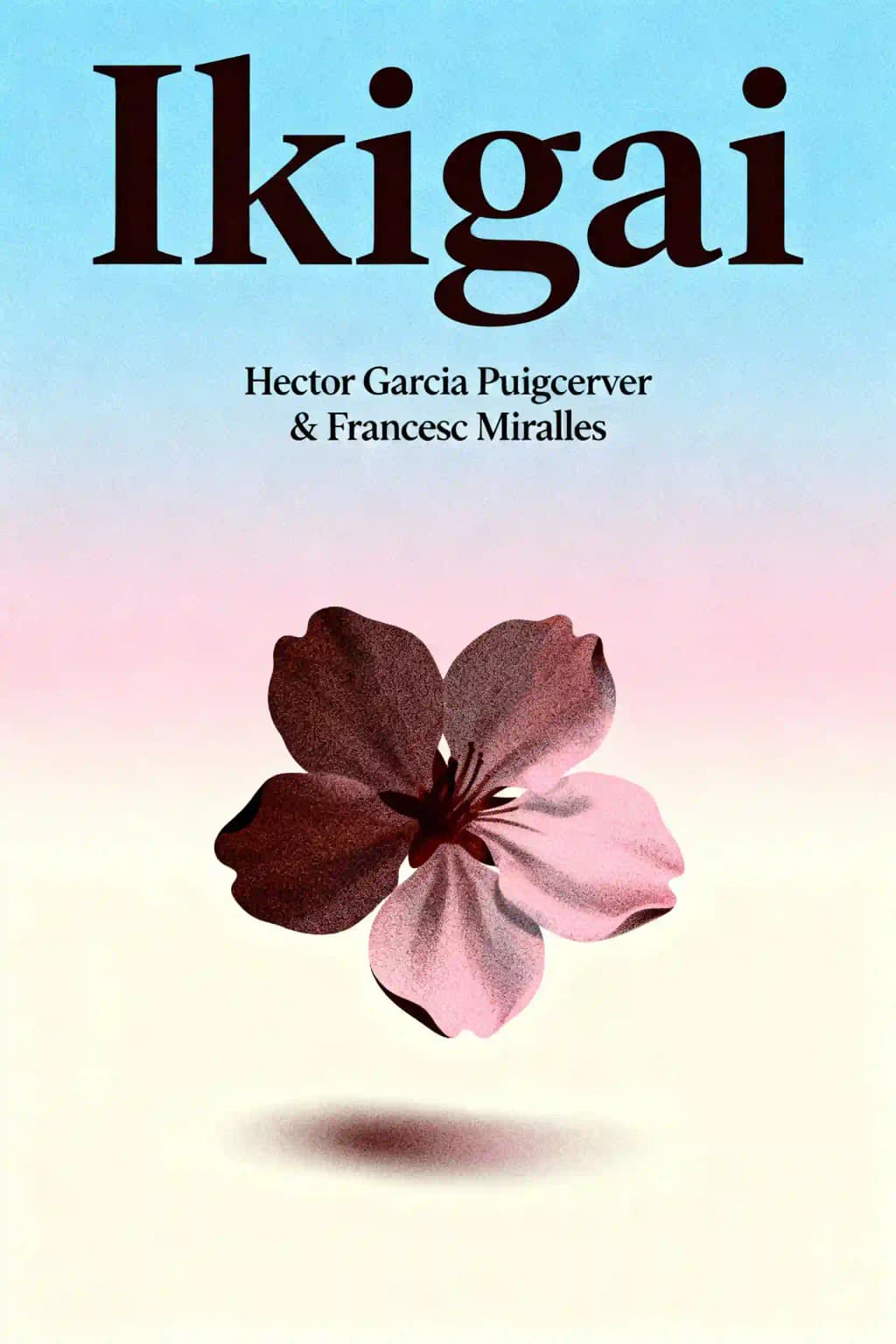
In a small village on the Japanese island of Okinawa, centenarians wake each morning with a clear sense of purpose that propels them through their day. This concept-ikigai-roughly translates to "the happiness of always being busy" and might explain why Japan boasts the world's highest life expectancy. While Western cultures embrace retirement as the ultimate reward for decades of work, many Japanese people never truly retire, continuing to do what they love well into their 90s and beyond. The mysterious power of ikigai captured international attention when researchers discovered Okinawa has more centenarians than anywhere else on earth. What makes this concept so powerful that it could contribute to such extraordinary longevity? Hector Garcia and Francesc Miralles were so intrigued by this question that they traveled to Ogimi, nicknamed "the Village of Longevity," to uncover the secrets of the world's longest-living people. Their findings reveal that while diet, rest, and exercise matter, the heart of these centenarians' joie de vivre is their ikigai-their reason for being-that gets them out of bed each morning with satisfaction, happiness, and meaning.
第2章
Understanding Ikigai: The Japanese Secret to a Long and Happy Life
At its core, ikigai represents something every person possesses, though many are still searching for theirs. According to Okinawans from the island with the world's highest concentration of centenarians, ikigai is what motivates them to greet each new day. Having a clearly defined purpose brings satisfaction, happiness, and meaning to life-something increasingly recognized by longevity researchers worldwide.
The concept is so fundamental in Japanese culture that there's no equivalent to the Western notion of "retirement" as permanently leaving the workforce. As National Geographic researcher Dan Buettner discovered, many Japanese people remain remarkably active after their official retirement age, continuing their life's work as long as their health permits.
What's particularly fascinating is that studies suggest a strong sense of community and clearly defined ikigai may be even more important than the healthful Japanese diet. Medical examinations of centenarians from Okinawa reveal they suffer fewer chronic illnesses, maintain better vitality, have fewer free radicals (partly due to drinking tea and practicing "hara hachi bu"-eating until only 80% full), maintain higher sexual hormone levels, and experience significantly lower rates of dementia.
This connection between purpose and physical health isn't just philosophical-it's measurable. Researchers have found that Okinawans' focus on ikigai gives them daily purpose that contributes significantly to their health and extraordinary longevity. When compared with other regions where people live exceptionally long lives-the so-called Blue Zones-Okinawa consistently ranks first, with scientists identifying purpose in life as one of the key factors alongside diet, exercise, and strong social ties.
The social aspect of ikigai manifests through "moai"-informal groups with common interests who look after one another. These groups originated during challenging times when farmers would share best practices and help each other through meager harvests. Members make monthly contributions that fund group activities, with surplus money rotating to different members. This system provides both emotional and financial stability-if someone faces financial trouble, they can receive advances from the group savings. This profound sense of belonging and support increases life expectancy in ways that modern medicine is only beginning to understand.
第3章
The Anti-Aging Secrets of the World's Longest-Living People
For over a century, human life expectancy has increased by approximately 0.3 years annually. Some futurists like Ray Kurzweil and Aubrey de Grey believe we're approaching "aging's escape velocity"-a point where technology could add one year of life expectancy per calendar year, theoretically achieving biological immortality. Other scientists maintain we'll hit biological limits around 120 years when cells stop regenerating. But what can we learn from those who've already mastered the art of longevity?
The classic saying "mens sana in corpore sano" ("a sound mind in a sound body") highlights the essential interconnection between mental and physical health. Research consistently shows that maintaining an active, adaptable mind is crucial for staying young. A youthful mindset drives healthier lifestyle choices that slow aging, while lack of mental exercise, like physical inactivity, negatively affects our neurons and overall wellbeing.
Mental exercise creates new neural connections and revitalizes the brain. Stepping outside your comfort zone, learning new things daily, playing games, and maintaining social interaction are essential anti-aging strategies for the mind. Equally important is managing stress, which significantly contributes to premature aging as the body wears down faster during periods of crisis.
Studies show that stress triggers immune responses that damage healthy cells and weaken telomeres, accelerating cellular aging. While our stress response evolved to help us survive immediate dangers, modern humans experience constant low-level stress that proves harmful over time. This sustained state of emergency affects memory neurons and inhibits hormone release, leading to irritability, insomnia, anxiety, and high blood pressure.
Mindfulness offers a powerful method for reducing harmful stress by focusing on the present moment and becoming conscious of automatic responses. Through practices like meditation, breathing exercises, yoga, and body scans, we can train ourselves to filter information and reduce stress. Interestingly, research by Dr. Howard Friedman shows that small doses of stress can actually be beneficial-people who maintained low levels of stress while facing challenges lived longer than those with completely relaxed lifestyles.
Sedentary behavior also contributes to numerous diseases like hypertension and obesity that affect longevity. Prolonged sitting reduces muscular and respiratory fitness while increasing appetite. Studies link physical inactivity to distorted telomeres in the immune system, accelerating cellular aging. Simple lifestyle changes can counter this: walking at least twenty minutes daily, taking stairs instead of elevators, participating in social activities, replacing junk food with fruit, getting proper sleep, playing with children or pets, and consciously replacing harmful habits with positive ones.
Sleep generates melatonin, a powerful antioxidant hormone that strengthens the immune system, protects against cancer, promotes insulin production, slows Alzheimer's onset, and helps prevent osteoporosis and heart disease. Since melatonin production decreases after age thirty, we can compensate through balanced diet, moderate sun exposure, adequate sleep, and avoiding stress, alcohol, tobacco, and caffeine-all of which inhibit melatonin production.
The mind powerfully influences how quickly the body ages. Research shows people who live longest share two traits: positive attitude and high emotional awareness. A stoic approach-maintaining serenity during setbacks-lowers anxiety and stress while stabilizing behavior. Many centenarians have faced difficult lives but approached challenges positively without being overwhelmed. As Alexander Imich, once the world's oldest living man at 111, noted: "The life you live is equally or more important for longevity" than good genes.
第4章
Finding Purpose: From Logotherapy to Ikigai
Viktor Frankl's logotherapy offers a fascinating bridge between Western psychology and the Eastern concept of ikigai. Unlike psychoanalysis, where patients lie down and tell things "hard to say," in logotherapy, patients sit up straight and hear things "hard to hear." The approach helps people discover their life's purpose to confront neuroses and find meaning-something Frankl believed was humanity's primary motivational force.
Frankl's insights were forged in the crucible of Auschwitz, where he realized that one's attitude remains the last human freedom that cannot be taken away. His Vienna clinic study found that 80 percent of participants believed humans need a reason for living, and 60 percent felt they had something worth dying for.
Logotherapy differs from psychoanalysis in key ways: it looks forward instead of backward; focuses on purpose rather than pleasure; includes spiritual dimensions; addresses existential neuroses; deals with conflicts as they arise; is compatible with faith; and aims to help patients find meaning rather than merely satisfying impulses.
Existential frustration occurs when life lacks purpose, but Frankl views this not as mental illness but as beneficial "spiritual anguish" that motivates positive change. He cites Nietzsche: "He who has a why to live for can bear with almost any how." Our health depends on the natural tension between our accomplishments and future goals. Modern existential crises arise when people follow others' expectations rather than their own desires, sometimes leading to "Sunday neurosis" when weekend emptiness reveals inner void.
Frankl's team found that 55 percent of patients experienced some degree of existential crisis. According to logotherapy, discovering one's purpose helps fill this void. Frankl himself, having faced tremendous adversity and turned objectives into actions, could look back on his life with peace in old age, knowing he had lived for something meaningful.
In concentration camps, prisoners with the strongest survival rates were those with compelling reasons to live. Frankl himself exemplified this-when his manuscript containing his life's work was confiscated at Auschwitz, his determination to rewrite it gave him purpose amid horror. Even while suffering from typhus, he would jot fragments of his lost work on scraps of paper, driven by this meaningful goal.
Around the same time logotherapy emerged in the West, Zen Buddhist psychotherapist Shoma Morita developed his own purpose-centered therapy in Japan. While Western therapies focus on controlling emotions, Morita therapy teaches patients to accept emotions without trying to control them, believing feelings change through actions rather than thoughts. The therapy doesn't aim to eliminate symptoms but teaches acceptance of anxieties and worries.
Morita therapy rests on three principles: 1) Accept your feelings without trying to control them-like weather, emotions can't be predicted or controlled, only observed; 2) Focus on what you should be doing rather than eliminating symptoms, learning through action rather than intellectualizing; 3) Discover your life's purpose by taking charge of daily actions while accepting uncontrollable emotions-the key to which is finding your ikigai.
Both logotherapy and Morita therapy connect to the personal mission of finding your ikigai-your existential fuel. Once discovered, maintaining the right path requires courage and consistent effort.
第5章
The Flow State: Where Time Disappears and Purpose Emerges
Finding flow-that state of complete immersion in an activity where time vanishes-is essential to discovering your ikigai. As Aristotle noted, "We are what we repeatedly do. Excellence, then, is not an act but a habit." Our daily activities shape who we become, and mindful engagement can transform ordinary tasks into extraordinary experiences.
Flow occurs when we're completely absorbed in an activity-like skiing down a perfect slope where past and future disappear, leaving only the present moment. In this state, described by Bruce Lee as "Be water, my friend," our ego dissolves as we become one with what we're doing. Time perception changes dramatically: hours pass unnoticed during enjoyable activities while unwanted tasks make minutes feel endless. Understanding when we experience this state helps reveal our ikigai.
Psychologist Mihaly Csikszentmihalyi's research on "flow" examines complete immersion in activity-the state where "nothing else seems to matter" and the experience itself becomes the reward. Finding happiness and living according to your ikigai requires maximizing time spent in flow rather than pursuing immediate pleasures. This optimal experience transcends age and culture, appearing identically in New York and Okinawa, among chess players, mathematicians, and surgeons. When we flow, our mind achieves order through focused, undistracted attention.
According to researcher Owen Schaffer, achieving flow requires: knowing what to do, knowing how to do it, knowing how well you're doing, knowing where to go, perceiving significant challenges, perceiving significant skills, and being free from distractions.
To achieve flow, select tasks that challenge your skills without overwhelming them. Activities too simple for your abilities lead to boredom and apathy, while those far beyond your capabilities create frustration and anxiety. The ideal path lies in tasks aligned with our abilities but just challenging enough to stretch us. As Hemingway said, "Sometimes I write better than I can."
Having a clear, concrete objective is also crucial. Games and sports naturally facilitate flow because they have explicit objectives and rules. In contrast, many work environments suffer from unclear goals. Having a compass pointing to a concrete objective is more valuable than a detailed map with no destination. Before beginning any task, we should ask ourselves specific questions about our objectives-how many words to write, what to achieve in the studio, what our team's mission is. However, once we begin, we must be present in the moment rather than obsessing over the end goal.
Multitasking is perhaps the greatest obstacle to achieving flow in today's technology-saturated world. Studies show that people who multitask are actually less productive, make more mistakes, and remember less. Our brains can take in millions of bits of information but can only process a few dozen per second. To achieve flow, we need a distraction-free environment and control over what we're doing.
Japanese culture embodies the principle of flow through intense dedication to tasks. From the ganbaru (perseverance) mindset to the meticulous attention to detail in everyday transactions, Japanese people often apply themselves with near-obsession to their work. Takumis-master artisans with specialized manual skills-represent this dedication in its purest form. At Toyota, irreplaceable takumis craft specific components by hand. In Kumano, a master brush maker sorts bristles with such focus and precision that her hands appear to dance.
Japanese artisans, engineers, Zen philosophy and cuisine share a common thread: sophisticated simplicity with meticulous attention to detail. This isn't lazy simplicity but rather a refined approach that constantly pushes boundaries according to one's ikigai. The documentary "Jiro Dreams of Sushi" showcases this through master sushi chef Jiro, who has prepared sushi daily for over eighty years. Despite Michelin recognition, they maintain their small restaurant serving just ten patrons at a time-prioritizing flow over expansion.
Even routine tasks can become enjoyable through what Csikszentmihalyi calls "microflow." In Tokyo, an elevator operator transforms her repetitive job into an elegant performance with graceful movements and songlike greetings. When bored, humans naturally add complexity to entertain themselves-like doodling during lectures. Bill Gates washes dishes nightly, finding relaxation by following his own systematic approach. Physicist Richard Feynman happily performed mundane tasks like buying office supplies or painting walls when not engaged in complex scientific work. Our ability to transform routine tasks into moments of microflow is essential to daily happiness.
第6章
Wisdom from the Masters of Longevity
Supercentenarians-people who live beyond 110 years-offer invaluable insights into extraordinary longevity. With worldwide life expectancy rising, their wisdom provides guidance for those aspiring to live both long and purposefully.
Misao Okawa, who lived 117 years and 27 days until April 2015, was the world's oldest verified person. When asked about her longevity secret, she simply credited eating sushi and sleeping well, along with her zest for life, saying: "Eat and sleep, and you'll live a long time. You have to learn to relax."
Maria Capovilla of Ecuador lived to 116 years and 347 days, leaving behind three children, twelve grandchildren, and many great and great-great-grandchildren. Her secret to longevity was simple: "I've never eaten meat in my life." At 107, she still enjoyed dancing the waltz and making crafts.
Jeanne Calment of France, the oldest verified person in history at 122 years, lived a remarkably unrestricted life. She rode a bicycle until 100, lived independently until 110, and only stopped smoking at 120 when cataracts made it difficult. Her sense of humor remained intact-on her 120th birthday she quipped, "I see badly, I hear badly, and I feel bad, but everything's fine."
Walter Breuning lived to 114, spanning three centuries. His longevity secrets included eating only two meals daily and staying active-"If you keep your mind and body busy, you'll be around a long time." He exercised daily even at 112 and maintained a helpful attitude toward others. Unafraid of death, he told reporters, "We're all going to die. Never be afraid to die. Because you're born to die."
Beyond supercentenarians, many elderly artists who never retire offer inspiration for bringing meaning to life. The Japanese artist Hokusai, who lived to 88, wrote that he only "somewhat began to understand the structure of true nature" at 73, expecting to penetrate "the mystery of things" by 90 and reach a "marvelous degree" by 100.
Many artists continue working into advanced age, driven by their ikigai. Actor Christopher Plummer, working at 86, expressed the desire to "drop dead onstage." Manga artist Osamu Tezuka's last words while drawing were "Please, just let me work!" Filmmaker Frederick Wiseman at 86 explained his intense work ethic simply: "My friends are either dead or are still working." Painter Carmen Herrera sold her first canvas at 89 and at nearly 100 still lived day by day, "always waiting to finish the next thing."
Japan boasts the world's highest life expectancy due to healthy diet, preventive healthcare, strong community bonds, and remaining active throughout life. The cultural emphasis on having an ikigai-a purpose guiding one to create beauty and utility for oneself and community-appears central to Japanese longevity, especially in places like Okinawa.
第7章
The Village Where People Forget to Die
To study Japan's longest-living people, the authors traveled to Ogimi, known as the Village of Longevity, where time seems suspended in an endless present moment. After flying from Tokyo to Naha and driving two hours along Route 58 past the sea and Yanbaru forests, they reached Ogimi-a town without a clear center, its nearly 3,200 residents hidden among green jungle vegetation.
In Ogimi, community drives everything. The town operates through volunteer work rather than money, with the local government assigning tasks so everyone feels useful. Residents like 88-year-old Yuki, who still drives, maintain vegetable gardens and buy fish from lifelong friends. When asked about longevity secrets, Yuki insisted, "Food won't help you live longer. The secret is smiling and having a good time." Though lacking bars and having few restaurants, Ogimi enjoys rich social life through seventeen neighborhood community centers, each with leaders overseeing culture, festivals, social activities, and longevity.
Celebrations are essential to Ogimi life. The authors joined residents playing gateball-a popular low-impact sport played with mallet-like sticks that provides exercise and social interaction regardless of age. During their visit, they lost to a 104-year-old woman, prompting cheers and laughter from the community.
Okinawa's main religion, Ryukyu Shinto, blends Chinese Taoism, Confucianism, Buddhism, and Shintoism with shamanistic and animistic elements. Residents believe the world contains infinite spirits-of homes, forests, trees, and mountains-that must be appeased through rituals at sacred sites. Unlike mainland Japan's Shintoism, women hold spiritual superiority in Okinawa, with female mediums called yuta connecting with spirits. Ancestor worship remains important, with most firstborn homes containing a butsudan altar for offerings.
Every person possesses a mabui-an immortal essence or spirit constituting their life force. Sometimes a deceased person's mabui becomes trapped in a living person, requiring a separation ritual, particularly when someone dies suddenly or young. Mabui can transfer between people through physical contact, such as when a grandmother passes a ring to her granddaughter, or through photographs.
The authors' experience in Ogimi revealed a community of elders who were constantly busy with important tasks yet maintained a remarkable sense of calm and purpose-pursuing their ikigai without rushing. The villagers embodied Washington Burnap's principles for happiness: "something to do, something to love, and something to hope for."
After interviewing one hundred elderly Ogimi residents about their life philosophy and longevity secrets, the authors distilled their wisdom into five key principles: (1) Don't worry-keep your heart young and open with a smile; (2) Cultivate good habits-from morning gardening to daily exercise; (3) Nurture friendships daily through conversation and community; (4) Live an unhurried life-staying busy but relaxed; and (5) Be optimistic-laugh often and maintain a positive outlook.
The villagers share common lifestyle elements: all maintain vegetable gardens, belong to neighborhood associations, celebrate frequently with music and dance, have clear purposes without taking life too seriously, honor traditions, approach tasks with passion, practice yuimaaru (mutual support), and stay productively engaged.
第8章
Eating Your Way to 100: The Ikigai Diet
Japan boasts the world's highest life expectancy (85 for men, 87.3 for women) and highest ratio of centenarians (over 520 per million people). While Japan overall has impressive longevity, Okinawa exceeds the national average despite having suffered greatly during WWII. Okinawa's distinction comes partly from being Japan's only province without trains (requiring more walking) and the only one successfully limiting salt intake below the government's recommendation of 10 grams daily.
Okinawa's remarkably low cardiovascular disease mortality rate is attributed to its distinctive diet, extensively documented by cardiologist Makoto Suzuki and researchers Bradley and Craig Willcox. Key principles include extraordinary dietary variety (centenarians regularly consume 206 different foods), daily consumption of at least five servings from seven types of fruits and vegetables, grain-based foundations (primarily rice), minimal sugar intake (one-third of mainland Japan), lower salt consumption (7g vs 12g), and fewer daily calories (1,785 vs 2,068).
The 80 percent rule-eating until you're almost but not completely full-is fundamental to Okinawan longevity. This practice, dating back to 12th-century Zen Buddhism, is implemented through smaller portion sizes served on multiple small plates rather than large courses. Calorie restriction without malnutrition is one of the most effective ways to extend life, reducing IGF-1 (insulin-like growth factor 1) levels and protecting against numerous diseases including obesity, diabetes, inflammation, and cardiovascular conditions.
Okinawans regularly consume fifteen antioxidant-rich foods that neutralize cell-damaging free radicals: tofu, miso, tuna, carrots, goya (bitter melon), kombu (sea kelp), cabbage, nori (seaweed), onion, soy sprouts, hechima (cucumber-like gourd), soybeans, sweet potato, peppers, and sanpin-cha (jasmine tea).
Okinawans drink an average of three cups daily of sanpin-cha-a blend of green tea and jasmine flowers that reduces blood cholesterol, lowers heart attack risk, strengthens immunity, relieves stress, and lowers cholesterol. While this specific blend might be hard to find outside Okinawa, jasmine or high-quality green tea offers similar benefits.
Green tea, consumed in China for millennia, retains its active elements through air-drying without fermentation. Its health benefits include controlling cholesterol, lowering blood sugar, improving circulation, providing flu protection, promoting bone health, fighting bacterial infections, protecting against UV damage, and offering cleansing effects.
Shikuwasa, Okinawa's signature citrus fruit (primarily produced in Ogimi), contains forty times more nobiletin (an antioxidant-rich flavonoid) than oranges. This extremely acidic fruit, tasting between lime and mandarin, protects against arteriosclerosis, cancer, type 2 diabetes, and obesity while providing vitamins C and B1, beta carotene, and minerals.
For Westerners seeking anti-aging foods, experts recommend: vegetables like broccoli and chard (rich in water, minerals, and fiber); oily fish such as salmon and tuna (containing fat-based antioxidants); citrus fruits, strawberries, and apricots (excellent vitamin sources that eliminate toxins); berries like blueberries and goji berries (rich in phytochemical antioxidants); dried fruits (providing vitamins, antioxidants, and energy); grains like oats and wheat (energy and minerals); olive oil (skin-benefiting antioxidants); and moderate red wine consumption (antioxidant and vasodilatory properties).
第9章
Moving Toward Longevity: Gentle Exercise for a Longer Life
Studies from Blue Zones reveal that longevity correlates more with consistent movement throughout the day rather than intense exercise. Even Ogimi residents in their eighties and nineties remain highly active-walking, gardening, and socializing rather than sitting idle. They don't visit gyms but incorporate constant movement into their daily routines.
According to expert Gavin Bradley, metabolism slows 90% after just 30 minutes of sitting, with good cholesterol dropping 20% after two hours. Simply standing up for five minutes can restart these processes. While city dwellers may struggle to incorporate natural movement, Eastern disciplines offer proven alternatives for body-mind balance that promote health and longevity without requiring intense workouts-perfect for aging individuals.
Radio taiso, a pre-WWII Japanese morning exercise routine, promotes group unity and is practiced by 30% of Japanese people-including nearly all Ogimi residents interviewed. These five-to-ten-minute routines, performed in groups at schools and businesses, focus on dynamic stretching and joint mobility. Though seemingly basic, exercises like raising arms above the head address modern sedentary habits where such movements are rare compared to our ancestors' tree-gathering activities.
Yoga, popular in both Japan and the West, unites mind and body through poses adaptable for almost anyone. Originating in India millennia ago, "yoga" derives from Sanskrit for "yoke," binding body and mind together. Its objectives include connecting with human nature, purification, and spiritual growth.
Tai chi (t'ai chi ch'uan/taijiquan), a Chinese martial art with Buddhist and Confucian roots, was originally created for self-defense and personal growth. The Chinese government later promoted it as a health exercise, making it accessible to all. Master Yang Chengfu's ten principles for tai chi practice include: focusing energy at the crown of the head; tightening chest while expanding back; relaxing the waist as a guide; understanding weight distribution; relaxing shoulders for free movement; valuing mental agility over physical strength; unifying upper and lower body; synchronizing mind, body and breath; maintaining fluid movement; and finding stillness within movement.
Qigong combines "qi" (life force) with "gong" (work) to cultivate vital energy through static and dynamic exercises. Scientific studies confirm qigong's numerous benefits: modified brain waves, balanced hormones, lower heart attack mortality, reduced blood pressure, increased bone density, improved circulation, slowed senility symptoms, enhanced bodily function, increased brain blood flow, better cardiac function, and reduced cancer treatment side effects.
Proper qigong requires regulating five aspects: Tyau Shenn (body posture with firm grounding), Tyau Shyi (calm, steady breathing), Tyau Hsin (emptying the mind), Tyau Chi (allowing life force to flow naturally through the previous elements), and Tyau Shen (regulating spirit as both strength and root).
第10章
Finding Beauty in Imperfection: Resilience and Wabi-Sabi
Resilience-the ability to face life's challenges without letting stress age us-is essential for pursuing one's ikigai through hardships. It means staying focused on meaningful goals rather than urgent matters, maintaining flexibility during reversals of fortune, and concentrating on controllable factors while accepting what cannot be changed.
Resilient people adapt to change without discouragement, concentrating on what they can control rather than worrying about what they cannot-embodying the wisdom of Reinhold Niebuhr's Serenity Prayer that asks for grace to accept unchangeable things, courage to change what should be changed, and wisdom to distinguish between them.
Both Buddhism and Stoicism offer paths to emotional resilience despite their different origins. Buddha abandoned both palace wealth and extreme asceticism to find a middle path, while Zeno founded Stoicism after leaving the ascetic Cynics. Both philosophies teach controlling negative emotions rather than eliminating all feelings. They emphasize enjoying life's pleasures mindfully without becoming enslaved by them, cultivating virtuous emotional control rather than suppressing all desires.
Human desires can be insatiable-we constantly seek better jobs, possessions, or relationships. Stoics believed these endless pursuits weren't worth chasing, instead aiming for apatheia (tranquility): freedom from negative emotions like anxiety and fear, replaced by positive feelings like happiness and gratitude. They practiced negative visualization, imagining worst-case scenarios without worrying about them.
Stoicism teaches distinguishing between what we can and cannot control, as worrying about uncontrollable matters accomplishes nothing. As Epictetus said, "It's not what happens to you, but how you react that matters." Similarly, Zen meditation helps observe thoughts and emotions without being carried away by them, training the mind to avoid negative reactions.
Both Buddhism and Stoicism emphasize living in the present moment-the only time we can truly control. Instead of worrying about past or future, we should appreciate things as they are now. The Stoics, like Marcus Aurelius, reflected on impermanence, comparing loved ones to leaves that could fall with any gust of wind. This awareness of impermanence shouldn't make us sad but help us love the present moment more deeply.
Wabi-sabi, the Japanese concept of finding beauty in imperfection and impermanence, contrasts with Western ideals of symmetry and permanence. The Japanese value irregular teacups because only imperfect, incomplete things truly resemble nature. Similarly, ichi-go ichi-e ("this moment exists only now") reminds us each encounter is unique and unrepeatable.
Nassim Nicholas Taleb introduces "antifragility" for things that grow stronger when harmed, unlike merely resilient things that withstand harm unchanged. To become antifragile, create multiple income streams rather than relying on a single salary. The same principle applies to friendships and relationships-those who cultivate diverse connections and interests can better withstand personal losses.
To build resilience, we need to identify and eliminate what makes us fragile. Rather than just adding new challenges to our lives, we should set "good riddance" goals: stopping snacking between meals, eating sweets only once weekly, paying off debt, avoiding toxic people and obligatory activities we don't enjoy, and limiting social media time. With an antifragile attitude, every setback becomes an opportunity for growth.
第11章
The Art of Living: Ten Rules of Ikigai
The epilogue introduces Mitsuo Aida, a renowned 20th-century calligrapher and haikuist who dedicated his life to his specific ikigai: communicating emotions through seventeen-syllable poems using shodo calligraphy. His poems emphasize the importance of the present moment, with messages like "In the here and now, the only thing in my life is your life," "Here, now," and "Happiness is always determined by your heart."
Though our ikigai differs for each of us, we all search for meaning. When connected to what matters to us, we live fully; when disconnected, we feel despair. Modern life increasingly estranges us from our true nature, making meaningless lives easy to fall into. But our intuition and curiosity serve as powerful internal compasses. We should follow what we enjoy and avoid what we dislike, keeping busy with activities that bring meaning and happiness-whether it's being good parents or helping neighbors.
The Okinawans teach us not to worry excessively about finding our ikigai. "Life is not a problem to be solved. Just remember to have something that keeps you busy doing what you love while being surrounded by the people who love you."
The authors conclude with ten rules distilled from the wisdom of Ogimi's long-living residents:
1. Stay active; don't retire-keep doing valuable things even after your official career ends.
2. Take it slow-being in a hurry diminishes quality of life.
3. Don't fill your stomach-eat 80 percent of your hunger for longevity.
4. Surround yourself with good friends-they're the best medicine for living fully.
5. Get in shape for your next birthday-keep your body maintained and moving.
6. Smile-a cheerful attitude helps make friends and reminds us of life's privileges.
7. Reconnect with nature regularly.
8. Give thanks daily to ancestors, nature, friends, and family.
9. Live in the moment-today is all you have.
10. Follow your ikigai-if you haven't found it yet, your mission is to discover it.
Once you discover your ikigai and nurture it daily, your life gains meaning, bringing a happy state of flow to everything you do-like a calligrapher at his canvas or a chef who prepares sushi with love after half a century.