第1章
Unlocking the Healing Power of Words: A Revolutionary Approach to Trauma
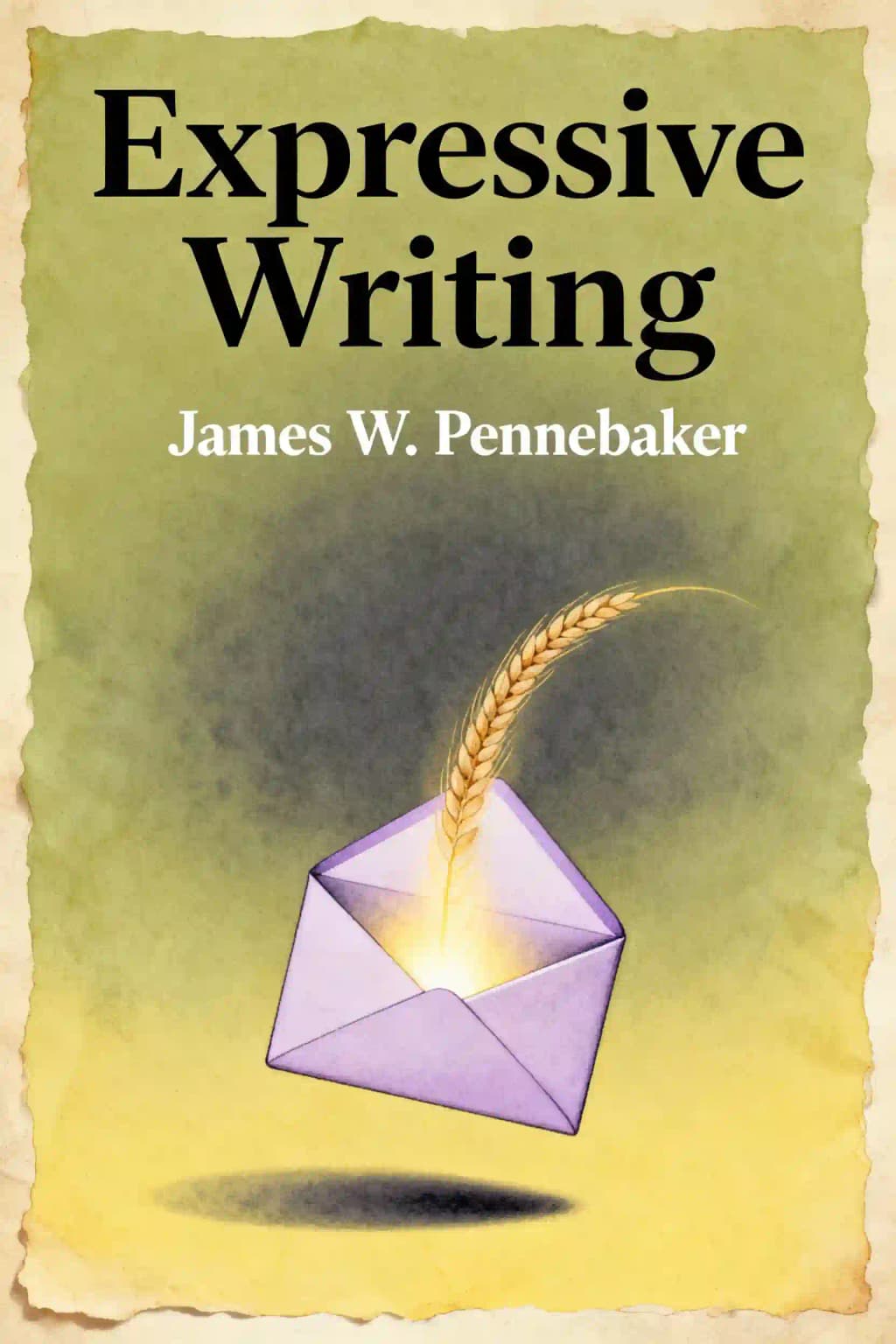
Have you ever felt like your emotions were trapped inside, causing physical and mental distress? According to groundbreaking research by James Pennebaker, the simple act of writing about difficult experiences for just 20 minutes a day can dramatically improve your health. This isn't just positive thinking-it's science. Pennebaker's research shows that people who write about trauma visit doctors 43% less frequently than control groups, experience improved immune function, and report greater happiness over time. The technique has been embraced by healthcare systems worldwide, with celebrities like Lady Gaga and Oprah Winfrey publicly advocating for expressive writing as part of their mental health toolkits. What makes this approach so powerful is its accessibility-it requires no special skills, costs nothing, and works across cultures, languages, and educational backgrounds. Perhaps most surprisingly, the people who often benefit most are those who typically struggle to express emotions: men and individuals with hostile personalities.
第2章
The Science Behind Writing as Medicine
Why does putting pen to paper about difficult experiences yield such profound health benefits? The answer lies in what happens when we keep secrets. Pennebaker's groundbreaking research revealed that people who hadn't disclosed childhood traumas visited doctors 40% more often than those who had. When we suppress emotional experiences, our bodies remain in a state of heightened stress that compromises immune function and increases vulnerability to illness. This physiological burden manifests in elevated cortisol levels, muscle tension, and disrupted sleep patterns.
Expressive writing works through multiple interconnected mechanisms. First, it provides emotional catharsis-releasing pent-up feelings reduces the physiological strain of holding them inside, much like releasing pressure from a valve. Second, writing helps us construct coherent narratives from chaotic experiences, making them more manageable cognitively. For example, someone processing a divorce might move from fragmented, emotional thoughts to a more organized understanding of the relationship's evolution. Third, it allows us to gain perspective on our experiences, often leading to insights about ourselves and others involved. This distance can transform overwhelming emotions into manageable stories.
The biological benefits are remarkable and well-documented across numerous studies: enhanced immune function (measured through increased T-helper cell counts), reduced blood pressure (averaging drops of 5-10 points), improved lung function in asthma patients (up to 20% improvement in some cases), and decreased pain in arthritis sufferers. Behaviorally, expressive writing improves working memory by up to 25%, boosts academic performance with grade improvements averaging half a letter grade, and increases job-seeking success by 40%. While writing initially makes most people feel sad or upset, these negative feelings typically subside within an hour, and the long-term emotional trajectory shows decreased anxiety and greater happiness, with effects lasting up to six months after the writing exercise.
What's particularly fascinating is that expressive writing works best when it incorporates both emotional expression and cognitive processing. Analysis of thousands of writing samples shows that the most beneficial writing contains a moderate amount of negative emotion words (hate, hurt, angry) - typically 2-3% of total words - with increasing positive emotion words (love, happy, grateful) across sessions, and growing use of causal words (because, reason) and insight words (understand, realize) that indicate the construction of a meaningful story. This combination of emotional release and cognitive restructuring appears to be the magic formula for healing. Studies show that participants who naturally increase their use of cognitive processing words across writing sessions show the greatest improvements in both physical and mental health outcomes.
The timing and structure of writing sessions also matter. Research indicates that writing for 15-20 minutes over 3-4 consecutive days produces optimal results, allowing enough time for both emotional processing and narrative development. This "dosage" appears to be universal across cultures and demographics, suggesting a fundamental human mechanism at work in the writing-healing connection.
第3章
Setting the Stage for Transformative Writing
The context of your writing-when, where, and how you write-significantly influences its effectiveness. Creating the right conditions can mean the difference between a powerful healing experience and a frustrating exercise.
When choosing a topic, focus on what keeps you awake at night or occupies your thoughts during the day. Trust your intuition about which issues feel most pressing, but remember the "Flip-Out Rule": if writing about a particular topic feels overwhelming, choose something else. Write only about conscious experiences, not repressed memories that you can't clearly recall.
Timing matters both in terms of when to write relative to a trauma and when to write during your day. Writing too soon after a traumatic event (within 2-3 weeks) may be overwhelming, while writing about ongoing or past traumas is generally appropriate. Choose a period when you'll have time for reflection afterward-weekends or vacations often work well. Some people find early morning writing particularly effective, capturing thoughts before the conscious mind fully engages, while others prefer bedtime writing as a way to process the day's events. Research shows that bedtime writing can actually improve sleep quality by helping "download" worries from your mind.
Your writing environment should feel secure and comfortable. Create a personal ritual that signals to your brain it's time to write deeply-perhaps lighting a candle, playing specific music, or sitting in a special place. Some find that writing in front of a mirror increases self-awareness and honesty, while others prefer writing in nature or spiritual settings where they feel protected enough to lower their defenses.
Remember that expressive writing works best as an occasional "life-course correction" rather than a daily habit. Unlike routine journaling, which shows no clear health benefits and may become repetitive, expressive writing is most effective when used strategically during periods of emotional upheaval or when you feel stuck in processing past experiences.
第4章
The Four-Day Writing Journey
The standard expressive writing protocol involves writing for at least twenty minutes daily over four consecutive days, with each day having specific goals that progressively deepen your exploration.
On Day One, focus on exploring the traumatic event itself and your initial feelings about it. Write continuously without concern for spelling, grammar, or structure, examining how this event has affected your relationships, work, health, self-perception, and future outlook. After writing, complete a brief questionnaire to track how the exercise affected you emotionally.
Day Two involves digging deeper, examining how the trauma connects to other aspects of your life. Consider questions like: How did this experience shape your choices? What patterns emerged in its aftermath? How might your life be different if this hadn't happened? Many people find themselves revealing things on the second day that they weren't ready to confront initially.
Day Three encourages examining the experience from different perspectives. How might others involved view what happened? What broader social or cultural factors influenced the situation? This shift in viewpoint often generates important insights and emotional distance from the trauma.
Day Four focuses on wrapping everything into a meaningful story for the future. Stand back and reflect on what you've disclosed, tying up loose ends and creating closure. Consider what you've learned, lost, and gained from this upheaval, and how these past events might guide your future choices.
After completing all four days, take time-ideally several days or weeks-to reflect on your experience. Document specific changes in your feelings and behaviors, such as improved mood, better sleep, reduced physical pain, healthier habits, less rumination, improved relationships, better focus, or greater sense of meaning. Analyzing your writing can reveal important patterns: Did your handwriting become more expressive across sessions? Did you use more insight and causal words as you progressed? Did your perspective shift from primarily "I" statements to include others' viewpoints? These linguistic changes often correlate with greater healing.
第5章
Breaking Through Mental Blocks and Resistance
Many people encounter mental blocks when attempting to write about emotional experiences-staring at blank pages or producing writing that feels false or inadequate. These blocks typically stem from excessive self-criticism, with an internal censor demanding perfect or artistic writing. This internal critic often manifests as a voice insisting that our words aren't good enough, that we're exposing too much, or that others will judge our thoughts harshly. Such resistance can be particularly intense when dealing with traumatic memories, personal failures, or deeply held fears.
Stream of consciousness writing offers a powerful antidote to this self-censorship. This technique involves placing thoughts and feelings on paper exactly as they occur, writing continuously without filtering or judging. As William James, an early psychology pioneer, observed: every thought is personal with meaning to the thinker; thoughts are sensibly continuous like a stream; we can consciously think of only one thing at a time; and it's meaningful to explore both what we think about and what we actively avoid thinking about. The key is maintaining momentum - setting a timer for 10-15 minutes and writing without stopping, even if you must write "I don't know what to write" repeatedly until authentic thoughts emerge.
When blocked about a specific topic, try topical stream of consciousness writing, which directly addresses the problem of writing itself. Start with prompts like "I'm sitting here unable to write about..." or "This topic is arousing emotions including..." These meta-reflections often prime the pump, leading naturally into the actual topic as resistance diminishes. Other useful prompts might include "What I'm most afraid to say is..." or "If I could write anything without consequences, I would say..." These entry points help circumvent the conscious mind's defensive barriers.
For particularly difficult subjects, semi-automatic writing can bypass conscious resistance. Unlike paranormal "automatic writing," this simply involves writing without looking at what you're writing-by turning off your computer monitor, draping a cloth over your hand, or looking away. By clearing your mind and writing without conscious attention to the process, you may access topics you're avoiding or not deeply aware of. This technique works particularly well for processing grief, anger, or shame - emotions we often intellectually acknowledge but emotionally avoid.
Remember that resistance itself contains valuable information. If you're struggling to write about something, ask yourself why. What feels threatening about exploring this topic? What might happen if you fully acknowledged these feelings? Sometimes the most important insights emerge from examining our reluctance to confront certain experiences or emotions. Consider keeping a separate "resistance journal" where you document and explore your blocks, treating them as guideposts rather than obstacles. Notice patterns in what triggers your resistance - certain relationships, memories, or future fears - as these patterns often reveal core themes requiring attention.
The goal isn't to eliminate resistance but to work with it productively. View your internal censor as a protective mechanism that can be gently acknowledged and negotiated with rather than fought against. Regular practice with these techniques gradually builds trust in the writing process and confidence in handling difficult material.
第6章
Finding Light in Darkness: Writing to Appreciate the Good
Research consistently shows that people who can express positive emotions while writing about tragedies benefit most from expressive writing. This isn't about false happiness or platitudes, but about accessing deeper feelings of love, meaning, and contentment that often coexist with pain. Studies from leading trauma researchers demonstrate that individuals who can maintain this dual awareness - acknowledging both the pain and potential positive aspects - show greater psychological resilience and faster emotional recovery.
One powerful approach involves writing about negative experiences while incorporating positive emotion words (like love, joy, peace, trust) without being dishonest about the experience. For example, when writing about a painful breakup, you might acknowledge the love that existed alongside the hurt, or recognize how the experience revealed your capacity for deep connection. A person might write: "Though the relationship ended painfully, I'm grateful for the moments of pure joy we shared and how it taught me to love more deeply." This balanced perspective helps process both the loss and the growth.
Another technique focuses on finding benefits in misfortune. People who can identify meaning or growth from difficult experiences cope better with trauma. This writing approach involves describing a negative experience and then exploring any benefits that emerged-greater self-understanding, changes in life direction, or personal growth-while remaining honest about the pain experienced. For instance, someone dealing with a serious illness might write about how it strengthened family bonds or led to a renewed appreciation for life's simple pleasures.
Perhaps most challenging but potentially transformative is writing about forgiveness. For victims, writing about forgiving perpetrators can help release anger and bitterness, though it may initially feel like letting injustice slide. This process often begins with acknowledging the full scope of harm done before gradually exploring possibilities for releasing resentment. For those who've caused suffering, writing acknowledgments of harm done helps recognize one's role in others' pain. Both exercises involve deeply examining the event, emotions, and perspectives of all involved, often through structured writing prompts that guide reflection on both the impact of actions and the humanity of all parties involved.
These approaches don't diminish the reality of trauma but expand our understanding of it. By recognizing that even the darkest experiences contain elements of light-lessons learned, strengths discovered, connections deepened-we begin to integrate these events into our life story in ways that foster resilience rather than ongoing victimization. Research shows that people who can find meaning in their suffering often experience post-traumatic growth, developing greater emotional depth, wisdom, and capacity for connection with others who have faced similar challenges.
The key lies in allowing both the darkness and the light to coexist in our narratives, acknowledging that our most painful experiences often contain seeds of transformation and growth. Through careful, honest writing that honors both the difficulty and the potential for healing, we can gradually reshape our relationship with past traumas while building greater emotional resilience for the future.
第7章
Crafting Your Story: The Power of Narrative
Research consistently demonstrates that people derive the greatest therapeutic benefit from writing about trauma when they construct a coherent narrative of their experience. This process of story-building serves as a powerful psychological tool for organizing chaotic memories and emotions into meaningful patterns. A well-crafted story traditionally encompasses several key elements: a detailed description of the setting (including specific time, location, and contextual details that help ground the narrative), the main characters involved (their relationships, motivations, thoughts, and emotional states), a clear and sequential description of the event itself (including the precipitating factors and how the situation evolved), both immediate and long-term consequences, and perhaps most crucially, the deeper meaning behind the story (personal insights gained, life lessons learned, and how the experience shaped future perspectives).
To develop this narrative skill, consider implementing a structured two-step process: Begin with a ten-minute freewriting exercise about a recent conflict or challenging situation, allowing thoughts and emotions to flow naturally without concern for organization or coherence. This initial draft often captures raw emotional content and unconscious perspectives. After completing this first version, take time to step back and reflect - perhaps a few hours or even a day. Then, deliberately reconstruct the same event as a coherent narrative, carefully incorporating all essential story elements as if explaining the situation to someone unfamiliar with your life. This second version typically feels more controlled and less emotionally volatile, providing improved structure and resolution while making the experience feel more contained and manageable.
When dealing with significant traumas, multiple writing sessions may be necessary to effectively transform the experience into a coherent narrative. After completing initial expressive writing sessions about the trauma, focus on crafting subsequent versions with clear structural elements - a defined beginning that sets the stage, a middle section that details the core conflict or challenge, and a resolution that provides closure. Pay particular attention to articulating the meaning derived from the experience and any positive outcomes or growth opportunities that emerged. Continue rewriting until the narrative feels well-organized and you notice yourself becoming somewhat detached or even bored with the story - this emotional distance often indicates successful processing of the event's emotional impact.
The editing and rewriting process serves as a powerful tool for distilling what's truly significant about the experience in relation to your current life circumstances. As you revise your narrative, consider several key questions: Which aspects of this story continue to resonate and influence your present situation? What elements that once seemed crucial now appear less significant with time and perspective? How has your understanding and interpretation of this event evolved since it occurred? This iterative process helps transform raw emotional experiences into coherent, meaningful narratives that can serve as resources for growth rather than sources of ongoing distress. Through careful crafting and revision, your story becomes an asset you can consciously utilize rather than an unconscious force that controls your responses to life.
第8章
Creative Approaches: Fiction, Poetry, Movement, and Art
While traditional expressive writing focuses on direct disclosure of personal experiences, creative approaches can sometimes access emotions that prose cannot reach. These alternative methods can be particularly valuable for those who find direct writing about trauma too overwhelming or for accessing different dimensions of emotional experience. Creative expression often bypasses our natural psychological defenses, allowing deeper access to buried feelings and memories.
Fiction writing offers a surprising path to healing by providing emotional distance while maintaining psychological engagement. Research by Melanie Greenberg found that participants who wrote fictional accounts of trauma showed significant health improvements, including reduced stress hormones and improved immune function. The fictional framework creates a protective buffer that allows deeper exploration of difficult emotions. Try selecting an unfamiliar traumatic scenario-like a house fire, accident, or betrayal-then writing about it as if it personally happened to you. Create detailed sensory descriptions, develop characters with complex emotional responses, and explore multiple perspectives. This approach allows processing emotional themes of loss, betrayal, and rage through a safer, more detached perspective while still engaging with difficult feelings.
Poetry captures emotional contradictions that prose sometimes cannot through its unique ability to compress language and bypass logical constraints. Its therapeutic potential comes from its ability to distill complex feelings into concentrated form while employing metaphor, rhythm, and imagery to express what might otherwise feel inexpressible. Try immersing yourself in a meaningful poem to absorb its rhythm and emotion, noting specific phrases or images that resonate with your experience. Then transform your own personal experience into poetry without concern for rhyme or structure-simply allowing feelings to crystallize into words. Use concrete images to convey abstract emotions and experiment with line breaks to control pacing and emphasis.
Combining nonverbal expression with writing produces enhanced healing effects by engaging both body and mind in the processing of experience. While dance, music, or art therapy alone helps people feel better temporarily, adding language processing afterward solidifies long-term cognitive changes and helps integrate the emotional experience. Try finding a private space to move freely for ten minutes, expressing through bodily movement what cannot be said in words about a significant emotional experience. Notice where you feel tension, release, or emotion in your body. Afterward, write for at least ten minutes about what your body revealed that you might not have consciously known, paying particular attention to physical sensations and their emotional correlates.
Similarly, visual arts can access deeper emotions through color, form, and symbolic representation. Spend ten minutes drawing or doodling to express an emotionally significant event, using colors and shapes that intuitively feel right. The drawing can be abstract or concrete-artistic skill is irrelevant. Pay attention to the pressure you use, the shapes that emerge, and any recurring patterns or symbols. Follow this with written reflection, describing both the process and any insights that emerged. The crucial element is following the creative expression with writing to provide structure and long-term benefits to the emotional experience, helping to integrate the nonverbal insights into conscious awareness.
第9章
Building a Complete Healing Practice: The Six-Week Program
The Transform Your Health: Writing to Heal program created by John Evans builds progressively from personal expressive writing toward creating a legacy of resilience. Each week introduces a different writing approach, expanding your emotional toolkit while deepening your relationship with yourself and others.
Week One focuses on the foundational expressive writing technique, guiding you through four days of writing about personal trauma. Many participants describe a transformation in perspective through this process-from victim to understanding, from anger to compassion, from sorrow to gratitude.
Week Two introduces transactional writing-formal yet deeply personal letters addressing the emotional aspects of your life. Options include writing a compassionate letter to someone experiencing similar trauma, an empathetic letter attempting to understand someone involved in a distressing event, or a gratitude letter thanking someone for their positive influence. Participants report profound effects from these exercises, often experiencing "a greater sense of calmness and closure" after addressing unresolved emotional business.
Weeks Three and Four explore poetic and narrative writing, expressing the human condition through figurative language and story structures. These creative approaches often bypass intellectual defenses, allowing deeper emotional truths to emerge. Participants frequently express surprise at how enjoyable and liberating these exercises feel, noting how structured prompts remove anxiety about writing poetry and allow thoughts to "freely flow with the prompts serving as stepping stones."
Week Five shifts to affirmative writing, focusing on positive aspects of life and self-reflection using first-person, present-tense language to describe desired outcomes as if they're already achieved. This practice helps clarify values, create commitment through written intentions, and generate energy by making goals concrete and achievable.
The program concludes with legacy writing-documenting life experiences, values, and wisdom to share with others. This practice answers questions about what we've valued most, our purpose, and how we've navigated life's challenges. Participants often find writing blessings for others particularly healing, especially for challenging relationships, and discover core values through reflecting on how they wish to be remembered.
Together, these practices create a comprehensive approach to emotional healing through writing. By engaging with different techniques, you discover which methods resonate most strongly with your personal style and needs, building a customized toolkit for processing life's challenges through the transformative power of words.