第1章
The Gut Revolution: Eat More, Live Better
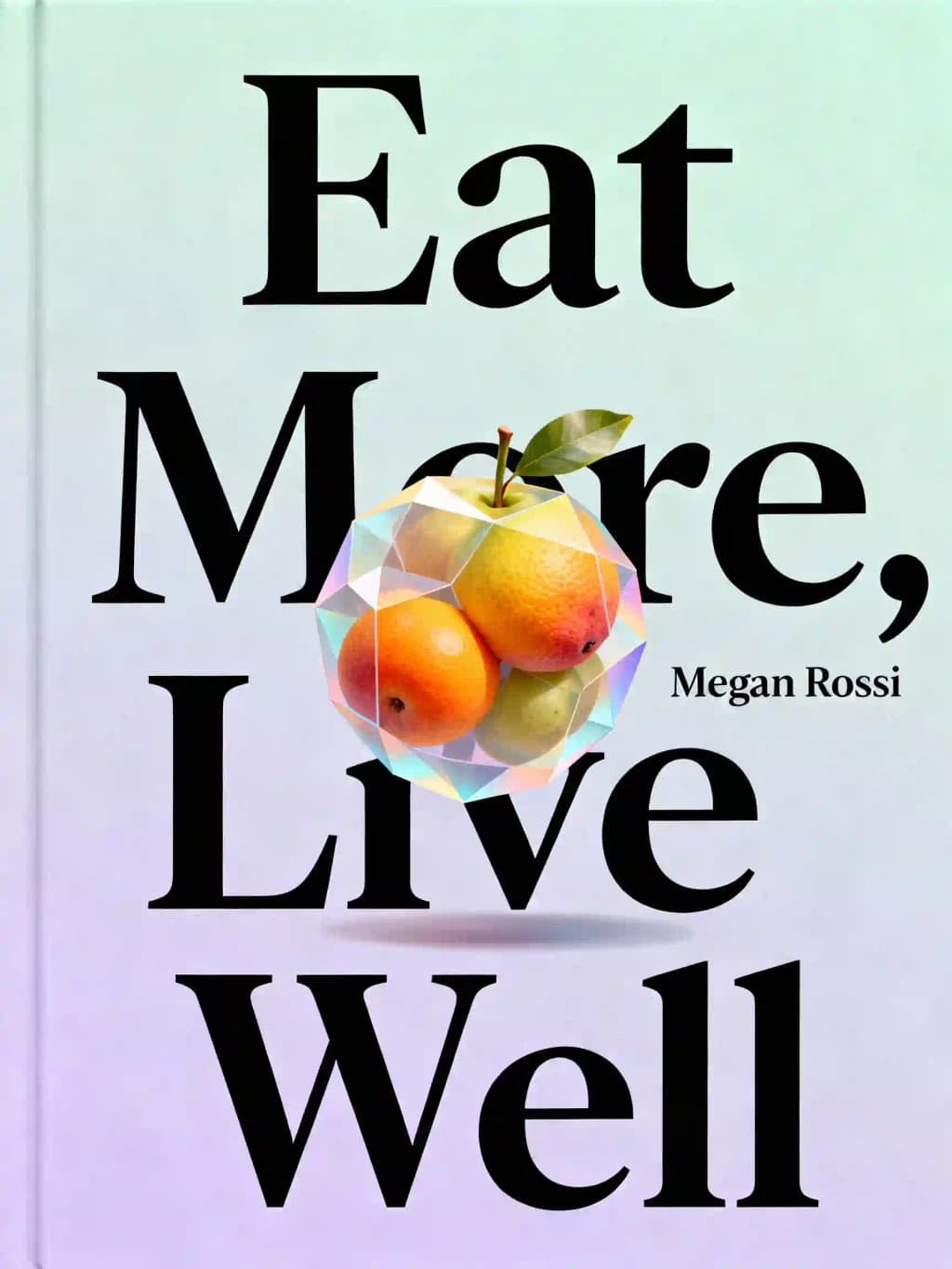
When Dr. Megan Rossi's "Eat More, Live Well" hit shelves, it quickly became the go-to resource for anyone interested in improving their health through food. Unlike restrictive diets that leave you feeling deprived, Rossi's approach-endorsed by celebrities like Cameron Diaz and praised by medical professionals worldwide-focuses on abundance rather than limitation. The book has sparked a quiet revolution in how we think about nutrition, shifting focus from calorie-counting to nourishing our internal ecosystem. As gut health emerges as the cornerstone of overall wellness, Rossi's evidence-based "Diversity Diet" stands out in a sea of fad diets by celebrating one simple principle: the more diverse your plant intake, the better your health outcomes. But why has this approach resonated so deeply with millions seeking sustainable health improvements? The answer lies in its liberating message-eat more, not less.
第2章
Redefining Plant-Based Eating for Optimal Health
Plant-based eating has been wildly misunderstood. When most people hear "plant-based," they imagine bland salads, giving up their favorite foods, and a life of culinary restriction. But that's not what it means at all. The "based" in plant-based is the clue-it simply means making plants the foundation of your diet, not necessarily the entirety of it.
This approach exists on a spectrum, from veganism (avoiding all animal products) to flexitarianism (eating mostly plants with occasional animal products). Research, including the influential "planetary health plate" studies, suggests that including some animal foods can actually help prevent nutritional deficiencies. The key insight isn't about eliminating food groups-it's about diversity.
Your gut microbiota-those trillions of microorganisms living along your digestive tract-are natural foodies that thrive on variety. Think of them as an internal ecosystem, where each type of beneficial bacteria performs different functions. When you eat the same limited range of foods day after day, you're essentially starving certain beneficial bacterial populations while overfeeding others, creating imbalance.
Fiber is the backbone of this approach. There are nearly a hundred different types of fiber found in various plant foods, and each feeds different gut bacteria. These fibers aren't just about keeping you regular-they bind to compounds that lower cholesterol, prevent blood-sugar spikes, and feed your gut microbiota, which produces beneficial short-chain fatty acids that influence everything from immunity to brain health.
The only "rule" of the Diversity Diet is to aim for 30 different types of plant foods weekly. This includes wholegrains, fruits, vegetables, nuts, seeds, legumes, herbs, and spices. It sounds ambitious but becomes surprisingly manageable when you start counting. That morning oatmeal with berries, nuts, and cinnamon? That's already four plant points before you've even finished breakfast.
The six principles that guide this approach are refreshingly simple: 1) Make plants the base of your diet; 2) Aim for 30+ plant points weekly; 3) Choose whole, minimally processed plants; 4) Focus on inclusion not exclusion; 5) Taste, pause, and enjoy your food; 6) Cultivate community through shared meals.
If you're not naturally drawn to plants, remember that taste preferences can change. Our taste buds regenerate every ten days, and repeated exposure to foods can transform our palates. Those bitter vegetables you hated as a child? Try them prepared differently-garlic-roasted broccoli bears little resemblance to the soggy version many of us endured growing up. With patience and persistence, your food preferences can evolve, opening up a world of flavors that benefit both your health and the planet's.
第3章
The Plant Universe: More Diverse Than You Think
When we think of plant foods, most of us picture a limited selection of fruits and vegetables. But the plant kingdom offers far more variety than we typically realize. Plant-based foods encompass all parts of plants and their products: roots like carrots and ginger; leaves and stems like spinach and chard; fruits including citrus, berries, and apples; wholegrains such as barley, oats, and millet; nuts and seeds like almonds, cashews, and sesame; plus everything made from them.
This broader perspective transforms plant-based eating from feeling restrictive to becoming an adventure in culinary exploration. The "Super Six" categories-wholegrains, fruits, vegetables, nuts and seeds, legumes, and herbs and spices-all count toward your weekly plant-point goals. Different-colored varieties count as separate points, and fresh, dried, and tinned plants all qualify.
However, not all plant foods are created equal. The quality matters as much as the quantity. Researchers have developed the plant-based diet index (PDI) to distinguish between "healthy" whole plant foods (hPDI) and "unhealthy" processed plant options (uPDI). Studies of over 200,000 people showed those eating high-quality plant foods had 25% lower heart disease risk, while those consuming primarily processed plant foods had 32% higher risk. This reinforces a core principle: "Go for whole, not refined."
Each plant group offers beneficial nutrients including macronutrients (carbohydrates, proteins, fats) and essential micronutrients (vitamins and minerals). While supplements are available, they're no substitute for whole foods. Plant nutrients work in synergy-one helping another to be absorbed-alongside different types of fiber.
Beyond these familiar nutrients, plants contain tens of thousands of phytochemicals that give them color, flavor, aroma, and texture. These plant chemicals offer numerous benefits: antioxidant powers that protect against free radicals; hormone regulation; barrier protection against pathogens; immune support; and brain messenger functions. While not essential for survival, phytochemicals help us thrive rather than merely survive.
Consider a single apple-it contains around 300 different phytochemicals and some 100 million bacteria. With over 7,500 apple varieties worldwide, each offers different nutrient profiles. Interestingly, imperfect or "wonky" fruit often contain more phytochemicals because they've faced more stress, producing more beneficial compounds in response.
Many people worry about protein when considering plant-based eating, but this concern is largely unfounded. While animal products provide "complete" proteins containing all nine essential amino acids, plant-based eaters can easily meet protein needs through variety. Studies show vegans and vegetarians get plenty of protein, contrary to outdated stereotypes. The key is combining different plant sources-any mix of wholegrains and legumes will provide complementary amino acids.
The traditional "5-a-day" guideline ignores the trillions of microbes in our gut that thrive on plant diversity. Make your "journey to 30" fun by tracking plant points, involving family or colleagues, and seeing every meal as an opportunity to try something new. There are thousands of plants and flavors waiting for you and your gut microbes to discover.
第4章
The Health Crisis and Plant-Based Solutions
We face a collective health crisis that's becoming impossible to ignore. Mental health issues affect one in six people, diabetes diagnoses have doubled in twenty years, and inflammatory conditions like allergies and autoimmune diseases are increasing rapidly. From 1993 to 2018, the percentage of people at "very high" risk of developing diet-related chronic disease doubled.
While humans are living longer, these extra years are often spent managing multiple diseases. Six in ten people live with a chronic disease, and four in ten have two or more. In 2017 alone, approximately 11 million deaths were attributed to poor diet.
The good news? About 80% of chronic disease risk comes from environmental factors we can influence, particularly through diet. Less than 20% of chronic diseases are purely genetic-meaning most can be prevented or managed through lifestyle choices. Our gut microbiome diversity provides protection against "inflammageing," making it a revolutionary target for improving health.
Despite having access to 300,000 edible plant species, over half our global energy needs come from just four plants: rice, potatoes, wheat, and maize. This limited diet has become normalized, but science, rising chronic disease rates, and our ancestors' eating patterns tell a different story.
Diversifying plant intake offers four key benefits: First, it lowers the risk of nutritional deficiencies, as each plant provides different essential nutrients. Second, it creates greater food pleasure through varied tastes, textures, and aromas, which is linked to longevity and better digestion. Third, it provides better overall nutrition through nutrient teamwork, where consuming one nutrient helps absorption of another. Finally, it supports a more diverse gut microbiome, as varied plant nutrients support a wider range of beneficial microbes.
Strategic food pairings can significantly boost nutrient absorption. Fat increases lycopene absorption from tomatoes, protecting skin from sun damage. Vitamin C enhances non-haem iron absorption from plant foods. Black pepper increases curcumin absorption from turmeric by 2,000%. Vitamin D improves calcium absorption by 50%. These simple combinations maximize the nutritional benefits of plant foods through natural synergies.
Food sensitivities are increasingly common, but restrictive diets often exacerbate the problem. Your gut microbiome adapts to what you eat, and a diet low in plant diversity reduces your ability to digest plants effectively. When your microbiome lacks diversity, you lose the enzymes needed to break down different fibers. The solution isn't permanent elimination but gradual reintroduction and building tolerance through exposure.
About a quarter of prescribed medications worldwide derive from plants, including aspirin (willow bark), morphine (poppies), digoxin (foxgloves), and quinine (cinchona tree). While food shouldn't replace prescribed medicine, plant-rich diets can significantly impact health management and disease prevention. By optimizing our gut microbiome through plant diversity, we not only improve our own health but potentially benefit future generations, as some of our microbiome is inherited just like our genes.
第5章
The Gut-Body Connection: How Plants Transform Health
The Diversity Diet offers both immediate and long-term benefits. You'll experience instant gratification through new flavors and textures, followed by improved digestion, more energy, and reduced bloating. Over time, you'll notice better sleep, clearer skin, fewer aches and pains, and more balanced hormones-all thanks to your well-nourished gut microbiome.
The gut communicates with your body through three main pathways: the immune system, nervous system, and circulatory system. These connections explain how what you eat affects seemingly unrelated aspects of your health.
The gut-brain connection is maintained through the enteric nervous system (ENS)-a network of hundreds of millions of nerves often called the "second brain." Recent science has revealed our gut microbiome as the potential controller of this relationship. Research shows disruption along the gut-brain axis is associated with conditions including stress, depression, anxiety, IBS, autism, schizophrenia, Parkinson's, and Alzheimer's.
Evidence suggests your gut microbiome could predict depression risk and recovery. The landmark SMILES trial demonstrated that people with moderate to severe depression who followed a Mediterranean diet full of plant-based diversity were four times more likely to be in remission after twelve weeks compared to the control group. Foods particularly beneficial for the gut-brain axis include oily fish, blueberries, rosemary, cauliflower, pumpkin seeds, mixed legumes, chamomile tea, Brazil nuts, extra virgin olive oil, and filtered coffee.
There's also a two-way conversation between our microbes and skin. Both gut and skin defend against pathogens, house microbial communities where diversity matters, and constantly renew themselves. Most gut-skin communication happens via the immune system-an unbalanced gut microbiome triggers inflammation, which underlies many skin conditions including eczema, rosacea, acne, psoriasis, dermatitis, and premature aging.
Polyphenols-beneficial plant chemicals that rely on our gut microbiome for absorption-improve aging appearance. One study showed cocoa polyphenols reduced facial wrinkles and improved elasticity after 24 weeks compared to placebo. Foods that boost your gut-skin axis include green tea, dark chocolate, soy, tomatoes, sunflower seeds, walnuts, citrus fruits, cabbage, sweet potato, and avocados.
About 70 percent of our immune cells reside in the gut alongside our microbiome, in constant communication. The gut microbiome "trains" our immune cells from birth, teaching them what to react to (like pathogens) and what's safe (like food proteins). A disturbed microbiome leads to poorly trained immunity that overreacts to innocent substances (causing allergies and autoimmune conditions) and underreacts to genuine threats like viruses.
Evidence shows altering our gut microbiome increases resistance to viruses, particularly common cold and flu. A 2015 Cochrane review found specific probiotics reduced upper respiratory tract infections by 47% and shortened illness duration by nearly two days compared to placebo. Foods that support your gut-immune axis include walnuts, garlic, sun-exposed mushrooms, firm tofu, carrots, oranges, wheat berries, chia seeds, turmeric, and broccoli.
The gut microbiome also plays a crucial role in making and regulating hormones. Our gut microbes can influence circulating estrogen levels through an enzyme called beta-glucuronidase, which can recycle inactive estrogen back into active form. Gut dysbiosis negatively impacts estrogen levels, potentially contributing to conditions like polycystic ovary syndrome, endometriosis, infertility, and breast cancer. Foods that support hormonal balance include edamame beans, cinnamon, almonds, flaxseed, cauliflower, Brussels sprouts, fermented dairy, quinoa, bananas, and dark green leafy vegetables.
Finally, there's a clear connection between our gut microbiome and metabolism that goes beyond simple calorie counting. Gut microbes produce chemicals like short-chain fatty acids (SCFAs) when digesting plant fiber, which help regulate appetite by suppressing hunger hormones like ghrelin and increasing satiety hormones like leptin. Different microbes vary in their ability to harvest energy from food, potentially explaining why some people gain weight more easily than others.
第6章
Busting Myths About Plant-Based Eating
Calorie counting is deeply ingrained in diet culture, but it's fundamentally flawed. Food labels are inaccurate because laboratory calorie measurements don't reflect actual human digestion-almonds, for example, provide 30% fewer calories than labeled. Whole foods have a higher thermogenic effect than processed foods, burning more calories during digestion. Studies show people eating ultra-processed foods gain more weight than those eating whole foods with identical macronutrient profiles.
The food matrix in whole plants-containing fiber and water-creates greater satiety than processed alternatives. This explains why an apple is more filling than apple sauce or juice. Food is more than just calories; it contains thousands of nutrients and phytochemicals that benefit health in countless ways beyond energy provision.
While "halo foods" like peanut butter and avocado have rightfully earned their healthy reputations for containing beneficial nutrients, they shouldn't be consumed exclusively or excessively. The key principle remains diversity-enjoying these foods in moderation while incorporating a wide variety of other plant foods.
Simply excluding animal products doesn't guarantee optimal gut health. What matters is the quality and diversity of plant foods consumed. Many mainstream vegan convenience foods are ultra-processed, containing soy protein isolates and additives that may disrupt gut microbiota. While a vegan diet can be healthy, relying on highly processed meat alternatives doesn't provide the same benefits as whole plant foods.
Vegans face challenges getting certain essential nutrients primarily found in animal foods. These include calcium, iron, zinc, vitamin B12, iodine, selenium, choline, and long-chain omega-3 fatty acids. That's why a plant-based rather than exclusively vegan diet is generally recommended. Vegans should supplement with B12 (at least 10 micrograms daily) and algae-derived DHA/EPA (about 250 milligrams daily), while focusing on nutrient-rich foods.
Despite the perception of plant-based eating being costly, everything recommended in this approach is available from mainstream supermarkets, local greengrocers, farmers' markets, or corner shops. Studies show that grocery costs actually decrease over time when transitioning to plant-based eating. Four key strategies can make plant-based eating affordable: 1) Buy seasonal produce, which costs about half the price of out-of-season options; 2) Bulk out meat dishes with legumes, which are significantly cheaper protein sources; 3) Prevent food waste by using "fridge raid" recipes for wilting vegetables and freezing excess produce; 4) Prepare your own snacks rather than buying expensive pre-made options.
Relying on supplements and meal-replacement shakes isn't equivalent to eating whole foods. While certain supplements like vitamin D are beneficial in specific circumstances, most store-bought vitamins are unnecessary and potentially harmful. Isolated nutrients can be dangerous in high doses or interact with medications, whereas nutrients in whole foods come in safe, balanced amounts within their natural food matrix.
The Diversity Diet isn't about restriction but enrichment-adding plants alongside your favorites rather than eliminating foods you love. By incorporating more plant diversity, you'll discover new flavors that become favorites while still enjoying occasional indulgences.
第7章
Practical Tools for Plant-Based Success
Transitioning to the Diversity Diet becomes easier with practical strategies. Quick switches include replacing crisps with toasted nuts or roasted vegetable peels; substituting flour in fruit crumbles with oats and ground almonds; using mixed beans instead of just kidney beans in chili; choosing mixed berries over single fruits; and selecting seedy crackers instead of plain ones.
Build habits by adding extras to every meal, exploring new plant foods monthly, stocking frozen produce, trying different cuisines weekly, and considering local farm deliveries. Easy additions involve using herbs and spices generously, adding extra vegetables to recipes, creating seed shakers for toppings, growing windowsill herbs, and experimenting with new wholegrains and legumes.
Stock your pantry with diverse ingredients organized by category: Flours and powders (almond, rye, spelt, wholewheat); Wholegrains (barley, buckwheat, freekeh, quinoa, sourdough); Fruits and sweeteners (dried fruits, dark chocolate, frozen berries); Nuts and seeds (Brazil nuts, cashews, chia, flaxseed, nut butters); Preserved vegetables (capers, frozen vegetables, jackfruit, seaweed, olives); Herbs and spices (chili, cinnamon, cumin, garlic, ginger); Condiments (coconut milk, miso paste, nutritional yeast); Legumes (various beans, chickpeas, tofu); and Oils and vinegars (balsamic, olive oil, sesame oil).
Expand your grain repertoire with options like buckwheat (not wheat-related) with its robust, earthy flavor; freekeh, a roasted ancient wheat with smoky flavor; spelt with its nutty depth; quinoa, technically a seed but used like a grain; wheat berries containing all three layers of the wheat kernel; rye with less impact on blood sugar; and red rice, colored by anthocyanins linked to brain health.
Experiment with legumes like cannellini beans (white kidney beans from Italy) with their fluffy texture and nutty flavor; black-eyed peas, visually distinctive beans considered lucky in some cultures; and pinto beans, popular in the United States, with their soft, nutty flavor perfect for mashing.
To maximize nutrient retention when cooking plants, use minimal water for poaching and boiling, and don't peel vegetables until after cooking-or better yet, leave the peels on for extra fiber. When rushed, microwave root vegetables with a splash of water before baking to reduce cooking time. Prepare double or triple batches of roasted vegetables to enhance wraps, salads, and sandwiches throughout the week.
When shopping for plant-based foods, don't be misled by front-of-pack health claims. Instead, scrutinize the ingredient list, where items appear from greatest to smallest by weight. Watch for hidden sugars under various names (glucose, dextrose, syrups, nectars). Choose items with whole foods among the first three ingredients, higher fiber content, and minimal salt and added sugars.
Mindful eating-paying attention to why and how we eat-leads to healthier choices and better gut health. Our multitasking culture has normalized eating while distracted, causing us to feel less satisfied and experience more digestive issues. Eating mindfully means being aware without judgment of all physical and emotional sensations while eating, which helps build healthier relationships with previously "banned" foods and activates the "rest and digest" nervous system.
When transitioning to a plant-rich diet, your gut microbes may initially celebrate with some "excitement" (bloating and gas). To minimize discomfort: 1) Build up gradually rather than transforming your diet overnight; 2) Stay hydrated as fiber needs water to perform optimally; 3) Chew high-fiber foods thoroughly (about 20 times per mouthful); 4) Keep physically active; 5) Try gentle yoga stretches; 6) Apply a heat pack to your stomach to support digestion.
Good gut health isn't solely about diet-stress and poor sleep significantly impact digestive wellness. While some stress is beneficial for motivation, chronic stress floods the body with cortisol and disrupts brain-gut communication. Similarly, quality sleep is essential for gut lining regeneration, as studies show just two days of sleep deprivation negatively affects gut microbiota.
第8章
Delicious Diversity: Bringing Plant-Based Eating to Life
The Diversity Diet comes to life through delicious, practical recipes designed for real-world eating. Breakfast options include a quick "Muffin in a mug" with hidden gut-health ingredients providing 9g of fiber per portion with no added sugar; a microwave-friendly "Omelette bowl" combining eggs with vegetables for a quick savory start; and a "Fibre-filled breakfast wrap" delivering an impressive 12g of fiber per portion.
For those with a sweet tooth, "Loaded melon wedges" transform snack time into a family activity where everyone creates their own watermelon masterpiece with berry whip or chocolate hazelnut spread. "Plant wheels" pack impressive plant diversity into a moreish, kid-friendly snack combining dried figs, apricots, nuts, seeds, and coconut. "Ultimate raspberry and white choc muffins" deliver 5.5 plant points per serving by blending white chocolate indulgence with plant-based nutrition.
Light bites include "Garlicky aquafaba aioli" that transforms the often-discarded liquid from tinned chickpeas into a thick, creamy sauce; "Smoky aubergine dip" inspired by baba ghanoush; "No-added-sugar ketchup" packed with diverse plant goodness; and "Seedy cracker duo" with four times more fiber than store-bought cream crackers.
For lunch, try "Beetroot, lentil and goat's cheese salad" providing 14g of fiber per portion; "Sweet jacket potato trio" showcasing the humble sweet potato's remarkable flexibility; or "Chunky veg and feta frittata" suitable for any meal, hot or cold.
Dinner options include "Thai-inspired fishcakes and crunchy salad" celebrating gut-loving omega-3-filled salmon packed with plant flavors and colors; "Smoky beet burger" offering three times more fiber than standard burgers; "Stir-fry adventures" with customizable cultural flavors; and "Mediterranean hug soup" capturing everything great about Mediterranean cuisine while providing nearly half your daily fiber needs.
For dessert, enjoy "Raspberry and lemon ricotta baked cheesecake" featuring a nutritious base made from cooked quinoa, walnuts, and dates; "Trail mix loaf cake" combining eggs, vanilla, ripe bananas and wholemeal flour with nuts, dried fruits, seeds, and grated raw beetroot; or "Cream-less ice cream" requiring no special equipment, cream or added sugar.
Refreshing drinks include "Snickers smoothie bowl" delivering 18g of protein, 10g of fiber and 6.25 plant points while tasting remarkably like a Snickers chocolate bar; "Brain-boosting blueberry smoothie" combining flavonoid-rich ingredients with gut-friendly probiotics; "Microbe-made ginger soda" created through traditional fermentation; and "Frothy cashew latte" skipping traditional nut milk preparation by blending whole cashews directly with hot coffee.
The beauty of these recipes lies in their flexibility-they're designed to work with what you have on hand, encourage experimentation, and make plant diversity an exciting culinary adventure rather than a restrictive chore. Each recipe includes plant point counts and fiber content, helping you track your progress toward 30 weekly plant points while enjoying delicious food that happens to be good for you.
第9章
The Lifelong Journey to Gut Health
The Diversity Diet represents a fundamental shift in how we approach eating-from restriction to abundance, from limitation to exploration. By focusing on including more plants rather than excluding food groups, it offers a sustainable path to better health that works with your lifestyle rather than against it.
The journey to 30 plant points weekly isn't about perfection but progress. Some weeks you'll exceed your goal; other weeks you might fall short. What matters is the overall pattern of increasing plant diversity over time, allowing your gut microbiome to flourish and support your health from the inside out.
This approach acknowledges that we're all different-our microbiomes are as unique as our fingerprints, and what works perfectly for one person might need adjustment for another. That's why the principles are adaptable rather than rigid, offering guidance rather than strict rules.
The connection between gut health and overall wellbeing continues to be validated by emerging research, confirming what traditional food cultures have known for centuries-that diverse, plant-rich diets support vibrant health across generations. By nourishing our internal ecosystem, we're not just improving our own health but potentially influencing the microbiomes we pass on to future generations.
Perhaps the most revolutionary aspect of the Diversity Diet is its simplicity. In a world of complicated eating plans and conflicting nutrition advice, the message "eat more plants, more often, and in more variety" offers clarity and freedom. It's an approach that celebrates food as both pleasure and medicine, recognizing that the most sustainable diet is one that brings joy as well as health.
As you embark on your own journey to greater plant diversity, remember that every meal is an opportunity to nourish your gut microbiome. Whether you're adding an extra vegetable to your usual dinner, experimenting with a new grain, or simply sprinkling mixed seeds on your morning toast, each small change contributes to a healthier internal ecosystem. The path to wellness isn't about restriction-it's about abundance, variety, and the joy of discovering just how delicious good health can taste.