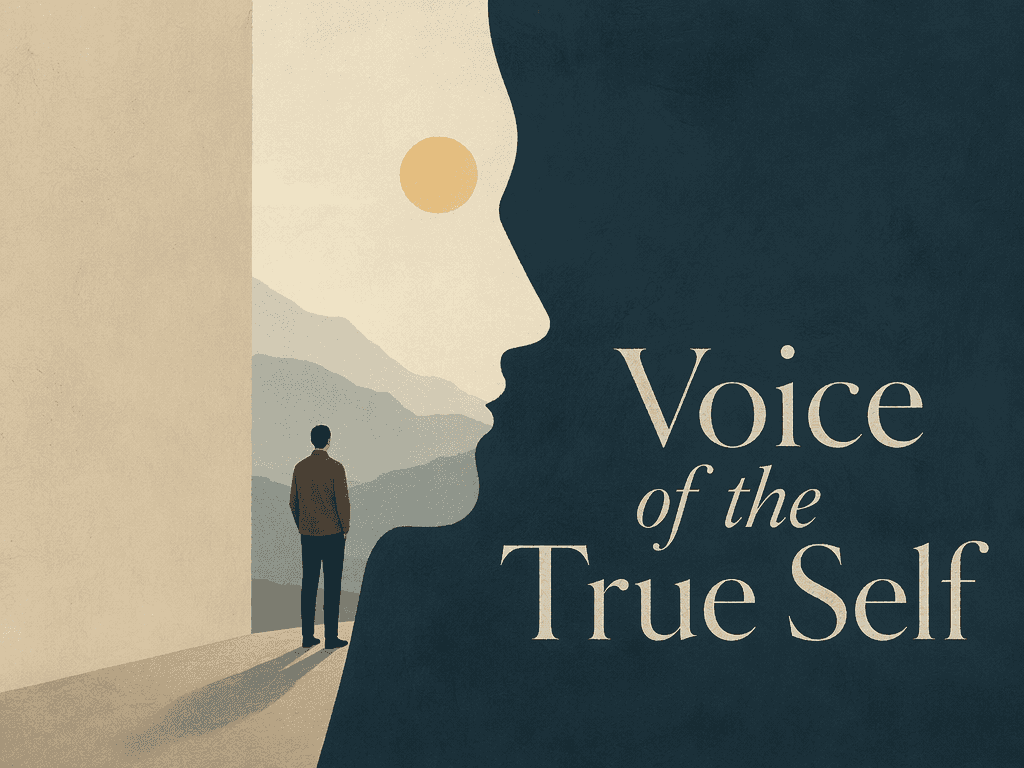
『Become What You Are』の概要
In "Become What You Are," Alan Watts bridges Eastern and Western philosophies, inviting you to embrace your authentic self. Called the "godfather of Zen in America," Watts challenges conventional identity - what if true freedom lies in accepting who you already are?
- The ego is a hallucination separating self from universal consciousness
- True existence unfolds in the eternal Now, not past or future
- Non-duality reveals you’re not in the universe – you are it
- Detachment means flowing with life’s rhythm without forcing outcomes
- Seeking self-improvement perpetuates the ego’s illusion of separateness
- Alan Watts reveals seeking enlightenment reinforces the ego’s illusion
- The Tao can’t be pursued – it’s your natural state of being
- Suffering stems from resisting life’s impermanent, ever-changing nature
- Become What You Are dismantles Western individualism’s false promises
- Your thoughts arise from cosmic consciousness, not isolated selfhood
- Life’s purpose lies in the cosmic dance, not future goals
- Watts’ non-dual philosophy transforms “I have a body” to “I am body-world”
『Become What You Are』の著者について
Alan Wilson Watts (1915–1973) was a groundbreaking British-American philosopher and bestselling author whose Become What You Are distills Zen Buddhism and Taoist principles into accessible insights on self-realization.
A seminal figure in bridging Eastern and Western thought, Watts penned over 25 works, including The Way of Zen and Psychotherapy East and West, which remain foundational texts in spiritual and philosophical studies.
Ordained as an Anglican priest before devoting himself to Zen, he co-founded the American Academy of Asian Studies and gained renown through his KPFA radio lectures, later popularized via public broadcasts and modern platforms like YouTube.
Known for his witty, conversational style, Watts’s talks and books influenced 1960s counterculture and continue to resonate globally. His works have been translated into dozens of languages, with The Way of Zen alone selling millions of copies since its 1957 release.
『Become What You Are』に関するよくある質問
What is Become What You Are by Alan Watts about?
Become What You Are explores Alan Watts' interpretation of Eastern philosophies like Zen Buddhism and Taoism, emphasizing self-realization through non-striving and embracing one’s true nature. The book challenges Western notions of achievement, arguing that fulfillment comes from aligning with life’s spontaneous flow rather than forced self-improvement. Key themes include mindfulness, ego dissolution, and the paradox of effortless living.
Who should read Become What You Are?
This book suits seekers of spiritual growth, fans of Eastern philosophy, and readers questioning societal pressures to “become someone.” It’s ideal for those grappling with existential dissatisfaction or seeking alternatives to goal-oriented self-help. Watts’ accessible style also appeals to newcomers exploring Zen or Taoist principles.
Is Become What You Are worth reading?
Yes, for its timeless insights into overcoming anxiety through acceptance. Watts’ blend of wit and wisdom demystifies complex ideas, making it a standout in spiritual literature. Critics praise its practicality for modern stress, though some find its anti-ambition stance extreme.
What are the key concepts in Become What You Are?
- The “Reverse Law”: Pursuing happiness blocks it; peace comes through detachment.
- Ego as Illusion: Identity is fluid, not fixed.
- Wu Wei: Effortless action aligned with nature.
- Paradox of Change: Self-acceptance precedes growth.
How does Become What You Are compare to The Way of Zen?
While both explain Zen, Become What You Are focuses on practical self-realization, whereas The Way of Zen delves into historical context. The former uses fewer technical terms, making it more accessible for beginners.
What famous quotes come from Become What You Are?
- “You are an aperture through which the universe observes itself.” — Highlights interconnectedness.
- “Trying to define yourself is like trying to bite your own teeth.” — Critiques overthinking identity.
Both emphasize non-dualistic thinking.
How can Become What You Are help with anxiety?
Watts argues anxiety stems from resisting life’s impermanence. By accepting thoughts/emotions without judgment—practicing “being” over “doing”—readers reduce mental friction. This aligns with modern mindfulness techniques.
What critiques exist about Become What You Are?
Some critics argue Watts oversimplifies Eastern traditions for Western audiences. Others note his rejection of ambition clashes with capitalist values, though defenders counter that he advocates purposeful, not passive, living.
How does Become What You Are apply to career growth?
Watts redefines success as aligning work with innate passions rather than external validation. He encourages intuitive decision-making over rigid planning—a concept echoed in today’s “anti-hustle” movement.
Why is Become What You Are relevant in 2025?
Amid AI disruption and burnout culture, its message of authenticity over productivity resonates. The book’s anti-dogmatic approach also appeals to Gen Z’s spiritual-but-not-religious trend.
What metaphors does Alan Watts use in the book?
- “The Wave and the Ocean”: Individuality as temporary expression of the universal.
- “Mirror Mind”: Consciousness reflecting reality without judgment.
These illustrate non-attachment.
Are there audiobook versions of Become What You Are?
Yes, narrated by Watts himself, capturing his iconic cadence. New editions include commentary by modern mindfulness teachers, enhancing accessibility.
著者の声を通じて本を感じる
知識を魅力的で例が豊富な洞察に変換
キーアイデアを瞬時にキャプチャして素早く学習
楽しく魅力的な方法で本を楽しむ
『Become What You Are』の登場人物
- Alan WattsAuthor and philosopher of Eastern thought
- JoshuZen student who questioned his teacher about Tao
- NansenZen teacher who taught about the everyday mind
『Become What You Are』の主要テーマ
- eastern western synthesis
- paradox of self-improvement
- eternal now
- ego dissolution
- non-dual awareness
『Become What You Are』の名言
This, then, is the human problem: there is a price to be paid for every increase in consciousness.
To have faith is to trust yourself to the water. When you swim you don't grab hold of the water, because if you do you will sink and drown. Instead you relax, and float.
When you find out that there was never anything in the dark side to be afraid of... Nothing is left but to love.
So become what you are-not through effort but through recognition of what has always been true.
あなたに合った学び方を探す
 クイックサマリーモード
『Become What You Are』の要約を8分で読む・聴く
『Become What You Are』の核心的なアイデアを分かりやすいポイントに分解し、革新的なチームがどのように創造、協力、成長するかを理解します。

 エンタメモード
『Become What You Are』のレッスンを18分のストーリーで
鮮やかなストーリーテリングを通じて『Become What You Are』を体験し、イノベーションのレッスンを記憶に残り、応用できる瞬間に変えます。
 パーソナライズモード
Become What You Areを自分の学習スタイルで体験
何でも質問し、学習スタイルを選び、自分に本当に響くインサイトを一緒に作れます。
"Instead of endless scrolling, I just hit play on BeFreed. It saves me so much time."


"I never knew where to start with nonfiction—BeFreed’s book lists turned into podcasts gave me a clear path."


"Perfect balance between learning and entertainment. Finished ‘Thinking, Fast and Slow’ on my commute this week."
"Crazy how much I learned while walking the dog. BeFreed = small habits → big gains."
"Reading used to feel like a chore. Now it’s just part of my lifestyle."

"Feels effortless compared to reading. I’ve finished 6 books this month already."
"BeFreed turned my guilty doomscrolling into something that feels productive and inspiring."

"BeFreed turned my commute into learning time. 20-min podcasts are perfect for finishing books I never had time for."
"BeFreed replaced my podcast queue. Imagine Spotify for books — that’s it. 🙌"

"It is great for me to learn something from the book without reading it."
"The themed book list podcasts help me connect ideas across authors—like a guided audio journey."
"Makes me feel smarter every time before going to work"
"Instead of endless scrolling, I just hit play on BeFreed. It saves me so much time."
"I never knew where to start with nonfiction—BeFreed’s book lists turned into podcasts gave me a clear path."
"Perfect balance between learning and entertainment. Finished ‘Thinking, Fast and Slow’ on my commute this week."
"Crazy how much I learned while walking the dog. BeFreed = small habits → big gains."
"Reading used to feel like a chore. Now it’s just part of my lifestyle."
"Feels effortless compared to reading. I’ve finished 6 books this month already."
"BeFreed turned my guilty doomscrolling into something that feels productive and inspiring."
"BeFreed turned my commute into learning time. 20-min podcasts are perfect for finishing books I never had time for."
"BeFreed replaced my podcast queue. Imagine Spotify for books — that’s it. 🙌"
"It is great for me to learn something from the book without reading it."
"The themed book list podcasts help me connect ideas across authors—like a guided audio journey."
"Makes me feel smarter every time before going to work"
"Instead of endless scrolling, I just hit play on BeFreed. It saves me so much time."
"I never knew where to start with nonfiction—BeFreed’s book lists turned into podcasts gave me a clear path."
"Perfect balance between learning and entertainment. Finished ‘Thinking, Fast and Slow’ on my commute this week."
"Crazy how much I learned while walking the dog. BeFreed = small habits → big gains."
"Reading used to feel like a chore. Now it’s just part of my lifestyle."
"Feels effortless compared to reading. I’ve finished 6 books this month already."
"BeFreed turned my guilty doomscrolling into something that feels productive and inspiring."
"BeFreed turned my commute into learning time. 20-min podcasts are perfect for finishing books I never had time for."
"BeFreed replaced my podcast queue. Imagine Spotify for books — that’s it. 🙌"
"It is great for me to learn something from the book without reading it."
"The themed book list podcasts help me connect ideas across authors—like a guided audio journey."
"Makes me feel smarter every time before going to work"
"Instead of endless scrolling, I just hit play on BeFreed. It saves me so much time."
"I never knew where to start with nonfiction—BeFreed’s book lists turned into podcasts gave me a clear path."
"Perfect balance between learning and entertainment. Finished ‘Thinking, Fast and Slow’ on my commute this week."
"Crazy how much I learned while walking the dog. BeFreed = small habits → big gains."
"Reading used to feel like a chore. Now it’s just part of my lifestyle."
"Feels effortless compared to reading. I’ve finished 6 books this month already."
"BeFreed turned my guilty doomscrolling into something that feels productive and inspiring."
"BeFreed turned my commute into learning time. 20-min podcasts are perfect for finishing books I never had time for."
"BeFreed replaced my podcast queue. Imagine Spotify for books — that’s it. 🙌"
"It is great for me to learn something from the book without reading it."
"The themed book list podcasts help me connect ideas across authors—like a guided audio journey."
"Makes me feel smarter every time before going to work"

Become What You Areの要約をダウンロード
Become What You Areの要約をPDFまたはEPUBで無料でダウンロード。印刷やオフラインでいつでもお読みいただけます。