『人間悟性論』の要約の概要
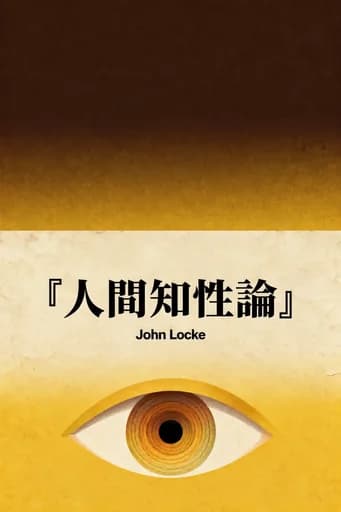
カントやジェファーソンに先駆け、1689年に発表されたロックの傑作は、知識そのものに対する人類の理解に挑みました。彼の革命的な「白紙(タブラ・ラサ)」理論は、近代経験論の火付け役となり、民主主義を形作り、アイデンティティや知覚、そして私たちが物事をいかにして知るのかという哲学的な議論に今なお影響を与え続けています。
『人間悟性論』の要約の主要テーマ
- tabula rasa
- empirical knowledge
- sensory perception
- innate ideas critique
- mental reflection
『人間悟性論』の要約の名言集
The mind is at first as we may suppose a white paper, void of all characters, without any ideas.
I have always thought the actions of men the best interpreters of their thoughts.
New opinions are always suspected, and usually opposed, without any other reason but because they are not already common.
The improvement of the understanding is for two ends: first, for our own increase of knowledge; secondly, to enable us to deliver that knowledge to others.
『人間悟性論』の要約の登場人物
- John LockeThe author and philosopher who proposed the theory
- DescartesPhilosopher who championed the theory of innate ideas
人間悟性論の要約をダウンロード
人間悟性論の要約をPDFまたはEPUBで無料でダウンロード。印刷やオフラインでいつでもお読みいただけます。