第1章
The Race Against Time: Unlocking the Science of Aging
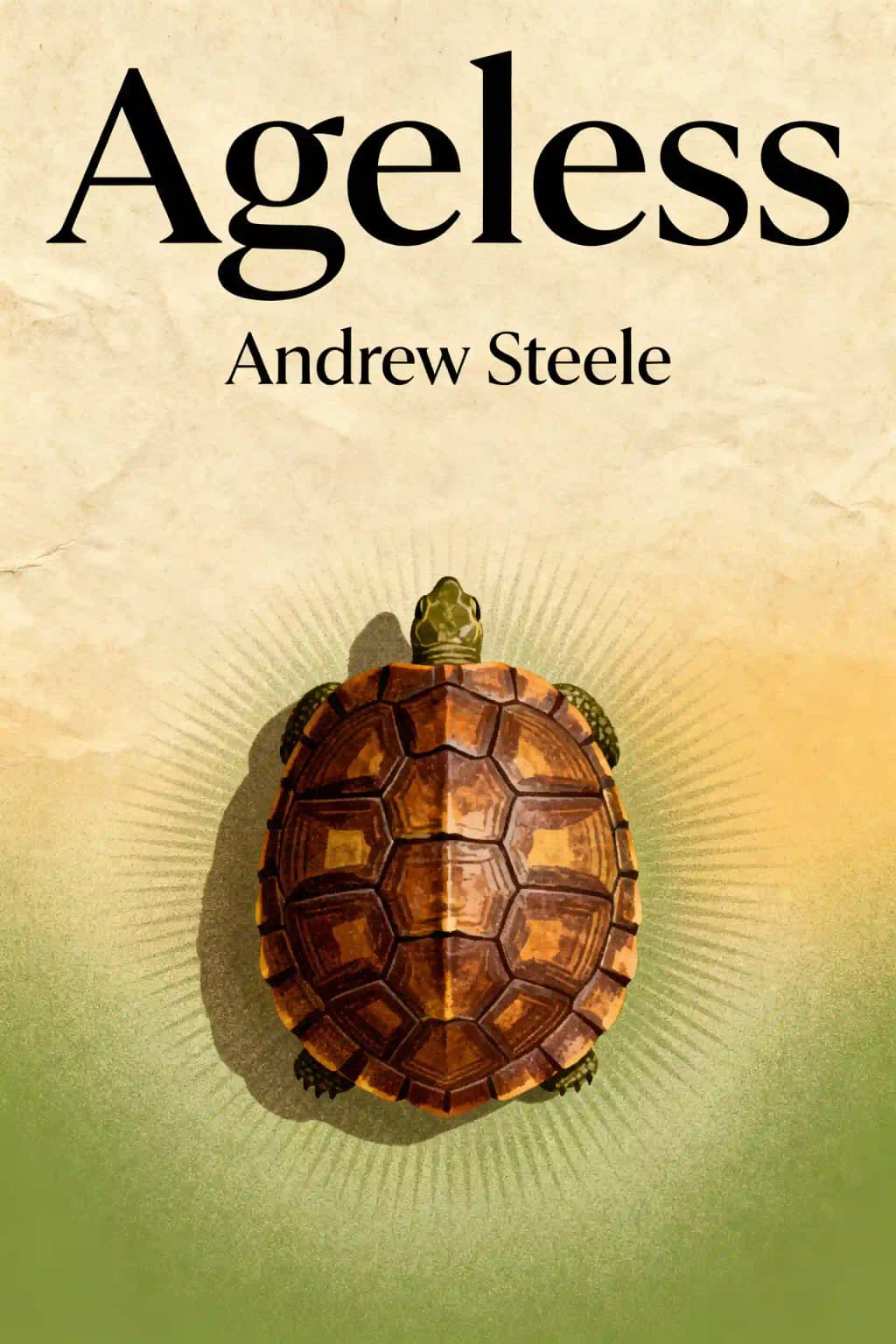
Wrinkled and ponderous, the giant Galapagos tortoise seems an unlikely model for aging gracefully. Yet these remarkable creatures can live well over a century while maintaining a constant 1-2% annual death risk throughout adulthood. They are, quite literally, ageless. Meanwhile, we humans face a starkly different fate. After five or six relatively healthy decades, we experience an exponential increase in disease and death, with our biology deteriorating at every level. This isn't just nature's cruel joke-it's a scientific puzzle that researchers are finally beginning to solve. In Andrew Steele's groundbreaking book "Ageless," recently featured on Bill Gates' reading list and praised by longevity experts like David Sinclair, we discover that aging isn't inevitable but malleable. The implications are staggering: what if the greatest medical revolution since antibiotics isn't curing a specific disease, but treating aging itself?
第2章
The Hidden Pandemic We've Accepted as Fate
Aging is perhaps humanity's most peculiar blind spot-a rolling worldwide pandemic that claims over 100,000 lives daily yet goes largely unrecognized. In wealthy countries, aging causes over 90% of deaths, but our cognitive biases shield us from this reality. We're wired for optimism, we extrapolate from our current health, and we're insulated from seeing aging's worst effects until we experience them ourselves.
This casual acceptance of aging as inevitable is particularly striking given our remarkable success in extending life expectancy. Looking back 25,000 years, prehistoric humans faced constant peril from infection, accidents, and violence. By 1850, life expectancy in chart-topping Norway reached only about 45 years. By 1950, Norwegians could expect to live beyond 70, with progress largely driven by reduced infant mortality and infectious disease control.
The recent history of life expectancy represents humanity's crowning achievement. No other scientific advance has bettered billions of lives so fundamentally. Yet we've reached a point where further gains require addressing aging itself rather than just its symptoms.
Interestingly, aging isn't universal across species. Evolution prioritizes reproduction over survival, explaining aging's emergence through natural selection's neglect. Animals with reduced predation threats evolved longer lifespans-mouse-eared bats live ten times longer than similar-sized mice because flight protects them from predators. Naked mole-rats live over 30 years despite weighing just 35 grams, protected by their underground lifestyle.
Some species exhibit "negligible senescence"-their mortality risk doesn't increase with age. Female fish often become more fertile as they age, becoming "BOFFFFs" (big, old, fat, fertile female fish). Rougheye rockfish can live 205 years with constant mortality risk after maturity. Turtles show no increased death rate with age, with 70-year-old females remaining fertile without signs of frailty.
These examples prove aging isn't inevitable but an evolutionary oversight-accumulated mutations affecting old age, antagonistic pleiotropy, and disposable soma mechanisms. Understanding these processes is key to potentially treating aging itself.
第3章
The Science of Slowing Time
Modern biogerontology-the biological study of aging-only emerged as a distinct scientific discipline in the 1990s, surprisingly recent for a field studying such a universal phenomenon. This delayed development stemmed from multiple factors: the perception that aging was too complex for serious study, evolutionary theories suggesting countless contributing processes, and funding priorities favoring specific diseases over aging itself.
The first breakthrough came unexpectedly from nutrition studies in the early 20th century. Clive McCay at Cornell conducted meticulous experiments with 106 rats, showing that calorie-restricted diets (while maintaining essential nutrients) extended maximum lifespan by 40% and nearly doubled average lifespan. These rats were healthier too-with better lungs, kidneys, less cancer, and even silkier hair. This demonstrated for the first time that aging could be slowed.
The tiny C. elegans worm later revolutionized aging research with its experimental advantages: just under a thousand cells rather than trillions, completing its lifecycle in just two weeks, and easily grown in identical lab conditions. In 1983, Michael Klass tested 8,000 mutant worm strains, finding eight with extended lifespans. His colleague Tom Johnson identified a single gene, age-1, responsible for increasing worm lifespan by 50%. Though initially dismissed by the scientific community, this discovery inspired Cynthia Kenyon to find another longevity gene, daf-2, which doubled worm lifespan.
Further research revealed these mutations genuinely delayed aging rather than just extending life. The current champion is a different age-1 mutation that increases lifespan tenfold-from 15 to 150 days on average. Remarkably, this dramatic effect comes from changing just one DNA letter.
Both age-1 and daf-2 are part of the insulin signaling pathway, essentially tricking cells into behaving as though food is scarce even when it's plentiful. Similar mutations in insulin signaling and growth hormones extend lifespan in yeast, flies, and mice, suggesting evolutionary conservation of these aging mechanisms across species-potentially including humans.
第4章
The Hallmarks of Aging: A Roadmap for Intervention
With over 1,000 genes now known to increase lifespan in various organisms, aging has transformed from a mysterious inevitability into a biological process that can be studied and potentially treated. Scientists have identified ten fundamental hallmarks of aging that explain how our bodies deteriorate over time:
1. DNA Damage and Mutations: Inside most cells lies two meters of DNA containing six billion molecular letters squeezed into a nucleus just millionths of a meter across. Despite its elegant structure, DNA faces constant assault from toxins, radiation, and internal processes. Most damage is reversible, but repair failures cause mutations that permanently alter genetic information. Evidence for DNA damage's role in aging comes from cancer survivors who show accelerated aging after treatments that damage DNA.
2. Trimmed Telomeres: Telomeres are protective caps on our chromosomes that prevent chromosome ends from being mistaken for broken DNA. Made of repetitive TTAGGG sequences, telomeres shorten with each cell division. A newborn's white blood cells have telomeres around 10,000 bases long; by our seventies, this drops below 5,000. Short telomeres correlate with age-related diseases including diabetes, heart disease, cancer, reduced immunity, and even gray hair.
3. Protein Problems: While DNA gets the attention, proteins do most of the work in our bodies. These complex molecular machines face three major aging issues:
- Autophagy Decline: This cellular recycling process slows with age, causing damaged components to accumulate.
- Amyloid Formation: Misfolded proteins form plaques that damage tissues, contributing to Alzheimer's, Parkinson's, heart problems, and diabetes.
- Adduct Formation: Reactive molecules like sugars attach to proteins through glycation, forming Advanced Glycation End products (AGEs) that damage long-lived proteins like collagen, crystallin, and blood vessel walls.
4. Epigenetic Alterations: Epigenetics-chemical decorations on our DNA-explains how cells with identical genetic material perform vastly different functions. DNA methylation, one key epigenetic mark, changes predictably with age. Steve Horvath discovered this by analyzing thousands of datasets, creating an "epigenetic clock" that predicts chronological age with astonishing accuracy.
5. Senescent Cell Accumulation: Some cells refuse to die and instead become "senescent"-zombie cells that no longer divide but secrete inflammatory molecules. These cells accumulate with age and their inflammatory secretions create a vicious cycle, generating even more senescent cells and contributing to numerous age-related conditions.
6. Mitochondrial Dysfunction: These cellular power producers decline in both number and energy production efficiency with age. People with less mitochondrial DNA are more frail and 50% more likely to die than those with the most. Mutations in mitochondrial DNA accumulate over time, and mitophagy (the process that removes damaged mitochondria) declines.
7. Signal Failure: Our body's chemical communication network deteriorates, creating vicious cycles as damaged cells secrete harmful chemicals. "Inflammaging"-the gradual increase in chronic inflammation with age-is a key signaling change. Aging also disrupts nutrient sensing, particularly insulin signaling.
8. Microbiome Changes: Our gut bacteria diversity typically declines with age, with fewer but more aggressive microbes dominating. This shift contributes to chronic inflammation as the immune system remains on high alert. Additionally, our gut lining becomes more permeable, allowing microbes and food particles to enter the bloodstream.
9. Cellular Exhaustion: Our bodies lose cells while survivors become worn out and less functional. Stem cells like HSCs (which replenish blood cells) become less effective, while irreplaceable tissues like heart muscle and brain suffer from cell loss without replacement.
10. Immune System Malfunction: Over 90% of infectious disease deaths occur in people over 60. The thymus, which trains T cells, undergoes "thymic involution," shrinking dramatically with age. Persistent infections like cytomegalovirus (CMV) can occupy up to a third of our immune memory, while immune dysfunction contributes to cancer and heart disease.
第5章
Removing the Old: Clearing Aging's Debris
The first strategy for combating aging focuses on removing harmful accumulations that cause age-related dysfunction. The most promising near-term treatment is eliminating senescent cells, which accumulate with age and secrete inflammatory molecules that harm surrounding tissues.
The first breakthrough came in 2011 when Mayo Clinic researchers showed that removing senescent cells from genetically modified, rapidly-aging mice improved muscle strength, skin thickness, and delayed cataracts. By 2015, they'd developed "D+Q" (dasatinib and quercetin), the first "senolytic" drug combination that selectively kills senescent cells. When given to 24-month-old mice (equivalent to 70-year-old humans), D+Q improved heart function, blood vessel flexibility, and extended lifespan by about six months-equivalent to 5-10 human years-even when started late in life.
Human trials have begun, with a small 2019 safety study showing promising early results. Unity Biotechnology is developing drugs targeting osteoarthritis in knees and age-related macular degeneration in eyes. Progress has been remarkably rapid, moving from mouse proof-of-concept in 2011 to human trials by 2018.
Another promising approach targets autophagy-our cellular recycling system-which declines with age. Rapamycin, discovered in Easter Island soil, extends mouse lifespan by 10% even when started late in life. Despite side effects including immune suppression and diabetes risk, lower doses may actually enhance immunity rather than suppress it. Other promising dietary restriction mimetics include metformin (undergoing the first-ever trial targeting aging itself), spermidine, resveratrol, curcumin, aspirin, and quercetin.
Scientists are also developing treatments for amyloids-misfolded proteins that stick together into clumps. Beyond Alzheimer's, amyloids appear in many age-related conditions. Transthyretin (TTR) forms amyloids throughout aging bodies, particularly affecting blood vessels and heart tissue. Autopsy studies show 25% of people over 85 have cardiac TTR amyloid, rising to over 50% in centenarians. Multiple anti-amyloid approaches are being developed: immunotherapies like PRX004, "catabodies" that directly destroy amyloids, and a bacterial virus protein called GAIM that can break apart multiple types of amyloid aggregates.
第6章
Rebuilding What's Lost: Stem Cells and Rejuvenation
For some aspects of aging biology, removing the bad actors isn't enough-we need to replace them with something better. Stem cell therapy represents one of medicine's most promising frontiers for combating aging, though it's frequently misunderstood.
The breakthrough came in 2006 when Shinya Yamanaka discovered how to revert adult cells to a pluripotent state using four genes (the "Yamanaka factors"), earning him a Nobel Prize. This discovery enables creating induced pluripotent stem cells (iPSCs) that could theoretically become any cell type needed, without immune rejection risks since they can be derived from the patient's own cells.
Leading applications target age-related conditions where single cell types are lost, such as macular degeneration and Parkinson's disease. Two promising trials for age-related macular degeneration in 2018 showed both safety and vision improvements using embryonic stem cells to create retinal pigment epithelium (RPE) cells. For Parkinson's disease, stem cell therapy aims to replace lost dopaminergic neurons. Pioneering transplants using fetal neuron precursors began in 1987 in Sweden with remarkable results-one patient enjoyed nine years of remission without medication.
Rejuvenating the immune system offers another promising approach, with the thymus gland as a prime target. This small organ behind the breastbone undergoes "involution"-a programmed decline starting in childhood. Surprisingly, thymic involution can be reversed. Studies of historical eunuchs provide compelling evidence of the connection between sex hormones and immune aging. Korean Joseon dynasty eunuchs lived an average of 70 years compared to 47-56 years for intact men of similar status.
A small human trial by Intervene Immune used a combination of human growth hormone, DHEA, and metformin, resulting in less fatty thymus tissue, more fresh T cells, improved kidney function, and even reduced epigenetic age. Another approach targets the FOXN1 gene, which is critical for thymus development and declines with age.
Given the intimate relationship between our immune system and gut flora, microbiome interventions represent another promising approach. Studies with the turquoise killifish have shown remarkable results. When two-month-old fish had their middle-aged microbiome replaced with youthful gut microbes, they lived 25% longer and showed delayed frailty. Human microbiome transplants-already used to treat Clostridioides difficile infections-involve purified fecal material administered via colonoscopy, enema, or freeze-dried capsules.
第7章
Repairing the Damage: From Telomeres to Mitochondria
Sometimes the best approach requires repair rather than removal or replacement. With DNA, for instance, replacing the two meters present in trillions of cells would be practically impossible, meaning we must develop ways to repair damage in situ.
Telomeres shorten with each cell division, eventually becoming critically short and triggering cell suicide or senescence. People with shorter telomeres tend to die sooner, raising the question: can we reverse telomere erosion to extend life?
The telomere story began in 1984 when Elizabeth Blackburn and Carol Greider discovered that the single-celled organism Tetrahymena could actually grow its telomeres. After years of research, they isolated the enzyme responsible-telomerase-work that eventually earned them a Nobel Prize. However, telomerase presents a cancer dilemma: nearly 90% of cancers reactivate telomerase to enable unlimited division.
Maria Blasco's research offers hope for navigating this tightrope-her lab demonstrated that mice given both extra telomerase and cancer-resistance genes lived 40% longer. Adult mice receiving viral telomerase gene therapy lived 20% longer with improved health markers and no increased cancer risk. Most promisingly, mice engineered with very long telomeres but normal telomerase levels lived 13% longer with better health markers and less cancer.
The Conboys' blood-exchange experiments revealed that while young blood provides some benefits to older mice, the negative effects of old blood on younger mice are more pronounced. This suggests that identifying and neutralizing harmful factors in old blood may be as important as identifying beneficial factors in young blood. They identified TGF-beta as a harmful protein that increases with age and inhibits stem cell activity, while oxytocin (which declines with age) appears beneficial.
Mitochondrial decline significantly impacts aging, particularly in energy-intensive tissues like brain, heart, and muscles. A radical solution is "allotopic expression"-placing backup copies of mitochondrial genes in the cell nucleus. This would actually complete an evolutionary process that began when mitochondria were engulfed by our single-celled ancestors over a billion years ago. Other promising interventions include mitochondria-targeted antioxidants like MitoQ and mitophagy enhancers like Urolithin A that improve mitochondrial quality control.
第8章
Reprogramming Biology: The Ultimate Anti-Aging Frontier
The final stage in curing biological aging will require reprogramming our biology-hacking nature to prevent problematic processes. Since our biological program is written in genes, this means editing them to optimize good functions, reduce harmful ones, and add new capabilities. This complex undertaking represents the convergence of genetic engineering, epigenetics, and cellular reprogramming technologies.
Studies show longevity is surprisingly only about 10% heritable-your lifespan isn't predetermined by DNA. Environmental factors, lifestyle choices, and random chance play far more significant roles than previously thought. However, genetic factors become more significant in exceptional longevity cases, particularly among those who live past 90. Two genes consistently appear in centenarian studies: APOE and FOXO3. APOE variants significantly impact dementia and heart disease risk, with E4 carriers underrepresented among centenarians, while E2 appears protective. FOXO3 variants are associated with improved insulin sensitivity, reduced inflammation, and enhanced cellular repair mechanisms.
Isolated populations offer another source for discovering longevity genes, as seen in the Old Order Amish community where a mutation in SERPINE1 was discovered. This mutation reduced PAI-1 protein levels, resulting in a remarkable ten-year lifespan extension (from 75 to 85 years) among carriers. Similar studies in Japanese Okinawans and Italian Sardinians have revealed other protective genetic variants, suggesting multiple pathways to enhanced longevity.
Perhaps most exciting is the discovery that reprogramming cells into induced pluripotent stem cells (iPSCs) appears to rejuvenate them. Steve Horvath found that iPSCs have an epigenetic age of zero-their biological clock completely reset-regardless of donor age. These rejuvenated cells show improved mitochondria, reduced reactive oxygen species, and lengthened telomeres. The process involves activating four key factors known as Yamanaka factors: Oct4, Sox2, Klf4, and c-Myc (OSKM), which essentially rewind cellular aging.
The challenge is applying this to whole organisms without causing catastrophic organ failure, as fully reprogrammed cells lose their specialized functions. Research teams are exploring partial reprogramming approaches, where the factors are activated briefly to achieve rejuvenation without complete dedifferentiation. Cyclic, transient activation of these factors in mice with premature aging improved heart function, enhanced tissue recovery, and extended lifespan by 30%. The key discovery is that epigenetic rejuvenation occurs before dedifferentiation, suggesting we might develop treatments that reset aging markers while maintaining cell identity. Recent experiments using modified versions of the reprogramming factors or alternative combinations show promise in achieving more controlled rejuvenation effects.
This field is rapidly advancing with new tools like CRISPR-Cas9 for precise genetic editing and novel delivery systems for reprogramming factors. Scientists are now working on developing safe, targeted approaches that could selectively rejuvenate specific tissues or organs while maintaining their essential functions.
第9章
Living Long Enough to Live Forever
While scientists work toward a comprehensive cure for aging, what can we do now to maximize our chances of living longer, healthier lives? The cure won't be a single magical treatment but an evolving collection of interventions gradually improving life expectancy. The first ageless generation likely won't realize their status initially, as successive medical breakthroughs continually push mortality further into the future.
With only a small fraction of life expectancy determined by genes, most longevity depends on lifestyle and luck. Health professionals who practiced four or five healthy behaviors lived ten years longer than those who practiced none. About 40% of cancer and 80% of cardiovascular disease is preventable through lifestyle changes.
The most effective evidence-based strategies include:
1. Don't smoke: Smoking slashes life expectancy by about ten years for lifelong smokers and accelerates the entire aging process.
2. Don't eat too much: Eat a balanced diet with plenty of fruits, vegetables, whole grains and nuts, while limiting sugary, fatty and processed foods. Excess visceral fat accelerates aging by producing inflammatory molecules.
3. Get some exercise: Just 10-15 minutes of moderate exercise daily roughly halves your risk of death from any cause. Resistance training proves especially valuable against sarcopenia-the age-related muscle loss that accelerates after 70.
4. Get seven to eight hours of sleep: During sleep, the brain conducts essential maintenance, including flushing out toxic amyloid proteins implicated in Alzheimer's disease.
5. Get vaccinated and wash your hands: Vaccinations significantly extend lifespan by preventing infectious diseases and reducing inflammation that accelerates aging.
6. Take care of your teeth: People with tooth decay and gum problems are more likely to develop heart disease due to chronic inflammation.
7. Wear sunscreen: Ultraviolet light breaks chemical bonds in proteins and DNA, accelerating skin aging and increasing cancer risk.
8. Monitor your heart rate and blood pressure: Every 20/10 increase above 115/75 roughly doubles the risk of death from heart disease or stroke.
9. Don't bother with supplements: Unless treating a specific vitamin deficiency, evidence doesn't support taking supplements.
10. Don't bother with longevity drugs-yet: For generally healthy people, there's not yet a pill that can extend healthy lifespan, though promising research continues.
第10章
The Future of Aging: From Science to Medicine
Curing aging requires not just scientific breakthroughs but political, policy and regulatory shifts to transform research into widespread treatments. The first challenge is raising awareness-a 2013 survey found 90% of Americans had heard little or nothing about treating aging.
Aging research is drastically underfunded relative to its potential impact. The US National Institute on Aging's $2.6 billion budget is less than half of the National Cancer Institute's funding, despite aging causing 85% of American deaths. Only about 10% of NIA's budget goes to basic aging biology research. Increased funding should be viewed as an investment, not a cost. Even modest slowing of aging could yield trillions in economic benefits.
A key regulatory obstacle is that agencies won't approve drugs treating "aging" rather than specific diseases. The TAME trial (Targeting Aging with MEtformin) represents a breakthrough approach. This study of 3,000 volunteers aged 65-80 will test whether metformin can delay multiple age-related diseases. Though not expected to dramatically extend lifespan, the trial's FDA-approved methodology provides a regulatory template for future anti-aging treatments.
Biomarkers offer a solution to the lengthy timeframe of aging trials by measuring biological age in real time. The epigenetic clock, which uses DNA methylation patterns, has proven remarkably accurate at predicting age and mortality risk. These biomarkers could revolutionize anti-aging research by reducing trial duration from years to months.
As anti-aging treatments emerge, we face unprecedented decisions about preventative medicine. The current regulatory framework, built on the precautionary principle, may be too cautious when inaction carries the greater risk of continued aging.
The success of biogerontology requires more than science-it needs higher profile, increased funding, regulatory reform, and mainstream acceptance. We need a "mission-driven medical moonshot"-a massively funded international research program to intervene in aging. Every day we bring forward a cure saves 100,000 lives, making this the defining humanitarian challenge of our time.