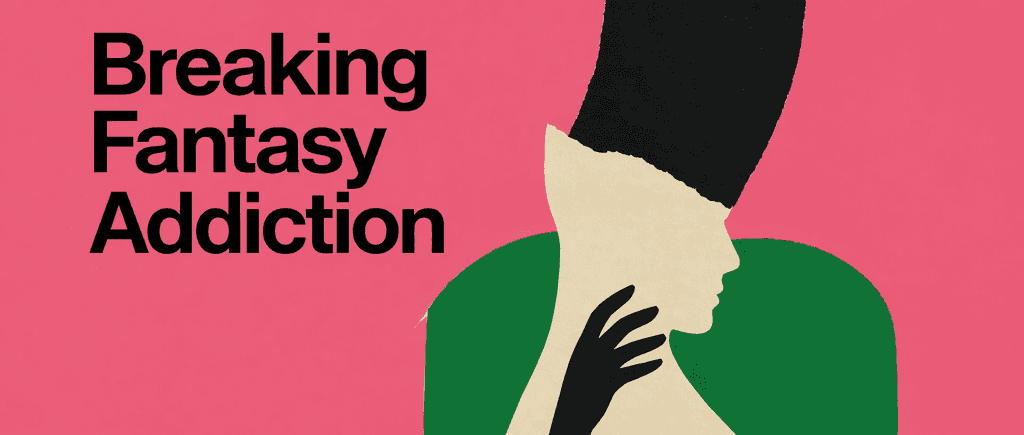
Why Porn Use Makes You Feel Stuck in Survival Mode
Struggling with discipline and isolation? Learn how compulsive porn use changes your brain's reward system and how to reclaim your confidence and life.

Miglior citazione da Why Porn Use Makes You Feel Stuck in Survival Mode
The 'stuck' feeling of survival mode is a biological hijack, not a character flaw; it occurs when the brain's 'must do' habit pathways override the 'top-down' control of our values and goals.
Generated by Kavemba
I keep on self sabotaging myself one because i've watched porn for a long time and i think it has affected me in i'm not confident enough, i Don't follow through with committments, not responsible or disciplined and self isolation turning people down and keeping things to myself basically i am not living i'm stuck in survival mode

Domande frequenti
According to recent research, compulsive use is a biological issue rather than a moral failing. It changes the brain's reward system—specifically the striatum—in a way that mimics substance addiction. This "hijacks" the neural pathways responsible for impulse control and decision-making, making it incredibly difficult to stop through sheer willpower alone because the brain's "must do" habit loop has overridden the "top-down" control of the prefrontal cortex.
This loss of agency is tied to a shift in the brain from goal-directed behavior to automated compulsion. When the dorsal striatum takes over, the brain prioritizes the "must do" signal of the addiction over long-term goals and values. Furthermore, studies show that the presence of sexual cues can physically impair executive functions like response inhibition and working memory, making the brain's "brakes" less effective and leaving you with less mental energy for daily responsibilities.
Isolation often acts as a counterproductive defense mechanism driven by shame and emotional dysregulation. The brain becomes sensitized to stress and loses its ability to use healthy coping strategies, leading it to seek the "shortcut" of the addictive behavior for relief. While isolation feels safer, it actually reinforces the cycle by cutting off social connection and oxytocin, which are the natural biological tools the nervous system needs to regulate stress and rewire the reward circuitry.
Yes, the brain is plastic and capable of recalibrating, but it requires a period of adjustment. Because the brain has been used to "supernormal" dopamine spikes, natural rewards like exercise or conversation may feel boring at first—a state known as reward deficiency or temporary anhedonia. By stopping the overstimulation and intentionally choosing value-based actions, the brain will eventually "turn the gain back up" on its joy settings, allowing you to experience pleasure from normal life again.
The script suggests starting with "Commitment Micro-Dosing," which involves making and keeping tiny promises to yourself, such as drinking a glass of water or making the bed, to rebuild self-trust. Additionally, applying the "Rule of Friction" by using site blockers or moving devices to another room can give the prefrontal cortex time to wake up. Finally, practicing "The Social Yes" by accepting one social invitation a week helps provide the oxytocin necessary to move the brain from a state of survival back into a state of living.
Creato da alumni della Columbia University a San Francisco
"Instead of endless scrolling, I just hit play on BeFreed. It saves me so much time."


"I never knew where to start with nonfiction—BeFreed’s book lists turned into podcasts gave me a clear path."


"Perfect balance between learning and entertainment. Finished ‘Thinking, Fast and Slow’ on my commute this week."
"Crazy how much I learned while walking the dog. BeFreed = small habits → big gains."
"Reading used to feel like a chore. Now it’s just part of my lifestyle."

"Feels effortless compared to reading. I’ve finished 6 books this month already."
"BeFreed turned my guilty doomscrolling into something that feels productive and inspiring."

"BeFreed turned my commute into learning time. 20-min podcasts are perfect for finishing books I never had time for."
"BeFreed replaced my podcast queue. Imagine Spotify for books — that’s it. 🙌"

"It is great for me to learn something from the book without reading it."
"The themed book list podcasts help me connect ideas across authors—like a guided audio journey."
"Makes me feel smarter every time before going to work"
 Ask ChatGPT
 Ask Claude
Creato da alumni della Columbia University a San Francisco
"Instead of endless scrolling, I just hit play on BeFreed. It saves me so much time."
"I never knew where to start with nonfiction—BeFreed’s book lists turned into podcasts gave me a clear path."
"Perfect balance between learning and entertainment. Finished ‘Thinking, Fast and Slow’ on my commute this week."
"Crazy how much I learned while walking the dog. BeFreed = small habits → big gains."
"Reading used to feel like a chore. Now it’s just part of my lifestyle."
"Feels effortless compared to reading. I’ve finished 6 books this month already."
"BeFreed turned my guilty doomscrolling into something that feels productive and inspiring."
"BeFreed turned my commute into learning time. 20-min podcasts are perfect for finishing books I never had time for."
"BeFreed replaced my podcast queue. Imagine Spotify for books — that’s it. 🙌"
"It is great for me to learn something from the book without reading it."
"The themed book list podcasts help me connect ideas across authors—like a guided audio journey."
"Makes me feel smarter every time before going to work"
"Instead of endless scrolling, I just hit play on BeFreed. It saves me so much time."
"I never knew where to start with nonfiction—BeFreed’s book lists turned into podcasts gave me a clear path."
"Perfect balance between learning and entertainment. Finished ‘Thinking, Fast and Slow’ on my commute this week."
"Crazy how much I learned while walking the dog. BeFreed = small habits → big gains."
"Reading used to feel like a chore. Now it’s just part of my lifestyle."
"Feels effortless compared to reading. I’ve finished 6 books this month already."
"BeFreed turned my guilty doomscrolling into something that feels productive and inspiring."
"BeFreed turned my commute into learning time. 20-min podcasts are perfect for finishing books I never had time for."
"BeFreed replaced my podcast queue. Imagine Spotify for books — that’s it. 🙌"
"It is great for me to learn something from the book without reading it."
"The themed book list podcasts help me connect ideas across authors—like a guided audio journey."
"Makes me feel smarter every time before going to work"
"Instead of endless scrolling, I just hit play on BeFreed. It saves me so much time."
"I never knew where to start with nonfiction—BeFreed’s book lists turned into podcasts gave me a clear path."
"Perfect balance between learning and entertainment. Finished ‘Thinking, Fast and Slow’ on my commute this week."
"Crazy how much I learned while walking the dog. BeFreed = small habits → big gains."
"Reading used to feel like a chore. Now it’s just part of my lifestyle."
"Feels effortless compared to reading. I’ve finished 6 books this month already."
"BeFreed turned my guilty doomscrolling into something that feels productive and inspiring."
"BeFreed turned my commute into learning time. 20-min podcasts are perfect for finishing books I never had time for."
"BeFreed replaced my podcast queue. Imagine Spotify for books — that’s it. 🙌"
"It is great for me to learn something from the book without reading it."
"The themed book list podcasts help me connect ideas across authors—like a guided audio journey."
"Makes me feel smarter every time before going to work"