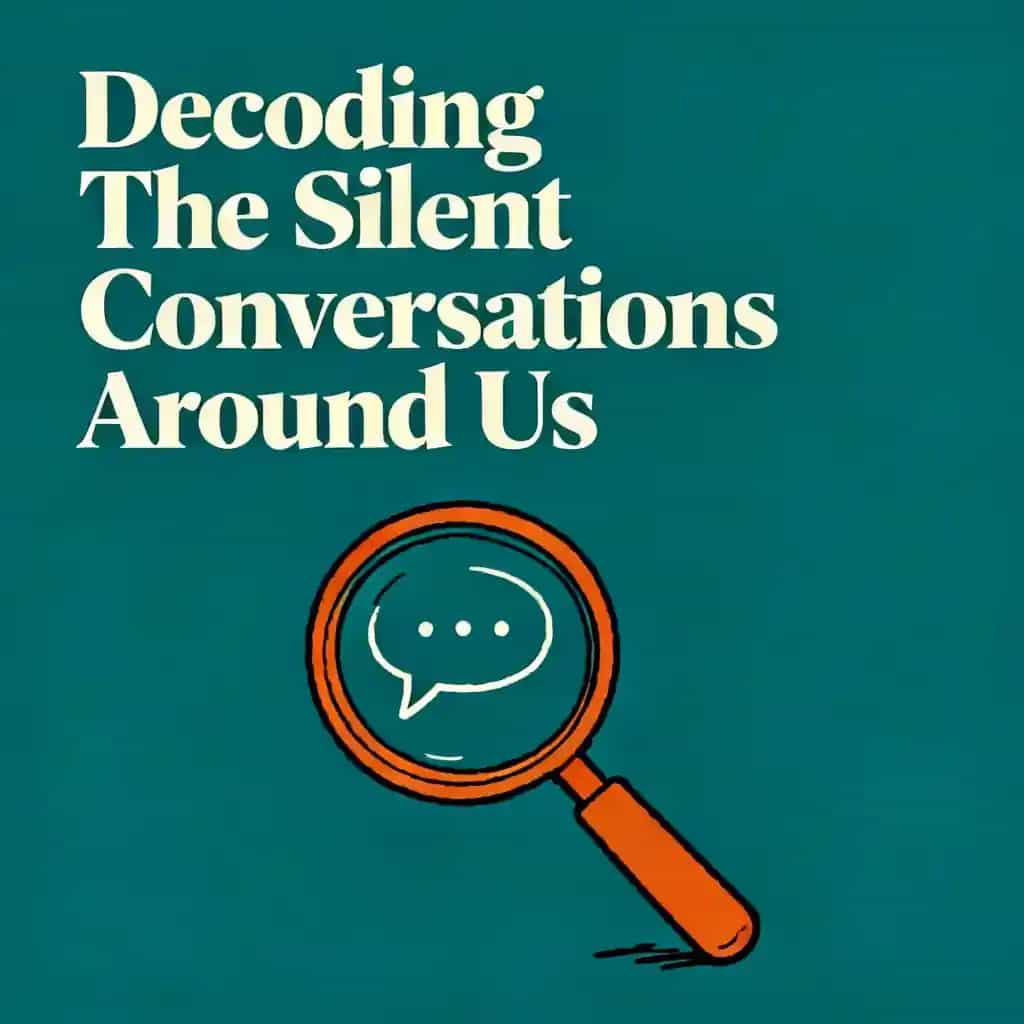

Struggling to be understood? Learn how to decode hidden meanings and assumptions in every conversation to turn confusing arguments into clear insights.

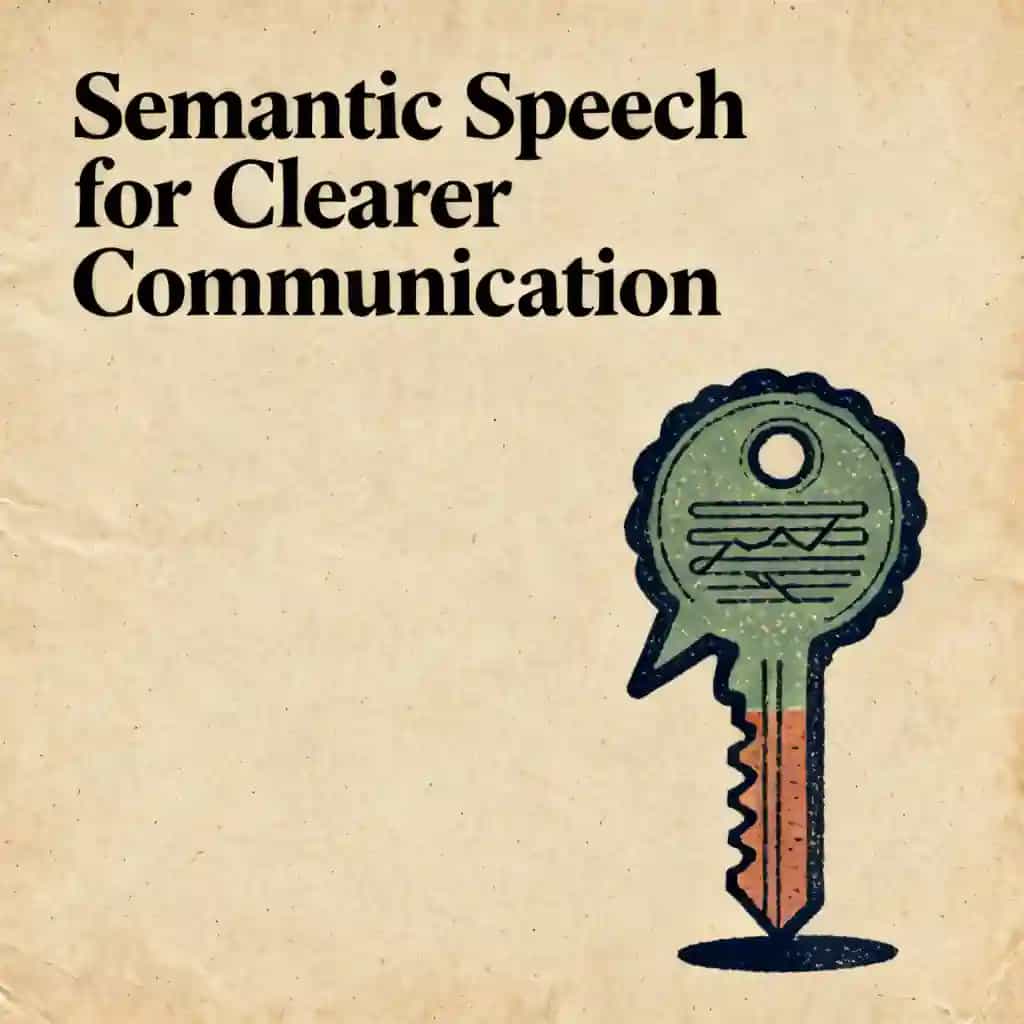
Most disagreements aren't about the world, but about which semantic analysis the other person is using. By moving beyond the word list, you start to see the 'sense'—the mode of presentation—versus the 'reference'—the actual thing in the world being pointed to.
Reference is the actual object or entity in the physical world that a person is pointing to, while sense is the "mode of presentation" or the specific way that object is being described. For example, two people might argue over the terms "morning star" and "evening star" without realizing they both have the same reference: the planet Venus. In a professional setting, colleagues might argue over different "senses" or project labels even though they actually agree on the same "reference" or goal.
A presupposition is an underlying assumption that must be true for a sentence to make sense. In many arguments, people "smuggle in" these assumptions to put others on the defensive, such as asking "Why are you always so dismissive?" which presupposes that you are, in fact, habitually dismissive. A semantically savvy communicator identifies the hidden assumption and addresses it directly—questioning the premise of the statement—rather than falling into the trap of defending the surface-level "why" of the question.
These words are considered "vague predicates" because their boundaries are indeterminate and rely entirely on a comparison class. "Near" means something different when walking to a cafe versus driving to another city. To avoid confusion in high-stakes or legal situations, it is best to move from a vague predicate to a precise truth condition by defining the standard explicitly, such as saying "I will be there in ten minutes" instead of "I will be there soon."
Structural ambiguity occurs when the syntax of a sentence allows for more than one interpretation, even if the individual words are clear. An example is the phrase "old men and women," where it is unclear if the adjective "old" modifies only the men or both the men and the women. This happens because the meaning of a complex expression depends on the "principle of compositionality"—the specific way parts are combined—rather than just the dictionary definitions of the words themselves.
Creato da alumni della Columbia University a San Francisco
"Instead of endless scrolling, I just hit play on BeFreed. It saves me so much time."
"I never knew where to start with nonfiction—BeFreed’s book lists turned into podcasts gave me a clear path."
"Perfect balance between learning and entertainment. Finished ‘Thinking, Fast and Slow’ on my commute this week."
"Crazy how much I learned while walking the dog. BeFreed = small habits → big gains."
"Reading used to feel like a chore. Now it’s just part of my lifestyle."
"Feels effortless compared to reading. I’ve finished 6 books this month already."
"BeFreed turned my guilty doomscrolling into something that feels productive and inspiring."
"BeFreed turned my commute into learning time. 20-min podcasts are perfect for finishing books I never had time for."
"BeFreed replaced my podcast queue. Imagine Spotify for books — that’s it. 🙌"
"It is great for me to learn something from the book without reading it."
"The themed book list podcasts help me connect ideas across authors—like a guided audio journey."
"Makes me feel smarter every time before going to work"
Creato da alumni della Columbia University a San Francisco