The Value Equation: Reducing the Friction Tax in Product Design
Learn how to master The Value Equation by reducing the friction tax. Explore product thinking strategies that balance dream outcomes with user effort and time.

Miglior citazione da The Value Equation: Reducing the Friction Tax in Product Design
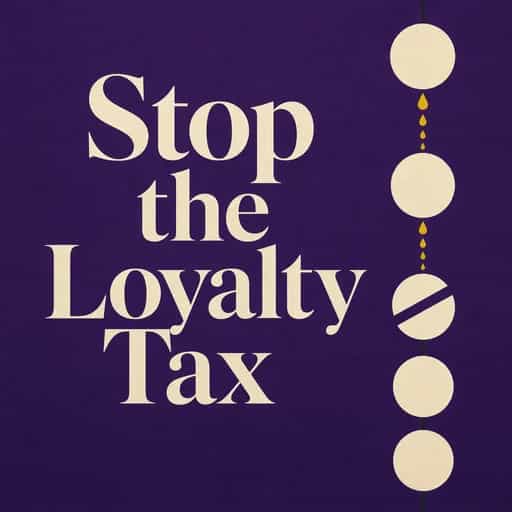
Value is not something you add to a product; it is something you unlock by removing the barriers that stand in the customer's way. If you can reduce the effort and the time it takes for someone to see a result, you increase the value of your product without ever having to touch the price tag.
Generated by JSdidit
Improving product thinking with a specific focus on value perception versus the 'tax' on the solution—learning how to ensure perceived value outweighs the friction or cost of adoption. Context includes jobs to be done, product value, pathos, and finding acute problems people will pay to solve.






Domande frequenti
The friction tax represents the hidden costs a user pays when interacting with a product, including their time, physical effort, and cognitive energy. In product thinking, this tax is often the deciding factor in a purchase. Even if a product has advanced features, a high friction tax can overwhelm the perceived reward, causing potential customers to walk away in favor of simpler, more accessible solutions.
The Value Equation is a formula used in product design strategy to determine how users perceive worth beyond just the price tag. It consists of four distinct parts: the dream outcome, the perceived likelihood of achieving that goal, the time delay, and the effort required. By focusing on these elements, designers can create more valuable experiences that prioritize ease of use over complex, high-maintenance features.
Cognitive energy is a finite resource that users must spend to understand and operate a new tool or software. When a product requires too much mental effort to set up or use, it increases the friction tax. Effective user experience design aims to minimize this drain on cognitive energy, ensuring that the value provided by the product is immediately clear and accessible without causing a headache for the user.
A common mistake in product design is assuming that value is synonymous with being cheap. While lowering the price may seem like an easy fix, true value is a mathematical balance of the dream outcome and the ease of reaching it. If a product saves a user significant time and effort, it can be perceived as more valuable than a cheaper alternative that carries a higher friction tax.
Creato da alumni della Columbia University a San Francisco
"Instead of endless scrolling, I just hit play on BeFreed. It saves me so much time."


"I never knew where to start with nonfiction—BeFreed’s book lists turned into podcasts gave me a clear path."


"Perfect balance between learning and entertainment. Finished ‘Thinking, Fast and Slow’ on my commute this week."
"Crazy how much I learned while walking the dog. BeFreed = small habits → big gains."
"Reading used to feel like a chore. Now it’s just part of my lifestyle."

"Feels effortless compared to reading. I’ve finished 6 books this month already."
"BeFreed turned my guilty doomscrolling into something that feels productive and inspiring."

"BeFreed turned my commute into learning time. 20-min podcasts are perfect for finishing books I never had time for."
"BeFreed replaced my podcast queue. Imagine Spotify for books — that’s it. 🙌"

"It is great for me to learn something from the book without reading it."
"The themed book list podcasts help me connect ideas across authors—like a guided audio journey."
"Makes me feel smarter every time before going to work"
Creato da alumni della Columbia University a San Francisco
"Instead of endless scrolling, I just hit play on BeFreed. It saves me so much time."
"I never knew where to start with nonfiction—BeFreed’s book lists turned into podcasts gave me a clear path."
"Perfect balance between learning and entertainment. Finished ‘Thinking, Fast and Slow’ on my commute this week."
"Crazy how much I learned while walking the dog. BeFreed = small habits → big gains."
"Reading used to feel like a chore. Now it’s just part of my lifestyle."
"Feels effortless compared to reading. I’ve finished 6 books this month already."
"BeFreed turned my guilty doomscrolling into something that feels productive and inspiring."
"BeFreed turned my commute into learning time. 20-min podcasts are perfect for finishing books I never had time for."
"BeFreed replaced my podcast queue. Imagine Spotify for books — that’s it. 🙌"
"It is great for me to learn something from the book without reading it."
"The themed book list podcasts help me connect ideas across authors—like a guided audio journey."
"Makes me feel smarter every time before going to work"
"Instead of endless scrolling, I just hit play on BeFreed. It saves me so much time."
"I never knew where to start with nonfiction—BeFreed’s book lists turned into podcasts gave me a clear path."
"Perfect balance between learning and entertainment. Finished ‘Thinking, Fast and Slow’ on my commute this week."
"Crazy how much I learned while walking the dog. BeFreed = small habits → big gains."
"Reading used to feel like a chore. Now it’s just part of my lifestyle."
"Feels effortless compared to reading. I’ve finished 6 books this month already."
"BeFreed turned my guilty doomscrolling into something that feels productive and inspiring."
"BeFreed turned my commute into learning time. 20-min podcasts are perfect for finishing books I never had time for."
"BeFreed replaced my podcast queue. Imagine Spotify for books — that’s it. 🙌"
"It is great for me to learn something from the book without reading it."
"The themed book list podcasts help me connect ideas across authors—like a guided audio journey."
"Makes me feel smarter every time before going to work"
"Instead of endless scrolling, I just hit play on BeFreed. It saves me so much time."
"I never knew where to start with nonfiction—BeFreed’s book lists turned into podcasts gave me a clear path."
"Perfect balance between learning and entertainment. Finished ‘Thinking, Fast and Slow’ on my commute this week."
"Crazy how much I learned while walking the dog. BeFreed = small habits → big gains."
"Reading used to feel like a chore. Now it’s just part of my lifestyle."
"Feels effortless compared to reading. I’ve finished 6 books this month already."
"BeFreed turned my guilty doomscrolling into something that feels productive and inspiring."
"BeFreed turned my commute into learning time. 20-min podcasts are perfect for finishing books I never had time for."
"BeFreed replaced my podcast queue. Imagine Spotify for books — that’s it. 🙌"
"It is great for me to learn something from the book without reading it."
"The themed book list podcasts help me connect ideas across authors—like a guided audio journey."
"Makes me feel smarter every time before going to work"