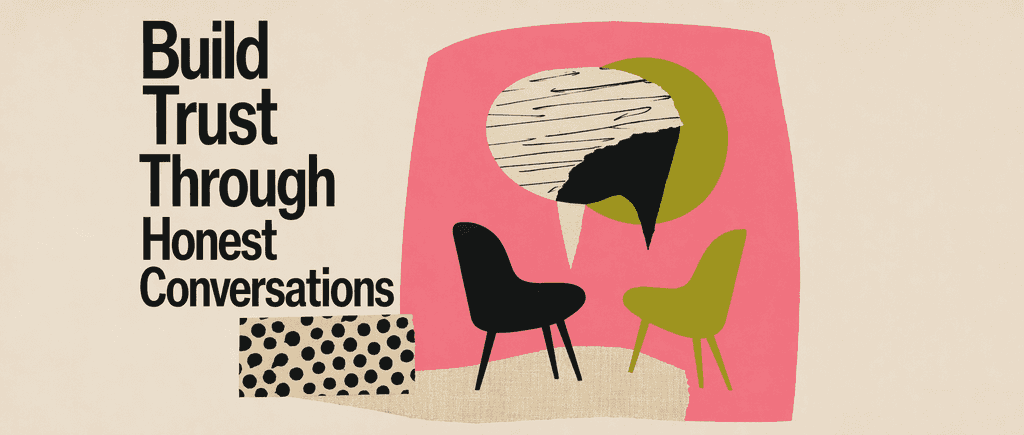
The Step-Dad Playbook: Building Trust and Stability
Learn how to navigate the complexities of blended families by prioritizing connection over authority and building a unified foundation for your children to thrive.

Miglior citazione da The Step-Dad Playbook: Building Trust and Stability
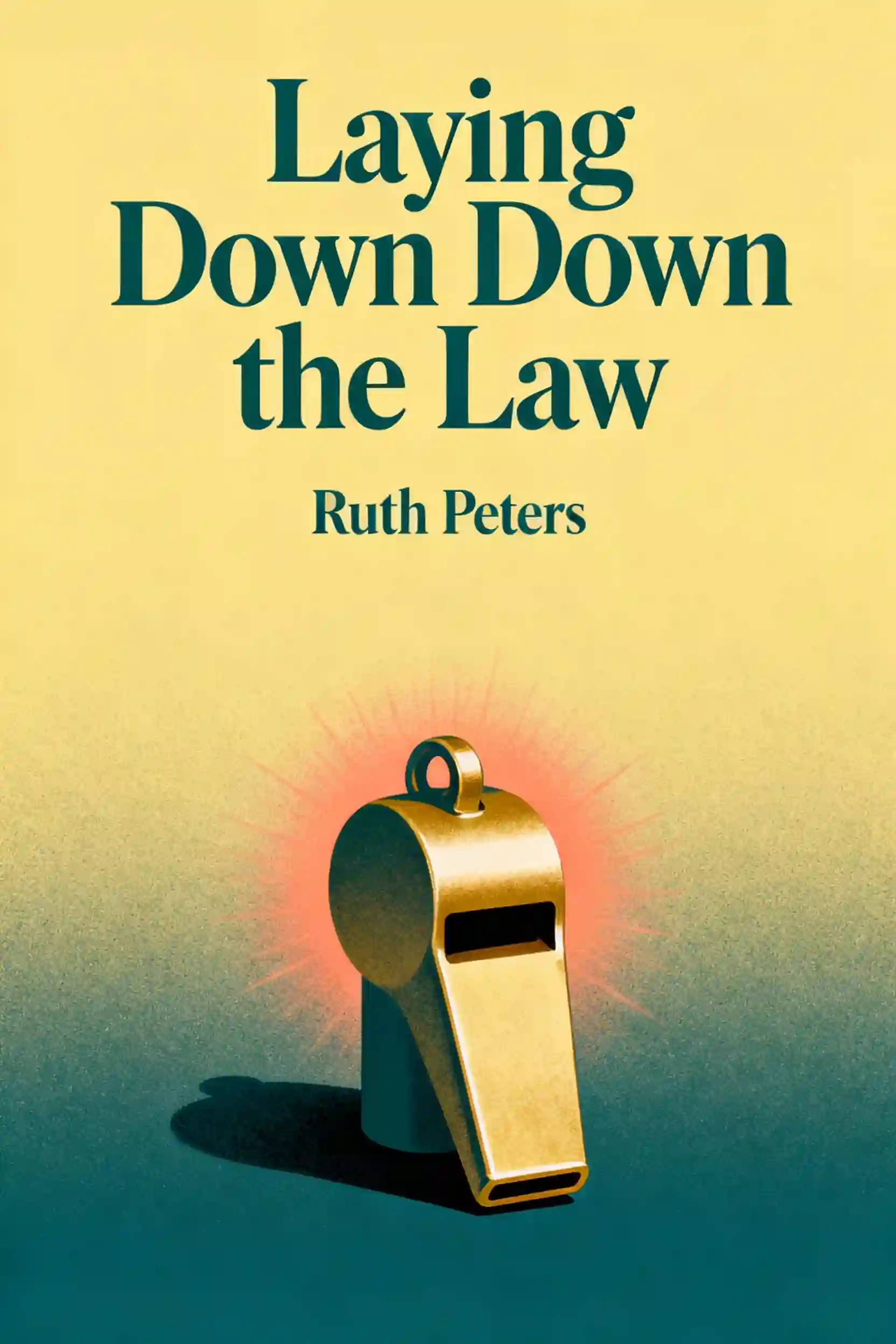
The 'connection before correction' rule is vital; if you haven’t forged a caring relationship yet, trying to assert authority feels like an attack to the child. It’s about building the relationship as a coach or mentor before you ever try to lay down the law.
Generated by Rumble
How to be a good dad in a blended family



Domande frequenti
According to the "connection before correction" rule, a step-parent must forge a caring relationship before attempting to assert authority. If a step-parent tries to enforce rules too quickly without an established bond, the child may perceive the discipline as an attack rather than guidance. By letting the biological parent lead on discipline initially, the step-parent can focus on building trust and acting as a mentor or coach.
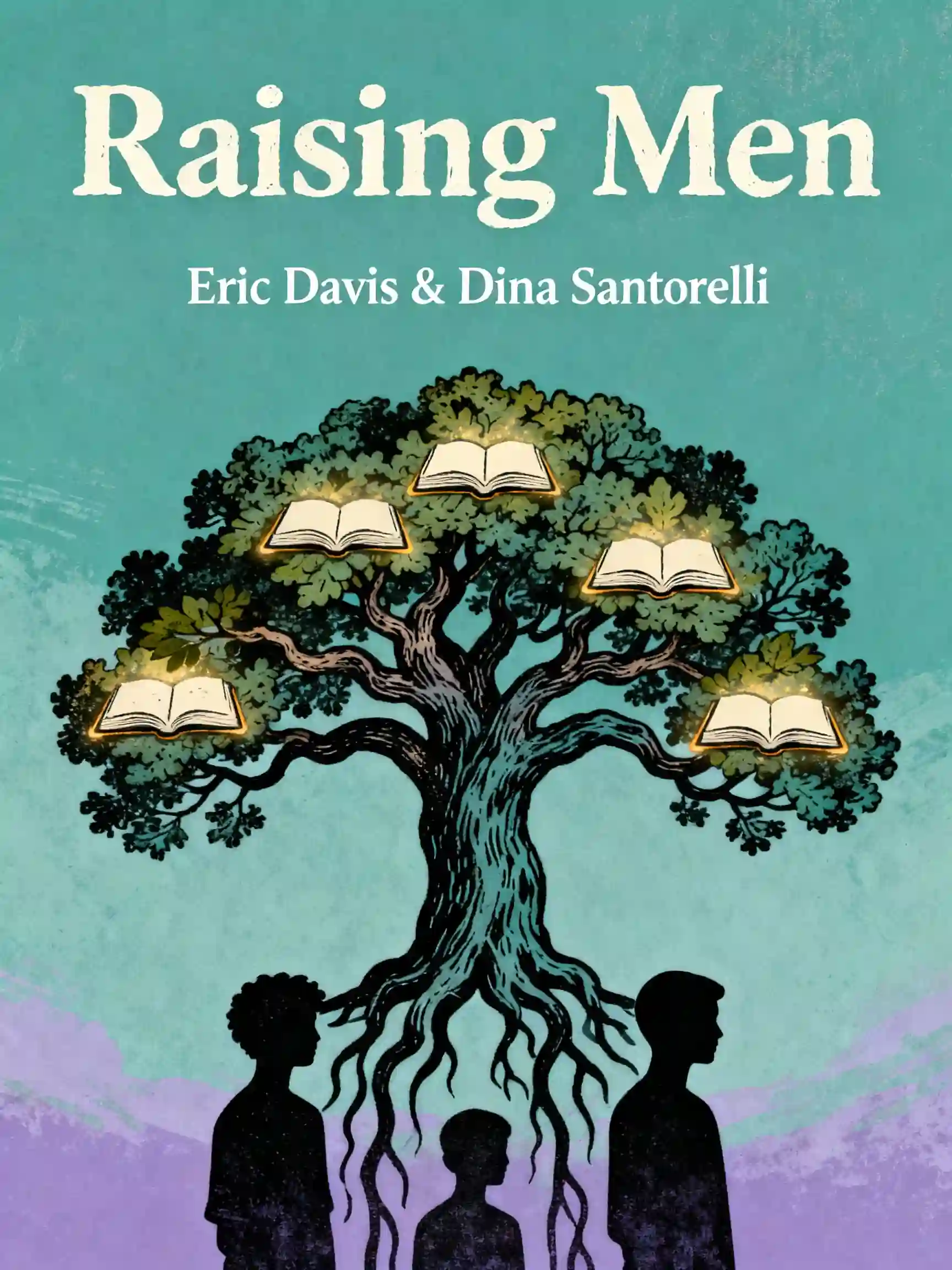
A loyalty bind occurs when a child feels that forming a positive relationship with a step-parent is a betrayal of their biological parent. This often results in internal guilt and emotional conflict for the child. To manage this, step-parents should avoid taking the child's distance personally and maintain a neutral or supportive stance toward the biological parent. Validating the child's feelings and giving them "permission" to love both parents helps create a safe environment and reduces the pressure on the child.
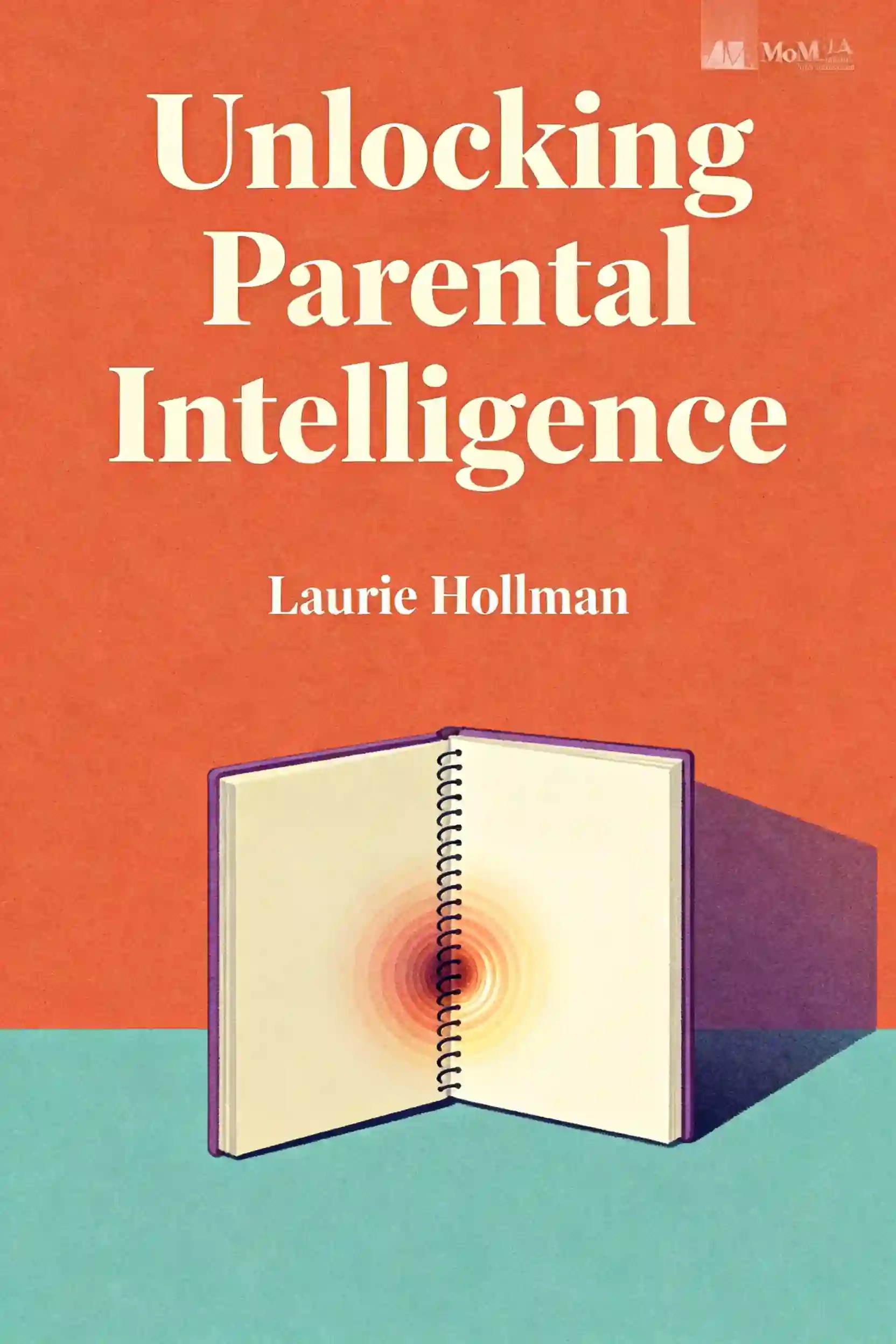
Rituals of connection act as "relationship glue" by providing small, consistent moments of predictability and security. The script suggests two types: whole-family rituals, like a weekly "Family Check-In" or an "Appreciation Jar," and unique one-on-one rituals between the step-parent and child, such as a specific hobby or a regular car ride. These activities help the step-parent move beyond being an "extra person" and allow them to build a unique foundation of belonging with the child.
The Authoritative (or Dolphin) style is considered the "gold standard" because it combines high warmth with high structure. Unlike the Authoritarian style, which demands blind obedience, or the Permissive style, which lacks rules, the Authoritative parent sets firm limits while explaining the reasoning behind them. This style focuses on emotional intelligence and cooperation, making it the most effective approach for fostering security in a blended family.
Transition Turbulence refers to the stress children feel when moving between two households with different rules and environments. To ease this, families should establish a predictable "re-entry" routine, such as an hour of quiet "chill time" with no demands when the child first arrives. Additionally, providing the child with their own physical space and personal items (like a dedicated drawer or toothbrush) helps them feel like a permanent family member rather than a temporary visitor.
Creato da alumni della Columbia University a San Francisco
"Instead of endless scrolling, I just hit play on BeFreed. It saves me so much time."


"I never knew where to start with nonfiction—BeFreed’s book lists turned into podcasts gave me a clear path."


"Perfect balance between learning and entertainment. Finished ‘Thinking, Fast and Slow’ on my commute this week."
"Crazy how much I learned while walking the dog. BeFreed = small habits → big gains."
"Reading used to feel like a chore. Now it’s just part of my lifestyle."

"Feels effortless compared to reading. I’ve finished 6 books this month already."
"BeFreed turned my guilty doomscrolling into something that feels productive and inspiring."

"BeFreed turned my commute into learning time. 20-min podcasts are perfect for finishing books I never had time for."
"BeFreed replaced my podcast queue. Imagine Spotify for books — that’s it. 🙌"

"It is great for me to learn something from the book without reading it."
"The themed book list podcasts help me connect ideas across authors—like a guided audio journey."
"Makes me feel smarter every time before going to work"
 Ask ChatGPT
 Ask Claude
Creato da alumni della Columbia University a San Francisco
"Instead of endless scrolling, I just hit play on BeFreed. It saves me so much time."
"I never knew where to start with nonfiction—BeFreed’s book lists turned into podcasts gave me a clear path."
"Perfect balance between learning and entertainment. Finished ‘Thinking, Fast and Slow’ on my commute this week."
"Crazy how much I learned while walking the dog. BeFreed = small habits → big gains."
"Reading used to feel like a chore. Now it’s just part of my lifestyle."
"Feels effortless compared to reading. I’ve finished 6 books this month already."
"BeFreed turned my guilty doomscrolling into something that feels productive and inspiring."
"BeFreed turned my commute into learning time. 20-min podcasts are perfect for finishing books I never had time for."
"BeFreed replaced my podcast queue. Imagine Spotify for books — that’s it. 🙌"
"It is great for me to learn something from the book without reading it."
"The themed book list podcasts help me connect ideas across authors—like a guided audio journey."
"Makes me feel smarter every time before going to work"
"Instead of endless scrolling, I just hit play on BeFreed. It saves me so much time."
"I never knew where to start with nonfiction—BeFreed’s book lists turned into podcasts gave me a clear path."
"Perfect balance between learning and entertainment. Finished ‘Thinking, Fast and Slow’ on my commute this week."
"Crazy how much I learned while walking the dog. BeFreed = small habits → big gains."
"Reading used to feel like a chore. Now it’s just part of my lifestyle."
"Feels effortless compared to reading. I’ve finished 6 books this month already."
"BeFreed turned my guilty doomscrolling into something that feels productive and inspiring."
"BeFreed turned my commute into learning time. 20-min podcasts are perfect for finishing books I never had time for."
"BeFreed replaced my podcast queue. Imagine Spotify for books — that’s it. 🙌"
"It is great for me to learn something from the book without reading it."
"The themed book list podcasts help me connect ideas across authors—like a guided audio journey."
"Makes me feel smarter every time before going to work"
"Instead of endless scrolling, I just hit play on BeFreed. It saves me so much time."
"I never knew where to start with nonfiction—BeFreed’s book lists turned into podcasts gave me a clear path."
"Perfect balance between learning and entertainment. Finished ‘Thinking, Fast and Slow’ on my commute this week."
"Crazy how much I learned while walking the dog. BeFreed = small habits → big gains."
"Reading used to feel like a chore. Now it’s just part of my lifestyle."
"Feels effortless compared to reading. I’ve finished 6 books this month already."
"BeFreed turned my guilty doomscrolling into something that feels productive and inspiring."
"BeFreed turned my commute into learning time. 20-min podcasts are perfect for finishing books I never had time for."
"BeFreed replaced my podcast queue. Imagine Spotify for books — that’s it. 🙌"
"It is great for me to learn something from the book without reading it."
"The themed book list podcasts help me connect ideas across authors—like a guided audio journey."
"Makes me feel smarter every time before going to work"