Explore the secret world of Sicilian mafiosi, where tiny paper notes and agricultural metaphors mask deadly commands in a masterclass of unspoken power.
Miglior citazione da The Sheep Code: Decoding Mafia Silence
“
In the world of the Sicilian Mafia, a simple wink or even a specific silence can be more meaningful than a long statement; it is a culture where silence isn't just a lack of noise—it’s a weapon and a shield.
”
C
Generated by Ciro
Domanda di input
How the Sicilian mafiosi communicate among themselves. And how they can speak without actually saying anything
Voci dei presentatori
Lena
Miles
Fonti di conoscenza
Domande frequenti
Pizzini are small, scrap pieces of paper, often folded into tiny patterns and sealed with tape, used by Mafia bosses to communicate. High-level leaders like Bernardo Provenzano preferred this method over cell phones or emails because digital footprints are permanent and phones can be tapped by law enforcement. By hiding these physical notes under rocks or near farm gates in a compartmentalized messenger system, the Mafia created a low-tech "paper trail" that was incredibly difficult for police to track for decades.
The "sheep code" is a form of agricultural metaphor used by the Sicilian Mafia to communicate criminal instructions in plain sight. By using phrases related to farming—such as "the sheep need shearing," "the hay is ready," or "I’ve put the ricotta cheese aside"—members could discuss hits, payoffs, or meetings without raising suspicion. If intercepted by police, the speakers could simply claim they were discussing livestock or farm chores, making it a highly effective "hiding in the open" strategy.
While often simplified as a "code of silence," omertà is a deep-seated cultural norm of self-reliance and defiance against state authority. Within the Mafia, it is transformed into a sacred, institutionalized duty through rituals like the "punciuta," where members swear absolute secrecy. It creates an "us versus them" mentality that makes the organization nearly impenetrable, as breaking this silence is considered treason punishable by death.
Religious language was used as a "strategy of submersion" to rebrand the Mafia’s image and create internal solidarity. Bosses like Provenzano filled their pizzini with biblical references and blessings to present themselves as wise, humble mediators rather than ruthless criminals. This turned the messages into "totems" or sacred objects, fostering a sense of "divine" authority and a secular church-like cohesion among different Mafia factions.
Mafiosi use a sophisticated system of "semantic obliquity," where silence, gestures, and physical presence carry more weight than words. This includes the "kiss of respect" to signal political alliances, specific sitting postures to show pride or authority, and even the symbolic arrangement of corpses to send messages to the community. In this culture, being "stingy with words" is a sign of power, and members are trained to interpret "half a sentence" or a specific look as a complete command.
Creato da alumni della Columbia University | a San Francisco
BeFreed Riunisce Una Community Globale Di Menti Curiose
4.7
valutazione media
Oltre 7,84 mila valutazioni dell’app
Community BeFreed
Sul serio, non ho ancora esplorato l'app fino in fondo, ma dopo questi primi giorni sono davvero colpita… BeFreed è su un altro livello rispetto a qualsiasi altra app di apprendimento che abbia usato. Ti coinvolge tantissimo e migliora davvero la concentrazione: perfetta per chi non riesce a smettere di scrollare!
@ladyInfinity
Ho comprato BeFreed esattamente 23 giorni fa e da allora l'ho usata ogni singolo giorno. Si è integrata completamente nel mio flusso di lavoro e nelle mie abitudini di studio.
@jayallen
La verità è che l'app ha superato tutte le mie aspettative. Posso chiederle di generare audio su qualunque argomento, qualsiasi esso sia, e il risultato è impressionante. Il mio campo professionale è una specializzazione in psicoterapia, molto multidisciplinare; eppure le risposte sono molto accurate.
@Raguipa
Quello che apprezzo di più è quanto abbia ridotto il mio scrolling: passo meno tempo a cercare e più tempo ad assorbire informazioni. La combinazione di audiolibri completi, podcast e piani di apprendimento è brillante.
@colonyofcreatorsNGO
Sono istruttore di apprendimento accelerato PhotoReading da 24 anni… libri, lettura e apprendimento sono il mio pane, e BeFreed ha fatto un ottimo lavoro offrendo un approccio innovativo per trasmettere le informazioni in un modo facile da assimilare.
@BeFreed user
Non è solo un'app di riassunti di libri: ho usato l'opzione di lettura divertente ed è un riassunto molto migliore, un modo più efficace di afferrare le idee rispetto al metodo tradizionale. Solo questo vale la spesa.
@austinakon
Adoro questa app. La uso da diversi giorni e non riesco a smettere di ascoltare. Un ottimo modo per iniziare.
@jcrules328
Il programma mi piace davvero; lo sto provando da circa un mese e lo trovo una vera gemma. Funziona così bene perché con BeFreed posso creare i miei argomenti, e la voce è ottima, con una scelta illimitata di narrazioni.
@DanielCZ
Sul serio, non ho ancora esplorato l'app fino in fondo, ma dopo questi primi giorni sono davvero colpita… BeFreed è su un altro livello rispetto a qualsiasi altra app di apprendimento che abbia usato. Ti coinvolge tantissimo e migliora davvero la concentrazione: perfetta per chi non riesce a smettere di scrollare!
@ladyInfinity
Ho comprato BeFreed esattamente 23 giorni fa e da allora l'ho usata ogni singolo giorno. Si è integrata completamente nel mio flusso di lavoro e nelle mie abitudini di studio.
@jayallen
La verità è che l'app ha superato tutte le mie aspettative. Posso chiederle di generare audio su qualunque argomento, qualsiasi esso sia, e il risultato è impressionante. Il mio campo professionale è una specializzazione in psicoterapia, molto multidisciplinare; eppure le risposte sono molto accurate.
@Raguipa
Quello che apprezzo di più è quanto abbia ridotto il mio scrolling: passo meno tempo a cercare e più tempo ad assorbire informazioni. La combinazione di audiolibri completi, podcast e piani di apprendimento è brillante.
@colonyofcreatorsNGO
Sono istruttore di apprendimento accelerato PhotoReading da 24 anni… libri, lettura e apprendimento sono il mio pane, e BeFreed ha fatto un ottimo lavoro offrendo un approccio innovativo per trasmettere le informazioni in un modo facile da assimilare.
@BeFreed user
Non è solo un'app di riassunti di libri: ho usato l'opzione di lettura divertente ed è un riassunto molto migliore, un modo più efficace di afferrare le idee rispetto al metodo tradizionale. Solo questo vale la spesa.
@austinakon
Adoro questa app. La uso da diversi giorni e non riesco a smettere di ascoltare. Un ottimo modo per iniziare.
@jcrules328
Il programma mi piace davvero; lo sto provando da circa un mese e lo trovo una vera gemma. Funziona così bene perché con BeFreed posso creare i miei argomenti, e la voce è ottima, con una scelta illimitata di narrazioni.
@DanielCZ
Adoro poter ricevere informazioni e idee utili e condensate in un audio in stile podcast da 8-15 minuti. Non sono un grande fan dei podcast per via di tutto il riempitivo, ma qui si va dritti al punto.
@BeFreed user
Sto finendo il dottorato e devo leggere un sacco di materiale che non conosco… Con BeFreed basta inserire un prompt: l'app trova le fonti per te e genera un podcast audio. Trovo il processo di BeFreed più scorrevole di NotebookLM.
@Brad
Cerco spesso su YouTube qualcosa da ascoltare mentre preparo la colazione, cammino o sono in viaggio, e BeFreed offre un approccio ancora più mirato, senza pubblicità e senza riempitivi!
@BeFreed user
La cosa in assoluto migliore di questa piattaforma è la versatilità. Non c'è letteralmente nessun argomento fuori portata. Gestisce qualsiasi cosa le proponi… È raro trovare uno strumento di apprendimento senza limiti che mantenga davvero le promesse.
@jayallen
BeFreed è fantastica. Il design intuitivo mi fa passare meno tempo a navigare e più tempo a imparare. Il mix di audiolibri, podcast e piani di apprendimento è una combinazione geniale che ha cambiato completamente la mia routine quotidiana.
@BeFreed user
All'inizio mi ci è voluto un po' per capire come creare podcast in italiano e poi… boom! È fantastico! Posso chiedergli di spiegarmi qualsiasi argomento e lo fa benissimo, con grande intelligenza!
@matteo77
BeFreed è diventata la mia app quotidiana per gli audiolibri… Quello che mi piace di più è che inserisci il tuo testo e ottieni un audio da ascoltare ovunque.
@kotanzu1
Adoro poter ricevere informazioni e idee utili e condensate in un audio in stile podcast da 8-15 minuti. Non sono un grande fan dei podcast per via di tutto il riempitivo, ma qui si va dritti al punto.
@BeFreed user
Sto finendo il dottorato e devo leggere un sacco di materiale che non conosco… Con BeFreed basta inserire un prompt: l'app trova le fonti per te e genera un podcast audio. Trovo il processo di BeFreed più scorrevole di NotebookLM.
@Brad
Cerco spesso su YouTube qualcosa da ascoltare mentre preparo la colazione, cammino o sono in viaggio, e BeFreed offre un approccio ancora più mirato, senza pubblicità e senza riempitivi!
@BeFreed user
La cosa in assoluto migliore di questa piattaforma è la versatilità. Non c'è letteralmente nessun argomento fuori portata. Gestisce qualsiasi cosa le proponi… È raro trovare uno strumento di apprendimento senza limiti che mantenga davvero le promesse.
@jayallen
BeFreed è fantastica. Il design intuitivo mi fa passare meno tempo a navigare e più tempo a imparare. Il mix di audiolibri, podcast e piani di apprendimento è una combinazione geniale che ha cambiato completamente la mia routine quotidiana.
@BeFreed user
All'inizio mi ci è voluto un po' per capire come creare podcast in italiano e poi… boom! È fantastico! Posso chiedergli di spiegarmi qualsiasi argomento e lo fa benissimo, con grande intelligenza!
@matteo77
BeFreed è diventata la mia app quotidiana per gli audiolibri… Quello che mi piace di più è che inserisci il tuo testo e ottieni un audio da ascoltare ovunque.
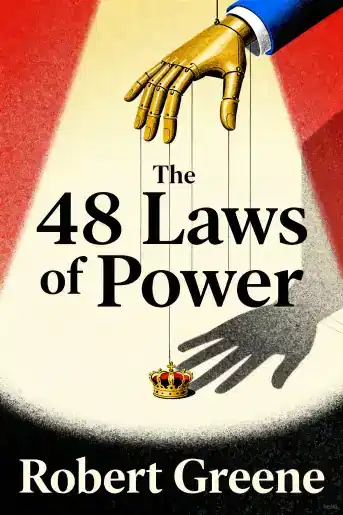
Master the hidden cues of dominance and deception. Learn to simplify the 48 Laws of Power and use body language to defend against psychological manipulation in everyday life.
Discover how a seemingly harmless "squirrel of a man" became America's most powerful crime boss through strategic patience and deception. The untold story of the Mafia's greatest mastermind.
Learn to read subconscious signals and micro-expressions in milliseconds. This guide explores the limbic brain's role in communication and provides a practical playbook for high-stakes social navigation.
Unlock the secrets of nonverbal communication with insights from FBI agents and psychologists. Learn to read the hidden signals everyone broadcasts through faces, posture, and micro-expressions.
When a power struggle turns physical, every gesture tells a story. Learn to decode dominance cues and nervous habits to navigate high-pressure moments.
Learn to read the hidden language of body movements, facial expressions, and spatial cues that reveal what people really think and feel beyond their words.
Explore the hidden world of nonverbal communication, from universal micro-expressions to power plays, and learn how to decode the silent signals people send every day.