The Screenwriter's Blueprint: From Concept to Production
Master the technical art of screenwriting by learning industry-standard formatting, visual storytelling, and the strategies needed to break into the top 1% of the market.

Miglior citazione da The Screenwriter's Blueprint: From Concept to Production
A screenplay is actually a technical document for a massive team—directors, actors, and even the lighting crew. It’s less about poetic prose and more about what the camera can actually see and hear.
Generated by Eran
learning how to write screenplays

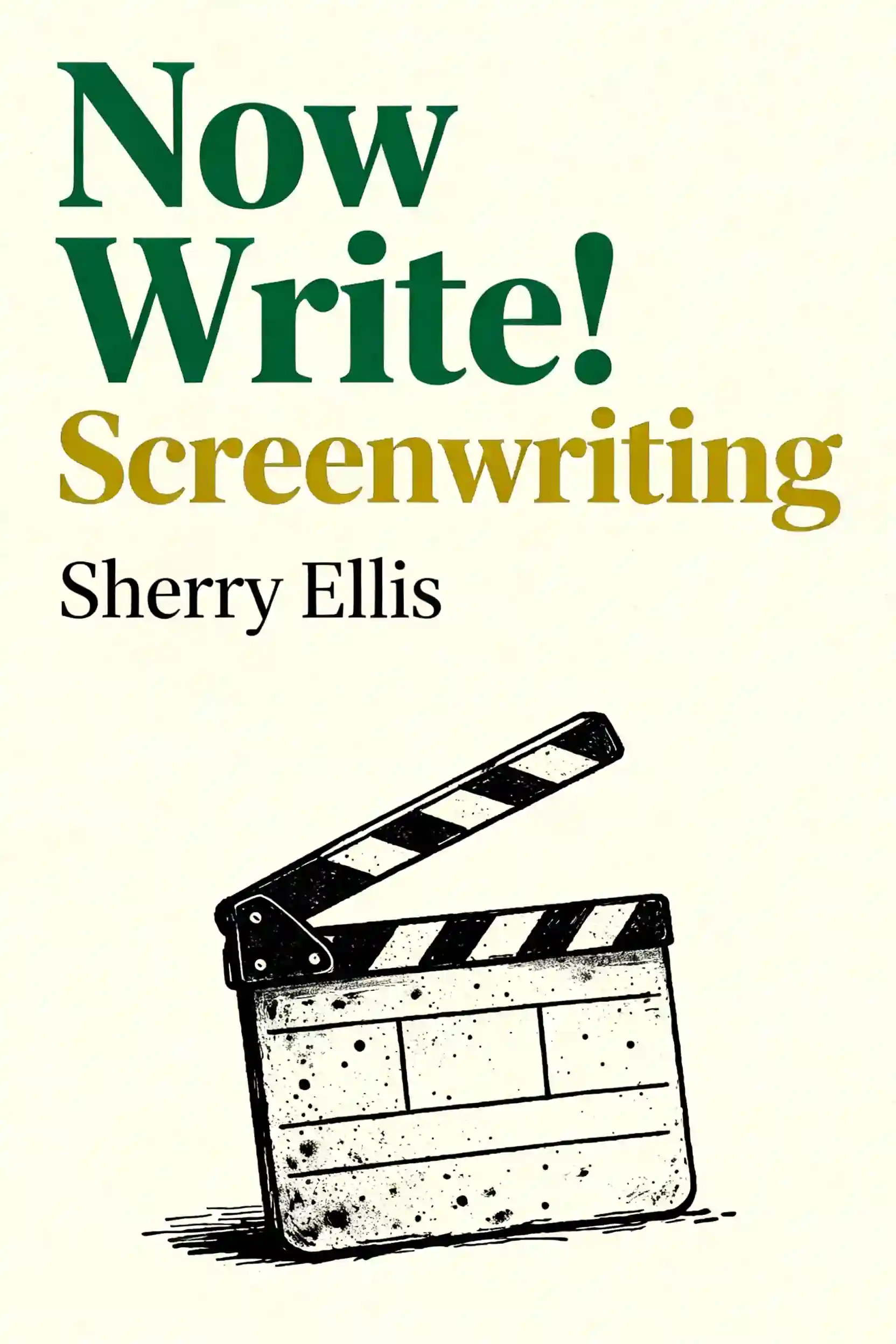
Domande frequenti
The use of 12-point Courier is a functional design choice rather than a stylistic preference. Because it is a monospaced font—meaning every character takes up the same amount of horizontal space—it creates a predictable mathematical relationship where one page of a correctly formatted script equals approximately one minute of screen time. This "one minute rule" allows production managers and line producers to accurately estimate the film's length and budget.
A character's "want" is their external goal, such as winning a race or saving the world. In contrast, their "need" is an internal requirement for emotional or psychological growth, like learning to trust others or finding self-worth. A compelling screenplay often functions as a "pressure cooker" where the character cannot achieve their external "want" until they have addressed their internal "need" and undergone a meaningful transformation.
Sluglines, or scene headings, are logistical markers that indicate whether a scene is interior or exterior (INT. or EXT.), the specific location, and the time of day. Consistency is vital because production software uses these headings to "break down" the script into a shooting schedule. If a writer uses different names for the same location, the production team might mistakenly believe they need to secure and fund two separate sets, which increases unnecessary costs.
Action lines should only include what the camera can see or the microphone can hear. Writers are encouraged to avoid "purple prose" that describes internal feelings, scents, or abstract concepts, such as "feeling regret" or "the scent of betrayal." Instead, these must be translated into "actable" visuals, such as a character staring at a discarded wedding ring, which allows the audience to see the emotion through a physical action.
A "spec script" is a screenplay written on "speculation," meaning the writer is not being paid to write it and hopes to sell it later. While selling a spec script for a large sum is rare, it serves as a vital "calling card" to showcase a writer's voice and technical skill. Most professional writers use spec scripts to secure representation or to land "assignments," which is where they are hired by studios to write specific ideas or polish existing projects.
Creato da alumni della Columbia University a San Francisco
"Instead of endless scrolling, I just hit play on BeFreed. It saves me so much time."


"I never knew where to start with nonfiction—BeFreed’s book lists turned into podcasts gave me a clear path."


"Perfect balance between learning and entertainment. Finished ‘Thinking, Fast and Slow’ on my commute this week."
"Crazy how much I learned while walking the dog. BeFreed = small habits → big gains."
"Reading used to feel like a chore. Now it’s just part of my lifestyle."

"Feels effortless compared to reading. I’ve finished 6 books this month already."
"BeFreed turned my guilty doomscrolling into something that feels productive and inspiring."

"BeFreed turned my commute into learning time. 20-min podcasts are perfect for finishing books I never had time for."
"BeFreed replaced my podcast queue. Imagine Spotify for books — that’s it. 🙌"

"It is great for me to learn something from the book without reading it."
"The themed book list podcasts help me connect ideas across authors—like a guided audio journey."
"Makes me feel smarter every time before going to work"
Creato da alumni della Columbia University a San Francisco
"Instead of endless scrolling, I just hit play on BeFreed. It saves me so much time."
"I never knew where to start with nonfiction—BeFreed’s book lists turned into podcasts gave me a clear path."
"Perfect balance between learning and entertainment. Finished ‘Thinking, Fast and Slow’ on my commute this week."
"Crazy how much I learned while walking the dog. BeFreed = small habits → big gains."
"Reading used to feel like a chore. Now it’s just part of my lifestyle."
"Feels effortless compared to reading. I’ve finished 6 books this month already."
"BeFreed turned my guilty doomscrolling into something that feels productive and inspiring."
"BeFreed turned my commute into learning time. 20-min podcasts are perfect for finishing books I never had time for."
"BeFreed replaced my podcast queue. Imagine Spotify for books — that’s it. 🙌"
"It is great for me to learn something from the book without reading it."
"The themed book list podcasts help me connect ideas across authors—like a guided audio journey."
"Makes me feel smarter every time before going to work"
"Instead of endless scrolling, I just hit play on BeFreed. It saves me so much time."
"I never knew where to start with nonfiction—BeFreed’s book lists turned into podcasts gave me a clear path."
"Perfect balance between learning and entertainment. Finished ‘Thinking, Fast and Slow’ on my commute this week."
"Crazy how much I learned while walking the dog. BeFreed = small habits → big gains."
"Reading used to feel like a chore. Now it’s just part of my lifestyle."
"Feels effortless compared to reading. I’ve finished 6 books this month already."
"BeFreed turned my guilty doomscrolling into something that feels productive and inspiring."
"BeFreed turned my commute into learning time. 20-min podcasts are perfect for finishing books I never had time for."
"BeFreed replaced my podcast queue. Imagine Spotify for books — that’s it. 🙌"
"It is great for me to learn something from the book without reading it."
"The themed book list podcasts help me connect ideas across authors—like a guided audio journey."
"Makes me feel smarter every time before going to work"
"Instead of endless scrolling, I just hit play on BeFreed. It saves me so much time."
"I never knew where to start with nonfiction—BeFreed’s book lists turned into podcasts gave me a clear path."
"Perfect balance between learning and entertainment. Finished ‘Thinking, Fast and Slow’ on my commute this week."
"Crazy how much I learned while walking the dog. BeFreed = small habits → big gains."
"Reading used to feel like a chore. Now it’s just part of my lifestyle."
"Feels effortless compared to reading. I’ve finished 6 books this month already."
"BeFreed turned my guilty doomscrolling into something that feels productive and inspiring."
"BeFreed turned my commute into learning time. 20-min podcasts are perfect for finishing books I never had time for."
"BeFreed replaced my podcast queue. Imagine Spotify for books — that’s it. 🙌"
"It is great for me to learn something from the book without reading it."
"The themed book list podcasts help me connect ideas across authors—like a guided audio journey."
"Makes me feel smarter every time before going to work"